
Quick Answer: Which Brush Matches Your Bottle?
Selecting the right bottle cleaner brush is essential for maintaining infant feeding hygiene and extending the lifespan of your baby bottles. Because different bottle materials have varying levels of surface hardness, using the wrong brush can cause microscopic damage that harbors harmful bacteria.
To keep your feeding gear clean and safe, match your brush to your bottle material using this simple framework:
- For Plastic Bottles: Opt for soft sponge or gentle silicone brushes to minimize the risk of micro-scratches.
- For Glass Bottles: Choose nylon or firmer bristle brushes to effectively scrub away stubborn milk fats and formula residue.
- For Silicone Bottles: Use soft silicone or sponge brushes, and always verify the manufacturer's specific care guidelines.
Before cleaning, always consult the care instructions provided by your baby bottle manufacturer to ensure compatibility with your chosen cleaning tools.
Products mentioned in this guide
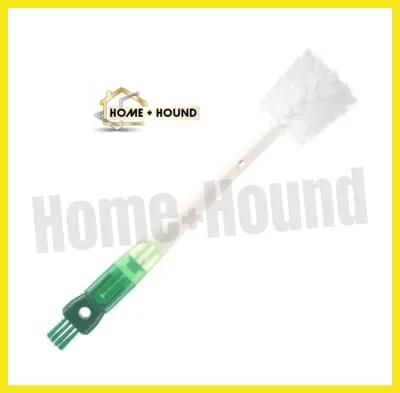
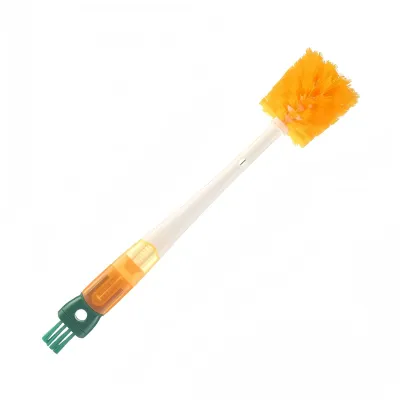
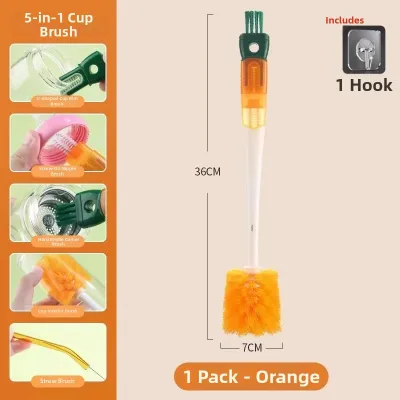
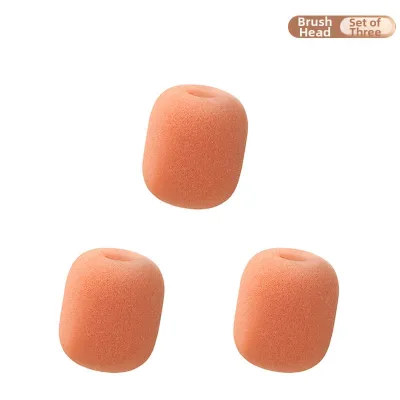
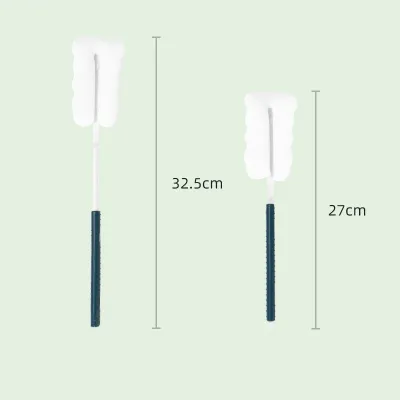
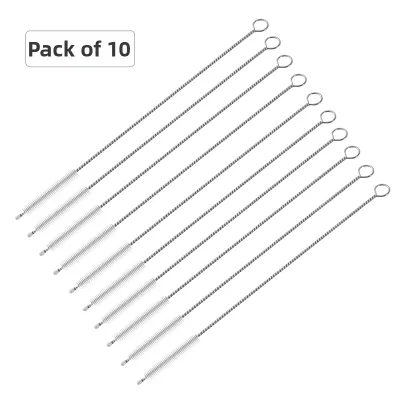
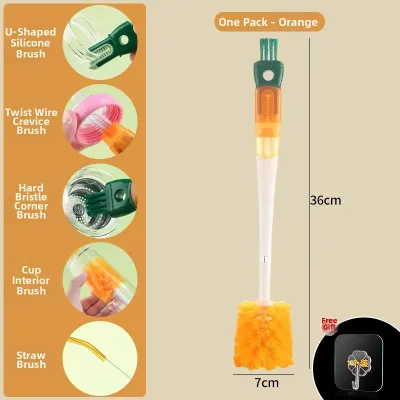
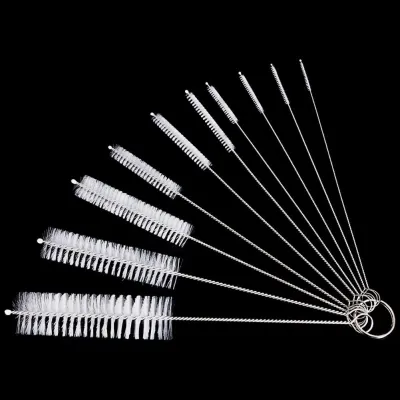
Prices are valid at publication and may change. Please refer to the product page for the latest price.
Comparing Bottle Cleaner Brush Bristle Materials
Understanding the physical properties of different brush head materials helps you balance cleaning power with surface protection. The three most common materials each offer distinct advantages and trade-offs.

Sponge Heads Sponge brushes are highly absorbent and excellent for creating a rich lather with liquid dish soap. They are incredibly gentle on delicate surfaces, making them ideal for scratch-prone materials. However, sponges tend to wear out faster than other materials and can tear on sharp bottle threads. In humid tropical climates, sponges require meticulous rinsing and air-drying to prevent sour odors, mold, and bacterial growth.
Silicone Heads Silicone brushes are highly durable, non-porous, and dry very quickly, making them exceptionally hygienic and resistant to mold. They are gentle enough for almost any bottle material. The main trade-off is that silicone bristles are flexible and smooth, which means they may lack the scrubbing friction needed to easily remove dried-on breast milk or formula film if the bottle is not washed immediately.
Nylon or Bristle Heads Nylon bristle brushes offer superior scrubbing power and long-lasting durability. They easily dislodge dried milk fats from tight corners and crevices. However, their stiffness carries a high risk of scratching softer materials. Over time, these scratches can compromise the integrity of plastic and silicone bottles.
| Brush Material | Scrubbing Power | Scratch Risk | Durability | Best Suited For |
|---|---|---|---|---|
| Sponge | Moderate | Very Low | Low | Plastic and Silicone |
| Silicone | Low to Moderate | Very Low | High | Plastic and Silicone |
| Nylon / Bristle | High | High | High | Glass |
Matching the Brush to Your Baby Bottle Material
Matching the brush to the bottle material is critical for preventing bacterial buildup. When a brush is too abrasive, it creates micro-scratches on the inner walls of the bottle. These tiny grooves are highly efficient at trapping milk proteins and moisture, making them difficult to sanitize completely even with high-temperature sterilization.
Before selecting a new brush, inspect your current bottles under direct light. Look for any signs of cloudiness, fine lines, or physical wear that might indicate it is time to update your cleaning routine or replace the bottles entirely.
Cleaning Glass Baby Bottles
Glass baby bottles are highly scratch-resistant, which allows you to use firmer nylon bristle brushes without worrying about damaging the inner surface. This resistance is highly beneficial because milk fats tend to cling more stubbornly to glass, requiring robust scrubbing action to leave the surface completely clean.
When choosing a brush for glass bottles, look for a design with a well-padded or densely bristled tip. This ensures you can clean the bottom corners thoroughly without risk of chipping or cracking the glass base.
Additionally, verify if your glass bottles feature any specialized external coatings, measurement markings, or protective silicone sleeves. These external elements may require gentler handling during washing to prevent peeling or fading.
Cleaning Plastic Baby Bottles
Plastic baby bottles, including those made from polypropylene (PP) or polyphenylsulfone (PPSU), are lightweight and durable but highly susceptible to micro-scratches. Stiff nylon bristles can easily gouge the soft plastic surface during routine cleaning.
To protect plastic bottles, soft sponge or smooth silicone brushes are highly recommended. Avoid using abrasive household scrubbers, steel wool, or stiff-bristled utility brushes, as these will quickly degrade the plastic and create breeding grounds for bacteria.
Inspect your plastic bottles regularly for signs of wear. If you notice persistent cloudiness, deep scratches, or a sour odor that remains after thorough washing and sterilization, the bottle has likely reached the end of its usable life and should be replaced.
Cleaning Silicone Baby Bottles
Silicone baby bottles are popular for their flexible, squeezable texture, but this unique material requires specific care. The soft, slightly grippy surface of silicone behaves differently than rigid glass or plastic, making it more vulnerable to tearing if subjected to harsh scrubbing.
Soft silicone or sponge brushes are the safest choices for cleaning silicone bottles. These materials glide smoothly over the flexible walls without causing surface degradation or structural damage over time.
Because silicone can sometimes absorb odors or oils from milk fats, a thorough but gentle wash is necessary. Always consult the specific brand’s care label, as silicone formulations and wall thicknesses vary significantly between manufacturers.
Essential Design Features to Verify Before Buying
Beyond the bristle material, several structural design features impact how effectively and hygienically you can clean your baby bottles.
- Handle Length and Grip: Ensure the brush handle is long enough to reach the bottom of your tallest bottles comfortably. A non-slip, ergonomic grip is essential when your hands are wet and soapy, preventing the brush from slipping and keeping your hands clean.
- Tip Design: Check if the brush features a specialized tip, such as a 360-degree rotating handle or an integrated smaller nipple brush. A dedicated nipple brush is crucial for cleaning the delicate, narrow tips of pacifiers and bottle nipples without tearing them.
- Hanging or Standing Base: In humid environments, proper storage is vital for hygiene. Look for brushes with a built-in suction cup base or a hanging loop. This allows the brush to stand upright or hang freely, ensuring water drains away quickly and reducing the risk of mold, mildew, and bacterial colonization.
Maintaining Your Bottle Cleaner Brush for Hygiene
To maintain a sanitary feeding environment, your cleaning tools must be kept as clean as the bottles themselves. After every use, rinse the brush thoroughly under warm running water to remove all soap and milk residue. Shake off excess water and store the brush upright or hang it in a well-ventilated area to air-dry completely.
Avoid storing wet brushes in closed cabinets or damp sink caddies. The tropical humidity can quickly turn damp bristles or sponges into breeding grounds for mold and mildew.
Watch for observable signs of wear that indicate your brush needs immediate replacement. These signs include fraying or falling-out bristles, tearing or discolored sponges, persistent sour odors, or visible dark mold spots.
Instead of relying on a strict calendar date, replace your bottle brush as soon as you observe these signs of physical degradation, always deferring to the manufacturer’s care guidelines for safety.
Frequently Asked Questions (FAQ)
Can I use the same brush for both glass and plastic bottles?
While it is physically possible, using the same brush is not ideal if it has stiff nylon bristles. A stiff brush that is safe for glass will scratch plastic bottles. If you must use one brush for a mixed set of bottles, opt for a high-quality silicone or sponge brush that is gentle enough for plastic but still capable of cleaning glass. Alternatively, keeping separate brushes ensures each bottle material receives the appropriate level of care without cross-contamination or accidental scratching.
How often should I replace my baby bottle brush?
The replacement frequency depends heavily on the brush material and how often it is used. Sponge brushes typically degrade faster and may need replacement every few weeks, while silicone brushes can last significantly longer. Rather than following an arbitrary timeline, inspect the brush weekly for physical wear indicators such as loss of bristle stiffness, tearing sponge pieces, or handle damage. If you notice any persistent odors or mold spots, replace the brush immediately to maintain a sanitary feeding environment.
Community discussion
Share your experience or ask a question. Comments are reviewed before publication.