
Choosing the right guard rail for bed transitions depends on matching your child’s developmental stage, sleep habits, and bed frame type with the correct material—foam, mesh, wood, or inflatable—while verifying physical safety clearances. There is no single universal option; instead, the ideal choice is the one that securely fits your mattress configuration and prevents dangerous gaps.
In the Philippines, transitioning a child from a crib or co-sleeping setup to an independent bed often involves navigating tropical humidity, varying mattress heights, and local bed frame designs. Ensuring a secure fit is crucial to prevent accidental falls and entrapment hazards. By evaluating your child’s mobility and your specific bed structure, you can select a barrier that provides both physical security and peace of mind.
Assessing Your Child's Needs and Bed Setup
Toddlers transitioning from a crib around two years old have different physical capabilities than older children who simply need a visual or tactile boundary. A younger child lacks the coordination to avoid rolling off a high mattress and may require a more robust, fixed barrier. Older children might only need a gentle reminder of where the mattress edge ends.
Products mentioned in this guide
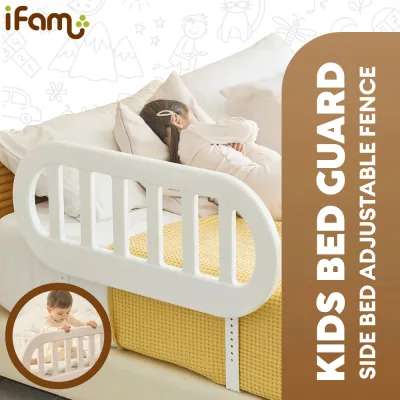
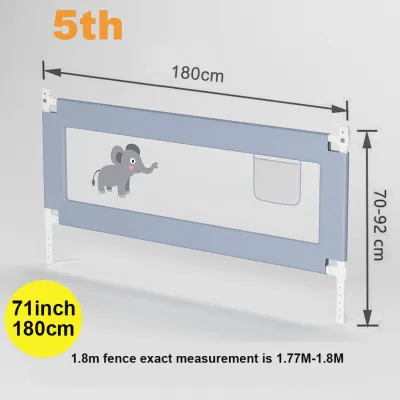
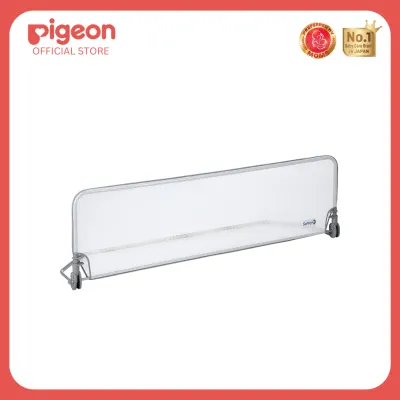
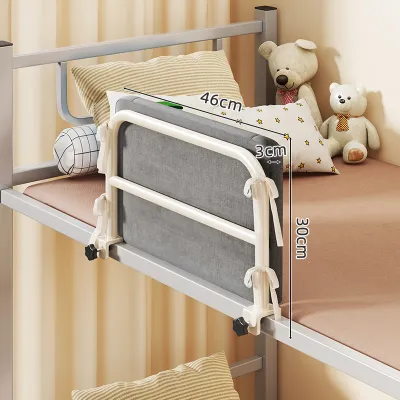
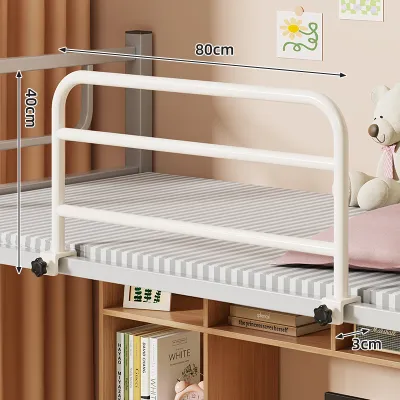
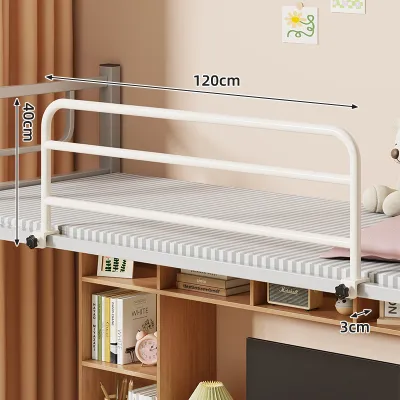
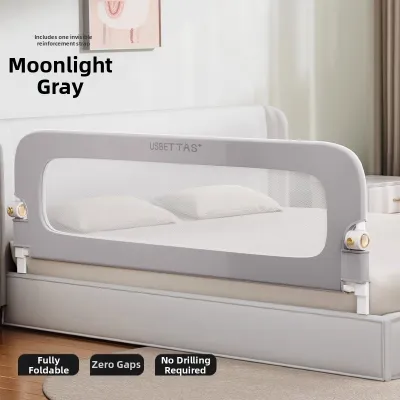
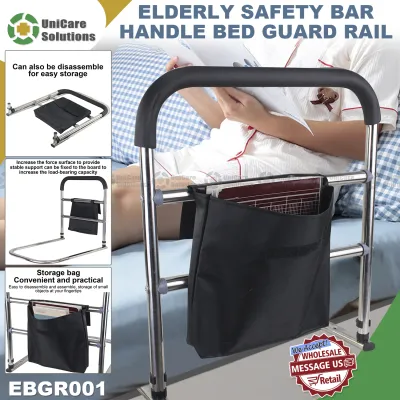
Prices are valid at publication and may change. Please refer to the product page for the latest price.
Observe how your child sleeps before purchasing any guard rail. Active sleepers who constantly toss, turn, and migrate across the mattress require sturdy, tall barriers that can withstand continuous physical pressure. Conversely, calm sleepers who generally stay in one position may only need a low-profile bumper to feel secure.
Identify your primary goal for the guard rail. If you are trying to prevent high-impact falls from an elevated bed, structural rigidity is your top priority. If you are helping a toddler transition to a floor bed in a Montessori-style room, a soft, low-profile tactile boundary is often sufficient to guide them without creating a climbing hazard.
Always check the manufacturer’s documentation for specific age and weight recommendations. Some rails are strictly designed for children who can climb in and out of bed unassisted, while others are rated for younger toddlers. Never assume a rail is safe for an infant or a very young baby, as soft bedding and guard rails can present serious entrapment risks for infants.
Comparing the 4 Main Types of Bed Guard Rails
Selecting the right material involves balancing safety, convenience, and compatibility. The four primary options—foam, mesh, wood, and inflatable—each offer distinct advantages and limitations depending on your home environment and lifestyle. Understanding these differences allows you to narrow down the choices to the most practical solution for your family’s daily routine.

Foam Bed Bumpers
Foam bed bumpers are firm, wedge-shaped or semi-cylindrical foam pieces that sit directly on the mattress, usually held in place under a tight fitted sheet. This design relies on the friction and tension of the bedding to stay positioned near the edge of the bed, creating a gentle, sloping barrier.
The primary advantage of foam bumpers is their soft, forgiving surface. There are no hard metal or wooden frames for a child to bump against during the night, making them highly comfortable for children who sleep close to the edge. They are also incredibly easy to install, requiring no tools, clamps, or complex assembly.
However, foam bumpers have clear limitations. Because they rely on the tension of a fitted sheet, active sleepers who push hard against the barrier can sometimes displace them or roll right over them. They also offer a relatively low height profile, which may not provide enough of a physical barrier for older, larger children or highly mobile toddlers who tend to climb.
These bumpers are ideal for young toddlers transitioning to low-profile or floor beds where the fall risk is minimal. They serve as an excellent tactile cue, helping the child naturally learn the boundaries of their new sleeping space without feeling enclosed by high walls.
Mesh Guard Rails
Mesh guard rails feature a fabric-and-mesh panel stretched over a metal or plastic frame that secures beneath the mattress. They are among the most common safety barriers found in modern households due to their versatility and functional design.
The main benefit of mesh is its breathability and visibility. Parents can easily see through the fabric to check on their sleeping child, and the mesh allows for optimal airflow, which is particularly beneficial in warm, humid tropical climates. Many mesh models also feature a fold-down mechanism, allowing the rail to swing downward for easy bed-making and storytime access.
On the downside, mesh rails require a compatible and sturdy bed frame to clamp or anchor securely. If the mattress is too light or the frame lacks a solid base, the anchoring straps may slip, creating dangerous gaps. Additionally, the fabric and mesh components can wear out, tear, or become soiled over time, requiring regular cleaning and inspection.
This type is well suited for standard single, twin, or double beds where daily access is required. They provide a tall, secure, yet soft barrier that accommodates active sleepers who roll frequently during the night.
Wooden Guard Rails
Wooden guard rails are rigid, solid barriers that typically bolt or clamp directly onto the wooden frame of a child’s bed. They are often designed to match specific bed sets, offering a seamless, integrated look that blends with the bedroom furniture.
The outstanding advantage of wooden rails is their structural strength. They do not bend, sag, or shift when leaned on, making them highly effective at preventing falls even for heavier or highly active children. Because they are securely fastened to the bed frame, the risk of the rail slipping or creating a gap between the mattress and the barrier is extremely low.
However, the rigid nature of wood means there is a risk of minor bumps and bruises if a child rolls forcefully into the rail. They are also heavier, more difficult to install, and generally lack the convenient fold-down features of mesh alternatives. Once installed, they usually remain fixed in place until permanently removed.
Wooden rails are ideal for older toddlers, bunk beds, or themed wooden bed frames where structural rigidity and high impact resistance are required. They are also a great choice for families who prefer natural materials and want a barrier that matches their existing home decor.
Inflatable Guard Rails
Inflatable guard rails are lightweight, air-filled tubes made of durable plastic or vinyl, designed to slide under a fitted sheet much like foam bumpers. They can be quickly deflated, folded flat, and packed away when not in use.
Portability is the primary benefit of inflatable rails. They are exceptionally easy to pack into travel luggage, making them a practical solution for family vacations, hotel stays, or overnight visits to relatives’ homes. When deflated, they occupy minimal space, and they can be inflated quickly using a manual pump or oral inflation.
The limitations of inflatable rails center around durability and stability. Like any inflatable product, they are susceptible to punctures, slow leaks, and gradual deflation overnight. They can also slide on smooth mattress covers if the fitted sheet is not tight enough to hold them securely in place.
These rails are primarily reserved for temporary use and travel rather than daily home safety. They provide a convenient, lightweight boundary that ensures your child stays secure in unfamiliar sleeping environments without the need to transport heavy, bulky equipment.
Essential Safety Checks and Features to Verify
When choosing a guard rail for bed setups, safety must always take precedence over aesthetics or convenience. The most critical hazard associated with bed rails is entrapment, which occurs when a child slips into a gap between the mattress and the rail. To prevent this, physically inspect the installed rail to ensure it sits completely flush against the side of the mattress with no gaps, even when pressure is applied.
Verify the height and length requirements of the rail relative to your mattress thickness. A rail that is too short may not provide an adequate barrier once a thick mattress is placed on the bed. The top of the guard rail should extend significantly above the top of the mattress—always check the manufacturer’s specifications to ensure the rail is rated for your specific mattress depth.
Examine the locking mechanisms on fold-down or adjustable rails. These hinges must feature secure, child-proof double-locks that require a specific sequence of actions to release. This prevents curious toddlers from accidentally releasing the lock from inside the bed, which could cause the rail to collapse unexpectedly.
Always look for clear compliance marks, age recommendations, and weight limits printed on the manufacturer’s packaging. These labels indicate that the product has been designed and tested to meet recognized safety standards. Avoid using secondhand rails that lack original instructions, warning labels, or essential anchoring hardware, as missing components can compromise the structural integrity of the barrier.
Matching the Rail to Your Bed Configuration
The design of your child’s bed frame heavily influences which guard rail will work safely. For standard single and twin beds, you can typically choose between under-mattress weight systems and clamp-on mechanisms. Under-mattress systems rely on the weight of the mattress and heavy-duty straps anchored to the opposite side of the frame, while clamp-on systems attach directly to the bed slats or side rails.
Bunk beds present unique safety challenges due to the height of the elevated sleeping surface. Standard clamp-on or under-mattress rails are generally unsafe and inadequate for bunk beds because they are not designed to withstand the structural demands of an elevated bed. For bunk beds, you must use manufacturer-approved, structurally integrated wooden or metal guard rails that are bolted directly to the bed frame to ensure reliable stability.
Floor beds and Montessori-style setups benefit from low-profile options like foam bumpers. Since the mattress sits directly on the floor, the primary goal is not to prevent a dangerous fall, but rather to keep the child from rolling onto the cold floor and waking up. Low-profile foam bumpers provide a gentle boundary that allows the child to easily climb in and out of bed independently when awake.
If your bed has an adjustable base or a recessed frame where the mattress sits inside a wooden lip, you must check the clearance carefully. Many folding mesh rails require a flat, flush surface to swing downward. If the frame is recessed, the folding mechanism may hit the wooden edge, preventing the rail from operating correctly or causing it to sit at an unsafe angle.
Installation and Ongoing Safety Maintenance
Proper installation is just as important as choosing the right rail. Always follow the manufacturer’s exact installation instructions without improvising fixes, using unauthorized hardware, or skipping steps. Even a minor deviation from the manual can create dangerous gaps or weaken the structural integrity of the barrier.
Perform daily safety checks to ensure the rail remains secure over time. Check for loose screws, torn mesh, shifted foam positions, or weakened locking hinges that may have developed from daily wear and tear. In tropical climates, high humidity can sometimes affect wooden joints or metal fasteners, making regular inspections even more critical.
Know when to stop using the guard rail. As a general rule, you should transition away from the rail once your child outgrows the manufacturer’s height and weight limits, or when they learn to climb over the rail intentionally. At this stage, the rail itself can become a climbing hazard, increasing the risk of a fall from a greater height.
If you notice any missing parts, damaged fabric, or if the rail no longer sits flush against the mattress, stop using it immediately. Do not attempt to repair a broken rail with tape, ropes, or non-original parts. Consult the manufacturer directly for approved replacement components or replace the rail entirely to maintain a secure sleep environment.
Frequently Asked Questions (FAQ)
At what age should I stop using a bed guard rail?
Most children transition away from bed guard rails between the ages of three and five, though this depends entirely on their individual physical development and spatial awareness. A key milestone to watch for is when your child can sleep through the night without constantly rolling to the very edge of the bed. Additionally, if your child begins to climb over the rail or shows the physical coordination to navigate the bed safely without falling, it is time to remove the barrier. Always refer to the manufacturer’s specific age and weight limits to ensure you are using the product within its tested safety parameters.
Can I use a bed guard rail on a bunk bed?
You should never use standard aftermarket clamp-on or under-mattress guard rails on a bunk bed. These rails are designed for standard low beds and cannot guarantee the structural rigidity required to prevent falls from elevated heights. Bunk beds require specialized, structurally integrated guard rails that are specifically designed and approved by the bed’s manufacturer. These rails must bolt securely to the bed frame on all exposed sides, leaving only a small, designated opening for the ladder.
Are foam bed bumpers safe for active sleepers?
Foam bed bumpers may not provide sufficient containment for highly active sleepers who toss, turn, or migrate aggressively across the mattress. Because foam bumpers are lightweight and rely primarily on the tension of a fitted sheet, an active child can easily push them out of place or roll completely over them during the night. If your child is a restless sleeper, a fixed mesh or wooden guard rail that anchors securely to the bed frame is a much more reliable option to prevent accidental falls.
Community discussion
Share your experience or ask a question. Comments are reviewed before publication.