
Quick Answer: Must-Have Features for a 6-Month-Old's First Plate
When your baby reaches the six-month milestone, introducing solid foods is an exciting step. At this early stage, meals are less about complex culinary presentation and more about sensory exploration, motor skill practice, and minimizing mess. To support this transition, a baby plate set for 6 months should focus on a few non-negotiable, highly functional design elements rather than decorative appeal.
The essential features to prioritize when purchasing your baby’s first plate include:
- 100% Food-Grade Material: The plate must be completely free of harmful chemicals and durable enough to withstand chewing, as babies naturally mouth the edges.
- A Strong Suction Base: A reliable suction mechanism is critical to keep the plate anchored to the highchair tray, preventing it from being flipped or thrown.
- Appropriate Portion Depth: Deep, curved inner walls are necessary to help both you and your baby easily scoop up purees, mashes, and soft foods.
- Easy Cleaning and Maintenance: The design should be simple, with no hidden crevices where food or moisture can collect, making it easy to wash and dry thoroughly.
At six months old, your baby is just learning how to coordinate their hands and mouth. They do not need elaborate plates with numerous compartments. Instead, a simple, durable, and highly stable vessel will provide the best foundation for their first solid foods.
Products mentioned in this guide
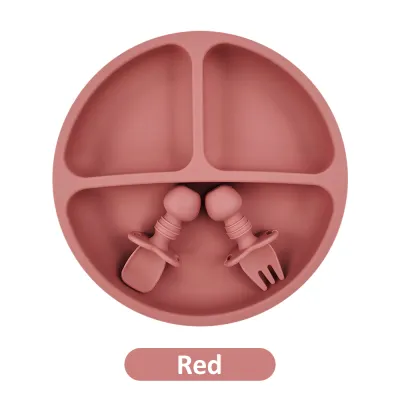
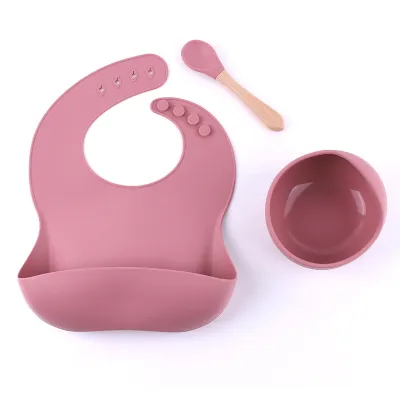
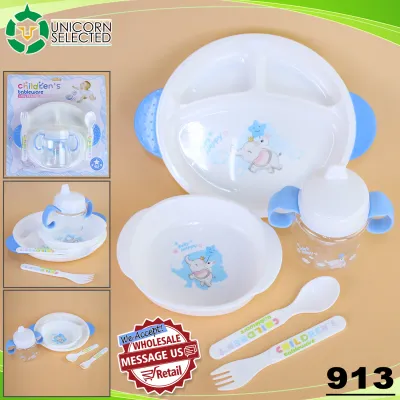
![[Same Day Ship] 3Pcs/Set Baby Dinnerware Anti-hot Wheat Training Plate Baby Feeding Bowl Set Tableware Plates with Spoon and Fork](https://img.lazcdn.com/g/p/ffad040f903247da887e501c5e884882.jpg_400x400q80.jpg_.webp)
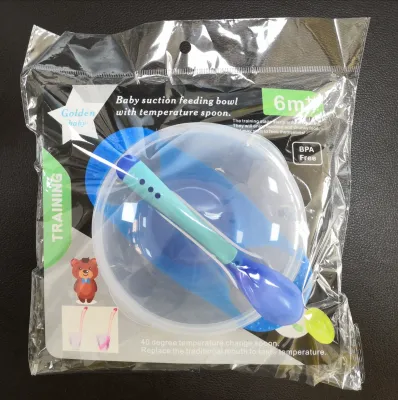
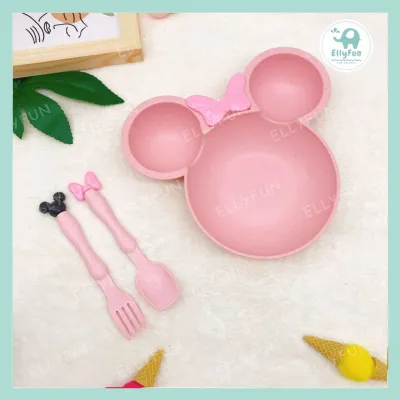
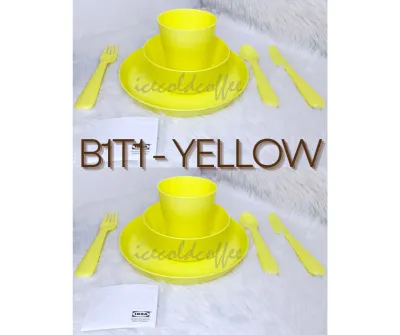
Prices are valid at publication and may change. Please refer to the product page for the latest price.
Material Safety: How to Verify Food-Grade Standards for First Foods
At six months of age, babies explore their physical world primarily through their mouths. When you place a plate of food in front of them, they will not only touch the food but will also grasp, pull, and chew on the edges of the plate itself. Because of this normal developmental behavior, verifying the material safety of your baby plate set for 6 months is the single most important step in your selection process.

Food-grade silicone is one of the most popular materials for infant tableware due to its flexibility, durability, and resistance to breaking when dropped. When evaluating silicone plates, look for products certified as 100% food-grade silicone. High-quality silicone does not leach chemicals into food, even when heated, and is naturally resistant to bacteria. Another excellent, highly durable option is high-quality stainless steel, which is completely non-porous and exceptionally long-lasting, though it lacks the soft, chewable texture of silicone.
It is vital to look past generic marketing buzzwords such as “eco-friendly,” “all-natural,” or “non-toxic,” which are often used loosely without regulatory backing. Instead, actively scrutinize the product labels and manufacturer specifications for actual material certifications. Avoid cheap plastics that do not explicitly state they are free from Bisphenol A (BPA), Bisphenol S (BPS), and phthalates. You should also exercise caution with melamine tableware, which can release harmful substances if exposed to high heat or acidic foods. Additionally, be careful with certain bamboo-blend plates; while pure bamboo is safe, many commercial “bamboo fiber” plates are held together by synthetic melamine resins or formaldehyde-based glues that can degrade over time.
To ensure the highest safety standards, always inspect the manufacturer’s care instructions and compliance labels on the packaging. Safe, high-quality products will clearly state their material composition and list any safety standards they meet. If a brand does not provide transparent information about its manufacturing materials, it is best to choose a different option for your child’s safety.
Suction Bases and Stability: Preventing the "Flying Plate"
One of the most common challenges parents face when introducing solids is the tendency for babies to grab their plates and toss them onto the floor. At six months, infants are developing their palmar grasp and testing their physical strength. Without a secure anchoring system, your baby’s mealtime will quickly turn into a cleanup struggle. This is why a reliable suction base is a critical feature for any early feeding setup.
The mechanics of suction rely on creating a vacuum seal between the bottom of the plate and the surface beneath it. This system works exceptionally well on completely smooth, non-porous surfaces, such as polished plastic highchair trays, glass tables, or smooth laminate surfaces. However, suction bases often fail on textured, matte, or heavily scratched highchair trays, as the microscopic gaps allow air to enter and break the vacuum seal.
Before you place food on the plate, it is highly recommended to perform a simple at-home suction test, often called the “pull test.” Press the clean, dry suction plate firmly down onto your highchair tray, then attempt to lift it straight up or pull it from the sides. If the plate releases easily, the surface may be too textured. To improve the seal on slightly uneven surfaces, you can apply a tiny drop of water to the bottom of the suction cup before pressing it down, though a truly textured tray may require a different approach.
Regardless of how strong a plate’s suction base claims to be, it is important to remember that no product replaces active caregiver supervision. A suction plate is a tool to minimize mess, not a safety device. Always ensure your baby is properly buckled into their highchair harness, and never leave them unattended during a meal, as quick intervention is essential if they experience gagging or choking.
Divided Sections vs. Open Plates: What Suits the 6-Month Stage?
When shopping for a baby plate set for 6 months, you will encounter two main designs: open plates (or single bowls) and divided plates with multiple compartments. Deciding which style is best depends on understanding your baby’s developmental capabilities and feeding patterns at this specific age.
At six months, a baby’s solid food intake is minimal and highly experimental. Their meals typically consist of single-ingredient purees, soft mashes, or simple, soft-cooked finger foods like steamed vegetable spears. Because they are just beginning to explore tastes and textures, they do not require a complex variety of foods served simultaneously.
Divided plates are highly popular because they allow parents to keep different foods separate, which can be helpful later on when toddlers develop a preference for distinct, unmixed items. However, at the six-month stage, divided sections are rarely necessary and can sometimes hinder feeding. Babies at this age often prefer to mix their foods together as part of their sensory exploration. Furthermore, small, narrow compartments can make it difficult for a baby using their hands, or a parent using a spoon, to access the food easily.
Instead of focusing on aesthetic compartments, prioritize the overall depth and wall design of the plate. Look for a plate or bowl with deep, vertical, or slightly curved inner walls. These raised edges provide a physical barrier that helps guide food onto the spoon or into your baby’s fingers. A shallow, flat plate makes scooping purees incredibly difficult, often resulting in food being pushed over the edge of the plate and onto the highchair tray.
For a beginner starting solids, a simple, open suction bowl or a single-compartment plate with generous depth is highly recommended. It provides ample space for mashing and scooping, making the learning process much smoother and less frustrating for both you and your baby.
Daily Usability: Cleaning, Heating, and Care in Humid Climates
Practical daily maintenance is a crucial factor when choosing baby tableware. In tropical and highly humid climates, managing kitchen hygiene requires extra attention, as moisture can easily become trapped in silicone crevices, leading to the growth of mold, mildew, or persistent odors.
Before heating food or washing your baby’s plate, always verify the manufacturer’s care instructions regarding dishwasher and microwave safety. While high-grade silicone is generally heat-resistant and safe for both appliances, some plates feature wooden, bamboo, or metal components that must be hand-washed and kept out of the microwave to prevent cracking, rusting, or warping.
Silicone is a highly durable material, but it is slightly porous, meaning it can absorb food oils, strong odors, and dish soap fragrances over time. To maintain hygiene, wash the plate immediately after use with a mild, fragrance-free dish soap. Avoid using abrasive scrubbing pads, steel wool, or harsh chemical cleaners, as these can create microscopic scratches on plastic and silicone surfaces. These tiny scratches can trap food particles and bacteria, making the plate much harder to sanitize in the future.
Proper drying is the most critical step in maintaining baby tableware in a humid environment. After washing, shake off any excess water and place the plate on a well-ventilated drying rack, ensuring the suction base is facing upward so moisture cannot pool inside the suction cavity. Avoid stacking wet silicone plates together, as trapped moisture can quickly cause a musty odor or black mold spots to develop. If your kitchen is particularly humid, consider drying the plates under a fan or wiping them completely dry with a clean, lint-free cloth before storing them in a closed, dry cabinet.
Diagnosing Your Current Setup: Signs It Is Time to Change the Plate
If you have already started your solid food journey and find that meal times are consistently chaotic or stressful, your current feeding gear may not be a good fit for your baby’s developmental stage. Taking the time to diagnose your current setup can help you determine whether you need to adjust your approach or replace your equipment.
Look for clear, observable signs that your current plate is failing to meet your needs. If your baby is constantly tipping the plate over, if they are struggling to scoop up purees because the plate walls are too shallow, or if the plate slides around the tray despite having a suction base, these are clear indicators that a change is needed.
Depending on your diagnosis, you can choose one of three paths forward:
- Adjust: If the suction base is failing due to a textured highchair tray, try placing a smooth, flat placemat over the tray first, or move the highchair directly to the family dining table if the table surface is smoother.
- Maintain: If the plate functions well but has developed a soapy taste or a white film, adjust your cleaning routine. You can boil the silicone plate in clean water for a few minutes to strip away soap residue, and switch to a fragrance-free, plant-based dish soap.
- Replace: If the plate is fundamentally incompatible—such as a lightweight plastic plate that easily flips, or a plate with compartments that are too deep and narrow for your baby's small hands—it is time to upgrade to a high-quality, wide-base silicone suction bowl.
Before buying new gear, take a moment to assess your baby’s overall seating posture and developmental readiness. Sometimes, the issue is not the plate itself, but a highchair that does not offer proper foot support, causing the baby to fidget and knock things over. Ensuring proper ergonomics can make a significant difference in how they interact with their food.
Frequently Asked Questions (FAQ)
Can I use a regular small bowl instead of a specialized baby plate?
Yes, you can use a regular household bowl, but there are several safety and practical trade-offs to keep in mind. Standard ceramic, glass, or porcelain bowls are breakable and pose a significant safety risk if dropped or thrown by an active six-month-old. They also lack suction bases, making them highly prone to tipping over. If you choose to use regular kitchenware, opt for a heavy, wide-bottomed, unbreakable stainless steel bowl, and ensure you maintain full control of the bowl during the feeding session to prevent accidents.
Do I need to buy a complete feeding set or just one plate?
It is highly recommended to start by purchasing just one or two high-quality, versatile pieces rather than investing in a large, expensive multi-piece set. At six months, your baby’s feeding needs are very simple, and they only require a basic suction bowl or a single-compartment plate. Their feeding skills and dietary needs will change rapidly over the next few months. By starting small, you avoid unnecessary clutter and can purchase specialized items, such as snack cups or divided plates, only when your baby is developmentally ready for them.
Community discussion
Share your experience or ask a question. Comments are reviewed before publication.