
Selecting the right baby bottles storage box is essential for keeping your infant’s milk safe, organized, and ready to serve during outings. In the tropical climate of the Philippines, high temperatures and humidity make proper milk storage a daily priority. The ideal storage solution depends entirely on your destination: quick mall trips require compact accessibility, long family travels demand robust insulation, and clinic visits call for strict hygiene barriers.
How to Match Storage Needs to Your Outing
Before choosing a storage box, evaluate the duration of your trip and the total volume of milk your baby will need. A brief afternoon errand requires minimal gear, whereas an all-day trip or a provincial journey demands a high-capacity setup that can hold multiple bottles, ice packs, and clean accessories.
Temperature control is another critical factor. In warm tropical environments, breast milk and prepared formula spoil quickly if left at room temperature. You must decide whether you need an insulated thermal box to maintain cold temperatures or a simple, non-insulated organizer to keep dry bottles and pre-measured formula powder clean.
Products mentioned in this guide
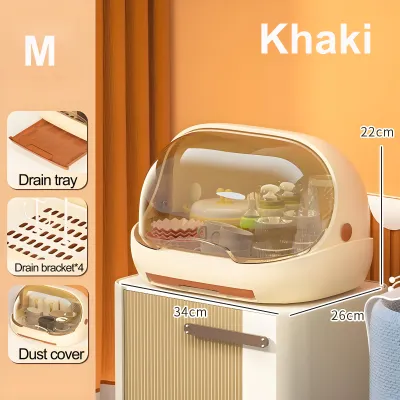
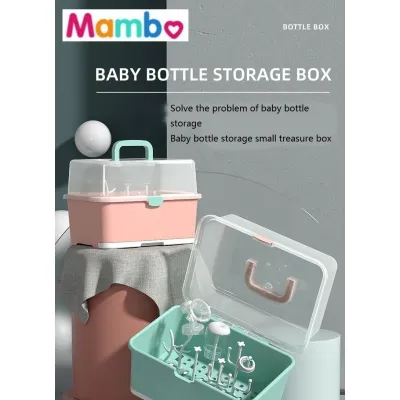
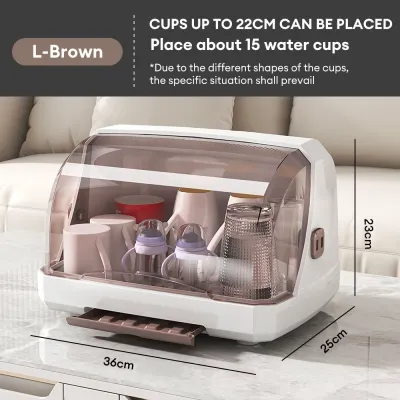
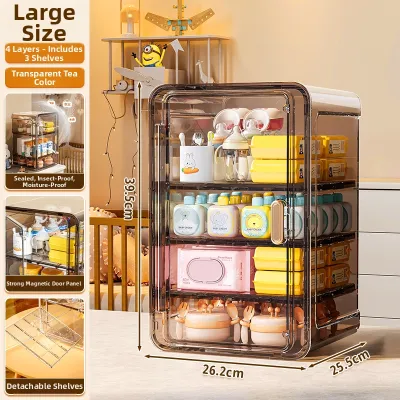
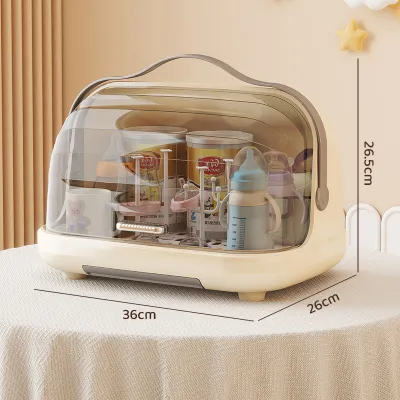
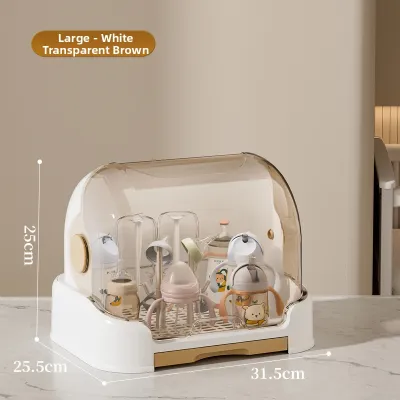
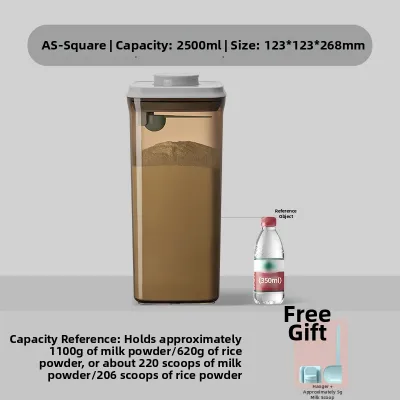
Prices are valid at publication and may change. Please refer to the product page for the latest price.
Finally, consider your transit method and portability limits. If you frequently travel via public transportation or compact strollers, a bulky, rigid box may be difficult to carry. For private vehicles or strollers with large under-seat baskets, a structured, upright box prevents tipping and accidental leaks.
Best Features for Mall Visits and Short Errands
Malls in the Philippines offer comfortable air conditioning, but the journey there often involves exposure to outdoor heat. For short errands, look for a baby bottles storage box with a compact footprint that slides easily into a standard diaper backpack or fits neatly inside a stroller basket.

Quick-access designs are invaluable when your baby becomes hungry in a busy public space. Features like magnetic flaps, smooth dual zippers, or top-loading lids allow you to retrieve a bottle quickly with one hand while holding your baby with the other.
To protect your other belongings, prioritize leak-proof seals and waterproof interior linings. Condensation from cold bottles or minor drips from a used nipple can quickly soak your diaper bag, so a box with sealed seams is essential for containing moisture.
Essential Storage Specs for Long Travel and Vacations
Long road trips or flights require a storage box with a high-capacity layout. Look for models with customizable interior grids or removable dividers that allow you to organize multiple bottles, breast pump parts, and baby food jars securely.
Because tropical heat accelerates bacterial growth, high-performance insulation is non-negotiable for extended travel. Verify the manufacturer’s specifications regarding thermal linings and pair the box with contoured gel ice packs placed directly against the bottles to maintain a safe, cold environment.
Travel can be rough on baby gear, so choose a box with structural rigidity and durable outer materials. A hard-shell or reinforced fabric exterior protects delicate glass or plastic bottles from cracking under the weight of other luggage in your trunk or overhead bin.
Hygiene and Convenience for Clinic Appointments
Pediatrician clinics and hospital waiting rooms are high-traffic environments where maintaining cleanliness is a priority. A storage box with a wipeable, non-porous interior lining allows you to quickly sanitize the surfaces with baby-safe disinfectant wipes if the box touches clinic furniture.
To prevent cross-contamination, select a box with separate compartments. Keeping sterile, ready-to-use bottles isolated from dirty nipples, used pacifiers, or soiled bibs ensures that your baby’s feeding equipment remains clean until the moment of use.
Waiting rooms can be quiet, stressful spaces for anxious infants and parents. Avoid storage boxes with loud hook-and-loop fasteners that might startle a sleeping baby; instead, opt for quiet zippers or silent magnetic closures to keep your preparations discreet.
Cross-Scenario Compatibility and Safety Checks
Before purchasing any storage box, verify its material safety by checking the product labels for food-grade certifications. Ensure the materials are completely free from BPA, phthalates, and lead, and consult the manufacturer’s official documentation to confirm these safety standards.
If you prefer a single, versatile solution rather than multiple bags, evaluate multi-functional designs. Look for convertible straps that let you switch between backpack and shoulder-bag modes, as well as removable insulated inserts that adapt the box for different trip lengths.
Regularly inspect your storage box for signs of wear and know when to stop using it. If you notice torn linings, cracked plastic walls, lingering sour odors that persist after washing, or broken zippers that compromise the thermal seal, replace the box immediately to protect your baby’s health.
Frequently Asked Questions (FAQ)
How do I keep bottles cold without a dedicated cooler bag?
If you do not have an insulated cooler bag, you can use a standard plastic baby bottles storage box lined with clean, dry hand towels and packed tightly with reusable gel ice packs. Ensure the ice packs do not directly touch breast milk bags unless specified by the manufacturer, as extreme cold can sometimes damage thin plastic storage bags. Keep the box out of direct sunlight, store it in the coolest part of your vehicle, and limit the number of times you open it during transit.
Can I store prepared formula and breast milk in the same box?
Yes, you can store them in the same box, but you must adhere to the strictest temperature control requirements of the two liquids. Breast milk and prepared formula both require cold storage to prevent bacterial growth, especially in warm climates. Use separate, clearly labeled, and tightly sealed containers to prevent any cross-contamination, and ensure your ice packs are evenly distributed to keep the entire interior consistently chilled.
Community discussion
Share your experience or ask a question. Comments are reviewed before publication.