
Infant skin is structurally different from adult skin. It is thinner, more delicate, and has an underdeveloped epidermal barrier, making it highly susceptible to moisture loss, environmental irritants, and friction. In tropical environments like the Philippines, parents face unique challenges. The constant heat and humidity can trigger sweat rash and chafing, while spending time in air-conditioned rooms can rapidly dry out a baby’s skin. To keep your baby’s skin healthy, it is crucial to select products that support the natural skin barrier without causing irritation. The Aveeno for baby product range offers targeted solutions for daily cleansing, deep hydration, and sun defense, but choosing the right one requires matching specific formulations to your baby’s unique skin needs.
Identifying Your Baby's Core Skincare Needs
Developing a safe skincare routine starts with understanding that a baby’s skin is highly permeable. Because the outer layer of the skin is still developing, it absorbs topical substances more easily than adult skin does. This high permeability means that harsh chemicals, strong synthetic fragrances, and unnecessary additives can easily penetrate the skin barrier, leading to redness, dryness, or allergic contact dermatitis.
To protect this fragile barrier, parents should take a scenario-based approach to product selection. A single product rarely fulfills all skincare needs safely and effectively. Cleansing requires mild, non-stripping surfactants; hydration demands moisture-binding emollients; and outdoor protection requires safe, physical mineral barriers. By identifying whether your baby needs daily maintenance, targeted therapeutic care for dry patches, or defense against tropical UV rays, you can select the precise formulation designed for their developmental stage.
Products mentioned in this guide
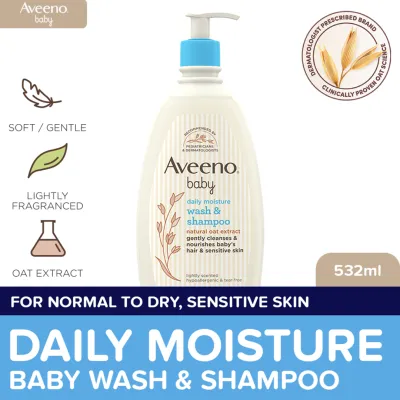
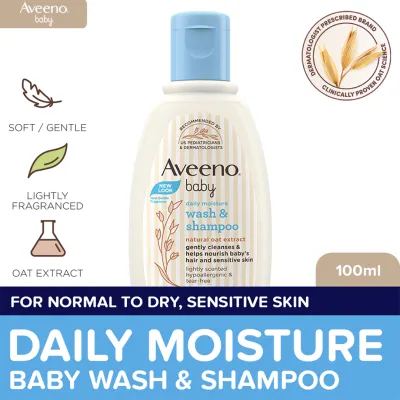
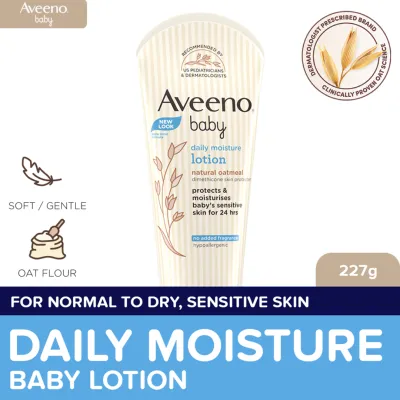
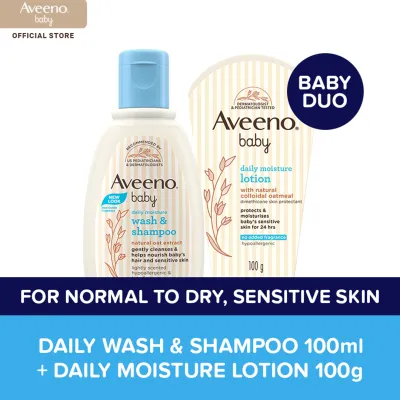
Prices are valid at publication and may change. Please refer to the product page for the latest price.
Bath Time: Cleansing and Calming Options
Bathing is a fundamental part of a baby’s daily routine, especially in warm climates where sweat, excess sebum, and outdoor dust accumulate quickly. However, frequent bathing can strip the skin of its natural lipids, leading to dryness and irritation. To prevent this, parents must choose gentle, soap-free cleansers that wash away impurities while preserving the skin’s natural moisture barrier.

Everyday Wash and Shampoo
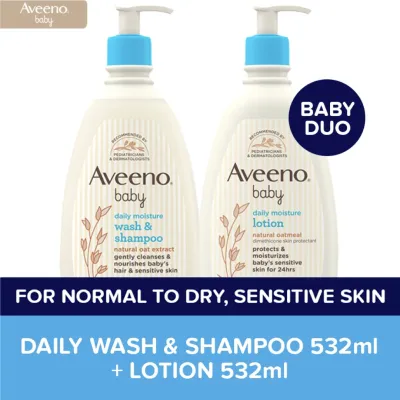
For daily cleansing, a mild, dual-purpose formula like the Aveeno Baby Wash & Shampoo is designed to clean both the hair and the skin without causing dryness. When selecting an everyday wash, always check the product packaging to verify that it is soap-free, tear-free, and dermatologist-tested. Soap-free cleansers are highly recommended for infants because they use gentle surfactants that lift away dirt without disrupting the skin’s natural acidic pH.
To use this product safely, pour a small amount onto a wet washcloth or directly into lukewarm bathwater. Gently massage the lather onto your baby’s scalp and body, taking care to clean skin folds where sweat and moisture tend to collect. Rinse thoroughly with clean, lukewarm water to ensure no residue is left behind. Always monitor your baby during bath time and ensure the water temperature is comfortable to avoid drying out their skin.
Calming Comfort Bath for Bedtime
Establishing a consistent bedtime routine is essential for helping babies transition from active daytime hours to restful sleep. The Aveeno Baby Calming Comfort Bath is designed specifically to support this evening wind-down. This formulation incorporates the soothing scents of lavender and vanilla, which are traditionally used to help promote relaxation.
While these gentle scents can help calm a fussy baby, parents must exercise caution. Always check the ingredient list on the bottle to ensure your baby does not have a sensitivity to added fragrances. If your baby has a history of respiratory issues, asthma, or highly reactive skin, consult your pediatrician before introducing scented bath products. Remember that a calming bath is intended to soothe your baby and prepare them for sleep; it should always be followed by a suitable moisturizer to lock in hydration before bedtime.
Moisturizing: Daily Hydration vs. Eczema Care
Moisturizing is a vital step in infant skincare, regardless of the weather. While the humid climate in the Philippines might make some parents think moisturizer is unnecessary, environmental factors like air conditioning, wind, and frequent bathing can quickly deplete the skin’s moisture levels. The key is choosing the right texture and formulation for your baby’s current skin condition.
Daily Moisture Lotion for Normal Skin
For babies with normal skin, a lightweight, fast-absorbing moisturizer is ideal for daily maintenance. The Aveeno Baby Daily Moisture Lotion is formulated to provide long-lasting hydration without leaving a heavy, greasy residue on the skin. This is particularly beneficial in warm, humid climates where thick creams can feel uncomfortable or trap sweat.
A key ingredient in this lotion is colloidal oatmeal, which is finely ground oats that form a protective barrier on the skin, locking in moisture and soothing minor irritations. When purchasing, verify the presence of colloidal oatmeal on the product label. For the best results, apply the lotion to your baby’s skin within three minutes of patting them dry after a bath. Applying moisturizer to slightly damp skin helps seal in the water absorbed during bathing, keeping the skin soft and hydrated throughout the day.
Eczema Therapy Cream for Dry, Itchy Patches
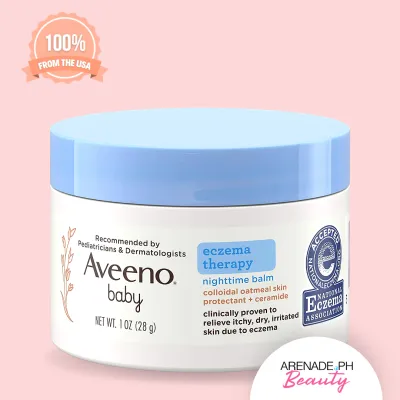
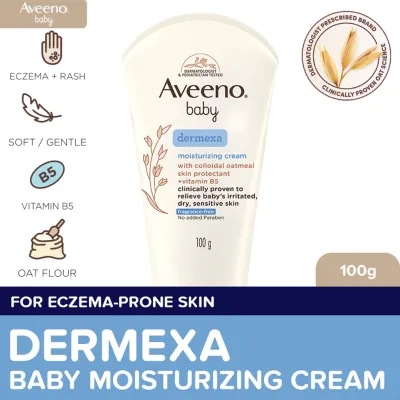
When a baby’s skin barrier becomes compromised, they may develop dry, itchy, or red patches, which are common signs of eczema. In these situations, a standard daily lotion may not provide enough protection. The Aveeno Baby Eczema Therapy Moisturizing Cream is a thicker, more concentrated formulation designed specifically to soothe irritated skin and help restore the skin barrier.
Unlike daily lotions, eczema therapy creams typically contain a higher concentration of colloidal oatmeal along with ceramides. Ceramides are essential lipids naturally found in the skin that help hold skin cells together, forming a protective seal against moisture loss and external irritants. Apply this cream directly to the dry, rough, or itchy patches as needed.
However, parents must recognize the limits of over-the-counter treatments. If your baby’s skin is weeping, bleeding, cracked, or showing signs of infection such as pus or extreme warmth, do not rely solely on moisturizing creams. Stop use and consult a pediatrician or pediatric dermatologist immediately to obtain a proper diagnosis and treatment plan.
Sun Protection: Safe UV Defense for Delicate Skin
Living in or visiting a tropical country like the Philippines exposes your baby to intense ultraviolet (UV) radiation year-round. Because infant skin is thin and has lower levels of melanin, it is highly vulnerable to sunburn and long-term UV damage. Protecting your baby from the sun requires a careful, safety-first approach to sunscreens and outdoor exposure.
When choosing a sunscreen for your baby, prioritize mineral-based (physical) formulations over chemical ones. Look for products like Aveeno Baby Continuous Protection Sensitive Skin Sunscreen, which uses active ingredients like zinc oxide or titanium dioxide. These mineral ingredients sit on top of the skin’s surface and physically deflect harmful UVA and UVB rays, rather than absorbing into the skin like chemical filters do. This significantly reduces the risk of skin irritation and allergic reactions.
Before applying any sunscreen, always check the product label for the minimum age requirement. Most pediatricians and manufacturers advise against applying sunscreen to infants under six months of age. If your baby is younger than six months, consult your doctor before use. For older babies, look for a sunscreen that offers broad-spectrum protection, has an SPF rating of 30 or higher, and specifies its water-resistance duration (usually 40 or 80 minutes).
Remember that sunscreen should always be your last line of defense. The primary strategy for protecting your baby from UV damage is to keep them out of direct sunlight, especially during peak hours between 10:00 AM and 4:00 PM. Use physical barriers such as stroller canopies, umbrellas, lightweight and tightly woven long-sleeved clothing, and wide-brimmed hats. When you do use sunscreen, apply it generously to all exposed areas 15 to 30 minutes before going outside, and reapply it at least every two hours, or immediately after swimming or excessive sweating.
Building a Complete Aveeno Baby Skincare Routine
Creating a safe and effective skincare routine for your baby involves layering products in a logical sequence to maximize their benefits while minimizing the risk of skin irritation. A standard daily routine should start with a gentle cleanse during bath time using a soap-free wash. Immediately after patting the skin dry, apply a daily moisturizer to lock in hydration. If you plan to take your baby outdoors, finish the routine by applying a mineral sunscreen to exposed areas, keeping in mind the age restrictions and sun safety guidelines.
Before introducing any new Aveeno for baby product to your child’s routine, always perform a patch test to check for potential sensitivities. Apply a small, dime-sized amount of the product to a clean, discreet area of the baby’s skin, such as the inner forearm or behind the ear. Leave it on for 24 hours and monitor the area closely. If you observe any signs of irritation, such as redness, swelling, small bumps, or if your baby shows signs of discomfort or fussiness, wash the product off immediately with cool water. Discontinue use of the product and seek professional medical advice if the reaction persists or worsens.
Frequently Asked Questions (FAQ)
Can I use Aveeno Baby Daily Moisture Lotion on my newborn's face?
Always check the specific product label for facial application guidelines. While many gentle daily lotions are formulated to be safe for both the body and the face, a newborn’s facial skin is exceptionally thin and sensitive. If your newborn has dry facial skin, it is best to consult your pediatrician for an approved, ultra-mild facial moisturizer or a simplified routine tailored to their developmental stage.
How do I know if my baby is allergic to Aveeno Baby products?
You can identify a potential allergy or sensitivity by performing a controlled patch test. Apply a small amount of the product to your baby’s inner arm or behind the ear and observe the skin for 24 hours. Signs of an allergic reaction or sensitivity include localized redness, hives, swelling, dry patches, or increased fussiness. If you observe any of these signs, discontinue use immediately and consult a healthcare professional.
Do I need to wash off Aveeno Baby Sunscreen at the end of the day?
Yes, mineral sunscreens containing zinc oxide or titanium dioxide form a physical barrier that clings to the skin. To prevent clogged pores, sweat retention, and subsequent heat rash, gently wash off the sunscreen during your baby’s evening bath using a mild, soap-free cleanser. Follow up with a lightweight daily moisturizer to restore hydration and soothe the skin after outdoor exposure.

Community discussion
Share your experience or ask a question. Comments are reviewed before publication.