
When packing your hospital bag, deciding on the right water bottle size might seem like a minor detail, but it plays a crucial role in your overall comfort during labor and postpartum recovery. For most expectant mothers, a 22 oz (approximately 650 mL) or 32 oz (approximately 950 mL) Aquaflask is the ideal choice. The 22 oz model is highly portable, fitting effortlessly into packed bags and side pockets, while the larger 32 oz version minimizes the need for frequent refills when your mobility is limited. Balancing your physical recovery, hydration goals, and bag space will guide you to the perfect fit.
Why Hydration Matters During Your Hospital Stay
Labor is physically demanding, often compared to running a marathon. During contractions and active labor, your body expends an immense amount of energy and loses fluids through sweat and rapid breathing. Maintaining your stamina requires consistent, easy access to water, making a reliable drink container a vital tool in the delivery room.
Once your baby arrives, your hydration needs change but do not decrease. Postpartum recovery involves significant hormonal shifts, and your body naturally works to shed excess pregnancy fluids, often resulting in heavy postpartum sweating. If you plan to breastfeed, your fluid requirements will rise even further, as breast milk is largely composed of water, and staying hydrated directly supports early lactation.
Products mentioned in this guide
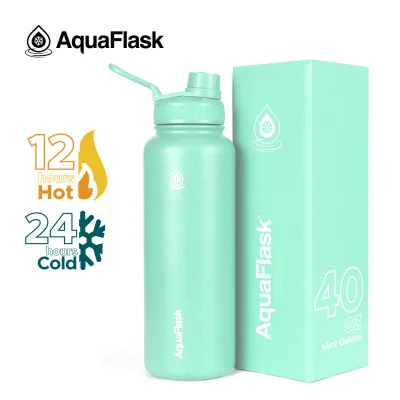
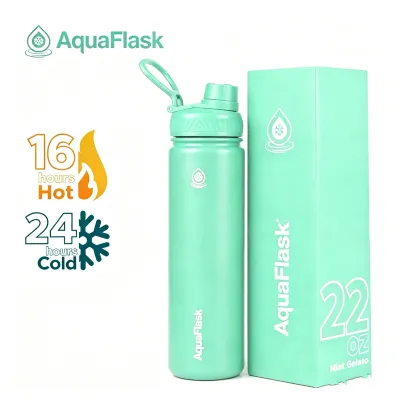
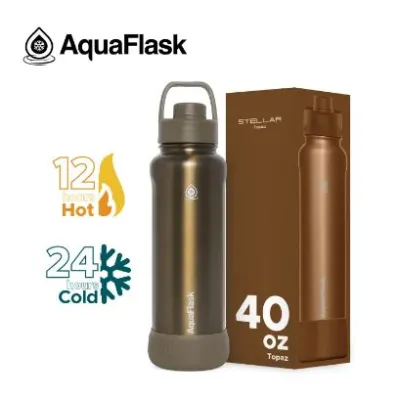
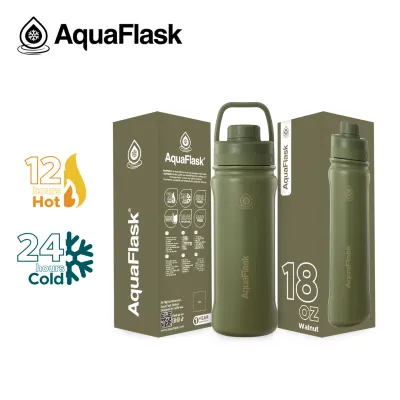
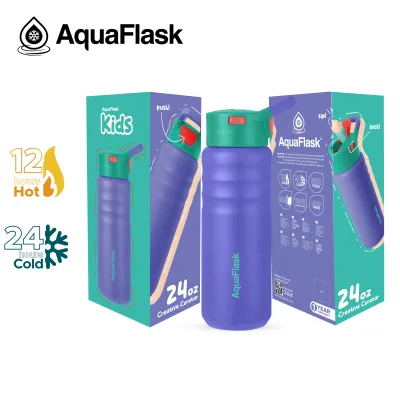
Prices are valid at publication and may change. Please refer to the product page for the latest price.
Relying on standard hospital cups can be frustrating. These cups are often small, lack lids, and spill easily if knocked over on a crowded bedside table. Furthermore, hospital water pitchers rarely keep drinks cold or warm for long, and relying on busy nursing staff or your birth partner for constant refills can disrupt your rest.
An insulated Aquaflask serves as a practical tool for comfort and recovery rather than just an accessory. It keeps your water at your preferred temperature for hours. Whether you crave ice-cold water to cope with tropical humidity or prefer warm water to soothe your body post-delivery, an insulated bottle ensures your beverage remains exactly how you want it.
Key Factors for Choosing Your Aquaflask Size
Length of Stay
Your anticipated time in the hospital is a primary factor in choosing a bottle size. A standard, uncomplicated vaginal delivery typically requires a stay of 1 to 2 days, meaning you will have fewer total hours to manage your fluid supply. Conversely, a Caesarean section (C-section) or a monitored delivery usually extends your stay to 3 to 5 days, requiring a more robust hydration plan.

Hydration Goals
Postpartum mothers require consistent fluid intake to assist with healing and to support milk production. While general guidelines suggest drinking when thirsty, nursing mothers often find themselves needing significantly more water than usual. Consulting your obstetrician or a lactation specialist can help you establish a personalized daily hydration target tailored to your recovery.
Bag Space and Weight Constraints
Hospital bags fill up quickly with newborn layettes, diapers, receiving blankets, maternity pads, and personal toiletries. A larger Aquaflask takes up substantial physical space in your bag and adds significant weight when filled. If you or your partner will be carrying multiple heavy bags into the hospital, a massive, heavy bottle can become a physical burden.
Refill Frequency
Postpartum mobility can be highly restricted, especially during the first 24 hours following an epidural or major abdominal surgery like a C-section. Getting out of bed to refill a small bottle at the ward water station can be painful and exhausting. While a larger bottle reduces these trips, a smaller bottle is easier for a recovering mother to lift and hold comfortably.
Matching Aquaflask Sizes to Your Hospital Needs
Aquaflask offers several capacities designed to suit different lifestyles and needs. When selecting your bottle, always verify the exact fluid ounce (oz) or milliliter (mL) specifications on the manufacturer’s product label to ensure it matches your expectations. The right choice depends on balancing portability with your personal hydration habits.
Compact Sizes (Under 20 oz) for Short Stays and Minimalists
Compact options, such as the 14 oz or 18 oz sizes, are excellent for light packers who want to keep their hospital bags as streamlined as possible. These smaller bottles take up minimal space and can easily slide into the main compartment of a small duffel bag or backpack.
- Benefits: These sizes are incredibly lightweight and easy to hold with one hand, which is highly convenient when you are managing contractions, holding your newborn, or resting in a narrow hospital bed.
- Drawbacks: The primary disadvantage is the low capacity, which requires frequent refills. If you are nursing or recovering from a long labor, you may find yourself emptying the bottle in a single sitting.
- Best Suited For: Short observation stays, mothers who prefer sipping small amounts of water constantly, or as a secondary backup bottle dedicated specifically to warm herbal teas or lactation drinks.
Mid-Range Sizes (20 oz to 30 oz) for Standard Stays
The 22 oz Aquaflask represents the sweet spot for the majority of expectant mothers. It provides a practical compromise, holding enough water to keep you satisfied through a long nap while remaining compact enough to pack without hassle.
- Benefits: This size strikes an ideal balance between capacity and portability. It fits comfortably in the side pockets of most standard backpacks and diaper bags, making it easy to grab on the go. It is also light enough to lift easily even when you are feeling physically fatigued.
- Drawbacks: While more convenient than a compact bottle, a mid-range size will still require three to four refills a day to meet high postpartum hydration goals.
- Best Suited For: Standard 2-to-3-day hospital stays, active hydration during recovery, and mothers who want a highly versatile bottle that transitions seamlessly into a diaper bag later.
Large Sizes (Over 30 oz) for Extended Stays and High Hydration Needs
For mothers facing longer hospital stays or those who want to minimize daily chores, large sizes like the 32 oz or 40 oz models are excellent choices. These bottles act as personal water reservoirs right at your bedside.
- Benefits: A larger capacity drastically reduces the need to get up for refills. This is a massive advantage during C-section recoveries when walking is difficult, or during long nighttime breastfeeding sessions when you cannot easily leave your baby.
- Drawbacks: These bottles are bulky to pack and can be very heavy when filled to capacity. A full 40 oz bottle can weigh over a kilogram, making it difficult to lift with one hand while nursing.
- Best Suited For: Extended hospital recoveries, dedicated bedside use, and mothers who find it easier to meet their hydration goals when a large volume of water is readily visible.
Practical Features to Look for Beyond Size
Lid Types
Choosing the right lid is just as important as choosing the right size. A straw lid or a spout lid is highly recommended for hospital stays because they allow you to drink while lying down or reclining in bed. Wide-mouth lids require you to tilt your head back and lift the bottle high, which can lead to spills on your hospital gown or bedsheets.
Leak-Proof Seals
Spills inside your hospital bag can ruin clean baby clothes, swaddles, or important discharge documents. Before packing your bottle, verify the manufacturer’s leak-proof claims and inspect the silicone gasket inside the lid. Ensure the lid is properly aligned and tightened to prevent accidental leaks on your bedside table or bed.
One-Handed Operation
When you are in the hospital, you will rarely have both hands free. You might be holding your baby, managing an IV line, or holding onto a bed rail for support. Look for lids that feature a simple button-release or an easy-flip straw that can be operated comfortably with a single hand.
Ease of Cleaning
Hospital rooms are not typically equipped with bottle brushes, specialized dish soaps, or drying racks. Simple lid designs with fewer crevices are much easier to rinse out with warm water at your bathroom sink. Avoiding complex lid mechanisms during your stay helps maintain basic hygiene with minimal effort.
Transitioning from Hospital to Home
Your Aquaflask is not a single-use purchase for your hospital stay; it is an investment that transitions directly into your daily postpartum life. Once you return home, your daily routine will revolve around feeding, soothing, and caring for your newborn, making convenient hydration just as critical as it was in the maternity ward.
A versatile bottle size will easily fit into your home routine. It can sit on your nightstand for late-night feeding sessions, slot into your stroller’s cup holder during afternoon walks, or ride along in the car for pediatric checkups. Choosing a size and color that you genuinely enjoy using ensures your bottle remains a helpful companion throughout your motherhood journey.
Frequently Asked Questions (FAQ)
Can I bring my own insulated bottle to the delivery room?
Yes, most hospitals encourage patients to bring personal comfort items, including insulated water bottles, to the delivery room. However, hospital policies can vary based on your specific medical condition or delivery plan. It is always best to check with your obstetrician or ask about facility guidelines during your third-trimester prenatal visits to confirm any specific restrictions.
Should I pack a separate Aquaflask for my birth partner?
Packing a separate insulated bottle for your birth partner is highly recommended. Labor can be a long, unpredictable process, and your partner will need to stay hydrated and alert to support you. Having their own bottle ensures they do not have to leave your side to find water, keeping them present and ready to assist you whenever needed.

Community discussion
Share your experience or ask a question. Comments are reviewed before publication.