
Selecting the right anti wet mat for bed, crib, or changing table use is essential for maintaining a hygienic, dry, and comfortable nursery. The ideal choice depends entirely on where you place the mat, as a changing table requires quick-wipe durability while a crib mattress demands strict adherence to safe sleep standards. In warm, humid tropical climates, balancing moisture protection with airflow is critical to keep your baby cool and prevent skin irritation.
To make the right decision, parents must evaluate dimensions, material breathability, and safety certifications for each specific piece of furniture. This guide breaks down how to select, fit, and maintain waterproof protectors across your nursery to ensure a dry sleep environment and hassle-free cleanups.
Understanding Your Nursery's Waterproofing Needs
Protecting nursery furniture from diaper leaks, spit-up, and spills requires a clear understanding of how different waterproof barriers behave. A high-quality protector must block liquids from penetrating the mattress or pad while remaining comfortable for your baby. In humid environments, trapped moisture can quickly lead to mold, mildew, or heat rashes, making material selection a primary comfort factor.
Products mentioned in this guide
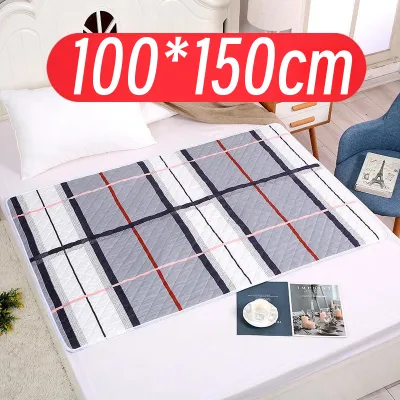
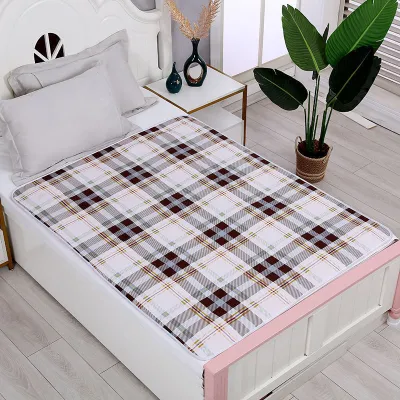
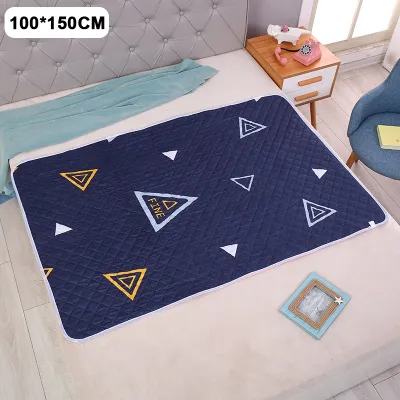
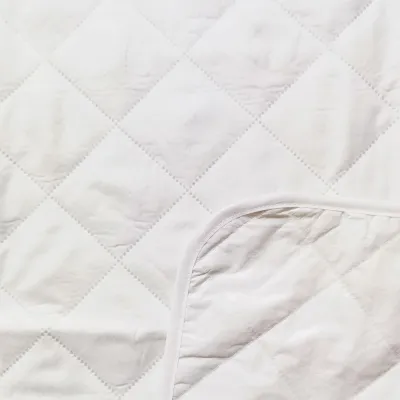
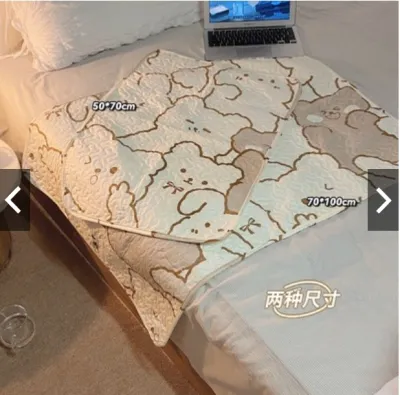
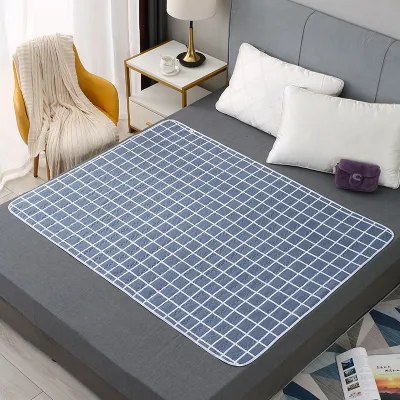
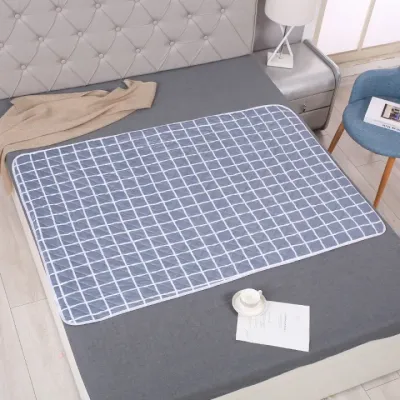
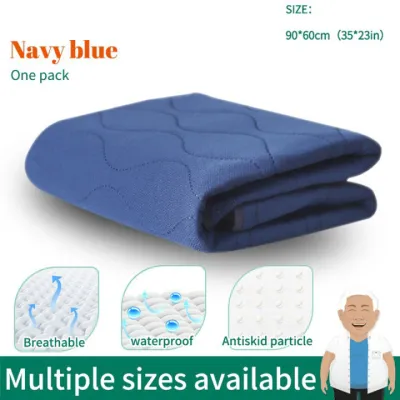
Prices are valid at publication and may change. Please refer to the product page for the latest price.
The challenge lies in balancing a reliable waterproof barrier with adequate breathability. Traditional plastic backings, such as vinyl or PVC, are highly effective at blocking water but tend to trap heat and sweat, creating an uncomfortable sleeping surface. Modern alternatives like Thermoplastic Polyurethane (TPU) offer microscopic pores that allow air to circulate while preventing liquid molecules from passing through.
Noise is another critical factor that directly impacts your baby’s sleep quality. Crinkly, stiff backing materials make loud rustling noises every time your baby shifts, which can easily wake a light sleeper. Opting for soft, laminated fabrics or knit cotton tops bonded with a quiet waterproof membrane helps maintain a peaceful nursery environment.
Before purchasing any protective layer, always check the product labels for material composition and safety standards. Look for certifications that verify the absence of harmful chemicals, heavy metals, and phthalates, especially since your baby’s skin will be in close proximity to these surfaces. Ensuring the materials are hypoallergenic and free from harsh chemical odors is essential for a safe nursery.
Choosing a Mat for the Changing Table
The changing table is the front line of nursery messes, requiring a waterproof mat designed for rapid, frequent cleanups. Unlike sleep surfaces where breathability is the main concern, a changing table mat must prioritize liquid containment and ease of sanitization. The right mat keeps the underlying changing pad clean while providing a stable, secure surface for your baby during diaper changes.

Accurate measurement is your first step when selecting a changing mat. Measure the length, width, and depth of your changing pad or table topper precisely to ensure the mat fits flat without any overhang. An oversized mat that bunches up or hangs over the edge can easily slip, creating an unstable surface that compromises your baby’s safety.
When comparing materials, you will generally choose between wipeable synthetic surfaces and machine-washable fabric tops. Wipeable mats made from food-grade silicone, polyurethane (PU), or ethylene-vinyl acetate (EVA) allow you to sanitize the surface instantly with a gentle baby wipe. Machine-washable fabric mats, often featuring a soft cotton quilted top and a waterproof backing, offer a warmer feel against your baby’s skin but require regular laundering.
Stability is paramount during diaper changes, as babies naturally wiggle and kick. Look for changing mats equipped with non-slip rubberized backings, textured silicone grips, or integrated safety straps that secure directly to the changing table frame. These features prevent the mat from sliding around, allowing you to focus entirely on keeping your baby safe and clean.
Selecting a Waterproof Protector for the Crib
When it comes to the crib, safety is the absolute priority, and any waterproof protector must align perfectly with safe sleep guidelines. Infants spend up to 16 hours a day sleeping, meaning their crib mattress protector must be exceptionally secure, breathable, and free from hazards. A poorly fitting or non-breathable cover can pose serious risks to an infant’s health and sleep quality.
A safe crib mattress protector must fit tightly and snugly around the mattress, leaving no loose fabric, wrinkles, or air pockets. Loose bedding is a known suffocation hazard for infants who are not yet able to roll over or clear their airways. Choose fitted-sheet style protectors with strong, elasticized edges that wrap completely under the mattress to keep the surface taut.
Because babies cannot regulate their body temperature as efficiently as adults, a breathable mattress protector is vital, especially in warm climates. Look for lightweight, moisture-wicking top layers made from organic cotton, bamboo, or tencel. These natural fibers draw sweat away from the baby’s skin, while a quiet, micro-porous TPU backing prevents liquid from soaking into the mattress without trapping body heat.
Always review the manufacturer’s age recommendations and safety warnings before installing a protector in a crib. Avoid thick, heavily padded, or quilted mattress toppers for infants under one year old, as plush surfaces can increase the risk of suffocation. Keep the sleep surface firm, flat, and securely covered with only a tight-fitting waterproof protector and a fitted crib sheet.
Transitioning to a Toddler Bed: Upgrading Your Anti-Wet Mat
Transitioning from a crib to a toddler bed marks a major milestone that usually coincides with potty training. During this phase, nighttime accidents are common, and your waterproofing strategy must adapt to a larger mattress and a much more active sleeper. Upgrading to a dedicated anti wet mat for bed use ensures your toddler’s mattress remains protected through this developmental transition.
Ensure the new waterproof protector matches the exact dimensions of your toddler bed mattress, whether it is a standard crib size or a single bed. A proper fit prevents the protector from shifting or sliding off the corners when your toddler tosses and turns throughout the night.
Toddlers are highly active sleepers, meaning their mattress protectors must be durable and tear-resistant. Look for reinforced stitching, high-quality elastic bands, and durable knit fabrics that can withstand constant movement and frequent washing. The waterproof membrane should be securely bonded to the fabric to prevent delamination.
For quick cleanup during late-night accidents, look for protectors designed with deep pockets or full zippered encasements. A fitted-sheet style with deep pockets is incredibly easy to strip off and replace in the dark, minimizing sleep disruption. Keeping a spare protector on hand allows you to remake the bed immediately without waiting for the laundry cycle to finish.
Cross-Scenario Compatibility and Maintenance
While it may be tempting to use a single waterproof mat across different nursery furniture pieces, doing so is rarely safe or practical. Crib mattress protectors and changing table covers serve entirely different purposes and are designed with distinct dimensions and safety tolerances. Attempting to use a changing mat in a crib, or vice versa, can create loose fabric hazards or leave vulnerable areas of the mattress unprotected.
Proper maintenance is key to preserving the integrity of the waterproof barrier over time. Always follow the specific care label instructions provided by the manufacturer. Generally, you should wash waterproof protectors in cool or warm water on a gentle cycle using mild, baby-safe detergent, avoiding bleach and fabric softeners which can degrade the waterproof coating.
To dry, tumble dry on low heat or line dry in the shade to prevent the waterproof layer from melting, cracking, or peeling. Never iron a waterproof protector, as direct heat will instantly destroy the synthetic barrier.
Regularly inspect your waterproof mats for visual signs of wear, such as peeling, cracking, stiffness, or pinholes in the backing. If you notice the waterproof layer flaking or if liquid begins to seep through to the mattress, the barrier has failed and the protector must be replaced immediately. Using a damaged protector compromises hygiene and can expose your child to flaking synthetic materials.
Frequently Asked Questions (FAQ)
Can I use a regular waterproof mattress protector for a baby crib?
No, you should not use a standard adult-sized or non-specialized waterproof mattress protector for a baby crib. Adult protectors are designed for larger beds and will not fit a crib mattress snugly, creating dangerous folds of loose fabric that pose a suffocation hazard. Additionally, adult protectors may lack the high breathability standards required for safe infant sleep and may contain materials or chemical treatments not certified for baby use. Always choose a protector specifically labeled and sized for infant cribs.
How often should I wash the anti-wet mat for the changing table?
You should clean or wash your changing table mat immediately after any direct contact with urine, feces, or spit-up to maintain proper hygiene. For daily use without visible accidents, wipe down wipeable surfaces with a baby-safe sanitizer at the end of each day. If you use a fabric-topped, machine-washable changing pad cover, aim to wash it at least two to three times a week, or more frequently if your baby has sensitive skin or is prone to allergies.
What should I do if the waterproof layer starts peeling or cracking?
If the waterproof layer of your mat or mattress protector begins to peel, crack, or stiffen, you must stop using it and replace it immediately. A damaged barrier can no longer prevent liquids from soaking into the mattress, which leads to mold and bacteria growth. Furthermore, peeling or flaking synthetic materials can create small debris that poses a choking hazard or irritates your baby’s skin and respiratory system.
Community discussion
Share your experience or ask a question. Comments are reviewed before publication.