
Selecting the right adhesive door lock depends entirely on the specific furniture design, surface material, and daily usage patterns in your home. While flexible strap locks excel at wrapping around corners on appliances like refrigerators, hidden internal latches offer a clean aesthetic for standard cabinets and drawers without altering your interior decor. Understanding how these different mechanisms interact with your household surfaces is the first step toward creating a reliable baby-proofing setup.
In tropical environments where high humidity can compromise adhesive bonds, choosing the correct lock type and installing it properly is crucial. Caregivers must balance convenience with physical security, ensuring that every cabinet, drawer, and appliance remains inaccessible to curious toddlers while remaining manageable for adults.
Quick Guide: Matching Adhesive Locks to Your Home Surfaces
Different home surfaces require specific locking mechanisms to ensure both security and durability. Before purchasing any adhesive door lock, it is helpful to map out the primary surfaces you need to secure and match them with the most compatible lock design.
Products mentioned in this guide
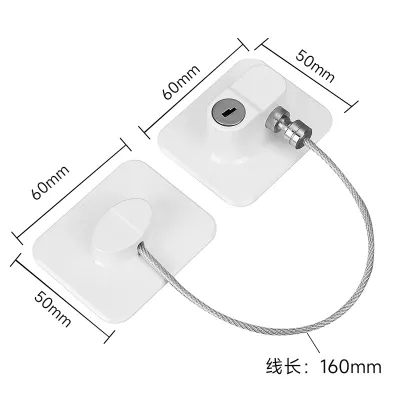
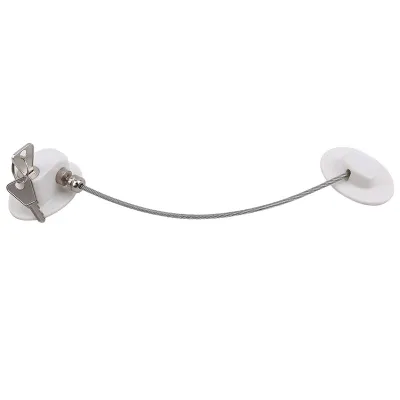
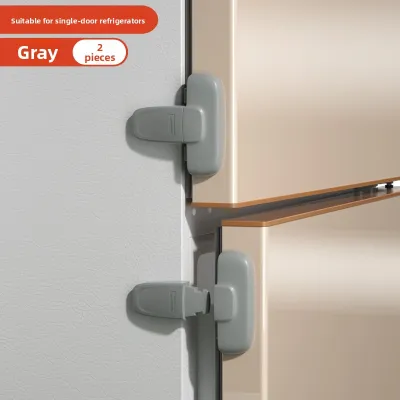
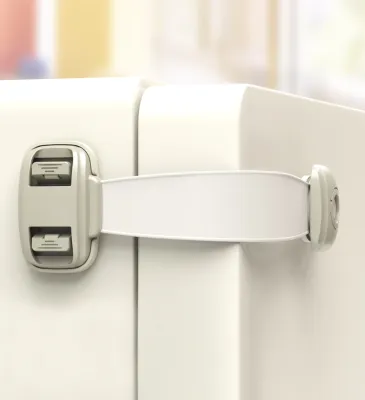
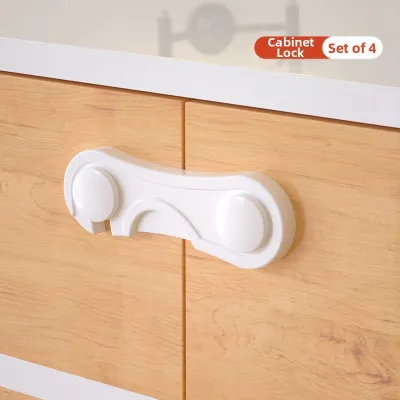
Prices are valid at publication and may change. Please refer to the product page for the latest price.
- Flexible Strap Locks: These are highly versatile and work best on flat surfaces, curved edges, and corners. They are ideal for refrigerators, microwaves, and double-door cabinets where the lock must span across two different planes.
- Internal Magnetic or Spring Latches: These are completely hidden from view and work exceptionally well on standard drawers and single-door cabinets. Because they are mounted inside, they are protected from direct pulling forces and do not alter the external look of your furniture.
- Sliding Cabinet Locks: Best suited for double-door cabinets with prominent D-shaped handles or knobs. They slide through the handles to keep the doors closed and require no adhesive at all, making them a damage-free option for compatible furniture.
When selecting a lock, consider the surface material of your furniture. Smooth, non-porous surfaces like laminate, varnished wood, metal, and glass provide the strongest bond for adhesives. Conversely, unfinished wood, highly textured veneers, or painted surfaces may require extra care during installation to prevent peeling or surface damage. Additionally, measure the door gaps and handle spacing to ensure the lock mechanism has enough clearance to operate smoothly without jamming.
Securing Cabinets and Drawers: Latches vs. Straps
Cabinets and drawers present unique baby-proofing challenges due to their varying opening mechanisms and structural designs. Choosing between internal latches and external straps requires evaluating how often you access the space and the physical layout of the furniture.

Internal latches are a preferred choice for homeowners who want to maintain a clean, uncluttered look. These devices are mounted on the inside of the cabinet frame or drawer side. When a toddler attempts to pull the drawer open, the latch catches on a keeper, stopping the drawer from opening more than a fraction of an inch. To open it fully, an adult must slightly depress the spring-loaded latch through the small gap, or use a magnetic key on the outside of the panel. Before choosing internal latches, verify that your drawers have at least a few centimeters of interior clearance at the top and sides to accommodate the hardware.
External strap locks, on the other hand, are highly visible but incredibly easy to install and operate. They consist of two adhesive-backed bases connected by a flexible plastic or fabric strap. One base is anchored to the stationary frame, while the other attaches to the moving door or drawer. Because they flex, strap locks can absorb a significant amount of pulling force. However, on lightweight doors or flimsy cabinet hinges, repeated pulling against an external strap can place structural stress on the hinges over time. Always check that your cabinet hinges are securely tightened before mounting an external strap lock.
To ensure a proper fit, measure the gap between double doors. If the gap is too wide, an internal latch might not catch securely, making an external strap or a sliding lock a safer choice. For drawers, ensure the adhesive base of a strap lock does not interfere with the smooth gliding motion of the drawer tracks.
Childproofing Refrigerators and Large Appliances
Refrigerators, freezers, and ovens require heavy-duty adhesive locks that can withstand both the physical pull force of a determined toddler and the unique environmental conditions of large appliances. The smooth, cold surfaces of kitchen appliances present distinct challenges for standard adhesives.
In warm, humid climates like the Philippines, kitchen appliances often experience condensation on their exterior surfaces. This moisture, combined with the natural oils and grease present in cooking areas, can rapidly degrade adhesive bonds. To combat this, look for locks specifically rated for appliance use, which typically feature wider adhesive pads to distribute the pulling force over a larger surface area. The adhesive must be applied to a completely dry, clean, and room-temperature surface to cure properly; applying adhesive directly to a cold, sweating refrigerator door will likely result in premature failure.
Strap length and latch placement are critical when securing heavy appliance doors. For a standard single-door refrigerator, the lock should be placed high enough to be out of a toddler’s reach, typically on the side of the appliance wrapping around to the front door. Ensure the strap is pulled taut but not overly stretched when the door is fully closed. Any slack in the strap can allow the door to open slightly, breaking the magnetic seal of the refrigerator and causing the internal temperature to rise, which can spoil food or strain the appliance motor.
Before applying any adhesive lock to a new appliance, consult the manufacturer’s guidelines and warranty terms. Some appliance finishes, such as fingerprint-resistant stainless steel or specialized matte coatings, can be permanently stained or stripped by strong adhesives or the solvents required to remove them. Verifying these details beforehand can save you from costly cosmetic damage.
Safe Installation and Damage-Free Removal
Proper installation is the key to ensuring your adhesive door locks perform as intended, while careful removal preserves the integrity of your furniture and appliances when the baby-proofing stage is over.
To install an adhesive lock securely, start by thoroughly cleaning the target area. Use isopropyl alcohol to remove all dust, grease, wax, and household grime. Avoid using multi-purpose kitchen sprays, as they often leave behind a thin, slick residue that prevents the adhesive from bonding. Once the surface is completely dry, peel the backing from the adhesive pad, position the lock precisely, and press down firmly for at least 30 seconds.
The Curing Window
- Do not test the lock immediately: Adhesives require time to form a permanent bond.
- Wait 24 hours: Allow the adhesive to cure fully before subjecting it to any pulling force or tension.
- Manage humidity: In highly humid environments, extending the curing time to 36 hours can help ensure a more stable bond.
When it is time to remove the locks, rushing the process can rip paint, varnish, or wood veneer right off your furniture. To remove an adhesive lock safely, use a handheld hairdryer on a low-to-medium heat setting to gently warm the adhesive pad. This softens the glue, making it pliable. Once warmed, take a piece of dental floss or strong sewing thread, slip it behind the adhesive base, and use a sawing motion to slice through the softened adhesive.
If any sticky residue remains on the surface, apply a small amount of baby oil, eucalyptus oil, or a dedicated adhesive remover to a soft cloth and gently rub the area. Always test the oil or solvent on an inconspicuous spot first to ensure it does not discolor or dissolve the furniture finish. If you notice the surface finish beginning to soften, bubble, or peel during the removal process, stop immediately and consult a professional furniture restorer or the manufacturer’s care instructions.
Frequently Asked Questions (FAQ)
Can I reuse an adhesive door lock after removing it?
While the durable plastic or nylon mechanical parts of the lock are often perfectly reusable, the adhesive pads themselves are strictly single-use. Once an adhesive pad is peeled away from a surface, its chemical structure is compromised, and it will not provide reliable security if reapplied.
To reuse the lock housing, you must completely scrape away the old adhesive residue from the back of the plastic base. Inspect the plastic parts carefully for any stress fractures, warping, or worn-out latches. If the structural integrity is intact, you can apply a fresh piece of high-quality, heavy-duty double-sided acrylic mounting tape cut to fit the base. Ensure the replacement tape is rated for the weight and pull force required for baby-proofing.
Do adhesive locks work on textured or uneven surfaces?
Standard adhesive locks are designed for flat, smooth, and non-porous surfaces. Textured wood grain, embossed laminates, matte plastics, and uneven surfaces significantly reduce the contact area between the adhesive pad and the furniture, leading to rapid bond failure under minimal pressure.
If you must secure textured furniture, standard adhesives are generally not recommended. Instead, consider mechanical locks that secure via screws to the interior of the cabinet, or utilize strap locks that can be anchored to nearby smooth surfaces. Before attempting installation on a questionable surface, perform a small adhesion test by applying a piece of standard painter’s tape to a hidden area; if the tape peels off effortlessly or fails to stick, an adhesive lock will not hold securely.
How do I test if an adhesive lock is secure enough for my toddler?
Testing should only be conducted after the adhesive has cured completely for at least 24 to 36 hours. To perform a realistic test, kneel down to your toddler’s height and pull the cabinet door or drawer from their typical angle of approach, applying a firm, steady outward force.
Observe the adhesive bases closely during the pull test. If you see any lifting at the edges, shifting of the base, or stretching of the plastic housing, the installation is compromised. These signs of failure indicate that the surface was not cleaned properly, the adhesive did not cure fully, or the surface material is incompatible. If a lock fails this manual test, remove it immediately and either reinstall it with fresh adhesive or switch to a different locking mechanism, such as a hardware-mounted internal latch.
Community discussion
Share your experience or ask a question. Comments are reviewed before publication.