
Finding the right baby wipes for sensitive skin requires a careful look at ingredients, fabric texture, and formulation details. In tropical climates like the Philippines, where high humidity and heat can easily exacerbate diaper rash and skin irritation, selecting a gentle wipe is crucial for maintaining your baby’s skin barrier. While the Unilove brand offers several popular options, determining which variant is best for your baby depends on analyzing the specific ingredients, checking for fragrance-free labels, and observing how your child’s skin reacts to different materials.
Rather than relying on a single universal recommendation, parents should evaluate each product line based on its water purity, preservative system, and fabric thickness. By understanding what goes into these wipes and how to verify product details through official channels, you can make an informed decision that keeps your baby comfortable and rash-free. This guide outlines the essential criteria for evaluating sensitive skin wipes, explains how to compare different Unilove variants, and provides practical tips for safe application and monitoring.
Key Criteria for Baby Wipes on Sensitive Skin
When evaluating baby wipes for sensitive skin, the formulation’s simplicity is the most critical factor. A baby’s skin barrier is significantly thinner and more permeable than an adult’s, making it highly susceptible to chemical irritants, allergens, and environmental stressors. In tropical climates, where high humidity and heat are constant, sweat can easily mix with residual chemicals from skincare products. This combination can trap moisture in the skin folds, leading to heat rash, friction rub, and diaper dermatitis. Therefore, the primary goal is to choose a wipe that cleanses effectively without stripping away natural lipids or introducing unnecessary chemical compounds.
Products mentioned in this guide
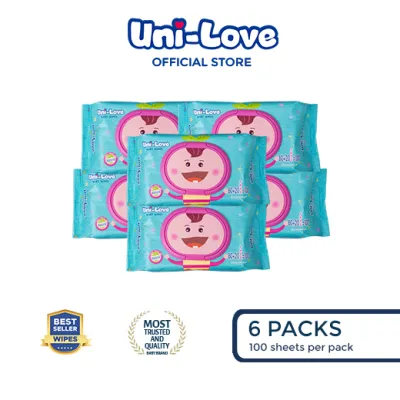
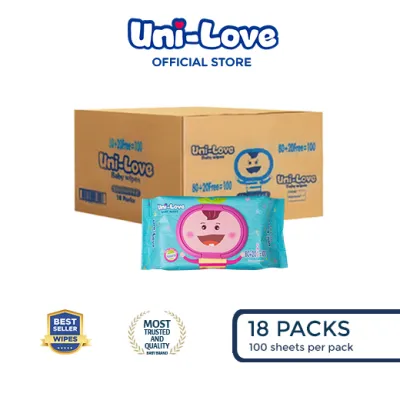
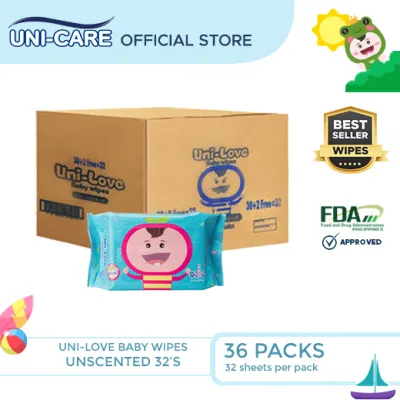
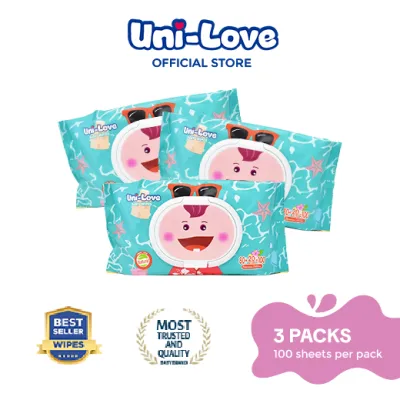
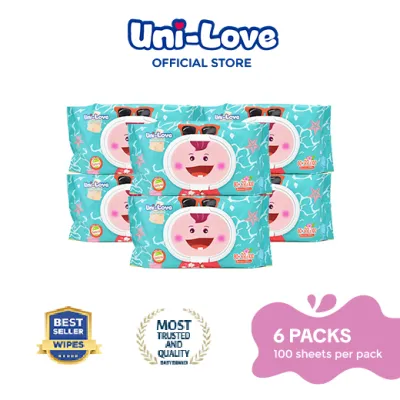
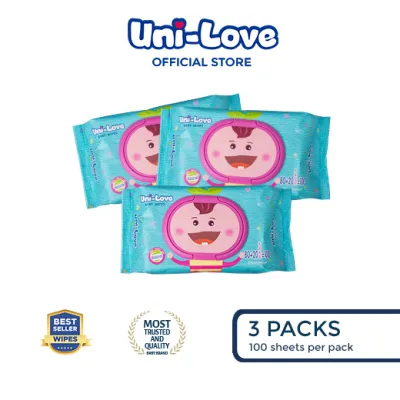
Prices are valid at publication and may change. Please refer to the product page for the latest price.
Ingredient transparency is the foundation of any safe baby wipe. Parents should look for formulations that clearly list all ingredients, prioritizing those with a high percentage of purified water. Water serves as the primary cleansing agent, and its purity ensures that no trace minerals or contaminants are left on the skin. Beyond water, the preservative system must be exceptionally mild. While preservatives are necessary to prevent bacterial and mold growth in moist wipes, harsh chemicals like parabens, phthalates, methylisothiazolinone (MIT), and formaldehyde-releasing agents should be strictly avoided. A safe preservative system keeps the product sterile without causing chemical burns or cumulative sensitization on delicate skin.
Physical properties of the wipe, such as fabric thickness, texture, and moisture level, play an equally vital role in skin health. A wipe that is too thin or dry requires more physical rubbing to clean the skin, which creates mechanical friction. This friction can micro-damage the delicate skin barrier, leading to redness and irritation, especially during frequent diaper changes. Thicker, textured wipes with adequate moisture retention allow caregivers to clean the diaper area with minimal strokes, reducing physical contact and protecting the skin. Non-woven fabrics, such as spunlace, are often preferred because they offer a cloth-like softness that minimizes abrasive contact.
Fragrance-free and alcohol-free formulations are non-negotiable standards for sensitive skin care. Artificial fragrances are among the most common triggers for contact dermatitis and allergic reactions in infants. Even natural fragrances, essential oils, or botanical extracts can cause irritation on compromised skin. Similarly, alcohol can dry out the skin rapidly, leading to cracking, itching, and increased vulnerability to infections. Ensuring that a wipe is explicitly labeled as fragrance-free and alcohol-free is a simple yet highly effective way to eliminate major risk factors.
How to Compare Unilove Wipe Variants
To determine which Unilove wipe variant is most suitable for your baby, you must learn to read and interpret the product packaging and ingredient lists. The Unilove brand offers various product lines, such as their classic baby wipes, water-based variants, and options infused with botanical extracts. Comparing these variants involves looking past marketing claims and focusing on the specific components that interact with your baby’s skin.

Start by examining the primary liquid formulation of each variant. Water-based wipes, often marketed with high water percentages like 99% pure water, are generally the safest starting point for newborns and infants with highly reactive skin. These formulations minimize the number of active ingredients, thereby reducing the statistical likelihood of an allergic reaction. If a variant contains botanical extracts like aloe vera, chamomile, or calendula, consider whether your baby has shown sensitivity to plant-derived ingredients in the past. While these extracts can offer soothing properties for some babies, they may act as mild allergens for others.
When reading the ingredient list, remember that ingredients are listed in descending order of concentration. For sensitive skin, you want to see water (aqua) at the very top, followed by mild humectants like glycerin, which help draw moisture into the skin, and gentle preservatives like sodium benzoate or citric acid, which adjust the pH. Avoid variants that list complex chemical names, artificial colorants, or heavy surfactants high up on the list, as these are more likely to disrupt the skin’s natural balance.
Next, look for specific quality indicators and claims printed on the packaging. Many sensitive skin wipes feature labels indicating they are pH-balanced, dermatologically tested, or hypoallergenic. A pH-balanced wipe helps maintain the skin’s natural acidic mantle, which typically ranges between 4.5 and 5.5. This acidity is crucial for inhibiting harmful bacterial growth and supporting barrier function. While “dermatologically tested” and “hypoallergenic” are helpful indicators, they are not absolute guarantees of safety; they simply mean the product has undergone testing to minimize irritation risks. You should still verify the full ingredient list yourself.
It is also important to compare the physical characteristics of the different Unilove variants. Some lines may feature a thicker, cross-woven fabric designed for heavy-duty cleaning, while others might use a softer, spunlace non-woven material optimized for gentle wiping. If your baby is prone to frequent bowel movements or has highly sensitive skin in the diaper area, a thicker, more textured wipe may be preferable to minimize the number of wipes used per change. Conversely, for quick cleanups of hands and face, a lighter, softer wipe might be more comfortable.
Navigating the Official Unilove Store and Authorized Channels
Purchasing authentic products is essential when dealing with sensitive baby skin, as counterfeit or improperly stored wipes can contain harmful contaminants, incorrect formulations, or expired ingredients. To ensure you are getting genuine Unilove wipes, it is highly recommended to purchase directly from the official Unilove store or authorized flagship stores on major ecommerce platforms. These official channels provide direct access to the manufacturer’s supply chain, minimizing the risk of product tampering.
When shopping on an online marketplace, look for verified seller badges, official brand malls, or direct links from the manufacturer’s official website. Official stores are more likely to provide accurate, up-to-date ingredient disclosures and product specifications. They also offer reliable customer support, allowing you to ask specific questions about batch details, manufacturing standards, and ingredient sourcing before making a purchase. This transparency is invaluable for parents managing severe skin allergies or eczema.
Once your order arrives, take a few moments to verify the product’s integrity before using it on your baby. Check the packaging for a secure, unbroken seal; wipes that have been opened or exposed to air can dry out or become breeding grounds for bacteria. Locate the batch number and expiration date, which are typically printed on the back or bottom of the pack. Ensure the product is well within its shelf life, as the preservative systems in sensitive skin wipes can degrade over time, reducing their effectiveness and potentially causing skin irritation.
Proper storage is also critical to maintaining the safety and quality of your baby wipes. In tropical environments, store unopened packs in a cool, dry place away from direct sunlight. Once a pack is opened, ensure the plastic lid or resealable sticker is pressed down firmly after every use. This prevents the wipes from drying out and protects them from airborne dust, mold spores, and insects. If a pack has been left open or exposed to extreme heat, it is safer to discard it rather than risk using degraded wipes on sensitive skin.
Safe Application and Skin Monitoring
Even when you have selected a highly rated, fragrance-free wipe variant, introducing it safely to your baby’s routine requires a cautious approach. Individual skin sensitivities vary greatly, and a product that works perfectly for one infant may cause a reaction in another. Before using a new wipe variant extensively, perform a simple patch test to check for any immediate or delayed adverse reactions.
To conduct a patch test, select a small, non-critical area of your baby’s skin, such as the inner forearm or the thigh. Gently wipe this area with a single sheet from the new pack and allow the liquid to dry naturally. Do not wash the area immediately. Observe the test site over the next 24 to 48 hours, looking for any signs of redness, swelling, small bumps, or dryness. If the skin remains clear and normal, you can proceed to use the wipes for regular diaper changes and cleanups.
During the first few days of full use, continue to monitor your baby’s skin closely, particularly in areas prone to moisture retention like skin folds and the diaper area. In tropical climates, sweat can mix with wipe residue, potentially causing mild irritation even with gentle formulations. If you notice any localized redness, dry patches, or signs of discomfort during or after wiping, stop using that specific variant immediately.
If a reaction occurs, the first step is to discontinue the product and soothe the skin. Gently rinse the affected area with plain, lukewarm water to remove any remaining wipe formulation, and pat it dry with a clean, soft towel—do not rub. Allow the skin to air dry completely before applying a mild, pediatrician-approved barrier cream. Giving your baby some “diaper-free time” to let the skin breathe is also highly beneficial in humid climates. If the redness, swelling, or irritation persists for more than a few days, spreads to other parts of the body, or causes your baby significant distress, consult a pediatrician or a pediatric dermatologist for professional guidance and treatment.
Frequently Asked Questions (FAQ)
Can I use Unilove wipes on my baby's face and hands?
You should always check the specific variant’s packaging to confirm if it is explicitly labeled as safe for use on the face and hands. While many water-based, fragrance-free Unilove wipes are gentle enough for general use, the skin on a baby’s face is thinner and more sensitive than the skin on their bottom. Additionally, babies frequently put their hands in their mouths, meaning any residue left by the wipe could be ingested. If the label does not explicitly state that the wipes are suitable for facial use, it is best to restrict them to the diaper area and use a dedicated, food-grade hand and mouth wipe or plain water for facial cleanups.
What should I do if my baby reacts to a specific Unilove variant?
If your baby shows signs of skin irritation, redness, or a rash after using a specific Unilove variant, stop using the product immediately. Gently cleanse the irritated area with plain, lukewarm water to remove any residual ingredients, and pat the skin dry with a soft, clean cloth. Avoid using any other scented products, soaps, or alternative wipe brands on the affected area while it heals. Apply a thin layer of a fragrance-free barrier cream if recommended by your healthcare provider. If the irritation does not improve within 24 to 48 hours, or if it worsens, consult your pediatrician for advice.
Are thicker wipes always better for sensitive skin?
Thicker wipes are not automatically better, but they do offer distinct advantages for sensitive skin. A thicker wipe generally retains more moisture, provides a loftier cushion between your hand and the baby’s skin, and is less likely to tear during use. This allows you to clean the diaper area thoroughly with fewer wipes and less physical rubbing, which directly reduces mechanical friction and skin irritation. However, the material’s softness, texture, and formulation are equally important. A thick wipe made of rough fibers or containing harsh chemicals will still irritate sensitive skin, so you must balance thickness with material softness and ingredient safety.
Community discussion
Share your experience or ask a question. Comments are reviewed before publication.