
Selecting the right thick foldable playmat for travel in the Philippines requires balancing cushioning, humidity resistance, and portability. The ideal travel playmat provides at least 1 to 2 centimeters of high-density cushioning to protect against hard tile or concrete floors, folds into a compact, manageable size for transport, and features a water-resistant, breathable surface that handles tropical humidity without trapping heat. Your choice will ultimately depend on your primary travel method—whether you are packing a car trunk for a provincial road trip or navigating airport security.
Before purchasing any travel gear, always verify the recommended age, development stage, weight limits, and specific safety warnings in the manufacturer’s documentation. Because babies have sensitive skin and developing motor skills, ensuring the playmat matches their current physical milestone is a critical first step. Caregiver supervision is always required during use, regardless of the mat’s thickness or safety features.
Why Cushioning and Portability Matter on the Road
Traveling with a baby introduces unpredictable environments, from rented holiday homes to relatives’ houses. In the Philippines, many homes and rental properties feature ceramic tiles, polished concrete, or hardwood floors. These surfaces are excellent for keeping indoor spaces cool in tropical weather, but they provide zero shock absorption for a baby who is practicing tummy time, learning to sit, crawling, or taking tentative early steps. A fall onto an unyielding tile floor can cause immediate discomfort and disrupt your baby’s play routine.
Products mentioned in this guide
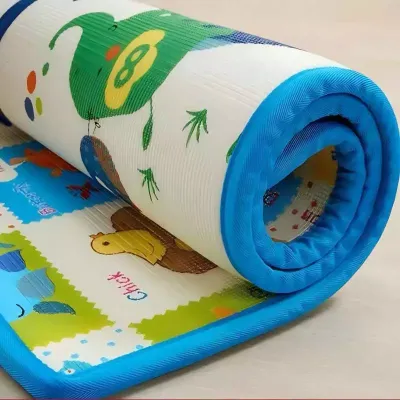
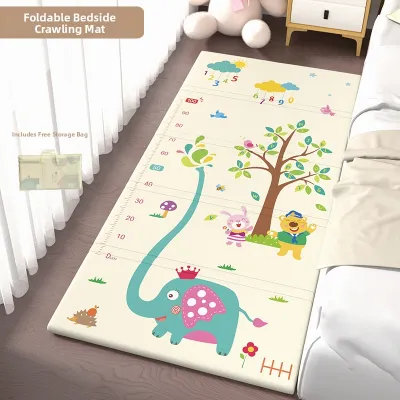
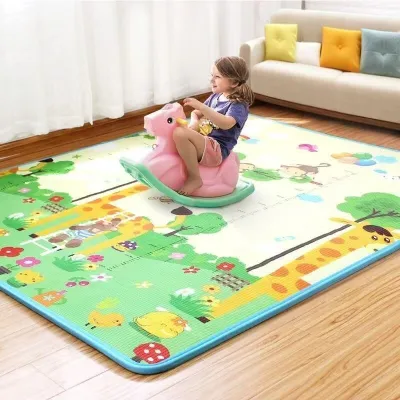
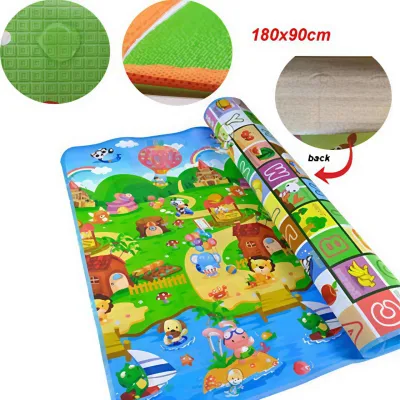
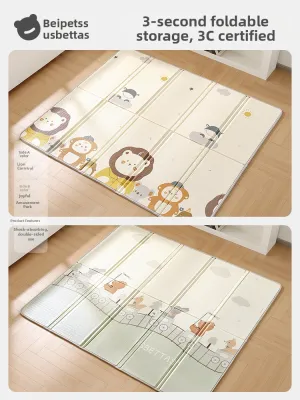
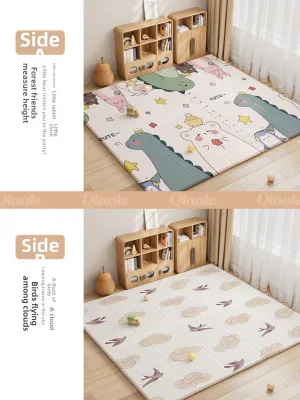
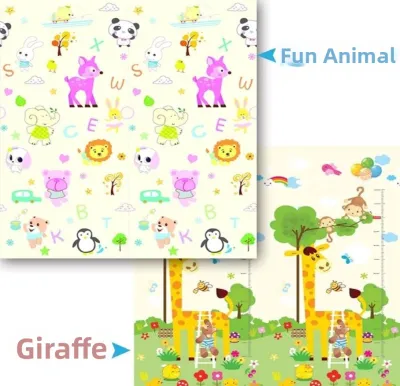
Prices are valid at publication and may change. Please refer to the product page for the latest price.
Adequate cushioning acts as a protective barrier, reducing impact and giving babies the confidence to explore their physical capabilities safely. When you are away from home, maintaining a consistent, safe space for motor skill development helps keep your baby’s routine intact. A dedicated playmat also provides a clean, familiar environment, which can be highly comforting to a baby in an unfamiliar setting.
Traditional roll-up mats or interlocking puzzle mats present significant packing challenges. Roll-up designs remain bulky and long even when rolled, making them difficult to fit into a car trunk alongside strollers, luggage, and diaper bags. Interlocking puzzle mats consist of multiple individual pieces that are time-consuming to assemble, easily come apart during active play, and can easily get lost during transit. A foldable design solves these issues by collapsing along pre-made seams into a neat, compact rectangle within seconds, allowing for quick setup and easy storage.
Tropical climate considerations are equally important when choosing travel gear. High temperatures and humidity levels mean that babies sweat more during active play. Some low-quality synthetic materials trap heat, creating a warm, sticky surface that makes play uncomfortable and can contribute to heat rash. Furthermore, high humidity can cause ambient moisture or sweat to pool on non-breathable surfaces, making the mat slippery and increasing the risk of slips during early walking attempts. A high-quality travel playmat must feature a surface that remains comfortable and slip-resistant even in humid conditions.
What to Look for When Shopping for a Travel Playmat
Finding the right balance between protective thickness and transport convenience requires evaluating specific product features. Rather than relying on generic marketing descriptions, caregivers should look at concrete measurements, certified safety labels, and structural designs.

Evaluating Thickness and Safety Labels
While dedicated home playmats often range from 2 to 4 centimeters in thickness, travel playmats must strike a compromise. A thickness of 1 to 2 centimeters (approximately 0.4 to 0.8 inches) represents the optimal balance for travel. Anything thinner than 1 centimeter may fail to provide sufficient protection against hard ceramic tiles, while anything thicker than 2 centimeters becomes excessively bulky and heavy to transport.
Safety standards and chemical certifications are dynamic facts that caregivers must verify directly on the product packaging or the manufacturer’s official website before buying. Look for recognized safety certifications, such as compliance with EN71 (European Standard for Toy Safety) or ASTM standards. Ensure the manufacturer explicitly states that the materials are non-toxic and free from harmful chemicals like lead, phthalates, BPA, and formamide. Because babies spend significant time face-down on these mats during tummy time, verifying these chemical-free claims is essential for peace of mind.
Surface texture plays a dual role in safety and maintenance. A textured surface, such as a raised grid or embossed pattern, provides necessary traction for a baby’s hands and feet as they learn to crawl or stand, preventing slips on humid days. Additionally, the surface must be non-porous and easy to wipe clean. When traveling, you will likely encounter spills, milk drops, and outdoor dirt, so a mat that can be cleaned rapidly with a damp cloth is highly beneficial.
Assessing Folding Designs and Carrying Options
Folding styles vary significantly, and the right choice depends on your packing habits and available space. Bi-fold and tri-fold mats have fewer seams, which means fewer crevices where dirt, crumbs, and liquids can accumulate, but they tend to have larger folded dimensions. Multi-fold accordion designs fold down into a much smaller footprint, making them easier to slide into tight vehicle spaces, though they require a bit more effort to clean along the multiple crease lines.
Practical travel features can make a significant difference when your hands are full. Look for travel playmats that feature integrated carrying handles, detachable shoulder straps, or a dedicated storage bag. A high-quality carry bag protects the mat from dust, dirt, and moisture during transit, ensuring that the surface your baby lies on remains clean and hygienic.
Weight is a crucial factor for caregivers who are already managing multiple bags, strollers, and a baby. A travel playmat should ideally weigh between 1 to 2.5 kilograms. Anything heavier will quickly become a burden when navigating airports, bus terminals, or provincial pathways. Always check the product specifications for the exact weight before purchasing.
Comparing Playmat Materials for Travel Needs
The performance, weight, and durability of a travel playmat are largely determined by its material composition. Understanding the pros and cons of common materials will help you select the right option for your family’s travel style.
- XPE (Cross-linked Polyethylene): XPE is an extremely popular material for travel playmats because it is incredibly lightweight and offers excellent shock absorption. It typically features a closed-cell structure that prevents water absorption, making it highly resistant to spills and humidity. XPE mats are easy to fold and carry, making them ideal for quick trips. However, they can be susceptible to punctures from sharp objects or pet claws, so caregivers must inspect the surface regularly.
- PU (Polyurethane) with High-Density Foam: PU mats feature an inner core of high-density foam (often EPE or polyurethane foam) wrapped in a premium, smooth polyurethane outer cover. These mats offer superior cushioning and a soft, luxurious feel that is highly comfortable for babies. The outer PU leather-like cover is completely waterproof and exceptionally easy to wipe clean. The trade-offs are weight and cost; PU mats are generally heavier, bulkier when folded, and significantly more expensive than XPE options. They are best suited for longer stays where the mat will remain set up for several days.
- PVC (Polyvinyl Chloride): PVC mats are known for their extreme durability, heavy weight, and excellent grip on the floor. They lay completely flat without curling at the edges and offer a dense, supportive cushion. However, traditional PVC can be heavy, making it less ideal for active travel. If considering a PVC mat, caregivers must check the manufacturer's specifications to ensure it is certified non-toxic and free from harmful plasticizers, and be prepared for a potential off-gassing period when first unpacked.
To balance these material options, consider your primary travel method. If weight and ease of transport are your top priorities, XPE is the most practical choice. If you prioritize maximum cushioning and a premium feel for extended stays, and do not mind the extra weight, a high-density PU mat is excellent. Always verify the specific product label to confirm material composition and safety standards.
Matching the Playmat to Your Travel Style
Your destination and mode of transportation should dictate the type of playmat you pack. Matching the mat to your specific travel style ensures you do not carry unnecessary weight or struggle with packing.
- Road trips and provincial visits: If you are traveling by car to visit relatives in the provinces or staying in holiday rentals, space is less of a constraint than if you were flying. For these trips, prioritize a larger unfolded size and thicker cushioning (around 1.5 to 2 centimeters). This ensures your baby has a spacious, safe zone on hard wood or tile floors during extended stays.
- Flights and public transit: For air travel or bus trips, every centimeter and gram counts. Focus on ultra-compact multi-fold mats that can fit inside a large suitcase or be checked in easily. Look for lightweight materials like XPE and mats that come with a durable, zippered travel bag to protect the mat from rough handling in transit hubs.
- Outdoor picnics and parks: If you plan to use your mat at the beach, park, or outdoor resort areas, ensure the bottom layer is highly water-resistant to block ground moisture. Look for easy-wipe surfaces that do not trap sand or grass. Keep in mind that direct sunlight can degrade synthetic foams over time; always check the manufacturer's UV and heat guidelines, and place the mat in a shaded area to protect both the material and your baby's sensitive skin.
Cleaning and Storing Your Playmat on the Go
Maintaining proper hygiene on the go is essential to protect your baby from bacteria and allergens. Because travel playmats are exposed to various outdoor and indoor environments, establishing a simple cleaning and storage routine will prolong the mat’s lifespan and keep it safe for use.
When cleaning your playmat, always refer to the manufacturer’s care instructions first. For daily cleaning on the road, wipe the surface with a soft cloth dampened with mild soap and warm water. Avoid using harsh chemical disinfectants, bleach, or abrasive scrubbing pads, as these can degrade the protective outer coating of the mat, fade the patterns, or leave behind chemical residues that could irritate your baby’s sensitive skin.
Proper drying is critical, especially in the humid climate of the Philippines. Trapped moisture is a primary cause of mold and mildew growth on synthetic materials. After wiping down your mat, allow it to air dry completely in a well-ventilated, shaded indoor area before folding it. Never fold or pack a damp mat, as moisture trapped in the creases can quickly lead to unpleasant odors and mold development.
When packing your vehicle for a trip, avoid placing heavy suitcases, strollers, or sharp-edged luggage on top of your folded playmat. Excessive weight can compress the foam permanently, damaging its cushioning properties, while sharp corners can puncture the outer cover. Store the mat flat or upright in a designated spot where it is protected from friction and direct heat sources.
Frequently Asked Questions (FAQ)
Can I take a thick foldable playmat as carry-on luggage on a flight?
Most thick, multi-fold travel playmats exceed the standard cabin baggage dimensions allowed by airlines. While lightweight, their physical volume typically requires them to be checked in as oversized baggage or packed securely inside a large checked suitcase. Always verify the specific size and weight restrictions of your airline before heading to the airport to avoid unexpected fees.
How do I remove creases from a foldable playmat after a long trip?
To remove temporary creases or indentations after transit, lay the playmat completely flat in a warm, well-ventilated room and gently smooth the surface with your hands over a few days. Do not use direct heat sources like hair dryers, clothes irons, or leave the mat inside a hot parked car to speed up the process. Excessive heat can melt the internal foam, warp the outer material, and permanently ruin the mat’s structure.
Are puzzle mats a better alternative for travel?
While interlocking puzzle mats allow you to customize the play area’s shape, they are generally less convenient for travel than one-piece foldable mats. Puzzle mats take significantly longer to assemble and disassemble, and their individual tiles can easily separate during active play, exposing the hard floor underneath. Additionally, transporting dozens of loose tiles increases the risk of losing pieces during your journey, making a single-piece foldable mat a much more efficient and reliable option.
Community discussion
Share your experience or ask a question. Comments are reviewed before publication.