
Planning a beach photoshoot with your little one is an exciting milestone, but finding the perfect starfish baby outfit requires balancing camera-ready charm with tropical comfort. The ideal outfit combines vibrant, high-contrast colors that pop against the sand with lightweight, breathable fabrics that keep your baby cool in humid coastal weather. Prioritizing functional designs with easy diaper access and built-in sun protection ensures your baby stays happy, comfortable, and safe throughout the session, resulting in beautiful, stress-free photographs.
Essential Features for Beach Photoshoot Outfits
When selecting beachwear for your baby, sun protection should always be your primary check. Look for garments that feature verified Ultraviolet Protection Factor (UPF) ratings on their labels. A UPF 50+ rating is excellent for blocking harmful UV rays, but you must also consider physical skin coverage. Long-sleeve rompers or rash guards with starfish prints offer excellent coverage for delicate shoulders and arms, reducing direct sun exposure during your outdoor session.
Breathability is another critical factor, especially in hot, humid coastal environments like the tropical beaches of the Philippines. Heavy or tightly woven fabrics trap heat and sweat against your baby’s skin, which can quickly lead to heat rash and a fussy mood. Opt for loose-fitting weaves that allow air to circulate freely, keeping your baby’s body temperature regulated while they pose for the camera.
Products mentioned in this guide
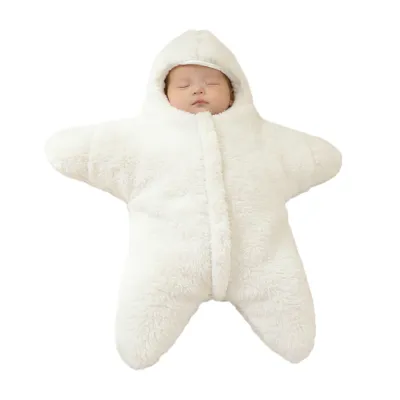
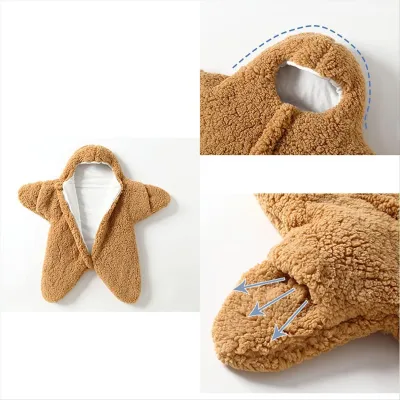
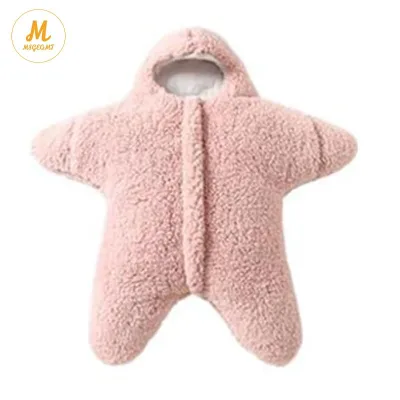
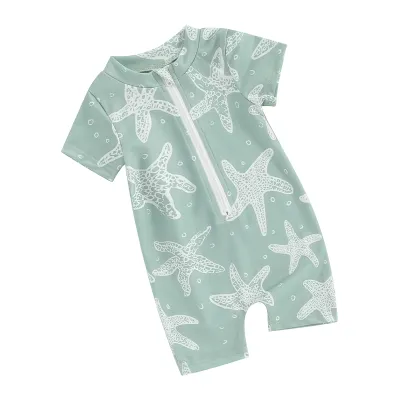
Prices are valid at publication and may change. Please refer to the product page for the latest price.
For the best photographic results, pay close attention to color and pattern contrast. Soft pastel starfish patterns can easily fade into the light sand, making the outfit look washed out in bright sunlight. Instead, choose starfish designs in vibrant coral, terracotta, deep turquoise, or classic navy blue that stand out vividly against both the white sand and the blue water. Consider the scale of the print as well; larger, bold starfish motifs tend to photograph much better from a distance than tiny, busy patterns.
Best Styles and Fabrics for Starfish Beachwear
A one-piece starfish romper or bodysuit is an exceptional choice for active babies. This style stays securely in place when you pick up or move your baby, preventing the fabric from riding up and exposing sensitive skin to the hot sun or abrasive sand. When shopping, prioritize designs with sturdy snap closures along the inseam. These snaps allow you to perform quick diaper checks and changes directly on the beach without having to remove the entire outfit.

For older babies who can sit or stand, a lightweight starfish dress or a matching two-piece set offers excellent airflow. These styles keep your baby cool by preventing heat from getting trapped around the waist. However, you must ensure the hemline of a dress or the fit of the pants is appropriate for your baby’s developmental stage. A hemline that is too long can easily trip a crawling baby or a toddler taking their first steps on uneven, sandy terrain.
Always inspect the garment’s care label to verify the fabric composition before making a purchase. Natural fibers like 100% organic cotton or linen are highly breathable and gentle on sensitive skin, making them ideal for dry photoshoots on the sand. For water play or active splashing, look for high-quality polyester or nylon blends that feature moisture-wicking properties and dry rapidly. Avoid synthetic fabrics that feel stiff or scratchy to the touch, as these will quickly irritate your baby’s skin when combined with sweat and salt water.
Safe and Photogenic Accessories
A wide-brimmed sun hat is an essential accessory that completes the beach look while protecting your baby’s face, eyes, and neck from direct sunlight. Choose a hat featuring a matching starfish motif or a complementary solid color. For safety, select a hat with a breakaway chin strap or a soft hook-and-loop closure rather than long, tight strings. Traditional tie strings can pose a serious choking hazard if they become caught or are pulled too tight.
If you want to use props to enhance the starfish theme in your photos, prioritize safety over aesthetics. Avoid small, dried starfish or cheap plastic toys that can easily find their way into your baby’s mouth and present a choking hazard. Instead, opt for large, plush starfish toys, soft fabric blankets, or oversized, smooth wooden cutouts. Ensure any prop you use has no sharp edges, loose glitter, or small detachable parts, and keep your baby under constant caregiver supervision.
Footwear decisions should be based entirely on the sand temperature and the terrain. If the sand is hot or contains sharp shell fragments, protect your baby’s feet with soft-soled, breathable water shoes or lightweight sandals. For photoshoots on cool, clean sand near the water’s edge, keeping your baby barefoot is often the safest and most photogenic option. Being barefoot allows them to experience the sensory texture of the beach naturally without the risk of heavy, waterlogged shoes dragging down their feet.
Practical Tips for a Smooth Beach Session
The key to a successful beach photoshoot is timing your session around optimal natural lighting and cooler temperatures. Schedule your shoot during the “golden hour”—either early in the morning just after sunrise or late in the afternoon before sunset. During these times, the sun is lower in the sky, providing soft, warm light that flatters your baby’s features and minimizes harsh shadows. Additionally, the temperatures are much cooler, reducing the risk of overheating and keeping your baby in a happier mood.
Coastal winds can blow sand into your baby’s eyes and mouth, causing immediate distress and ending your photoshoot early. Position your setup so the wind blows away from your baby’s face, or use a pop-up beach tent as a windbreak and a shaded retreat between shots. Keep a bottle of fresh, clean water nearby to rinse away stray sand from your baby’s hands and face, and ensure they stay hydrated throughout the session.
Always pack a dedicated change of clothes and post-shoot cleanup items in your beach bag. Whether you spend ₱400 or ₱1,200 on a boutique starfish outfit, you will want a dry, comfortable set of clothes to change your baby into immediately after the session. A brilliant trick for removing dry sand from your baby’s skin is applying a small amount of cornstarch-free baby powder to the sandy areas. The powder absorbs moisture, allowing the sand to slide off easily without irritating your baby’s delicate skin.
Frequently Asked Questions (FAQ)
How to Remove Sand from Baby Beachwear
To clean delicate starfish outfits, let the garment dry completely first. Shake it vigorously outdoors to dislodge loose sand grains, or use a soft-bristled brush to sweep sand out of the fabric fibers. Once the dry sand is removed, check the care label for specific washing instructions. Wash the outfit on a gentle cycle using cool water to preserve the colors and fabric elasticity. Always use a mild, hypoallergenic detergent formulated specifically for sensitive baby skin to prevent post-beach irritation.
Sunscreen Guidelines for Infant Beach Outings
For babies under six months old, the primary line of defense against sun exposure must be physical shade, wide-brimmed hats, and protective clothing rather than sunscreen. If your baby is older than six months, apply a broad-spectrum, mineral-based sunscreen with an SPF of 30 or higher to all exposed skin areas. It is highly recommended to consult your pediatrician before introducing any new sun protection products to your baby’s routine. Reapply the sunscreen every two hours, or immediately after water exposure, and monitor your baby’s skin closely for any signs of redness or allergic irritation.
Community discussion
Share your experience or ask a question. Comments are reviewed before publication.