
Choosing the best reusable potty trainer underwear in the Philippines requires balancing absorbency, breathability, and ease of drying in a tropical climate. For eco-conscious parents, the ideal choice consists of certified organic cotton, bamboo, or hemp blends that allow your child to feel wetness—a critical cue for potty training—while containing minor accidents. These sustainable alternatives reduce landfill waste, protect sensitive skin from harsh chemicals, and save money over time compared to single-use options.
To make an informed decision, you must evaluate the fabric layers, the presence of waterproof barriers, and how well the materials withstand high humidity during laundry cycles. By understanding the functional differences between pure cotton, bamboo blends, and hybrid waterproof trainers, you can build a practical stash that supports your child’s developmental milestone without overwhelming your daily routine.
Why Eco-Conscious Moms Choose Reusable Trainer Pants
Transitioning from diapers to potty training is a major milestone, and the tools you choose play a significant role in how smoothly the process unfolds. Traditional disposable pull-ups are highly convenient, but they come with a substantial environmental cost. In the Philippines, where waste management systems are often strained, thousands of single-use training pants end up in local landfills daily, where they can take hundreds of years to decompose. Switching to reusable potty trainer underwear offers a direct, actionable way to reduce your household’s ecological footprint.
Products mentioned in this guide
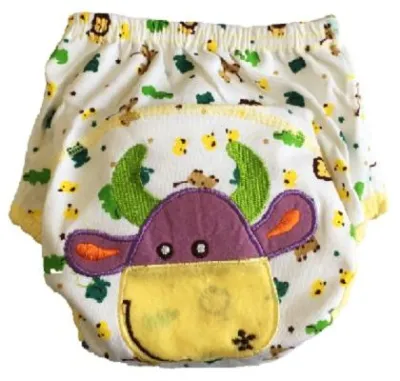
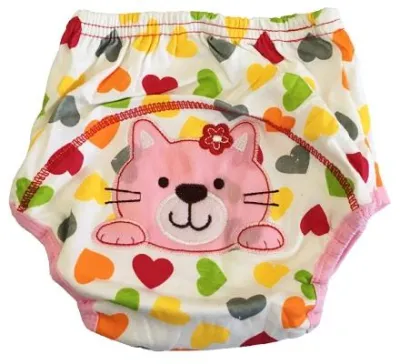
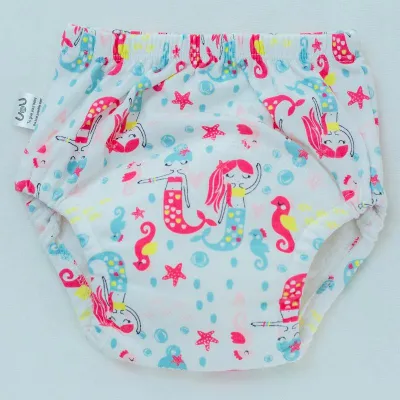
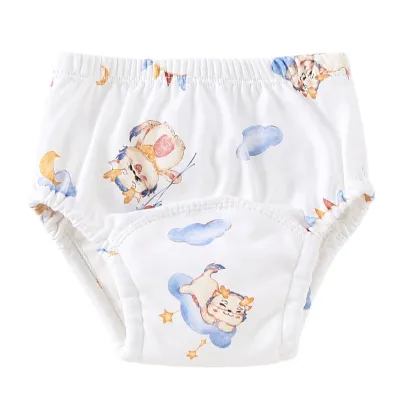
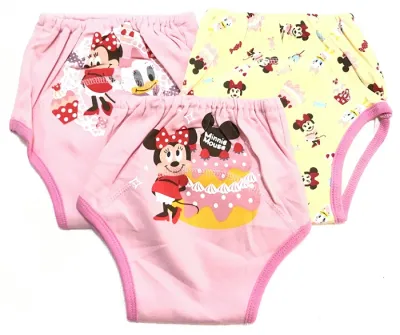
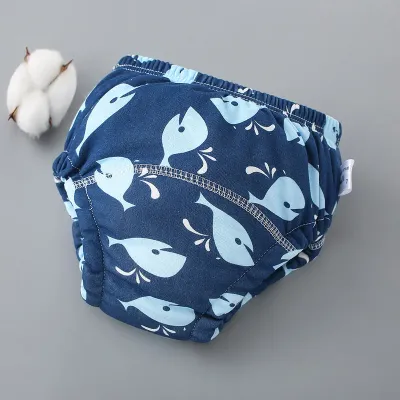
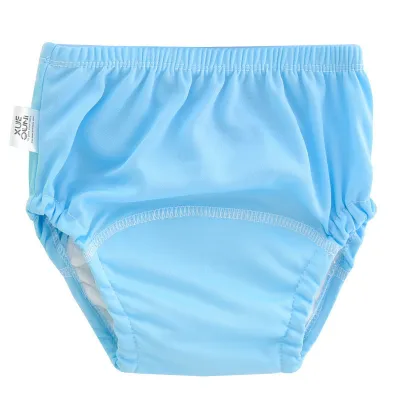
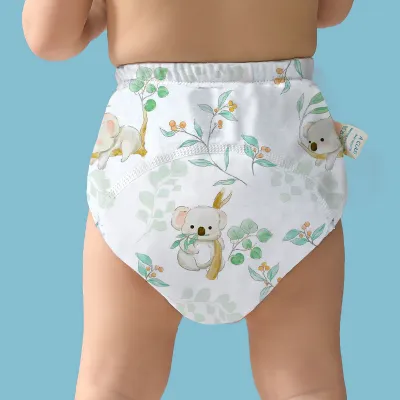
Prices are valid at publication and may change. Please refer to the product page for the latest price.
Beyond the environmental benefits, reusable trainer pants offer a distinct physiological advantage that speeds up the learning process. Disposable training pants are engineered with superabsorbent polymers that lock moisture away instantly, keeping the child’s skin completely dry. While this prevents leaks, it also removes the physical sensation of wetness. Reusable cloth trainers, by contrast, allow your child to feel wet immediately after an accident. This wetness sensation acts as a crucial psychological link, helping them connect the physical urge to go with the natural consequence of a wet diaper.
Adopting reusable trainers requires a supportive and realistic mindset. Potty training is a developmental journey that depends on your child’s readiness, and no product serves as an instant, magic cure. There will be accidents, extra laundry, and days of trial and error. Reusable underwear is a supportive tool designed to catch minor leaks and protect your floors while giving your child the physical feedback they need to understand their bodily functions.
Key Features to Evaluate in Sustainable Potty Underwear
When shopping for eco-friendly potty trainer underwear, you will find a wide variety of styles, materials, and designs. Selecting the right option requires looking past marketing claims and focusing on the technical features that affect daily performance, comfort, and skin health.

Balancing Wetness Sensation and Absorbency
The primary function of potty training underwear is often described as a “catch-and-release” mechanism. Unlike diapers, which are built to absorb multiple voids, trainer pants are designed to catch only a single, small accident. They must absorb enough liquid to prevent a puddle from forming instantly on your floor or furniture, yet they must retain enough moisture against the skin so the child notices the accident.
When evaluating different brands, check the product specifications for the number of absorbent layers in the crotch panel. Most high-quality reusable trainers feature between two and four layers of absorbent fabric. A two-layer design is highly breathable and excellent for older toddlers who are already making quick runs to the bathroom but occasionally have small leaks. A four-layer design offers more security for younger toddlers who are just starting the process and may release a larger volume of urine before realizing they need to stop.
Eco-Friendly and Skin-Safe Materials
For eco-conscious parents, the material composition of the underwear is a top priority. Look for natural fibers such as organic cotton, bamboo viscose, and hemp. Organic cotton is highly breathable, hypoallergenic, and gentle on sensitive skin, making it an excellent choice for hot and humid tropical weather. Bamboo viscose and hemp blends offer superior absorbency compared to standard cotton, and they tend to stay softer after repeated washes in hard water.
To ensure the materials are truly safe and sustainably manufactured, look for independent textile certifications on the product labels rather than relying on generic green marketing slogans. The Global Organic Textile Standard (GOTS) verifies that the cotton fibers are grown organically without harmful pesticides and processed under strict environmental and social criteria. Similarly, the Oeko-Tex Standard 100 certification guarantees that the finished fabric has been tested for harmful substances and is safe for direct contact with your child’s delicate skin.
Leak-Resistant Designs for Different Scenarios
Potty training occurs in various settings, and a single style of underwear may not suit every situation. For active days spent at home, highly breathable trainers without waterproof outer shells are ideal. These allow maximum airflow, keeping your child cool in warm weather while ensuring they feel the slightest bit of dampness immediately. These minimalist designs are easy to pull up and down, encouraging independence during bathroom visits.
For outings, car rides, or afternoon naps, you will need a design with higher leak resistance to protect car seats and public spaces. Look for trainers that feature a hidden waterproof layer made of Polyurethane Laminate (PUL) or Thermoplastic Polyurethane (TPU). Additionally, pay close attention to the leg gussets and the elasticity of the waistband. The leg openings must fit snugly around your child’s thighs to contain sudden leaks, but they must be soft and stretchy enough to avoid digging into the skin or causing red marks.
Comparing the Main Types of Reusable Training Pants
Understanding the structural differences between the main categories of reusable training pants allows you to match the right product to your child’s current stage of potty training and your daily schedule.
100% Cotton Thick Trainers
Traditional 100% cotton thick trainers are the most straightforward and breathable option available. These garments consist of several layers of woven or knit cotton quilted directly into the wetness zone. Because they contain no synthetic waterproof barriers, they provide maximum air circulation, which is highly beneficial for preventing heat rashes in hot climates. They offer the most immediate and intense wetness sensation, making them the perfect tool for the initial weeks of training at home.
However, parents should be aware of two main limitations. First, because they lack a waterproof outer layer, any moderate to large accident will quickly soak through to the child’s outer clothing and onto whatever surface they are sitting on. Second, multiple layers of thick cotton fabric take a relatively long time to dry after washing, especially during the rainy season when humidity levels are high.
Bamboo and Natural Blend Trainers
Bamboo and hemp blend trainers represent an excellent middle ground for parents seeking high performance and sustainability. Bamboo viscose is exceptionally soft, making it highly comfortable for children with sensitive skin or eczema. Hemp fibers are incredibly durable and become softer with each wash, offering excellent longevity for families planning to reuse the trainers for younger siblings. Both materials can hold more liquid by weight than pure cotton, allowing for a slimmer profile without sacrificing absorbency.
These natural blends also possess inherent odor-resistant properties, which helps keep the training stash smelling fresh even after multiple uses. The main trade-off is that bamboo and hemp are highly dense fibers that retain water tightly, meaning they require a longer drying time compared to thin cotton alternatives.
Hybrid Trainers with Waterproof Layers
Hybrid trainers are designed to look and feel like regular underwear while incorporating a hidden waterproof barrier, typically made of PUL or TPU, sandwiched between the inner absorbent lining and the outer fabric. This construction provides a reliable safety net, making them the preferred choice for long car rides, grocery trips, or visits to family members’ homes. They give parents peace of mind by preventing wetness from seeping through to outer clothing during unexpected delays.
While highly practical for outings, hybrid trainers should generally be used strategically rather than as a full-time replacement for breathable cotton pants. The waterproof laminate layer naturally restricts airflow, which can trap heat and moisture against the skin during hot afternoons. This restriction can also slightly dull the child’s awareness of wetness, as the moisture is contained within the inner core rather than spreading naturally.
Managing Your Cloth Training Stash in a Tropical Climate
Operating a reusable trainer system in a tropical environment like the Philippines requires specific strategies to manage laundry cycles, prevent fabric degradation, and maintain optimal hygiene.
Sizing Your Stash for Daily Rotations
Building a functional inventory of reusable trainer pants does not require buying in massive bulk. To determine the ideal number of pairs for your household, consider your child’s current progress, your weekly laundry frequency, and local weather patterns. During the early stages of potty training, a toddler may experience four to six accidents a day. If you wash laundry every other day, a starting stash of 8 to 12 pairs is generally sufficient to ensure you always have clean backups available.
If your child is already showing good progress and only has occasional leaks, you can easily manage with a smaller stash of 5 to 6 pairs. It is always wise to keep a couple of extra hybrid, waterproof trainers in your diaper bag specifically for travel or unexpected emergencies. Starting with a modest stash allows you to test different fabric blends and fits before committing to a larger purchase.
Washing and Drying in High Humidity
Maintaining the absorbency and freshness of reusable trainers in a humid climate requires a simple, consistent laundry routine. Always pre-rinse heavily soiled trainers in cold water immediately after an accident to prevent stains and odors from setting into the fibers. Wash the trainers using a mild, eco-friendly detergent that is free from optical brighteners, synthetic fragrances, and fabric softeners. Fabric softeners are particularly problematic for cloth trainers, as they leave a waxy residue on the fibers that repels moisture, severely reducing the underwear’s ability to absorb urine.
Drying thick cloth items can be challenging during the humid monsoon season. Whenever possible, hang your clean trainers outdoors in direct sunlight. The sun’s ultraviolet rays act as a natural sanitizer and a gentle bleaching agent, helping to eliminate lingering bacteria and fade stubborn yellow stains. If you must dry your laundry indoors due to rain, maximize airflow by placing a mechanical fan directly in front of the drying rack. Ensure the trainers are completely dry before folding and storing them, as storing even slightly damp natural fibers in a closed drawer can quickly lead to mildew growth.
Practical Tips for Effective and Stress-Free Potty Training
Successful potty training relies on combining the right physical tools with supportive, consistent behavioral habits. Establishing a predictable routine is one of the most effective ways to encourage progress. Try prompting your child to sit on the toilet at natural transition points throughout the day, such as immediately upon waking, twenty minutes after meals, or right before leaving the house. Keep these visits brief and positive, offering praise for their cooperation regardless of whether they actually use the toilet.
When accidents happen—as they inevitably will—it is vital to respond with a calm, neutral attitude. Avoid expressing frustration, anger, or disappointment, as negative reactions can cause your child to feel anxious or attempt to hide future accidents. Instead, use the accident as a gentle learning moment. Point out the wet sensation calmly, help them change into a dry pair of reusable trainers, and involve them in the cleanup process in a age-appropriate, non-punitive way, such as having them carry their wet trainers to the laundry area.
Keep a close eye on your child’s skin health throughout the training process. The combination of moisture, friction, and warm tropical weather can sometimes lead to skin irritation or chafing, particularly around the leg bands of waterproof hybrid trainers. If you notice persistent redness or a diaper rash that does not improve with air-drying, temporarily switch back to loose, highly breathable cotton underwear and consult your pediatrician for guidance.
If you use barrier creams to protect your child’s skin, always check the product’s compatibility with cloth fabrics first. Traditional creams containing high concentrations of zinc oxide or petroleum-based ingredients can coat natural fibers, creating a water-resistant barrier that ruins the absorbency of your reusable trainers. If a barrier cream is necessary, opt for a cloth-safe formula or use a disposable liner to protect the fabric fibers from buildup.
Frequently Asked Questions (FAQ)
Do reusable trainer pants hold as much liquid as disposable pull-ups?
No, reusable trainer pants do not hold as much liquid as disposable pull-ups. Disposables are manufactured with chemical superabsorbent polymers designed to lock away multiple full voids while keeping the surface dry. Reusable cloth trainers are specifically designed to absorb only a single, small accident or leak, allowing the child to feel the wetness so they can learn to recognize the physical sensation of needing to use the bathroom.
How can I prevent mold or mildew on cloth trainers in humid weather?
To prevent mold and mildew in humid conditions, never leave wet or soiled trainers sitting in a closed, dark diaper bag or a plastic laundry hamper for extended periods. Rinse soiled trainers immediately, squeeze out excess water, and hang them in a well-ventilated area until wash day. Ensure that all trainers are 100% dry before putting them away in closets or drawers, and utilize outdoor line drying in direct sunlight whenever the weather permits to naturally sanitize the fabrics.
When should I transition from trainer pants to regular cotton underwear?
You can confidently transition your child to regular, thin cotton underwear once they consistently display key developmental signs of readiness. These signs include staying dry for several hours at a time, waking up dry from afternoon naps, proactively communicating their need to use the bathroom before an accident occurs, and successfully using the potty with minimal accidents over a period of one to two consecutive weeks.
Community discussion
Share your experience or ask a question. Comments are reviewed before publication.