
Quick Guide to Portable Urine Containers for Baby Travel
Traveling with a baby or toddler across the Philippines presents unique challenges, from navigating long traffic delays in metropolitan areas to embarking on extended road trips across provinces. When nature calls and clean, accessible restrooms are miles away, having a reliable portable urine container in your diaper bag becomes an absolute necessity. This guide is designed to help parents navigate the process of selecting, verifying, and maintaining a travel-friendly urine container.
We will explore the essential design features to look for, compare different container styles for various travel scenarios, and outline critical hygiene practices to keep your baby safe and comfortable on the go. By focusing on observable product features and practical verification steps, you can confidently choose a solution that fits your family’s travel style and keeps transit stress-free.
Key Factors When Choosing a Baby Travel Urine Container
Selecting the right portable urine container requires a careful evaluation of several design elements to ensure the product is functional, safe, and easy to use during transit.
Products mentioned in this guide
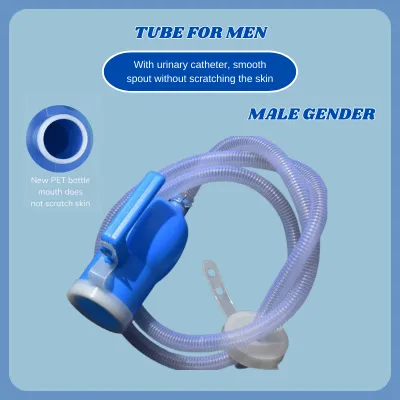
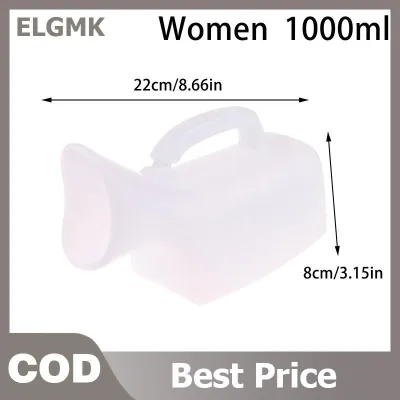
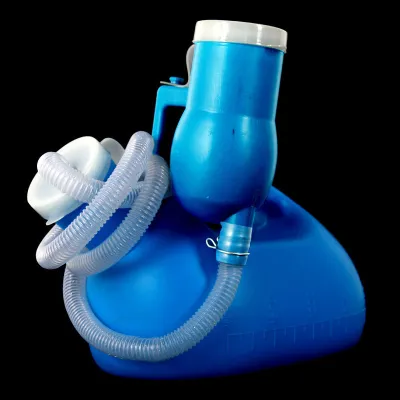
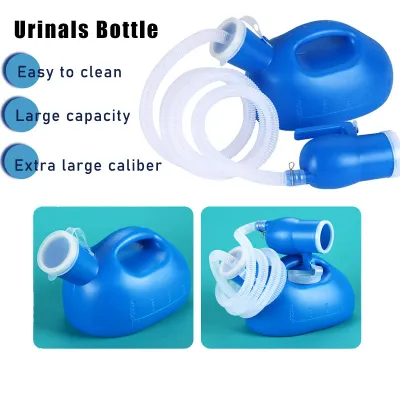
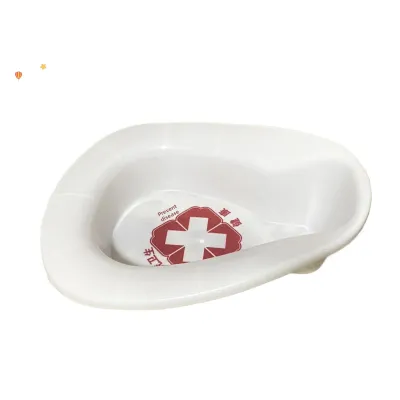
Prices are valid at publication and may change. Please refer to the product page for the latest price.

Leak-Proof Mechanisms
The absolute priority for any travel urine container is its ability to prevent leaks under pressure and movement. When traveling, your diaper bag will be jostled, squeezed, and occasionally tipped upside down. Look for containers that feature multi-layered sealing systems. This typically includes a thick silicone gasket or O-ring seated deeply within the cap, combined with a secure screw-on or snap-lock lid. Before purchasing, visually inspect the seal to ensure it is continuous, free of gaps, and properly aligned. A secondary locking mechanism, such as a sliding latch or a button lock, provides an extra layer of security against accidental opening.
Capacity versus Portability
Finding the right balance between container capacity and physical size is crucial. A container that is too small will require frequent emptying, which may not be feasible during long stretches of highway travel. Conversely, an excessively large container takes up valuable space in your diaper bag and can become heavy when filled. For infants and toddlers, a capacity of 300ml to 500ml is generally sufficient for multiple uses without becoming overly bulky. Consider the dimensions of your primary travel bag and choose a shape—such as a slim cylinder or a collapsible design—that fits easily into side pockets or dedicated compartments.
Material Safety Indicators
Because these containers come into close contact with your child’s sensitive skin, verifying material safety is paramount. Look for clear labeling on the packaging indicating that the product is made from non-toxic, food-grade plastics (such as polypropylene) or high-quality silicone. Avoid products that lack clear material declarations or those that emit a strong, chemical odor upon opening. Since safety standards and certifications can change, always check the manufacturer’s packaging for up-to-date compliance labels and verify these claims against official brand resources.
Ease of Cleaning
A container that is difficult to clean will quickly become a breeding ground for bacteria and unpleasant odors, especially in the warm, humid climate of the Philippines. Prioritize designs with wide-mouth openings that allow you to reach all interior surfaces easily with a bottle brush. Avoid containers with complex internal valves, narrow tubes, or deep crevices that can trap moisture and residue. If you plan to sanitize the container at home, check the packaging to verify if the materials are compatible with steam sterilizers, boiling water, or top-rack dishwasher cycles.
Matching Container Types to Your Travel Scenarios
Different travel environments demand different container designs. Whether you are boarding a domestic flight, enduring a long road trip, or navigating a crowded shopping mall, matching the container type to your specific scenario ensures maximum convenience and hygiene.
Foldable Silicone Options for Flights and Compact Bags
Collapsible or foldable silicone urine containers are highly valued by parents who prioritize space-saving gear. When empty, these containers compress to a fraction of their full size, making them ideal for packing into tight carry-on luggage or compact diaper bags during flights. This space efficiency allows you to keep your travel kit light and organized.
However, parents should be aware of the structural trade-offs associated with flexible materials. When partially or fully filled, silicone containers lack the rigid stability of plastic bottles. They can easily squeeze or deform if gripped too tightly, which may lead to accidental spills or overflows during use. When using a foldable silicone option, always support the base with a firm hand and ensure the container is placed on a flat, stable surface when securing the lid.
Rigid, Leak-Proof Bottles for Long Road Trips
For extended road trips, such as driving from Manila to popular weekend destinations like Tagaytay or Baguio, a rigid plastic container is often the most dependable choice. These hard-shell bottles offer superior structural integrity, allowing them to withstand being packed tightly into a trunk or squeezed between heavy luggage without crushing.
The rigid walls provide a stable grip, which is particularly helpful when trying to assist a toddler in a moving or parked vehicle. Many rigid designs also feature ergonomic funnels tailored for boys or girls, ensuring a secure fit and minimizing spills. The primary trade-off is their fixed volume; unlike silicone options, rigid bottles occupy the same amount of diaper bag space whether they are full or empty.
Disposable or Liner-Compatible Designs for Quick Transit
When traveling through areas with limited access to clean water or sanitation facilities, disposable urine bags or liner-compatible travel potties offer unmatched convenience. These systems typically utilize single-use plastic liners equipped with super-absorbent polymer pads that instantly turn liquid into a leak-proof gel. This eliminates the need for immediate washing and prevents spills during transit.
While highly convenient for quick stops or emergency situations on flights, parents must consider the environmental impact and long-term costs of relying on single-use plastics. Proper disposal is critical: used liners must be tied securely and placed in designated waste bins. Always carry small, biodegradable disposal bags and hand sanitizer to maintain strict hygiene protocols when using these systems.
What to Check on the Product Label and Packaging
Before purchasing a portable urine container from physical baby boutiques or online marketplaces, taking the time to carefully read the product label and packaging can prevent safety hazards and functional disappointments. Do not rely solely on product titles or online descriptions; instead, look for physical or official digital documentation that verifies the manufacturer’s specifications.
- Material Composition: Verify that the packaging explicitly states the container is BPA-free, phthalate-free, and made from food-grade materials. This is especially important for items that may be exposed to high temperatures inside a parked car or during sterilization.
- Age and Developmental Guidelines: Check the manufacturer's recommended age or developmental stage for the product. Some containers feature anatomically designed funnels that are optimized for toddlers of specific age ranges or physical sizes. Using a container with a funnel that is too small or too large can lead to poor contact, resulting in leaks and frustration for both parent and child.
- Included Accessories: Review the list of included accessories on the packaging. Useful additions include dedicated storage pouches, cleaning brushes, and interchangeable funnel attachments. Ensure these accessories are made from durable, washable materials and do not add unnecessary bulk to your travel setup.
- Warranty and Return Policies: Inspect the packaging or seller terms for information regarding return policies or warranties, particularly concerning the integrity of the seals. A high-quality manufacturer should offer clear recourse if the container arrives with a defective silicone gasket or a loose cap mechanism.
Cleaning and Maintaining Your Container on the Go
Maintaining strict hygiene standards while traveling in the Philippines is essential to protect your baby from bacteria and prevent persistent odors. The country’s tropical climate and high humidity create an environment where mold and mildew can develop rapidly if containers are not cleaned and dried properly.
Immediate Emptying and Rinsing
Whenever possible, empty the container immediately after use into a toilet or designated waste disposal area. Rinse the interior thoroughly. If clean tap water is unavailable, use bottled water to perform the initial rinse. Avoid letting urine sit in the container for extended periods, as this leads to crystallization, stubborn stains, and strong odors that are difficult to remove later.
Thorough Drying
After rinsing, leave the container completely disassembled—with the cap, silicone seals, and funnel removed—to air dry. In humid tropical conditions, placing the parts in a well-ventilated area or under a fan is crucial to ensure all moisture evaporates. Never seal a damp container, as trapped moisture will quickly lead to mold growth.
Safe Cleaning Agents
Use mild, baby-safe dishwashing liquid or specialized bottle cleansers to wash the container daily. Avoid harsh chemical disinfectants, bleach, or abrasive scrubbing pads, as these can degrade the silicone seals, scratch the plastic surfaces, and leave harmful chemical residues.
When to Stop Use
Regularly inspect your portable urine container for signs of wear and tear. You should stop using the container and seek a replacement immediately if you observe any of the following:
- Persistent, unyielding odors that remain after thorough washing and sanitizing.
- Visible mold or mildew spots that have penetrated the silicone seals or plastic crevices.
- Degraded, cracked, or stretched silicone gaskets that no longer provide a tight, leak-proof seal.
- Cracks or structural damage to the plastic body of the container.
Frequently Asked Questions (FAQ)
Can I use a regular water bottle as a temporary urine container?
While it may be tempting to repurpose a standard plastic water bottle as a temporary urine container during an emergency, doing so carries significant hygiene and safety risks. Standard water bottles are designed for single-use beverage consumption and lack the robust, leak-proof sealing mechanisms required to contain waste safely. The narrow neck of a typical water bottle makes it extremely difficult to use without spills, particularly for young children. Furthermore, cleaning the narrow interior of a water bottle thoroughly is nearly impossible on the go, leading to rapid bacterial growth and severe cross-contamination risks if the bottle is accidentally mixed up with drinking water. This practice should be avoided entirely. Instead, always keep a dedicated, clearly labeled, and anatomically appropriate portable urine container in your travel kit.
How do I prevent leaks when packing the container in a diaper bag?
To ensure your diaper bag and its contents remain dry and sanitary, implement a multi-layered packing strategy. First, before placing the container in your bag, double-check that the cap is fully aligned and screwed on tightly, ensuring the silicone gasket is completely compressed. If the container has a lock button or latch, make sure it is fully engaged. Second, always store the container in an upright position, preferably in an exterior side pocket or a dedicated insulated compartment of your diaper bag. Finally, use a waterproof wet bag or a heavy-duty, zip-lock plastic bag as a secondary barrier. Placing the container inside this secondary bag ensures that even if a minor leak occurs due to pressure changes or accidental opening, the liquid will be contained, protecting your baby’s clothes, diapers, and toys from contamination.
Community discussion
Share your experience or ask a question. Comments are reviewed before publication.