
Selecting the right portable pee bag can transform a stressful road trip with a toddler into a manageable, organized journey. The best type of portable urination solution for young children is a disposable absorbent pee bag equipped with superabsorbent polymer (SAP) technology. This design instantly solidifies liquid waste, preventing leaks and neutralizing odors in the confined, warm environment of a vehicle. While reusable contoured urinals offer an eco-friendly alternative, disposable options provide unmatched hygiene and convenience when roadside restrooms are miles away.
Traveling with a toddler requires meticulous preparation, especially when navigating long highway stretches or unpredictable traffic. In tropical climates like the Philippines, where high humidity and intense heat can quickly amplify odors and sanitary concerns inside a vehicle, having a reliable waste management system is essential. Understanding the strengths and limitations of each portable option ensures your family stays comfortable and prepared for any sudden roadside emergency.
Why Long Road Trips Require a Dedicated Toddler Pee Bag
Toddlers have small bladder capacities and developing physical awareness of their bodily functions. When a young child announces they need to use the restroom, the window of time before an accident occurs is often measured in seconds rather than minutes. Unlike older children or adults, toddlers cannot easily hold their urine for extended periods while you search for the next gasoline station or rest stop.
Products mentioned in this guide
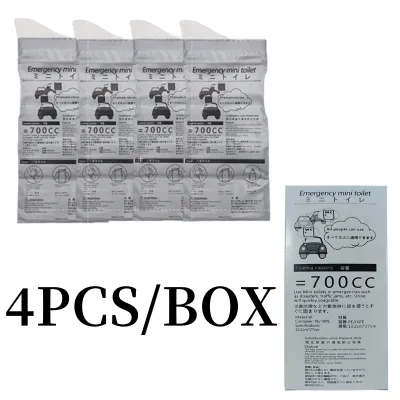
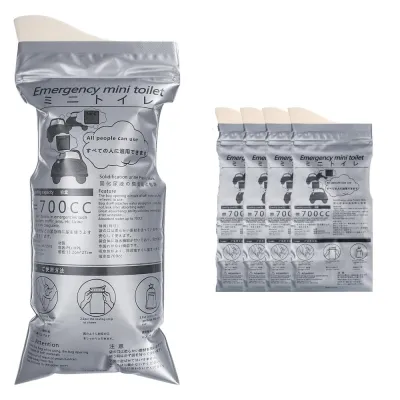
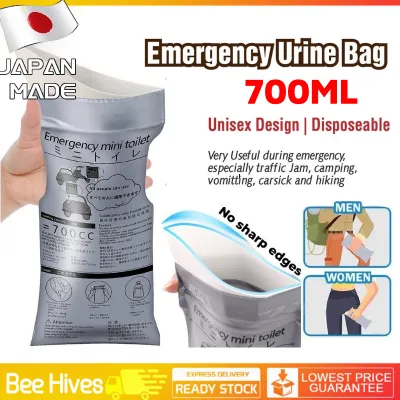
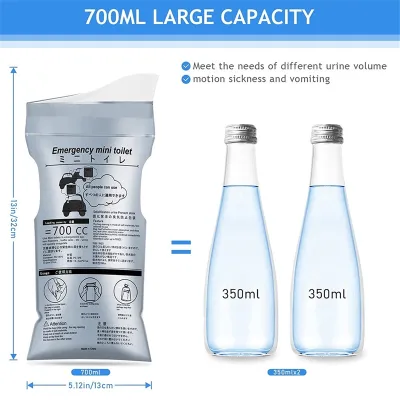
Prices are valid at publication and may change. Please refer to the product page for the latest price.
Pulling over on busy expressways, narrow provincial roads, or flyovers is highly dangerous and frequently illegal. Heavy traffic jams can leave your vehicle stationary for long periods, making it impossible to exit the highway. In remote rural areas, clean and sanitary public restrooms are often scarce, leaving parents with very few safe options when a child experiences sudden urgency.
Improvised solutions like standard plastic grocery bags, empty plastic bottles, or adult-sized emergency urination bags often fail in these high-pressure moments. Thin grocery bags tear easily, lack structural support, and offer no sealing mechanism, leading to catastrophic spills on car seats and carpets. Adult-sized bags feature wide, rigid openings designed for mature anatomy, making them awkward to position against a small child’s body and highly prone to splashing.
Key Features to Look for in a Toddler Travel Pee Bag
When evaluating portable urination solutions for your vehicle, prioritize features that address the physical challenges of a moving car and the safety needs of a young child.

- Leak-Proof Seals and Closures: A reliable bag must feature a heavy-duty, secure closure mechanism, such as a double-track zip-lock or a reinforced press-and-seal strip. This prevents any liquid or gel from escaping if the bag is dropped, tipped over, or jostled by a bumpy road.
- Superabsorbent Polymer (SAP) Technology: Rather than simply holding liquid, high-quality disposable bags contain SAP crystals or pads. This material chemically transforms liquid urine into a spill-proof, stable gel within seconds, eliminating the risk of sloshing, splashing, and leaks.
- Ergonomic and Contoured Openings: The rim of the bag should feature a soft, flexible, or contoured collar designed to fit snugly against a toddler's anatomy. A proper fit prevents gaps and ensures all liquid is directed safely into the bag without running down the child's legs.
- Odor-Neutralizing Properties: High cabin temperatures can accelerate the development of unpleasant odors. Look for bags made from thick, multi-layered barrier films that trap smells, or those infused with safe, odor-neutralizing agents to keep your car's air fresh.
- Manufacturer Specifications and Age Suitability: Always check the product packaging for recommended age ranges, weight limits, and maximum liquid capacity. Ensuring the product is designed for your child's developmental stage prevents leaks and guarantees a secure fit.
Types of Portable Urination Solutions for the Car
Understanding the distinct categories of portable urinals helps you choose the option that best aligns with your travel frequency, budget, and environmental preferences.
Disposable Absorbent Pee Bags
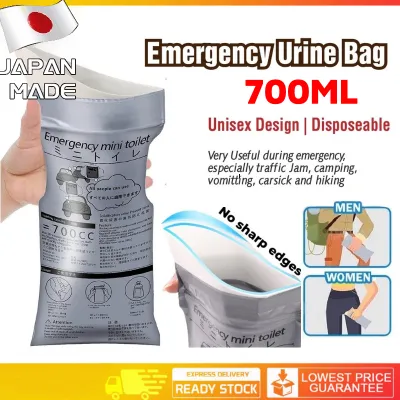
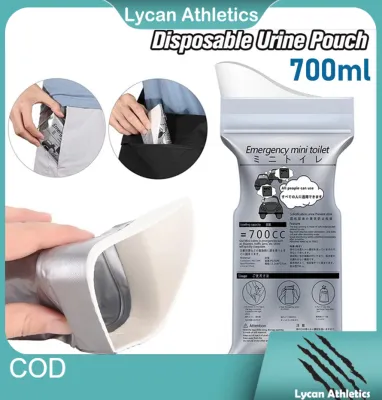
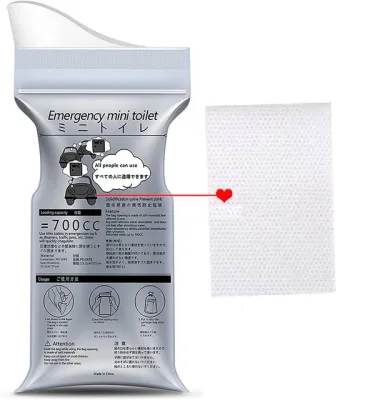
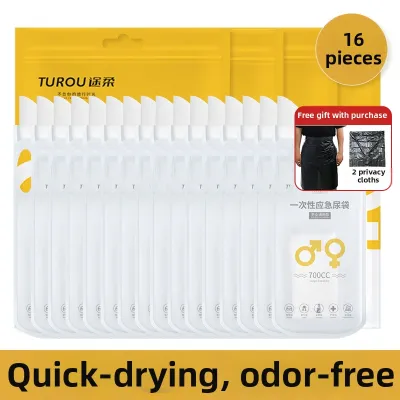
These single-use bags contain superabsorbent polymer (SAP) powder or pads that quickly solidify liquid waste upon contact. They are designed to be used once and thrown away, making them incredibly convenient for fast-paced travel.
- Pros: Highly hygienic, completely spill-proof once the gel forms, and require absolutely zero cleanup or washing. They pack completely flat, taking up minimal space in a glove compartment or diaper bag.
- Cons: They generate single-use plastic waste and require ongoing repurchasing. Depending on the pack size, disposable options typically cost between ₱150 and ₱500, which can accumulate over multiple long-distance trips.
Reusable Travel Urinals with Sealable Lids
These rigid or semi-rigid plastic bottles are specifically molded for children, often featuring fun colors or animal shapes. They are equipped with a funnel-style opening and a secure, screw-on or snap-fit lid to contain liquid.
- Pros: Highly eco-friendly and cost-effective over time, as a single purchase can last for years. The rigid structure is easier for toddlers to hold independently under adult supervision.
- Cons: They require thorough washing, disinfecting, and complete air-drying after every single use to prevent mold growth, which is highly challenging during a multi-day road trip. If the lid is cross-threaded or not sealed perfectly, they carry a high risk of leaking inside your vehicle.
Collapsible Silicone or PVC Urinals
These flexible containers utilize an accordion-style design that expands to hold liquid and compresses into a flat, compact disc or short tube when empty.
- Pros: Extremely space-saving and lightweight, making them easy to slip into a crowded car organizer or a small purse.
- Cons: Because the walls of the container are flexible, they can be flimsy and difficult to stabilize while a toddler is actively urinating. An accidental squeeze of the middle section during use can cause liquid to overflow, and they still require immediate rinsing and sanitizing.
How to Use and Manage Pee Bags Inside a Moving or Parked Vehicle
Using a portable urinal inside a vehicle requires careful coordination to ensure hygiene, safety, and comfort for both the caregiver and the child.
For maximum safety, always pull over to a safe parking area, gasoline station, or highway bay before attempting to use a pee bag. If you are caught in stationary, bumper-to-bumper traffic and must use the bag while the vehicle is on the road, ensure the child remains securely supported and that you maintain your own physical stability to prevent sudden falls.
To use a disposable bag, open the contoured collar fully and check that the absorbent pad inside is positioned flat at the bottom. Place the contoured opening firmly against your child’s skin, angling the body of the bag downward so gravity can assist the flow of liquid. Encourage your child to relax and urinate, keeping a gentle but firm grip on the collar to maintain a tight seal.
Once the child is finished, carefully remove the bag and hold it upright for a few seconds to allow the superabsorbent polymer to completely solidify the liquid. Gently squeeze out any excess air from the top of the bag, seal the zip-lock track completely, and place the sealed bag inside a dedicated trash container or a secondary plastic bag.
Keep all disposable pee bags and loose superabsorbent polymer (SAP) materials completely out of reach of infants and toddlers. These chemical gelling agents are highly dangerous if swallowed, inhaled, or introduced to the eyes. Always supervise your child closely during the entire process. If a bag tears and gel residue comes into contact with the child’s skin, wipe it away immediately with a damp cloth and wash the area thoroughly with mild soap and water. If ingestion is suspected, seek immediate professional medical attention.
Essential Add-Ons for Your Car Travel Potty Kit
To handle unexpected messes and maintain high sanitary standards on the road, assemble a dedicated travel potty kit and store it in an easily accessible spot in your back seat.
- Sanitation Essentials: Include a pack of thick, hypoallergenic baby wipes for cleaning your child, a bottle of hand sanitizer for the caregiver, and a small can of odor-neutralizing spray to refresh the cabin air.
- Double-Bagging Supplies: Keep a roll of heavy-duty, scent-locking zip-top bags or small trash bags on hand. Placing a used pee bag inside a second sealed bag provides an extra layer of protection against leaks and odors.
- Protection and Backups: Always pack a complete change of clothes for your toddler, including clean underwear, pants, and socks. Keep a pair of disposable gloves in the kit to protect your hands, and place a waterproof seat protector or disposable underpad beneath your child's car seat to shield the vehicle's upholstery from accidental spills.
Frequently Asked Questions (FAQ)
Can I use regular adult emergency pee bags for my toddler?
Adult emergency pee bags are generally unsuitable for toddlers due to their size and shape. The openings on adult bags are too wide and lack the contoured, smaller collar needed to create a snug, leak-proof seal against a young child’s body. This mismatch often results in gaps that allow urine to spill onto the child’s clothes or the car seat. Additionally, the large volume of adult bags makes them bulky and difficult for a caregiver to position correctly within the tight confines of a toddler car seat.
How do I dispose of used pee bags when there is no trash bin nearby?
If you are traveling through remote areas or long highway stretches without immediate access to a waste bin, seal the used pee bag tightly and place it inside a heavy-duty, opaque zip-top bag to lock in moisture and odors. Store this double-bagged waste in a designated trash zone of your vehicle, such as a hanging car bin or on the floor of the front passenger side if it is unoccupied. Never discard used bags along the roadside or in natural areas; keep them secured in your vehicle until you reach a rest stop, gasoline station, or accommodation with proper municipal waste disposal facilities.
Community discussion
Share your experience or ask a question. Comments are reviewed before publication.