
Traveling with an infant in the Philippines presents unique opportunities for family bonding, from weekend beach trips and provincial reunions to simple afternoon strolls in air-conditioned shopping malls. However, navigating these diverse environments with a baby requires gear that can adapt to both high humidity and varying floor surfaces. A portable baby mat serves as an essential travel companion, offering a clean, familiar, and cushioned space for your little one to practice tummy time, roll over, or play safely wherever you go.
The primary challenge for parents is finding a mat that balances physical comfort for the baby with practical convenience for the caregiver. A mat that is too heavy or difficult to clean will quickly become a burden, while one that lacks adequate cushioning may not protect your baby from hard tile or uneven outdoor ground. By understanding what features to prioritize, you can select a portable play space that fits seamlessly into your travel routine and keeps your baby comfortable on every journey.
Key Features to Look for in a Travel Baby Mat
When evaluating portable baby mats, weight and folded dimensions are the most critical specifications to check. For true portability, look for mats that weigh very little and fold down into a compact shape that can easily slide into a stroller basket, fit inside a standard backpack, or tuck into your luggage. A bulky mat can quickly crowd out other essentials like diapers, change of clothes, and feeding bottles, so prioritizing a slim folded profile is key.
Products mentioned in this guide
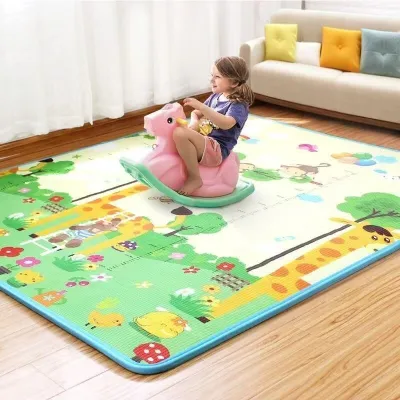
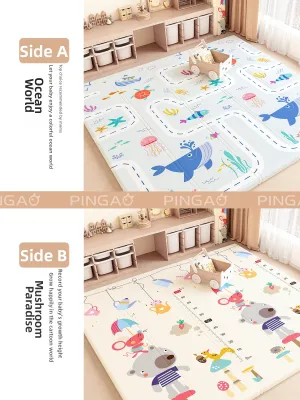
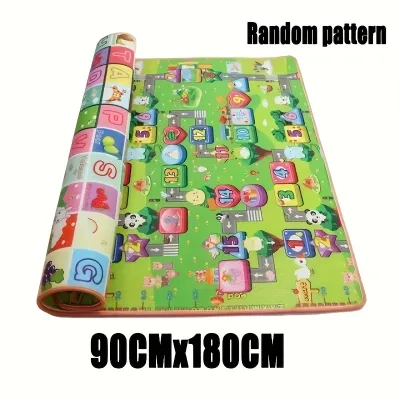
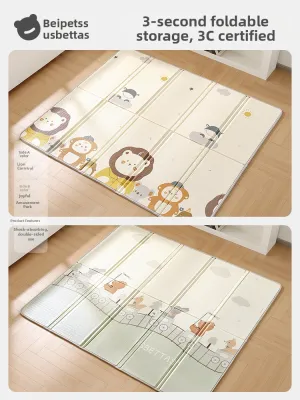
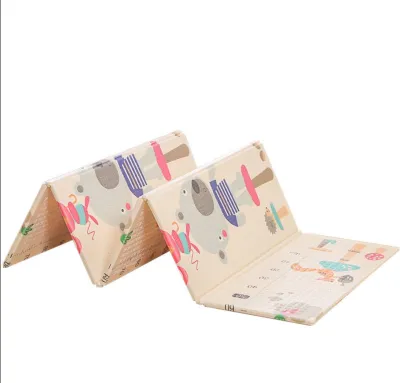
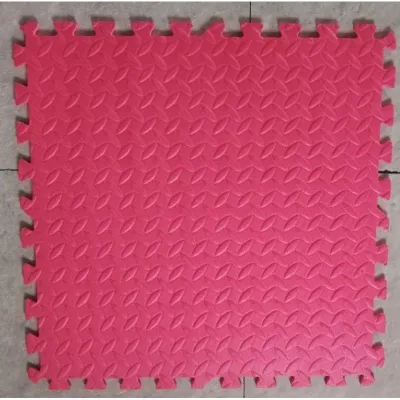
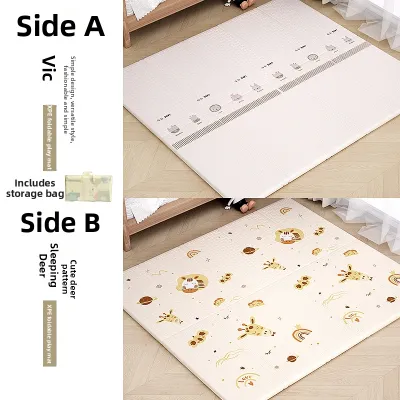
Prices are valid at publication and may change. Please refer to the product page for the latest price.
The folding mechanism of the mat directly affects how quickly you can set up and pack away your baby’s play area. Accordion-fold mats are highly favored by traveling parents because they fold along pre-creased lines, allowing for near-instant deployment and packing. Roll-up mats, on the other hand, offer a completely smooth surface without creases, but they often take up more cylindrical space and require straps or a dedicated carrying bag to prevent them from unrolling in transit.
In the warm and humid climate of the Philippines, the choice of surface material is paramount. Look for mats made from water-resistant or waterproof materials, such as high-density XPE foam or specialized fabric covers with water-repellent coatings. These materials prevent sweat, spilled milk, water, and diaper leaks from soaking into the core of the mat. A quick wipe with a damp cloth or a baby wipe should be all it takes to restore a clean, dry surface, preventing the buildup of bacteria and unpleasant odors during your trip.
Cushioning thickness is another essential feature that requires careful balance. While a thicker mat provides excellent shock absorption on hard surfaces like ceramic tiles or concrete patios, it also increases the overall bulk of the folded mat. For travel, a thickness that provides basic protection against hard floors without compromising packability is ideal. Consider where you will most frequently use the mat to determine whether you need a denser foam for hard surfaces or a thinner, lighter option for carpeted areas and grassy parks.
Matching the Mat to Your Travel Style
Your typical travel scenarios should guide your choice of a portable baby mat. If your outings mostly consist of short day trips, mall visits, or quick outdoor picnics, an ultra-lightweight, quick-deploy mat is highly practical. These mats are designed for rapid setup, allowing you to create a clean play zone on a park lawn or a cafe floor in seconds. They often feature integrated carrying handles or shoulder straps, making them easy to carry alongside your diaper bag.

For longer vacations, out-of-town road trips, or extended stays at a relative’s home, you may want to prioritize comfort and size over extreme compactness. A larger, more cushioned folding mat provides a comfortable, stable base for extended play sessions or developmental milestones on hard provincial floors. These mats can also serve as a clean, designated area for diaper changes or a temporary playpen liner in unfamiliar environments.
Packing constraints also play a major role in your decision. If you are flying to your destination and limited to carry-on luggage, a highly compressible fabric mat or an ultra-thin folding foam mat is essential to meet airline size restrictions. For road trips where you can utilize a car trunk, you have more flexibility to bring a thicker, sturdier folding mat that occupies more physical space but offers superior cushioning and durability for outdoor use.
Safety and Comfort Checks Before You Buy
Before purchasing any portable baby mat, always verify the manufacturer’s age, weight, and developmental stage recommendations on the product label. Some mats are designed specifically for newborn tummy time, while others are structured to support crawling infants or active toddlers. Ensuring the mat matches your child’s current developmental stage helps guarantee they receive the appropriate level of support and safety during use.
Material safety is another critical factor to verify before making a purchase. Look for manufacturer specifications indicating that the mat is free from BPA, phthalates, lead, and other potentially harmful chemicals. Because babies spend significant time in direct skin contact with the mat, verifying these material standards on the product packaging or official documentation provides peace of mind regarding chemical exposure.
Inspect the physical construction of the mat, paying close attention to the edge design, seam strength, and backing material. Well-finished, heat-sealed, or securely stitched edges prevent fraying and reduce the risk of your baby tripping or catching their fingers in loose threads. Additionally, look for mats with a non-slip backing to prevent the mat from sliding around on smooth tile floors when your baby begins to crawl or stand.
Finally, establish clear guidelines for when to stop using the mat. Regularly inspect the surface for signs of wear, such as peeling outer layers, exposed inner foam, or torn seams. If you observe any structural damage or if the material begins to degrade, stop using the mat immediately to prevent your baby from accidentally ingesting small foam pieces or getting caught in torn fabric. If you have concerns about your baby’s safety or comfort during floor play, consult a pediatric professional for guidance.
How to Maintain and Clean Your Mat on the Go
Keeping your baby mat clean while traveling requires a simple, consistent routine. After each use, wipe down the entire surface with a damp cloth and a mild, baby-safe soap or a gentle sanitizing wipe. This quick maintenance step removes sweat, dirt, and food residue before they can settle into the material or cause odors, ensuring a hygienic play space for the next stop on your journey.
Before folding and packing the mat away, ensure that the surface is completely dry. In humid tropical environments, trapping moisture inside a folded mat can quickly lead to the growth of mold, mildew, or unpleasant odors. If you are in a hurry, wipe the mat down with a dry towel or let it air-dry in a well-ventilated, shaded space for a few minutes before storing it. Avoid leaving foam mats in direct, intense midday sunlight, as extreme heat can warp or degrade the material.
For deeper cleaning or stubborn stains, always refer to the specific care instructions provided by the manufacturer. Some fabric-based travel mats feature removable, machine-washable covers, while foam mats typically require manual spot cleaning. Avoid using harsh chemical bleach or abrasive scrubbing tools, as these can damage the protective water-resistant coatings and compromise the integrity of the mat.
When storing your travel mat between trips, place it in a breathable fabric carrying bag rather than a tightly sealed plastic container. A breathable bag allows any residual moisture to evaporate, preventing mustiness and preserving the quality of the foam or fabric. Store the bag in a cool, dry place away from direct sunlight to prevent the materials from fading or becoming brittle over time.
Frequently Asked Questions (FAQ)
Can I use a regular play mat for travel?
While you can technically use a standard home play mat for travel, it is rarely practical. Standard play mats are typically designed for permanent setup, meaning they are heavier, bulkier, and much harder to fold into standard luggage or stroller compartments. A dedicated travel mat is specifically engineered to fold compactly, weigh very little, and deploy quickly, making it far more suitable for transit and changing environments.
How thick should a portable baby mat be?
A portable baby mat generally balances cushioning and packability best at a thickness between 0.5 centimeters and 1.5 centimeters. If you frequently set up on hard tile, concrete, or outdoor ground, look for a slightly thicker foam mat to provide adequate shock absorption. For carpeted hotel rooms or grassy parks, a thinner, highly compact fabric or foam mat is usually sufficient and much easier to pack.
Community discussion
Share your experience or ask a question. Comments are reviewed before publication.