
To secure electrical outlets from curious toddlers in the Philippines, the most reliable solution is a locked socket cover that requires a specific, multi-step physical action to open. Standard plastic caps are easily bypassed by developing fingers, making a dedicated socket cover kids safety with lock a necessity for comprehensive home childproofing. By choosing a cover with a robust locking mechanism, you prevent young children from exposing live contacts or inserting conductive household objects into the wall.
Quick Guide to Choosing Locked Socket Covers for Toddler Safety
Childproofing your home requires moving beyond basic plastic plugs to more secure, active locking systems. Standard plug inserts rely solely on friction to stay in place, which active toddlers can quickly overcome once they learn to grip small objects. A true locking socket cover, by contrast, uses physical latches, keys, or spring-loaded barriers that cannot be bypassed by simple pulling forces.
When shopping for these safety devices, your primary goal is to find a barrier that completely blocks access to the live socket holes while remaining firmly anchored to the wall plate. The ideal cover must withstand constant physical interaction from a child without cracking or coming loose. To make the right choice, you must evaluate three essential factors: the specific locking mechanism, compatibility with your home’s existing outlet plates, and the overall durability of the materials.
Products mentioned in this guide
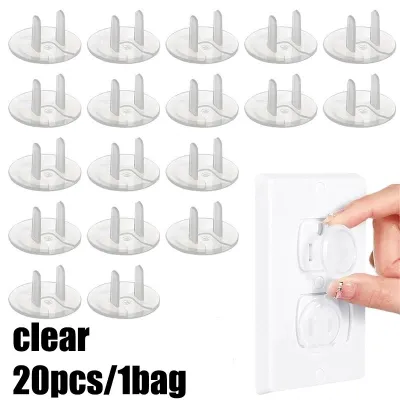
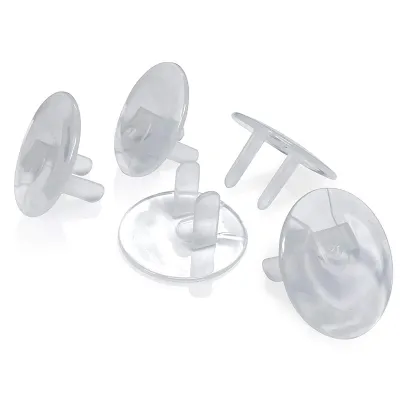
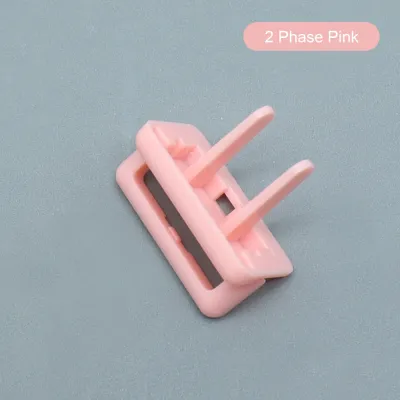
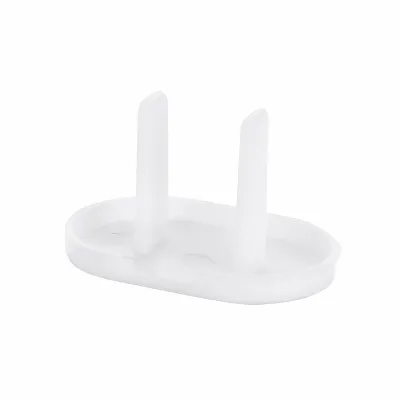
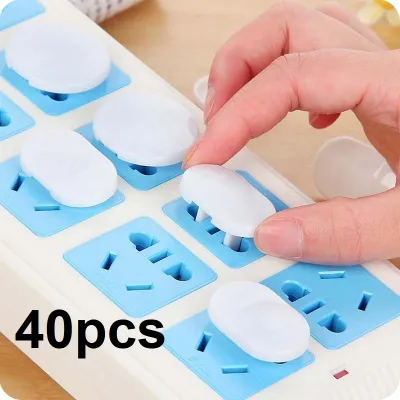
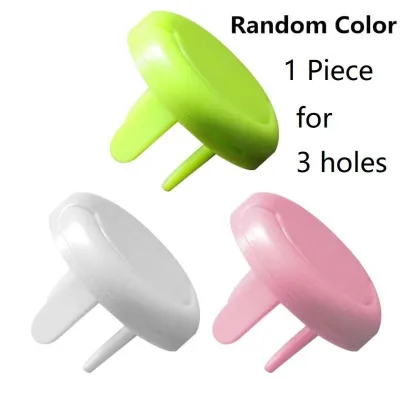
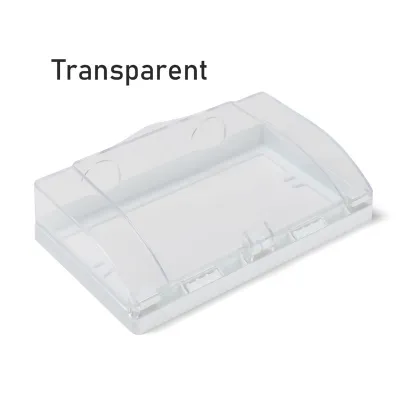
Prices are valid at publication and may change. Please refer to the product page for the latest price.
Why Standard Plug Inserts Fall Short for Active Toddlers
Traditional plastic outlet caps are often the first childproofing items parents buy, but they quickly lose their effectiveness as babies grow. Around the age of nine to twelve months, infants rapidly develop their fine motor skills, specifically the pincer grasp. This developmental milestone allows them to pinch small objects between their thumb and forefinger with surprising strength and precision. Once a toddler notices a plastic cap sticking out slightly from the wall, they will repeatedly attempt to pull it out, often succeeding through sheer persistence.

When a standard plug insert is removed, it immediately transforms from a safety device into a severe choking hazard. These caps are small, lightweight, and easily fit entirely inside a child’s mouth. If a toddler manages to pull one out while unsupervised, their natural instinct is to explore the object orally, creating an immediate emergency. This risk makes standard inserts highly problematic for low-lying outlets within a child’s reach.
Furthermore, standard inserts do nothing to prevent a child from attempting to insert slim, conductive objects like hairpins, keys, or paperclips directly into the socket slots if the cap is left off or partially loose. A physical locking mechanism solves this problem by securing the protective barrier directly to the outlet structure. Even if a child applies significant pulling force, twists the cover, or tries to pry it with a toy, the lock remains engaged, keeping the live electrical contacts completely isolated.
Key Features to Check Before Buying an Outlet Cover
Before purchasing any childproofing gear from local baby stores or online marketplaces, you must carefully verify the physical and material specifications on the product labels. Not all covers are built to the same standards, and choosing an inferior product can lead to premature failure.
Material Durability and Environmental Resistance
- Shatter-Resistant Plastics: Look for covers made from high-quality ABS plastic or polycarbonate. These materials can withstand impact if a toy is thrown at them or if they are accidentally kicked.
- Non-Toxic Composition: Ensure the manufacturer specifies that the plastic is BPA-free and non-toxic, as toddlers may attempt to bite or lick the covers.
- Humidity and Heat Tolerance: In the tropical climate of the Philippines, high humidity and ambient warmth can cause low-grade plastics to degrade, warp, or become brittle. Ensure the material is rated for warm indoor environments to prevent the locking tabs from snapping under pressure.
Outlet Compatibility and Fit
- Plate Dimensions: Philippine homes feature a variety of wall plate styles, ranging from classic duplex outlets to modern, rectangular wide-series plates. Measure your wall plates carefully to ensure the cover fits flush against the wall without gaps.
- Adjacent Switch Clearance: Many local outlet configurations place light switches and plug sockets on the same wall panel. A cover that is too wide may block the adjacent switch, rendering it unusable.
- Plug Alignment: Verify whether the cover allows you to use standard two-prong flat plugs or three-prong grounded plugs without forcing the cord at an awkward, unsafe angle.
Ease of Adult Use
- One-Handed Operation: Caregivers often have their hands full with a baby, laundry, or toys. The locking mechanism should be simple enough for an adult to open with one hand while remaining completely secure against a child's two-handed attempts.
- Intuitive Latches: Avoid overly complex designs that frustrate adults, as this often leads to caregivers leaving the covers unlocked or completely removed for convenience.
Comparing Locking Mechanisms to Find the Right Fit
Locking socket covers generally fall into three distinct design categories, each offering a different balance of security and convenience. The best option for your home depends on how frequently you need to access the specific outlet and where it is located in the room.
Dual-Press or Squeeze-Release Covers
Dual-press covers require the user to apply simultaneous pressure to two separate release points on the sides of the device before the cover can be pulled away from the outlet. This design directly exploits the developmental limitations of toddlers, who lack the bilateral hand coordination and finger strength required to squeeze two distinct buttons while pulling outward.
These covers are highly practical for outlets that you need to access on a daily basis, such as those used for vacuum cleaners or phone chargers. They provide quick, tool-free access for adults while maintaining a high level of security. However, if a caregiver has limited hand mobility, joint pain, or weak grip strength, squeezing these tabs repeatedly can be difficult, so this factor must be considered before purchasing.
Key-Operated or Tool-Required Locks
Key-operated covers feature a physical locking cylinder or a specialized latch that can only be released using a matching plastic key, a coin, or a flat-head tool. This design offers the highest level of security because it completely removes the possibility of a child figuring out the mechanism through trial and error.
These locks are ideal for outlets located in low-traffic areas, guest rooms, or hidden behind heavy furniture like beds, wardrobes, and sofas. Since these outlets are rarely accessed, you can lock them and keep the key safely stored out of reach. The primary drawback is the risk of losing the key; if the key is misplaced, accessing the outlet in an emergency can be highly inconvenient, and using makeshift metal tools to pry the cover open is extremely dangerous.
Sliding or Rotating Lock Plates
Sliding or rotating lock plates are full-face covers that temporarily or permanently sit over the existing outlet. To plug in an appliance, you must insert the plug prongs into the cover slots, slide or rotate the faceplate to align with the internal socket holes, and push the plug all the way in. When you unplug the appliance, an internal spring automatically slides the faceplate back to its original closed position, blocking the live slots.
These plates are excellent for high-traffic areas where appliances are used constantly, such as the living room or kitchen. They eliminate the risk of loose parts or keys getting lost because the protective barrier is integrated into the plate itself. When buying these, verify whether they use strong adhesive backing or require screw-in installation, as adhesive-only models must be checked regularly to ensure the tropical humidity has not weakened the bond.
Building Your Shopping Shortlist: A Step-by-Step Checklist
To ensure you purchase the correct socket cover kids safety with lock for your specific home layout, follow this structured checklist before finalizing your order.
Step 1: Audit and Measure Your Outlets
Walk through every room in your home and count the number of low-lying outlets within your child’s reach. Note the shape of each wall plate (rectangular wide-series, square, or duplex) and measure the outer dimensions. Write these down so you can compare them directly with the product specifications listed by sellers.
Step 2: Evaluate the Installation Method
Decide whether you want an adhesive-mounted cover, a screw-in model, or a box-style cover that encloses both the outlet and the active plugs. If you rent your home, adhesive or simple clip-on models are generally preferred as they do not require permanent modifications to the wall plates.
Step 3: Read Real User Reviews
When browsing online marketplaces, filter the reviews to look for feedback from buyers in warm, humid regions. Look specifically for mentions of adhesive failure, plastic warping, or locking springs that lose their tension over time. Avoid products with consistent complaints regarding brittle plastic or stiff locks that break during installation.
Step 4: Verify Age and Safety Warnings
Check the manufacturer’s product description for age recommendations. Most childproofing covers are designed for children up to 24 months of age. If your toddler is older or highly persistent, look for heavy-duty, tool-operated designs. Ensure the packaging includes clear safety warnings and instructions in a language you understand.
Step 5: Check for Quality and Compliance Marks
Upon receiving your order, inspect the physical product for visible safety certifications, material recycling codes, or manufacturer quality marks. The plastic should feel solid, smooth, and free of sharp edges or chemical odors. If the locking mechanism feels loose or fails to click into place out of the box, return the item immediately.
Safe Installation and Routine Maintenance Checks
Proper installation and regular maintenance are critical to ensuring your locked socket covers remain effective as your child grows. Even the best safety cover can fail if it is installed incorrectly or neglected over time.
Before installing any cover, ensure the electrical outlet and the surrounding wall area are completely clean and dry. In humid tropical environments, moisture can easily get trapped behind plastic covers, which can lead to mold growth or, in severe cases, electrical short circuits. Wipe the wall plate with a dry microfiber cloth to remove dust, oils, and lint. If you are using an adhesive-backed cover, let the adhesive cure for at least 24 hours before allowing your child near it or attempting to test the lock.
Always respect safety boundaries during installation. If a locking cover requires you to unscrew the existing wall plate or expose the internal wiring of the receptacle, you must turn off the main circuit breaker first. If you encounter loose wires, cracked internal housings, or signs of scorching inside the outlet box, stop immediately. Do not attempt to install the cover; instead, consult a qualified, licensed electrician to repair the outlet before proceeding.
Establish a routine to check all childproofing covers in your home every few months. Toddlers are persistent and will continuously test these barriers by pulling, kicking, or hitting them with toys. During your checks, look for the following signs of wear:
- Hairline cracks or discoloration in the plastic
- Adhesive backing that is peeling, sliding, or lifting at the edges
- Locking springs that feel sluggish or fail to snap back completely
- Loose screws on plates that allow the cover to wobble
If you notice any of these issues, remove the damaged cover immediately and replace it with a new one. Never attempt to repair a broken locking mechanism with tape or glue, as these temporary fixes can easily fail under a child’s persistent pulling.
Frequently Asked Questions (FAQ)
Can I use locked socket covers on power strips and extension cords?
Most locked socket covers are designed specifically for flat, stationary wall outlets and will not fit securely on portable power strips or extension cords. Power strips often have different socket spacing, shallower receptacles, and curved profiles that prevent a standard locking cover from seating flush. Using an ill-fitting cover on a power strip can leave gaps that a child can exploit, or it may cause the plug to sit loosely, creating a risk of electrical arcing and overheating. For portable power sources, it is safer to use a dedicated power strip safety box that encloses the entire strip, or keep the extension cords completely out of reach behind heavy furniture.
What should I do if the locking mechanism breaks or gets stuck?
If a locking mechanism becomes stuck or breaks while the cover is attached to the outlet, do not use excessive force or metal tools like screwdrivers, pliers, or knives to pry it open. Inserting metal tools near a live outlet carries a severe risk of electrical shock or short-circuiting. Instead, first turn off the electricity to that specific outlet at your home’s main circuit breaker panel. Once the power is safely cut, you can carefully use a plastic prying tool or non-conductive implement to release the broken latch. Discard the damaged cover immediately; never attempt to reuse a cover with a compromised lock, as it will no longer protect your child.
Are self-closing outlet plates better than add-on locking covers?
Self-closing outlet plates, which replace the entire faceplate with a spring-loaded sliding mechanism, offer a highly durable and permanent childproofing solution. They do not rely on adhesives, cannot be lost like keys, and look neat. However, they are generally more expensive, with prices in ₱ reflecting the cost of specialized hardware, and they require turning off the breaker and performing basic electrical wiring to install. If you are renting your home or prefer a quick, tool-free setup, high-quality add-on locking covers are often the more practical and cost-effective choice, provided you check them regularly for wear and tear.
Community discussion
Share your experience or ask a question. Comments are reviewed before publication.