
Operating in a tropical climate like the Philippines means managing both high temperatures and intense humidity, both of which directly impact your baby’s sleep quality and safety. Unlike adults, infants cannot efficiently regulate their own body temperature, making them highly susceptible to overheating when wrapped in unsuitable bedding. To keep your baby comfortable and safe during warm tropical nights, choosing a dedicated cooling blanket for baby sleep is an essential step rather than a luxury. Finding the right option requires understanding how fabrics interact with moisture and airflow in humid conditions.
Infants possess an immature thermoregulation system. Their sweat glands are not fully developed, and their body surface area is large relative to their weight, which means they absorb heat quickly but struggle to release it. In the Philippines, where relative humidity frequently exceeds 80 percent, sweat cannot evaporate efficiently from a baby’s skin. Because evaporation is the body’s primary natural cooling mechanism, this humid barrier leaves babies feeling damp, sticky, and highly uncomfortable, often leading to fitful sleep, frequent nighttime awakenings, and skin issues like heat rash.
Standard blankets, particularly those made from thick, tightly woven cotton flannel, polyester fleece, or heavy synthetic fills, act as thermal insulators. They trap a microclimate of stagnant, hot air and moisture directly against your baby’s skin. This trapped heat rapidly escalates the baby’s core body temperature, raising the risk of heat stress. Selecting bedding engineered specifically for high-airflow environments is therefore a critical safety measure to ensure your baby’s body can breathe and shed excess heat naturally throughout the night.
Products mentioned in this guide
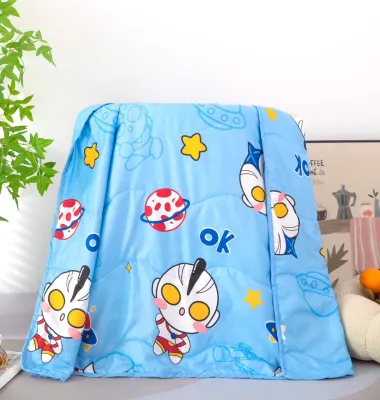
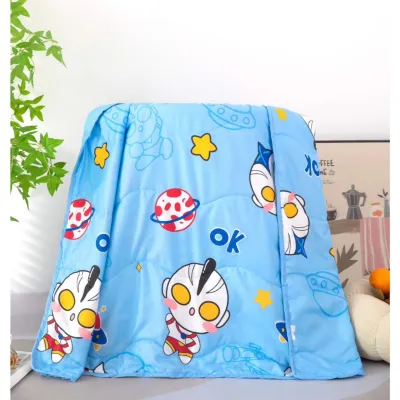
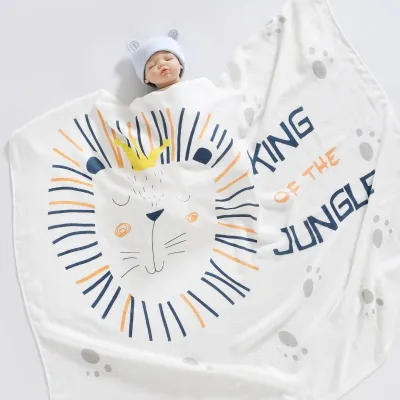
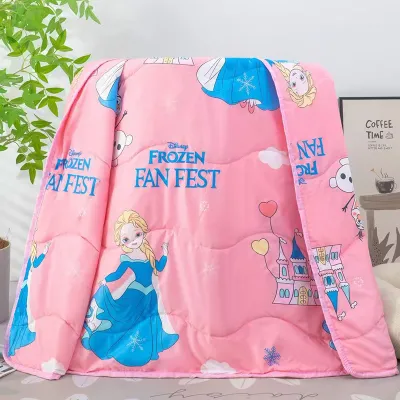
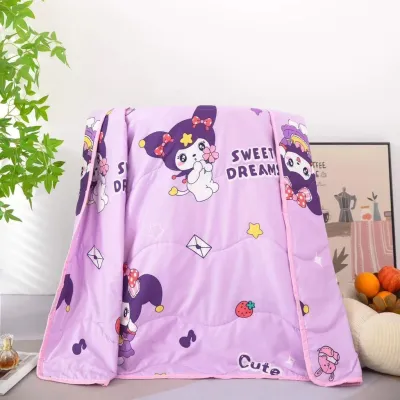
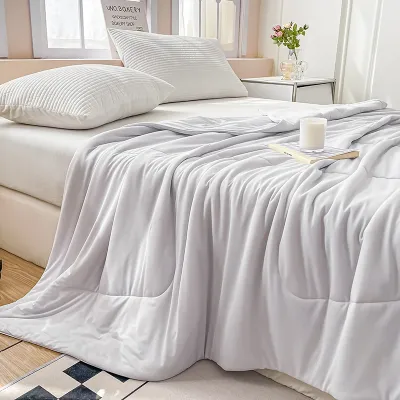
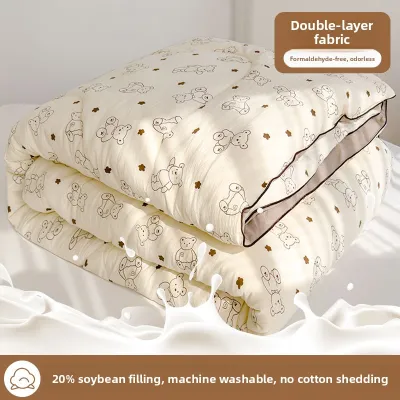
Prices are valid at publication and may change. Please refer to the product page for the latest price.
What Makes a Blanket Truly "Cooling" for Babies?
When shopping on local online marketplaces or visiting baby boutiques in the Philippines, you will find many products labeled as “cooling” or “ice-cool.” However, parents must look beyond marketing buzzwords to evaluate the physical properties of the bedding. A truly effective cooling blanket relies on two primary physical characteristics: the fiber composition of the material and the specific style of the weave.
Material and Weave: Beyond the Label
The raw material of your baby’s blanket dictates how it handles moisture, while the weave determines how much air can pass through the fabric. For tropical climates, three main materials stand out for their natural performance:
- Cotton Muslin: This is a lightweight, plain-weave cotton fabric that is exceptionally breathable. The open, loose weave allows air to circulate freely, preventing heat from becoming trapped. It is also highly durable and tends to become softer with every wash.
- Bamboo-Derived Viscose: Often labeled as bamboo rayon or bamboo viscose, this fabric is celebrated for its silky, cool-to-the-touch texture. Bamboo fibers naturally wick moisture away from the skin, which is incredibly beneficial in high-humidity environments where sweat accumulation is a constant issue.
- Lightweight Cotton Blends: Some blankets combine cotton with modal or lightweight synthetic fibers to increase durability and stretch. While these can be highly functional, parents should check the product label to ensure the synthetic content is minimal, as high percentages of polyester can compromise breathability.
Regardless of the material name on the packaging, always inspect the physical weave of the fabric. Hold the blanket up to a light source; you should easily see light filtering through the tiny gaps in the fibers. An open, porous weave is the single best indicator of a blanket’s ability to facilitate air exchange. Avoid any blankets that feature heavy inner polyester batting or quilted layers, as these are designed to trap heat for colder climates and are unsuitable for typical Philippine weather.
Understanding TOG Ratings for Tropical Nights
To make an informed decision, parents should look for the Thermal Overall Grade (TOG) rating on the product’s packaging or online description. TOG is a standardized European metric that measures the thermal resistance of textiles. The higher the TOG rating, the more heat the fabric retains.
- 0.2 to 0.5 TOG: This range is ideal for hot, humid tropical climates. Bedding in this category is paper-thin, often consisting of a single layer of open-weave muslin or bamboo viscose. It provides the comforting weight of a cover without adding insulating warmth.
- 1.0 TOG: This is generally suited for air-conditioned rooms kept at cooler temperatures (around 20°C to 22°C). It may feel too warm for rooms cooled only by electric fans.
- 1.5 TOG and above: These ratings are designed for cold climates or winter seasons and should generally be avoided in the Philippines unless recommended for specific medical reasons.
When selecting a TOG rating, always pair your choice with a careful assessment of your baby’s sleeping environment. If your nursery is equipped with air conditioning set to a stable 24°C, a 0.5 TOG sleep sack or blanket may be appropriate. If the room relies on an electric fan and natural ventilation, a 0.2 TOG option or even omitting a blanket entirely in favor of a lightweight cotton bodysuit is often the safest path.
Safe Sleep Practices and Overheating Warning Signs
While choosing a cooling blanket for baby comfort is a great step toward nighttime ease, safe sleep practices must remain your absolute priority. Overheating is not just an issue of comfort; it is a recognized risk factor for Sudden Infant Death Syndrome (SIDS). Caregivers must actively monitor their infants for physical signs of heat distress.

To check if your baby is too warm, place your hand directly on the back of their neck, their chest, or their tummy. These core areas provide an accurate reflection of their internal temperature, whereas their hands and feet will naturally feel cooler to the touch. Immediate signs of overheating include:
- A sweaty neck, damp hair, or a moist chest
- Flushed or red cheeks
- Rapid, shallow breathing
- Unusual restlessness, fussiness, or difficulty settling down
- The presence of small, red heat rash bumps (prickly heat) on the neck or shoulders
If you observe any of these signs, immediately remove the blanket, loosen or change their clothing, and take steps to cool the room. If your baby continues to show signs of distress, rapid breathing, or lethargy after you have removed the extra layers, stop using the bedding and consult a qualified healthcare professional or pediatrician immediately.
According to international safe sleep guidelines, loose blankets of any kind should not be placed in a crib with an infant under 12 months of age due to the risk of accidental suffocation. For younger babies, wearable blankets—commonly known as sleep sacks—are the safest alternative. These wearable options zip securely around the baby’s body, eliminating the risk of loose fabric shifting over the baby’s face.
Before using any sleep sack or blanket, verify the manufacturer’s documentation for specific age, weight, and height ranges, as well as development milestones (such as rolling over). Never assume a product is safe based solely on its name or marketing category. Always adjust your baby’s clothing layers beneath the blanket or sleep sack based on the room temperature; on particularly hot nights, a diaper and a single-layer 0.2 TOG sleep sack are often more than enough.
Washing and Drying Bedding in High Humidity
Maintaining clean, dry bedding is highly challenging in the Philippines, where persistent humidity and rainy seasons (such as the habagat monsoons) can make laundry care difficult. Sweat, drool, spit-up, and dead skin cells accumulate rapidly on baby bedding. In a humid environment, this organic buildup combines with airborne dust to create an ideal breeding ground for dust mites, bacteria, and mold.
To maintain a hygienic sleep environment, wash your baby’s cooling blankets and sleep sacks frequently. Always consult the manufacturer’s care label on the product before washing. Use a mild, hypoallergenic, baby-safe laundry detergent, and avoid fabric softeners. Fabric softeners leave a chemical residue that coats the fibers, which can drastically reduce the breathability and moisture-wicking capabilities of bamboo and cotton fabrics.
The most critical step in tropical bedding maintenance is ensuring the fabric is completely dry before it is used or stored. Storing even slightly damp blankets in a dark closet or placing them in a crib can lead to rapid mildew and mold growth within 24 to 48 hours. Mold spores can trigger severe respiratory issues, allergies, and skin irritation in sensitive infants.
To dry bedding thoroughly in high humidity, consider these practical approaches:
- Low-Heat Tumble Drying: If the manufacturer's label permits, use a clothes dryer on a low-heat or delicate setting. High heat can shrink cotton muslin and destroy the delicate fibers of bamboo viscose, so patience is key.
- Air-Drying with High Airflow: If line-drying outdoors, hang the blankets in direct sunlight, which provides natural UV sanitizing. If drying indoors during the rainy season, position an electric fan directly facing the hanging bedding in a well-ventilated room to keep air moving and prevent moisture from settling.
Before every single use, perform a quick sensory check. Inspect the fabric closely for tiny dark spots or discoloration, and smell the blanket to ensure there are no musty or sour odors. If you suspect mold or mildew has developed, stop using the item immediately. Wash it on a sanitizing cycle if the fabric care instructions allow, or replace the item entirely to protect your baby’s health.
Frequently Asked Questions (FAQ)
Can I use a regular cotton receiving blanket as a cooling blanket?
While 100% cotton is naturally breathable, standard receiving blankets are not ideal for cooling. Receiving blankets are typically constructed from tightly woven cotton flannel or interlock knit cotton. This dense weave is specifically designed to trap body heat and keep newborns warm immediately after birth. In contrast, a true cooling blanket or swaddle uses an open, loose weave—such as single-layer cotton muslin or bamboo-derived viscose—which allows air to pass through easily and prevents heat from building up around your baby.
At what age is it safe to introduce a blanket in a tropical climate?
Safe sleep guidelines from pediatric authorities globally advise against placing loose blankets, quilts, or sheets in a baby’s crib during their first year of life, regardless of how hot or humid the climate is. Loose fabrics pose a serious suffocation and strangulation hazard. For babies under 12 months, choose a lightweight, low-TOG wearable sleep sack or swaddle to keep them comfortable. Always consult your pediatrician and carefully check the manufacturer’s age, weight, and developmental milestones before transitioning your child from a sleep sack to a loose blanket.
Community discussion
Share your experience or ask a question. Comments are reviewed before publication.