
Finding the best cloth diaper pants for your baby girl involves matching her specific body shape, activity level, and your daily washing routine with the right diapering system. While many traditional cloth diapers are bulky, modern “diaper panty” styles, trim-fitting covers, and pull-up training pants offer streamlined alternatives that fit comfortably under cute dresses and rompers. The ideal choice depends on whether you prioritize quick changes, fast drying times in humid weather, or customizable absorbency for active play.
By understanding how different styles function and how to evaluate their fit, you can build a reliable collection that keeps your baby dry and comfortable. This guide breaks down the main styles, fit considerations, and practical features to help you compare options and build a reliable, comfortable stash that matches your baby’s body shape and your family’s daily routine.
Exploring Cloth Diaper Pant Styles and Systems
When exploring cloth diapering, you will quickly find that “diaper pants” can refer to several distinct systems. Understanding these categories is the first step in deciding which options will work best for your baby girl’s daily wardrobe and your household routine.
Products mentioned in this guide
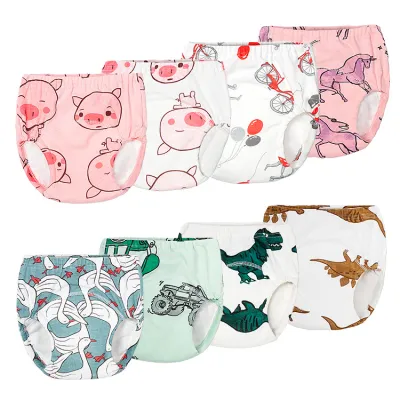
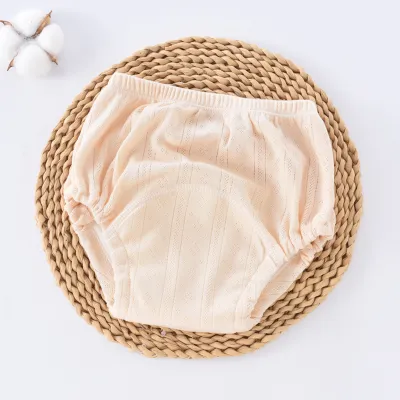
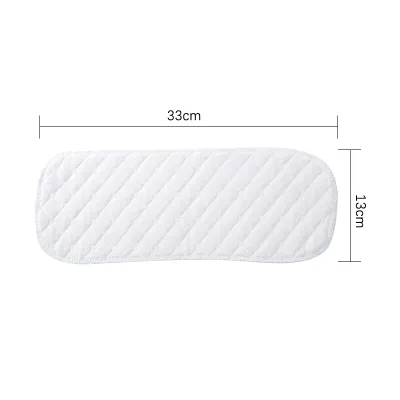
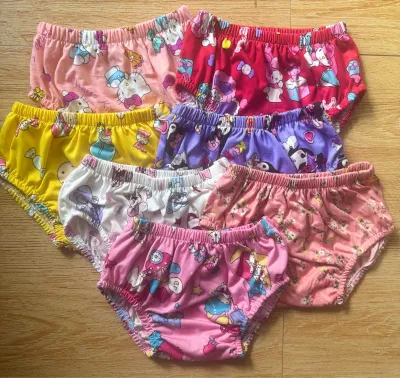
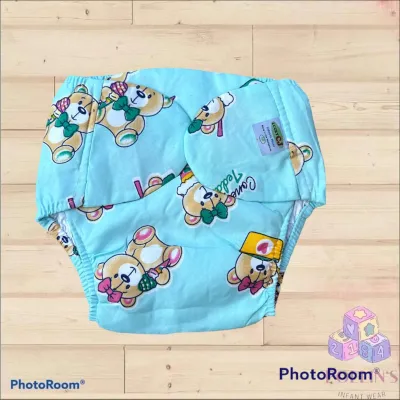
Prices are valid at publication and may change. Please refer to the product page for the latest price.
Diaper covers are waterproof shells, typically made of polyurethane laminate (PUL) or thermoplastic polyurethane (TPU), designed to be used with separate absorbent inserts. Because the cover itself does not absorb liquid, you can simply wipe the inner surface clean during a diaper change, replace the wet insert with a fresh one, and reuse the cover. This makes covers an exceptionally economical and trim option, though they require a bit of manual assembly.
Pocket diapers feature a waterproof outer layer sewn to a soft, stay-dry inner lining, creating a pocket where you stuff the absorbent inserts. This design keeps moisture away from your baby’s skin and allows you to customize the absorbency by choosing different insert materials. However, pocket diapers must be stuffed after every wash, and the entire diaper must go into the laundry after a single use.
All-in-One (AIO) diapers are the closest cloth alternative to disposable diapers because the absorbent layers are sewn directly into the waterproof shell. They offer maximum convenience, making them a popular choice for babysitters, grandparents, or daycare providers who may be less familiar with cloth diapering. The trade-off is that AIOs are generally more expensive and take significantly longer to dry due to their thick, integrated layers.
Pull-up training pants are designed for older babies and toddlers who are beginning to transition to the toilet. These pants feature stretchy side panels that allow your child to pull them up and down independently, fostering confidence during potty training. While they fit like real underwear, they typically offer lighter absorbency than standard diapers, meant to catch small accidents rather than full voids.
Evaluating Fit, Leak Prevention, and Comfort
Achieving a proper fit is essential for preventing leaks and ensuring your baby girl remains comfortable throughout her daily adventures. Because every baby has a unique body shape, understanding how to adjust and evaluate the diaper’s fit will help you avoid common issues like leaks and red marks.

Leg elastics and double gussets play a critical role in containing messes, especially for active babies who are crawling, rolling, or learning to walk. Double gussets provide an extra row of elastic lining the leg openings, creating a reliable double barrier against leaks. This feature is particularly beneficial for containing runny stools and preventing side leaks when your baby is sleeping on her side.
While some legacy brands marketed gender-specific diapers with extra padding in the middle or back for girls, modern cloth diapering relies on customizable inserts. Instead of searching for gender-specific designs, check the manufacturer’s specifications for adjustable rise snaps and insert options. You can easily fold inserts to concentrate absorbency where your baby girl needs it most, typically in the middle-to-front area for crawling babies or the middle-to-back for back sleepers.
A comfortable waistband prevents red marks on your baby’s delicate skin while keeping the diaper secure. Look for diaper pants with soft, stretchy elastics and adjustable rise snaps. Rise snaps allow you to shorten or lengthen the diaper’s torso, ensuring a snug fit from infancy through toddlerhood. The overall cut should hug your baby’s hips without digging into her thighs or tummy.
In warm and humid environments, heat rash and diaper dermatitis are common concerns. Choosing breathable outer materials like high-quality PUL or TPU is essential. For the inner lining, athletic wicking jersey (AWJ) is an excellent choice as it is lightweight, highly breathable, and keeps the skin feeling dry, unlike heavier microfleece which can trap heat.
Matching Diaper Styles to Your Baby's Daily Routine
Selecting the right diaper style often depends on what your baby girl is doing and who is caring for her at any given moment. A well-rounded stash usually includes a mix of styles tailored to different times of the day and specific activities.
For active daytime play and wearing under fitted clothing, trim-fitting pocket diapers or sleek covers are highly practical. They slide easily under dresses, leggings, and rompers without creating a bulky silhouette, allowing your baby to move freely. These styles are also excellent for daycare settings, where caregivers appreciate straightforward, pre-stuffed pocket diapers that function similarly to disposables.
Nighttime and long naps require maximum absorbency to ensure uninterrupted sleep. For these extended periods, consider using a high-capacity cover paired with a fitted diaper or a combination of bamboo and hemp inserts. Hemp is highly prized for its slow, dense absorption, while bamboo absorbs quickly. Placing a hemp booster underneath a bamboo insert inside a pocket diaper or cover creates a reliable overnight system.
As your baby girl grows into a toddler and begins showing signs of toilet readiness, traditional snap diapers can become difficult to put on a wriggling child. Stretchy pull-up training pants are perfect for this stage. They allow your child to practice pulling her pants down and up, mimicking adult underwear while still offering a waterproof layer and light absorbency for minor leaks.
When building your routine, consider your local climate and laundry setup. While All-in-One (AIO) diapers offer unmatched convenience for quick changes at daycare or when out running errands, their thick, sewn-in layers take a long time to dry. In humid tropical conditions, a system of separate covers and inserts or pocket diapers is often more practical, as the individual pieces dry much faster on the clothesline.
Building Your Cloth Diaper Shortlist and Buying Checklist
When you are ready to purchase cloth diaper pants, having a clear checklist will help you make informed decisions and avoid costly purchasing mistakes. Whether you are shopping on online marketplaces or at local baby boutiques, keep these practical steps in mind.
Before purchasing any cloth diaper pants, carefully review the manufacturer’s size charts and weight recommendations. Many brands offer “one-size” (OS) options designed to fit babies from approximately 3 kilograms up to 15 kilograms using adjustable snaps. However, if your baby girl is on the petite side or has chunky thighs, checking specific user reviews regarding fit can save you from purchasing diapers that are too loose around the legs.
High-quality hardware is essential for a diaper that will survive hundreds of wash cycles. Look for durable resin snaps that click securely into place, or high-quality hook-and-loop closures that offer a highly customizable waist fit. Examine the inner waterproof lining; it should feel smooth and intact, without any signs of peeling or cracking, which could lead to immediate leaks.
It is tempting to buy a complete, matching set of one specific diaper style, but babies have unique body shapes that change as they grow. Start by purchasing a small trial stash containing one or two of each style—such as a pocket diaper, a cover with inserts, and an AIO. Testing these options in real-life scenarios will help you identify which style fits your baby girl’s thighs and waist best before you invest in a larger quantity.
When shopping on online marketplaces or local baby boutiques, pay close attention to return policies and warranties. Because cloth diapers are personal hygiene items, most retailers will not accept returns once the diapers have been washed or worn. Look for brands that offer warranties on manufacturing defects, such as broken snaps or failing elastics, and factor in shipping times and costs when calculating your overall budget.
Maintaining Elasticity and Waterproofing
Proper care and washing are vital to preserving the fit, elasticity, and waterproofing of your cloth diaper pants over time. By establishing a consistent laundry routine, you can protect your investment and ensure the diapers remain comfortable and leak-free.
To keep your cloth diaper pants in excellent condition, always adhere to the manufacturer’s washing instructions. Use a standard, residue-free detergent that effectively cleans without leaving behind oils or enzymes that can coat the fabric. If you live in an area with hard water, you may need to add a water softener to prevent mineral deposits from building up in the fibers, which can cause odors and reduce absorbency.
Heat is the primary enemy of cloth diaper longevity. Avoid washing your diaper shells in extremely hot water or drying them on high heat in a machine dryer, as this can melt the waterproof laminate and stretch out the leg elastics. Instead, line-dry your diaper covers and pocket shells in the shade. While sunlight is excellent for bleaching out stains on inserts, direct, intense tropical sun can degrade delicate elastics over time.
If you notice that liquid is pooling on top of the diaper lining instead of absorbing, or if the diapers have a strong ammonia smell after use, you may be dealing with detergent or mineral buildup. Avoid using fabric softeners or dryer sheets, as these coat the fibers and cause repelling. If buildup occurs, a deep-cleaning maintenance routine, often called “stripping,” may be necessary to restore the fabric’s absorbency, but this should only be done following safe, fabric-specific guidelines.
Once your diapers are clean and dry, store them in a cool, dry place away from direct sunlight and high humidity. Avoid stretching the elastics when folding or storing them; instead, lay them flat or fold them gently without putting tension on the leg bands. Keeping your diapers organized and ready for use ensures quick changes and helps maintain their shape for years to come.
Frequently Asked Questions (FAQ)
Do baby girls need specific absorbency zones in cloth diapers?
No, baby girls do not strictly require gender-specific absorbency zones. While some disposable brands place more absorbency in the middle for girls, cloth diapering allows you to customize the absorbency yourself. By using versatile inserts made of cotton, bamboo, or hemp, you can fold or position the padding to target the areas where your baby girl wets the most. Observing her individual wetting patterns and adjusting the insert placement inside a pocket diaper or cover is far more effective than relying on pre-made gendered designs.
How many cloth diaper pants do I need for a full-time stash?
For a full-time cloth diapering routine, a stash of 20 to 24 diapers is generally recommended if you plan to wash every two days. If you are using a diaper cover system, you will need fewer waterproof covers—about 6 to 8 covers—since they can be wiped clean and reused, paired with 24 absorbent inserts. If you prefer pocket diapers or All-in-Ones, you will need the full 20 to 24 complete diapers, as the entire diaper must be washed after each use. Having a slightly larger stash reduces wear and tear on individual diapers, extending their overall lifespan.
Community discussion
Share your experience or ask a question. Comments are reviewed before publication.