
When feeding your baby on the go in the Philippines, maintaining hygiene and temperature control is a major challenge for parents. The best bottle storage organizer is one that balances robust thermal insulation, waterproof and easy-to-clean interior linings, and secure upright compartments to prevent leaks. In a tropical climate where high temperatures and humidity accelerate bacterial growth, a dedicated organizer is not just a convenience—it is a critical tool for food safety.
Finding the right organizer depends on your daily routine, whether you are running quick errands or embarking on a long road trip. By choosing a bag designed specifically for baby bottles, you protect your baby’s milk from spoiling while keeping all feeding essentials clean and organized. A well-chosen organizer simplifies outings, giving you peace of mind that your baby’s next meal is safe, fresh, and ready to serve.
Core Features to Look for in a Portable Bottle Organizer
Selecting a high-quality bottle storage organizer requires looking beyond aesthetics to evaluate functional design. The unique demands of traveling with a baby mean your gear must perform under pressure, keeping milk safe and accessories sterile.
Products mentioned in this guide
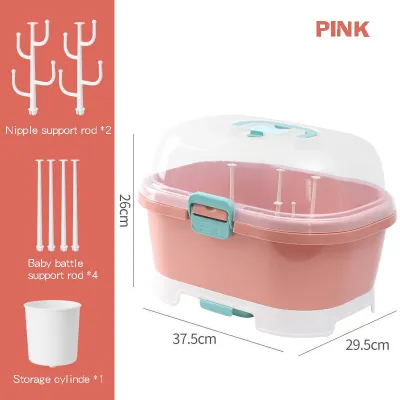
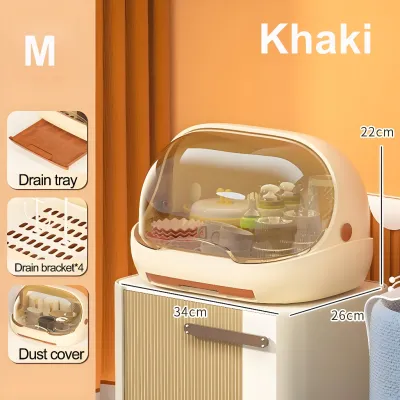
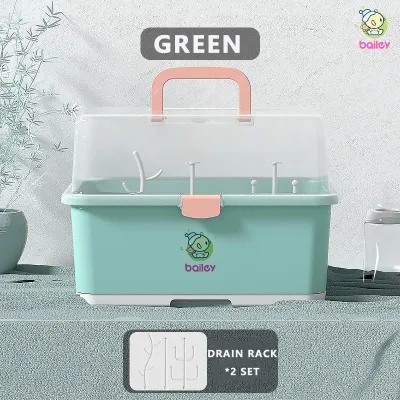
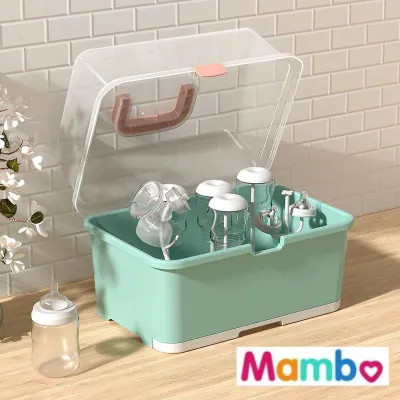
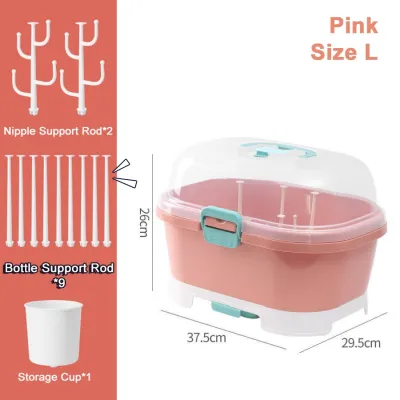
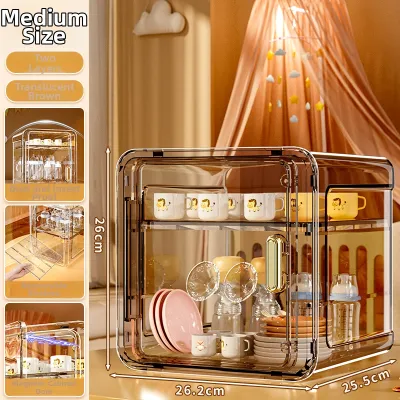
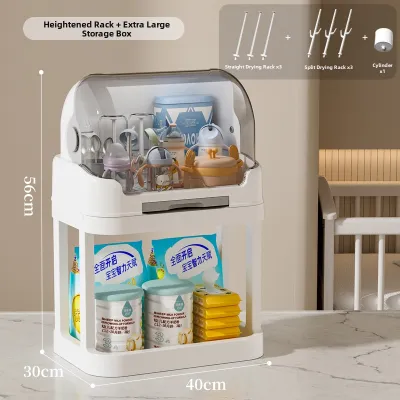
Prices are valid at publication and may change. Please refer to the product page for the latest price.
Thermal Insulation and Temperature Control The primary defense against spoiled milk in a warm climate is high-quality thermal insulation. Look for organizers featuring thick, multi-layered insulating walls, often lined with food-grade aluminum foil or specialized thermal foam. This barrier helps maintain a stable internal temperature, whether you are carrying chilled breastmilk or warm water for formula preparation. In tropical conditions, standard uninsulated bags fail within minutes, making robust insulation an absolute necessity for any outdoor excursion.
Waterproof and Easy-to-Clean Linings Spills are inevitable when handling baby bottles on the move. The interior lining of your organizer should be completely waterproof and easy to wipe down with a damp cloth. Look for materials that resist staining and do not absorb lingering odors from spilled milk or formula. Seamless interior designs are particularly beneficial, as they leave no crevices where liquid can hide and breed bacteria or mold.
Upright Compartment Design A well-designed organizer must keep bottles standing upright at all times. Look for bags equipped with internal elastic bands, mesh pockets, or dedicated dividers that snugly grip bottles of various sizes. Keeping bottles vertical prevents slow leaks from loose caps and ensures that the nipples remain clean. Additionally, a good compartment layout should separate clean feeding items from used, soiled bottles or other personal belongings.
Portability and Carrying Options An organizer is only useful if it is easy to transport alongside a stroller, diaper bag, and baby carrier. Look for models that offer versatile carrying options, such as adjustable and detachable shoulder straps, comfortable top grab handles, and integrated stroller straps or clips. Stroller attachments are especially valuable, as they free up your hands and keep bottles within arm’s reach during walks.
Compatibility with Various Bottle Sizes Not all baby bottles are shaped the same. Some brands feature wide-neck designs, while others are tall and narrow. When choosing a bottle storage organizer, check if the internal pockets or elastic bands are flexible enough to accommodate your preferred bottle brand. An organizer that is too tight can make retrieving bottles difficult, while one that is too loose will fail to keep bottles upright, leading to leaks.
Matching the Organizer to Your Outing Scenario
Not every trip requires the same amount of gear. Matching your bottle storage organizer to the duration and nature of your outing ensures you have enough storage without carrying unnecessary bulk.

Quick Errands and Daily Strolls
For short trips like a quick walk around your neighborhood, a visit to a nearby clinic, or a fast grocery run, a bulky bag is often more trouble than it is worth.
Compact and Lightweight Profiles A compact organizer designed to hold one or two bottles is ideal for short excursions. These slim bags take up minimal space and can easily slide into a larger personal tote or hang from your stroller handlebar. They provide just enough room for a single feeding session without adding extra weight to your load.
Fast and Easy Access When your baby is hungry, every second counts. Look for quick-access closures such as smooth zippers, magnetic snaps, or simple velcro flaps. These allow you to retrieve a bottle with one hand while holding your baby with the other, minimizing fussiness during transitions.
Long Trips and Tropical Weather Outings
Extended travel, such as family reunions, mall day-trips, or out-of-town road trips, presents greater challenges, especially when navigating the intense heat and humidity of the Philippines.
High-Capacity and Multi-Bottle Storage Longer outings require an organizer that can accommodate three to four bottles, along with extra space for formula dispensers, baby food jars, and utensils. These larger bags often feature dual-compartment designs, allowing you to store cold items in one section and warm or dry items in another.
Dedicated Ice Pack Compartments To keep milk at a safe temperature for several hours in hot weather, your organizer must accommodate ice packs. Look for bags with dedicated mesh pockets designed specifically to hold gel ice packs flat against the bottles, maximizing cold transfer and preventing the ice packs from shifting or crushing other items.
Weather-Resistant Outer Shells Sudden tropical downpours and high humidity can quickly saturate a standard fabric bag. Choose organizers made from water-resistant exterior fabrics like high-density nylon or treated polyester. These materials protect the interior contents from rain and are easy to wipe dry after exposure to the elements.
Structural Stability A larger bag must maintain its shape even when fully loaded with heavy glass or plastic bottles. Look for reinforced bases and sturdy side panels that prevent the bag from collapsing or tipping over when placed on a flat surface, such as a restaurant table or a car seat.
Navigating Diverse Environments In the Philippines, an outing often involves transitioning from highly air-conditioned shopping malls to hot, humid outdoor spaces. These rapid temperature shifts can cause condensation to build up on the outside of your bottles and inside the organizer. Choosing an organizer with a breathable mesh pocket or a moisture-absorbing lining helps manage this condensation, keeping your feeding gear dry and comfortable to handle.
How to Keep Bottles Clean and Milk Safe While Traveling
Using a high-quality bottle storage organizer is only half the battle; practicing proper hygiene and temperature management is essential to protect your baby’s health.
Ensure Complete Dryness Before Storage Never store damp or wet bottles inside a closed organizer. The combination of residual moisture and warm tropical air creates an ideal breeding ground for mold and bacteria. After washing or sterilizing bottles, allow them to air dry completely on a clean surface before packing them. If you must pack a damp bottle in an emergency, wipe it dry with a clean, single-use paper towel first.
Safe Ice Pack Utilization When carrying expressed breastmilk or pre-mixed formula, always use high-quality gel ice packs to maintain a cold environment. It is crucial to cross-reference the organizer manufacturer’s stated insulation duration with standard pediatric and health guidelines for safe milk storage. Remember that extreme outdoor temperatures will shorten the effective cooling time of any insulated bag, so plan your feeding schedule accordingly.
Prevent Cross-Contamination Keep your bottle organizer strictly dedicated to feeding items. Avoid storing used diapers, dirty clothes, keys, or mobile phones in the same compartment as clean bottles and nipples. If your organizer has external pockets, use those exclusively for non-feeding items, keeping the sterile interior reserved solely for your baby’s food.
Avoid Extreme Heat Exposure Never leave your bottle storage organizer inside a parked car, as cabin temperatures can skyrocket within minutes, rapidly spoiling milk and degrading the bag’s insulation materials. Similarly, avoid placing the bag in direct sunlight while outdoors. Always seek shade or keep the organizer tucked underneath the stroller canopy where it is shielded from direct solar heat.
Evaluating Materials and Build Quality
Before purchasing a bottle storage organizer, take the time to inspect its materials and construction to ensure long-term durability and chemical safety.
Verify Chemical and Material Safety Always check product labels, packaging, or manufacturer descriptions to confirm that all interior linings are food-safe and completely free from harmful chemicals such as BPA, phthalates, lead, and PVC. Since baby bottles and nipples directly contact these surfaces, ensuring chemical safety is paramount.
Inspect Hardware and Exterior Fabrics The durability of an organizer often depends on its hardware. Test the zippers to ensure they slide smoothly without snagging or splitting under tension. Look for heavy-duty metal or reinforced plastic zippers and double-stitched seams, which prevent tearing at major stress points like strap attachments and corners.
Follow Manufacturer Care Instructions To maintain the structural integrity and hygienic properties of your bag, always follow the manufacturer’s specific cleaning instructions. Some bags are machine washable on gentle cycles, while others must be hand-washed or spot-cleaned only. Avoid using harsh chemical bleaches or abrasive scrubs, which can damage waterproof coatings and degrade thermal insulation layers.
Frequently Asked Questions (FAQ)
Can I use a regular insulated lunch bag instead of a dedicated bottle organizer?
While a regular insulated lunch bag offers basic temperature retention, it lacks the specialized features necessary for safe baby feeding. Dedicated bottle organizers feature upright pockets or elastic loops to keep bottles from tipping over and leaking. They also include stroller attachments, dedicated clean zones for nipples and pacifiers, and are built with certified baby-safe, toxin-free materials that standard lunch bags may not guarantee.
How do I prevent mold inside the bottle bag in humid weather?
To prevent mold growth in humid tropical climates, always wipe down the interior of the bag with a clean, damp cloth and mild, baby-safe soap after every use. Leave the bag completely open in a well-ventilated, dry area to air out. Never store the organizer in a dark, closed closet while it is still damp, and avoid leaving wet wipes or damp washcloths inside the compartments overnight.
Community discussion
Share your experience or ask a question. Comments are reviewed before publication.