
Selecting the right bottle cleaning brush is a fundamental step in maintaining your baby’s feeding hygiene. While it might seem like any brush can clean any bottle, the physical properties of glass, plastic, and silicone require distinct cleaning approaches. Using an incompatible tool can lead to surface damage, which shortens the lifespan of your bottles and creates microscopic hiding places for milk proteins and bacteria.
In tropical environments like the Philippines, where high humidity and warm temperatures accelerate bacterial growth, keeping feeding equipment pristine is critical. A scratched bottle or a damp, slow-drying brush can quickly become a breeding ground for pathogens. By matching your cleaning tools to the specific materials of your baby bottles, you can ensure a thorough clean while preserving your feeding gear.
Understanding How Bottle Materials Affect Cleaning Needs
Every baby bottle material has unique physical characteristics that dictate how it should be handled during washing. Plastic bottles, which are typically lightweight and shatterproof, are highly susceptible to physical abrasion. Even minor friction from stiff bristles can create microscopic scratches on the inner walls of BPA-free plastic. Over time, these tiny grooves trap milk fats and proteins, making them difficult to sanitize and providing an ideal environment for bacterial colonization.
Products mentioned in this guide
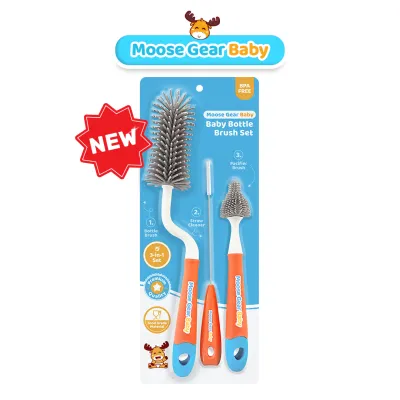

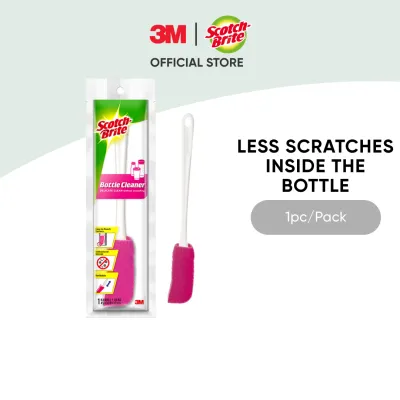
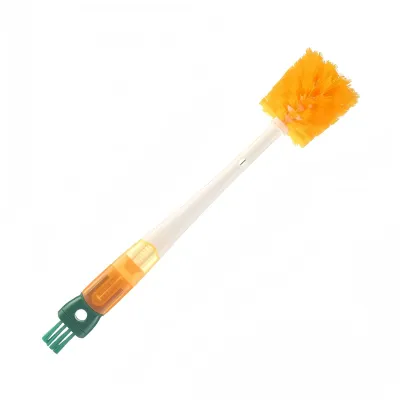
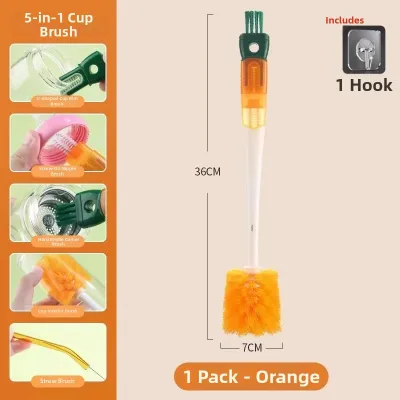
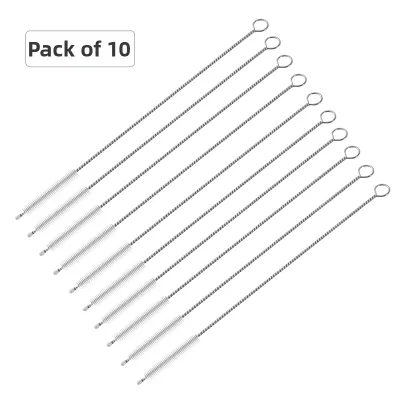
Prices are valid at publication and may change. Please refer to the product page for the latest price.
Glass bottles offer excellent durability and are highly resistant to scratching, allowing for a more vigorous scrub. However, glass is inherently fragile and prone to chipping or cracking under sudden impact. Cleaning glass requires tools that clean deeply without putting undue physical stress on the bottle walls or bottom.
Silicone bottles are prized for their soft, flexible, and non-porous nature. While silicone is highly resistant to extreme temperatures, its pliable surface can tear if subjected to sharp edges. Silicone also has a tendency to retain oily milk residues and strong odors if not cleaned thoroughly with a compatible tool.
Before purchasing any cleaning accessory, always check the manufacturer’s care instructions and material labels on your baby bottles. Different brands use proprietary materials that may have specific washing restrictions. Aligning your brush selection with these official guidelines is the safest way to protect your investment.
Matching Brush Types to Bottle Materials
To keep your bottles in optimal condition, you must establish a clear decision framework based on the brush head material. The three primary brush types available are sponge, silicone, and soft nylon bristle. Each material offers distinct levels of friction, flexibility, and moisture retention, making them suitable for different bottle surfaces.

Cleaning Glass Baby Bottles
Glass baby bottles are highly scratch-resistant, giving you more flexibility when choosing a bottle cleaning brush. Firm nylon bristle brushes or dense sponge brushes are highly effective for glass, as they can easily scrub away stubborn, dried-on milk residue without leaving marks. The rigid structure of glass allows you to apply steady pressure to ensure the bottom corners are completely clean.
However, you must pay close attention to the construction of the brush handle and tip. Brushes with exposed metal wires or hard plastic tips can chip or scratch the glass bottom if pushed with excessive force. Look for brushes that feature a fully covered tip, such as a sponge wrap or a protective silicone cap, to prevent accidental impact damage.
Before every wash cycle, visually inspect your glass bottles for chips, hairline cracks, or persistent cloudiness. Discontinue use immediately if you spot any structural damage, as cracked glass can break during cleaning or feeding.
Cleaning Plastic Baby Bottles
Plastic baby bottles require a gentle touch to maintain their smooth, non-porous inner surfaces. Soft nylon bristle brushes or high-quality sponge brushes are generally preferred for cleaning BPA-free plastics. These materials glide smoothly over the plastic walls, removing milk film without creating the micro-scratches that ruin the bottle’s clarity and hygiene.
You should strictly avoid using stiff-bristled brushes, abrasive scouring pads, or any brush with exposed metal wires at the tip. These harsh tools can quickly degrade plastic, leaving a hazy, scratched surface that easily harbors bacteria. Even a single rough cleaning session can compromise the integrity of a plastic bottle.
Regularly inspect the interior of your plastic bottles under direct light. If you notice visible scratch marks, persistent cloudiness, or a lingering sour milk smell, it is a clear signal that the plastic has degraded and the bottle should be replaced.
Cleaning Silicone Baby Bottles
Silicone baby bottles require specialized care due to their flexible and pliable construction. Soft sponge brushes or dedicated silicone brushes are the most suitable options for cleaning these bottles. These tools conform easily to the changing shape of the silicone walls, ensuring that every curve is reached without tearing or degrading the material.
A critical aspect of cleaning silicone bottles is addressing the smaller, delicate components like anti-colic vents and nipples. These areas are highly prone to milk accumulation but can easily tear if forced open with a standard-sized brush. Always use a dedicated, smaller teat brush designed specifically for nipples and vents to clean these parts gently and thoroughly.
Silicone is naturally prone to retaining odors and milk oils if not cleaned promptly. Rinse the bottles with warm water immediately after feeding, and use a brush that can effectively emulsify milk fats. Ensure you rinse thoroughly and dry completely in a well-ventilated area to prevent lingering smells.
Key Features to Look for in a Bottle Cleaning Brush
When shopping for a bottle cleaning brush, evaluating specific design and hygiene features will help you choose an effective tool. Start by examining the handle design. An ergonomic grip prevents slipping, while a 360-degree rotating handle allows you to clean the bottle walls with a simple twisting motion, reducing wrist strain. A built-in hanging loop is also highly beneficial for air-drying.
Next, assess the brush tip carefully. Ensure there is no exposed metal wire at the very end of the brush head, which can scratch plastic or chip glass. Opt for designs where the bristles or sponge wrap entirely around the tip, providing a soft cushion against the bottle’s interior surfaces.
In the humid tropical climate of the Philippines, hygiene factors are paramount. Brushes that dry slowly can quickly develop mold, mildew, and unpleasant odors. Look for brushes made from quick-drying materials, or those that come with a dedicated storage stand that keeps the brush head elevated and away from wet countertops.
Finally, verify compatibility between the brush and your specific bottle brand. Wide-neck bottles require a wider brush head, while standard narrow-neck bottles need a slim, tapered brush. Ensuring the brush head size and shape match your bottles will make your daily cleaning routine much more efficient.
How to Maintain and Replace Your Bottle Cleaning Brush
A bottle cleaning brush is only as hygienic as the care it receives. To prevent the brush from spreading bacteria, establish a regular cleaning and sanitizing routine. After each use, rinse the brush thoroughly under warm running water to remove all soap suds and milk residue, then hang it to dry in a well-ventilated area.
Sanitize the brush periodically according to the manufacturer’s guidelines. Some silicone and high-quality plastic brushes can be boiled, steam-sterilized, or placed in the top rack of a dishwasher. Always verify the packaging instructions first, as excessive heat can melt certain plastics or degrade sponge materials.
Keep a close eye on observable signs of wear and tear. For nylon brushes, look for fraying or falling bristles. For sponge brushes, watch for tearing, crumbling, or persistent discoloration. If you notice visible mold spots, a lingering sour odor, or a bent wire core that exposes sharp edges, discard the brush immediately.
As a general rule, replace your brush regularly to maintain optimal hygiene. Sponges typically require more frequent replacement than silicone or nylon brushes due to their tendency to retain moisture. Regularly checking the brush’s condition ensures that your cleaning routine remains safe and effective.
Frequently Asked Questions (FAQ)
Can I use the same bottle cleaning brush for both glass and plastic bottles?
While it is physically possible, using the same brush for both materials carries risks. A stiff-bristled brush that is perfectly safe and effective for scratch-resistant glass can easily leave micro-scratches on softer plastic bottles. Additionally, scrubbing rigid glass can wear down brush bristles faster, making them less effective when you switch to plastic. If you use both bottle types, it is best to keep separate brushes or use a universally soft brush, such as a high-quality silicone or soft sponge brush, to protect your plastic bottles from damage.
Are silicone bottle cleaning brushes better than sponge brushes?
Neither brush is universally superior; rather, they excel in different areas based on their material properties. Silicone brushes are highly durable, dry quickly, and resist mold and odor accumulation, making them excellent for long-term hygiene, especially in humid climates. However, they do not generate as much soapy lather as sponge brushes. Sponge brushes excel at creating a rich lather and wiping away fine milk films, but they retain moisture longer, wear out faster, and require more frequent replacement to prevent bacterial growth.
How do I clean the narrow neck of a baby bottle?
Cleaning narrow-neck bottles requires a brush specifically designed for slim openings. Look for brushes with tapered heads, flexible necks, or specialized narrow-bottle designs that can slide through the opening without catching. When cleaning, pay special attention to the collar threading and the inner rim of the bottle neck, as milk residue easily accumulates in these tight grooves. Gently rotate the brush as you withdraw it to ensure these high-contact areas are thoroughly scrubbed and rinsed.
Community discussion
Share your experience or ask a question. Comments are reviewed before publication.