
Selecting the right blanket for a newborn baby in the Philippines requires balancing comfort with the realities of a tropical climate. The best choice is a highly breathable, lightweight, and moisture-wicking natural fiber, such as open-weave cotton muslin or bamboo-derived rayon. These materials allow air to circulate freely and prevent heat from trapping against the baby’s delicate skin, reducing the risk of overheating and heat rash.
Understanding Newborn Temperature Regulation in Tropical Climates
Newborns cannot regulate their body temperature the way older children or adults do. Their sweat glands are still developing, which means they cannot efficiently cool themselves down when exposed to high heat. Because of this physiological limitation, infants rely entirely on their caregivers and their immediate environment to maintain a safe and comfortable body temperature.
In the Philippines, where high ambient humidity is a constant factor, the air is often saturated with moisture. This high humidity severely limits the evaporation of sweat from a baby’s skin. When sweat cannot evaporate, the baby’s natural cooling mechanism fails, which can quickly lead to extreme discomfort, heat rash, or more severe heat-related issues.
Products mentioned in this guide
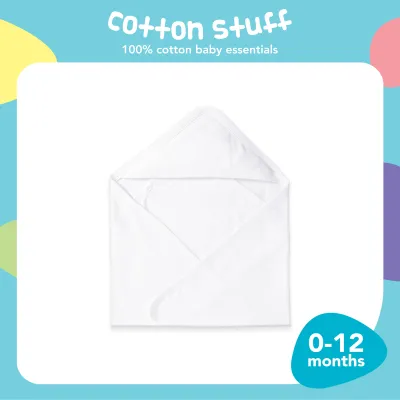
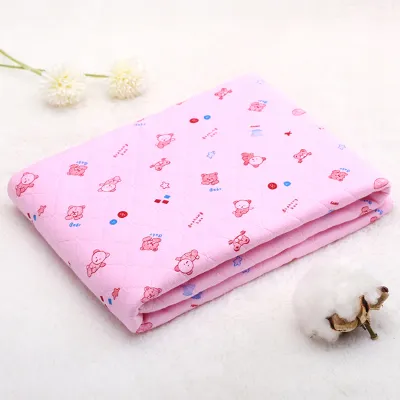
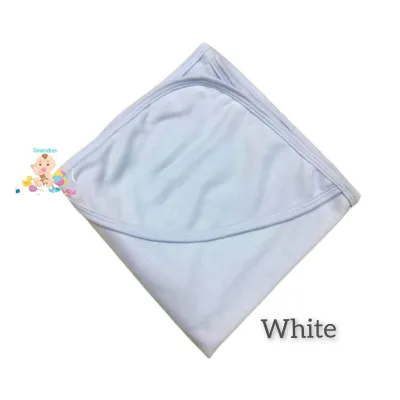
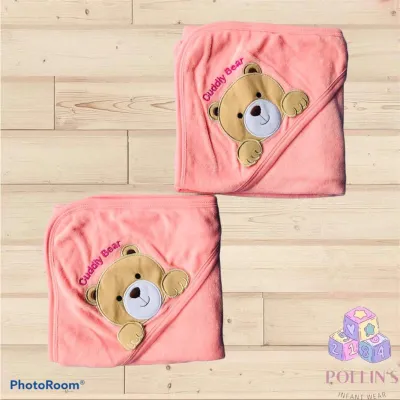
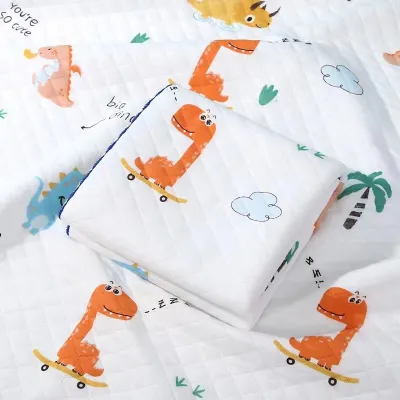
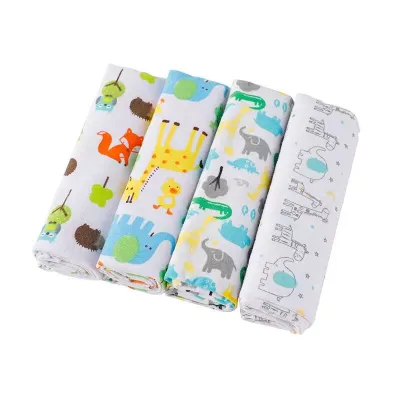
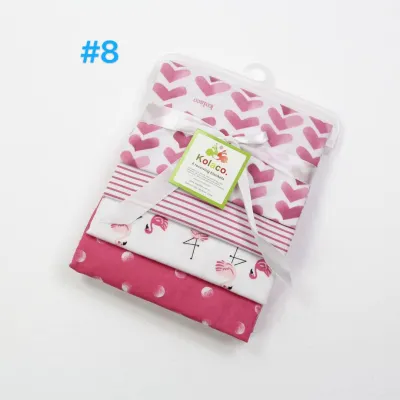
Prices are valid at publication and may change. Please refer to the product page for the latest price.
Caregivers must learn to recognize the subtle, observable signs of a baby’s thermal state. An overheating newborn may exhibit damp hair, a flushed face, rapid breathing, or a warm chest and back. Conversely, a baby who is too cold might have pale skin or become unusually quiet, though cold hands and feet are normal for newborns and not a reliable indicator of core temperature.
Key Fabric Properties to Look for in a Newborn Blanket
When shopping for a blanket for a newborn baby, parents should prioritize specific fabric properties that actively counter tropical heat. The first and most critical property is breathability. Breathability is determined by the weave density and the physical structure of the fibers, which dictate how easily air can circulate through the material to prevent heat buildup.

Moisture management is another essential trait. A high-quality tropical blanket should pull moisture away from the baby’s skin and allow it to dissipate into the air, rather than trapping dampness against the body. Fabrics that trap moisture create a humid microclimate next to the skin, which encourages bacterial growth and skin irritation.
The weight and drape of the fabric also play a vital role in safety and comfort. Lightweight, flexible fabrics drape gently over the baby without pressing down or creating heavy pockets of insulation. A light drape also reduces the risk of accidental entanglement, as the fabric is easier to manage and less likely to bunch up into thick, suffocating folds.
Finally, skin safety must be verified. Because a newborn’s skin barrier is incredibly thin and sensitive, parents should look for hypoallergenic fabrics that are free from harsh chemical finishes. It is highly recommended to check product labels for recognized textile safety certifications, which verify that the fabric has been tested for harmful substances before reaching the market.
Evaluating Common Blanket Materials for Hot and Humid Weather
To find the ideal bedding, caregivers can evaluate common materials against the specific demands of a hot and humid climate. Comparing these fabrics based on their weave, fiber source, and thermal performance helps narrow down the safest and most comfortable options for a tropical nursery.
Plant-Based and Cellulosic Fibers
Plant-based fibers are generally the most suitable choices for tropical climates due to their natural breathability. Standard cotton is a reliable option, but the weave of the fabric makes a significant difference. While tightly woven cotton sheets can trap heat, open-weave cotton muslin allows maximum airflow, making it exceptionally cool and comfortable for a newborn.
Bamboo-derived fabrics, such as bamboo rayon or viscose, have also become highly popular for their silky texture and excellent moisture-wicking capabilities. However, parents should distinguish between highly processed bamboo rayon, which is incredibly soft and cool to the touch, and natural bamboo linen, which is coarser but highly durable. Both options offer great breathability, but rayon provides a smoother surface for sensitive skin.
While plant-based fabrics are excellent for hot weather, they require proper care to maintain their beneficial properties. Repeated washing in hard water can cause some cotton fabrics to become stiff, while bamboo rayon can suffer from pilling or shrinkage if exposed to high heat. Following gentle washing guidelines ensures these natural fibers remain soft and functional over time.
Animal-Based and Synthetic Blends
Animal-based fibers and synthetic blends require careful evaluation before use in a tropical environment. Fine merino wool is often praised for its natural temperature-regulating properties, as it can keep a baby warm in cool air and cool in warm air. However, standard synthetic fleece or polyester blankets should generally be avoided for daily use, as their dense plastic fibers trap heat and moisture, quickly causing a newborn to overheat.
There are, however, specific nursery scenarios where slightly warmer materials or synthetic blends might be conditionally useful. For instance, if a baby sleeps in a heavily air-conditioned room where the temperature is kept consistently low, a slightly thicker blanket or a cotton-polyester blend might be appropriate. In these cases, the air conditioning mimics a cooler climate, reducing the risk of heat retention.
Regardless of the material chosen, caregivers must always check the garment tags for exact fiber percentages and manufacturer safety warnings. A blanket labeled as a “bamboo blend” may actually contain a high percentage of polyester, which alters its breathability. Verifying the exact composition ensures you do not accidentally purchase a heat-trapping fabric.
Safe Sleep Practices and Blanket Sizing
Choosing the right material is only half the battle; how the blanket is used is critical for the baby’s safety. Standard pediatric guidelines strongly advise against placing loose blankets, pillows, or soft bedding in a crib with a sleeping newborn. Loose fabrics pose a significant risk of suffocation, strangulation, or sudden infant death syndrome (SIDS) if they accidentally cover the baby’s face.
If a blanket is used for supervised activities, such as swaddling or providing shade on a stroller during an afternoon walk, the dimensions must be carefully selected. A swaddle blanket should be large enough to wrap securely around the baby without unraveling, but not so large that excess fabric pools around the face. For stroller use, a small, lightweight blanket is ideal to prevent the fabric from dragging or catching in the wheels.
For unsupervised nighttime sleep in hot climates, wearable blankets or sleep sacks are much safer alternatives to loose bedding. These garments zip securely around the baby’s body, keeping them comfortable without any risk of the fabric shifting over their nose or mouth. When selecting a sleep sack for a tropical climate, look for a low Thermal Overall Grade (TOG) rating, which indicates a lightweight fabric designed specifically for warm rooms.
Care and Maintenance in High-Humidity Environments
The high humidity of the Philippines presents unique challenges for keeping baby bedding clean and hygienic. Damp fabrics are highly susceptible to mold, mildew, and dust mite infestation, all of which can trigger allergies or skin irritation in a newborn. Establishing a strict laundry and drying routine is essential for maintaining fabric safety.
Blankets should be washed frequently using a mild, baby-safe detergent that is free from artificial fragrances and dyes. Caregivers should check the manufacturer’s care labels for specific water temperature recommendations, as some delicate fibers require cold water to prevent shrinkage, while others benefit from warm water to eliminate allergens.
Drying the blankets completely is the most critical step in preventing mold growth, especially during the rainy monsoon season when indoor humidity levels soar. Whenever possible, line-dry blankets in direct sunlight, as natural UV rays help sanitize the fabric. If drying indoors, ensure the room is well-ventilated or use a dehumidifier to guarantee that no residual moisture remains in the fibers before the blankets are folded and stored.
To store clean blankets safely, place them in a dry, well-ventilated closet or a sealed container that protects against dust and pests. Avoid storing baby bedding in damp areas of the home, such as bathrooms or unventilated cabinets. Regularly inspecting stored blankets for musty odors or discoloration ensures they remain safe and fresh for immediate use.
Frequently Asked Questions (FAQ)
How many blankets does a newborn actually need in a tropical climate?
A practical inventory for a newborn in a tropical climate typically ranges from four to six lightweight blankets. This quantity allows caregivers to cover various daily scenarios—such as swaddling, providing stroller shade, using a blanket as a clean surface for tummy time, or acting as a temporary nursing cover—while leaving enough spares for the laundry cycle. If you wash clothes daily, you can easily manage with fewer blankets, but households that wash laundry once a week or face slow drying times during the rainy season may want to keep a slightly larger stock on hand to ensure a clean, dry blanket is always available.
Is it safe to use a blanket in an air-conditioned nursery?
Yes, it can be safe, but caregivers should focus on adjusting the baby’s clothing layers rather than relying on heavy blankets to keep them warm. If the nursery is air-conditioned, dressing the baby in a lightweight, long-sleeved cotton onesie or a low-TOG sleep sack is generally safer and more effective than draping a loose, heavy blanket over them. To gauge whether the baby is comfortable, always check their core temperature by placing a hand on their chest or the back of their neck; their hands and feet naturally feel cooler due to developing circulation and are not an accurate measure of their actual warmth.
Community discussion
Share your experience or ask a question. Comments are reviewed before publication.