
Caring for a baby’s healing skin requires a gentle, cautious approach. When a little one develops a scar from a minor scrape, scratch, or medical procedure, parents naturally want to find the most effective way to support the healing process. However, there is no single “best” skincare oil that works universally for every baby scar. The right choice depends heavily on the specific type of scar, the baby’s age, and their unique skin sensitivity.
Before applying any new product to your baby’s delicate skin, verifying the ingredient label and consulting your pediatrician must always be your first steps. A baby’s skin barrier is significantly thinner and more permeable than an adult’s, making it highly susceptible to irritation and systemic absorption of unwanted chemicals.
To navigate this process safely, caregivers should follow a clear decision path. First, identify the current stage of the scar to ensure the skin is fully closed. Next, look for safe, single-ingredient carrier oils that provide pure moisturization. Finally, always perform a patch test and closely monitor your baby’s skin for any adverse reactions.
Products mentioned in this guide
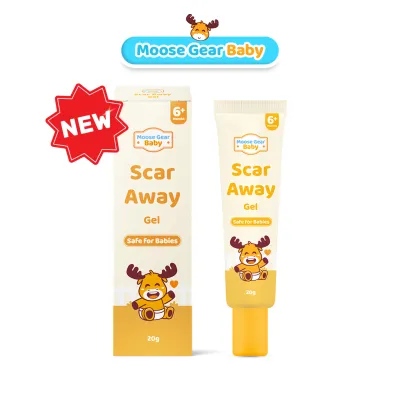
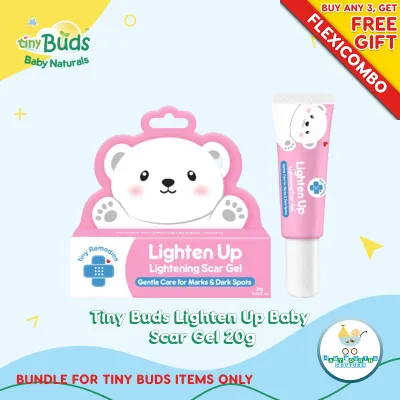
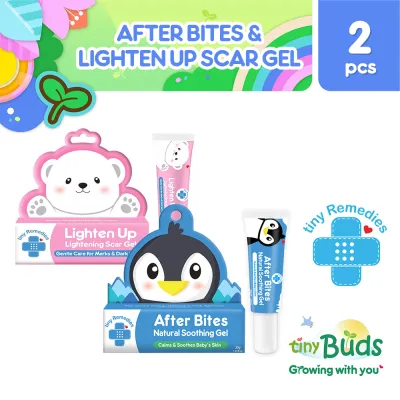
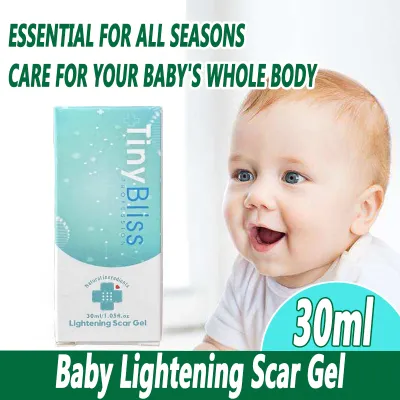
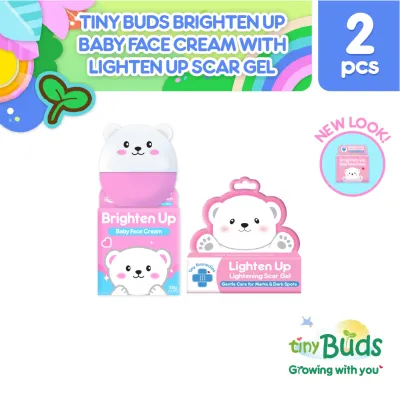
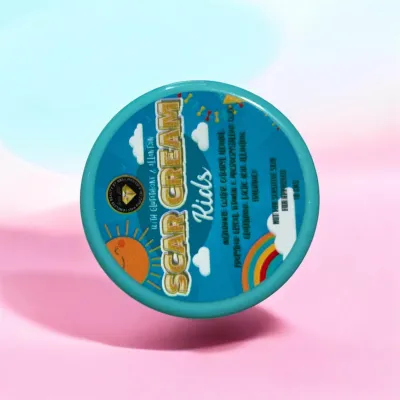
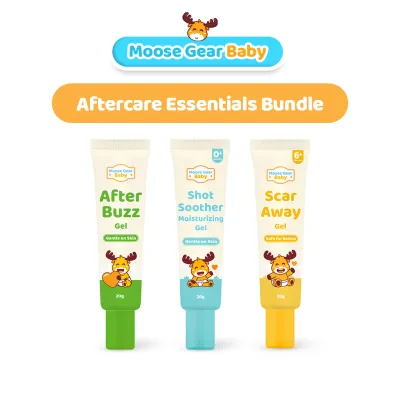
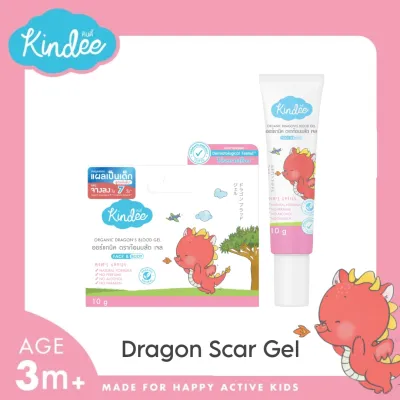
Prices are valid at publication and may change. Please refer to the product page for the latest price.
Understanding Baby Scars and the Role of Moisturization
To care for a baby’s scar effectively, it is essential to understand the different stages of wound healing. A wound progresses from an open state to a freshly closed surface, and eventually to a mature scar. Skincare oils must never be applied to open wounds, weeping sores, or skin that is still scabbing. Applying oils too early can trap bacteria, disrupt the natural closing process, and potentially lead to infection.
Once the skin is completely closed, intact, and free of scabs, topical moisturization can play a supportive role. Healing tissue often lacks the natural lipid barrier of undamaged skin, leading to rapid moisture loss. This dryness can cause the healing area to feel tight, itchy, and uncomfortable for your baby, which often leads to scratching and further damage.
Applying a safe baby oil helps to seal in moisture, keeping the outer layer of the skin pliable and soft. This hydration supports a more comfortable healing environment, reducing the urge to scratch. However, it is crucial to maintain realistic expectations about what skincare oils can achieve.
While high-quality oils excel at moisturizing and softening the skin surface, they do not erase scars. They cannot alter the underlying structural healing process or rebuild the collagen fibers beneath the skin. The primary goal of using baby oil on a scar is to support the skin barrier and keep the tissue supple as it undergoes its natural, long-term remodeling phase.
In tropical climates like the Philippines, managing skin moisture requires extra care. The high humidity and heat can cause babies to sweat frequently, especially in skin folds. Applying heavy, occlusive oils in these conditions can trap sweat and sebum, potentially leading to heat rash or clogged pores around the healing scar. Choosing lightweight, easily absorbed oils is particularly important in warm, humid environments to keep the skin comfortable without causing secondary irritation.
Safe Ingredients to Look For in Baby Skincare Oils
When selecting a skincare oil for your baby’s scar, simplicity is the most reliable guide. Delicate infant skin benefits most from mild, minimally processed carrier oils. Cold-pressed plant seed oils are highly regarded for baby skincare because the cold-pressing method extracts the oil without using harsh chemical solvents or high heat, preserving the natural moisturizing properties of the plant.

Sunflower seed oil is a widely utilized option in pediatric skincare. It is rich in linoleic acid, an essential fatty acid that helps maintain the skin barrier and retain moisture without feeling excessively heavy or greasy. Another gentle option is jojoba oil, which closely mimics the skin’s natural sebum, making it highly compatible with sensitive skin and less likely to clog pores. Sweet almond oil is also valued for its softening properties, though caregivers must ensure the baby has no underlying nut allergies before use.
When reading product labels, prioritize products with short, recognizable ingredient lists. A single-ingredient oil, such as pure, cosmetic-grade sunflower seed oil, minimizes the risk of exposing your baby’s skin to unnecessary additives. The fewer ingredients a product contains, the easier it is to identify the culprit if your baby experiences an allergic reaction.
As you shop, look for products that feature pediatrician-tested, hypoallergenic, or fragrance-free labels. Many reputable baby skincare products also carry third-party testing seals from dermatological associations. While these labels provide a helpful starting point, they do not replace the need to verify the full ingredient list yourself. Always read the back of the bottle to ensure no hidden additives have been included.
Before introducing any specific oil to your baby’s routine, cross-reference the product with your pediatrician. This step is especially critical if your baby has a history of eczema, cradle cap, or known skin allergies. Your pediatrician can provide personalized guidance based on your baby’s medical history and skin type, ensuring that the chosen oil will support rather than aggravate their skin condition.
Ingredients and Formulations to Avoid
Knowing what to avoid is just as important as knowing what to look for when caring for a baby’s scar. Infant skin is highly sensitive, and ingredients that are perfectly safe for adults can cause severe irritation or systemic issues in babies. Chief among the ingredients to avoid are essential oils, such as tea tree, lavender, peppermint, eucalyptus, and chamomile.
Essential oils are highly concentrated plant extracts containing volatile organic compounds. On delicate infant skin, essential oils can act as potent sensitizers, leading to contact dermatitis, redness, burning, and allergic reactions. Some essential oils can even be toxic if absorbed through the skin or accidentally ingested by a baby who rubs their skin and then puts their hands in their mouth.
In addition to essential oils, caregivers must strictly avoid products containing added synthetic fragrances, artificial dyes, and harsh chemical preservatives. Fragrance is one of the leading causes of cosmetic-related allergic contact dermatitis. Even products labeled “gently scented” or “baby-fresh” can contain complex mixtures of chemicals that disrupt the delicate skin barrier and inflame a healing scar.
Avoid any oils or creams that contain active exfoliants, such as salicylic acid, glycolic acid, or retinol. These ingredients are designed to speed up cell turnover in adult skin but are far too harsh for a baby’s developing skin barrier. Similarly, steer clear of strong botanical extracts or complex herbal blends that have not been specifically formulated and rigorously tested for infant use.
It is highly risky to use adult scar treatments, silicone gels formulated for adults, or multi-ingredient essential oil blends on babies. Many of these products contain active ingredients, penetration enhancers, or preservatives that are unsafe for infants. Even if a product is marketed as “100% natural” or “organic,” it can still contain ingredients that are inappropriate for a baby’s skin. Always stick to products explicitly formulated, tested, and labeled for infants.
How to Safely Apply Oil to Your Baby's Skin
Applying skincare oil to a baby’s scar requires a methodical and gentle approach to prevent irritation and support the healing process. Before applying any new oil to a scar, you must perform a patch test. This simple step helps ensure your baby does not have an undiagnosed sensitivity or allergy to the product.
To conduct a patch test, follow these steps:
- Select a discreet area: Choose a small, clear patch of skin, such as the inner arm.
- Apply a tiny amount: Place one or two drops of the oil onto the area and gently rub it in.
- Wait and observe: Monitor the area closely over the next 24 to 48 hours.
- Check for reactions: Look for redness, swelling, bumps, or itching. If any appear, wash the area immediately and discontinue use.
If the patch test is successful and no reaction occurs, you can proceed to apply the oil to the scar. Always wash your hands thoroughly with soap and water before touching your baby’s skin to avoid introducing bacteria to the healing area.
When applying the oil, use a very gentle technique. Pour a drop or two of oil onto your fingertips and lightly press or pat it onto the scar. Avoid rubbing vigorously, pulling, or stretching the delicate scar tissue, as physical friction can irritate the area and potentially worsen the scar’s appearance.
The ideal timing for applying baby oil is immediately after a lukewarm bath. While the skin is still slightly damp, gently pat the area with a soft towel, leaving a small amount of moisture on the skin. Applying the oil at this moment helps lock in that hydration, maximizing the moisturizing benefits. In the warm, humid climate of the Philippines, a single daily application after a bath is usually sufficient to keep the skin soft without overloading it.
Always remain vigilant for any signs of skin distress. If your baby shows signs of discomfort, or if you notice increased redness, swelling, warmth, or a rash developing around the scar, discontinue use immediately. Wash the oil off gently with lukewarm water and a mild, baby-safe cleanser, and consult your pediatrician.
When to Consult a Pediatrician or Dermatologist
While mild moisturization can support a healing scar, certain situations require professional medical evaluation. Caregivers must be able to recognize the red flags that indicate a scar or wound needs medical attention rather than over-the-counter skincare.
First and foremost, monitor the area closely for any signs of infection. If you notice increased warmth radiating from the scar, oozing yellow or green fluid, increased swelling, worsening redness that spreads outward, or a foul odor, seek immediate medical attention. These are clear indicators of a bacterial infection that requires prompt medical treatment, which may include prescription antibiotics.
You should also consult a pediatrician or a pediatric dermatologist if you notice the scar becoming raised, thickened, firm, or if it starts growing beyond the boundaries of the original wound. These can be signs of hypertrophic scars or keloids. These types of scars involve an overproduction of collagen and require specialized medical treatments, such as medical-grade silicone sheets, pressure therapy, or other dermatological interventions that standard baby oils cannot provide.
Additionally, seek professional advice if the scar is located near sensitive areas, such as the eyes, mouth, or joints, especially if it appears to restrict your baby’s natural movement. Scars that cross joints can sometimes contract as they heal, limiting flexibility. If your baby frequently scratches, rubs, or picks at the scar, a doctor can help identify ways to soothe the itching and protect the area from self-inflicted damage.
A healthcare provider can recommend clinically tested, medical-grade options if standard baby oils are insufficient. Protecting your baby’s developing skin is always worth the expert guidance.
Frequently Asked Questions (FAQ)
Can I use coconut oil or olive oil from my kitchen on my baby's scar?
It is highly recommended to avoid using kitchen-grade oils on your baby’s skin. While pure coconut oil and olive oil are popular natural remedies, kitchen pantry oils are processed for cooking, not dermatological use. Kitchen oils may lack the strict purification and filtration standards required for cosmetic products, meaning they could harbor microscopic impurities, dust, or trace contaminants that can irritate sensitive infant skin.
Furthermore, some natural oils in their raw kitchen form can actually disrupt the skin barrier. For example, olive oil has a high ratio of oleic acid relative to linoleic acid, which research suggests can sometimes weaken the skin barrier and exacerbate dryness or eczema in sensitive individuals. To ensure safety and appropriate processing, always stick to oils that are specifically manufactured, tested, and labeled for baby skincare.
Will massaging the scar with oil make it fade completely?
No, massaging a scar with baby oil will not make it fade completely. While gentle massage and consistent moisturization can improve the skin’s pliability, reduce tightness, and make the tissue feel softer, they cannot erase a scar or change its fundamental structure. A scar consists of collagen fibers that will always differ slightly from surrounding uninjured skin.
Scar fading is a slow, natural biological process that takes many months or even years to complete. The final appearance of a scar depends on several factors, including genetics, the depth and nature of the original wound, and how well the skin was protected during the early stages of healing. Instead of expecting complete disappearance, focus on keeping the skin comfortable, hydrated, and protected from environmental stressors.
Is it safe to use baby oil on a scar that is still slightly pink?
If the scar is still slightly pink, it indicates that the tissue is in an active remodeling phase with increased blood flow to the area. It is generally safe to moisturize a pink scar with baby oil, provided that the skin is fully closed, completely intact, and free of any scabs or open areas. Keeping the skin hydrated during this active phase can support the tissue’s elasticity and comfort.
Use only gentle, fragrance-free baby oils and monitor the skin closely for irritation. Additionally, you must protect the pink scar from direct sun exposure. Healing skin is highly susceptible to ultraviolet (UV) rays, which can cause permanent hyperpigmentation, turning the pink scar into a dark brown mark that is much more noticeable and difficult to fade. Keep the area shaded or consult your pediatrician about baby-safe sun protection options.

Community discussion
Share your experience or ask a question. Comments are reviewed before publication.