
Protecting curious babies from electrical hazards is a critical step in home baby-proofing. While standard 220V systems in the Philippines require reliable safety measures, not all outlet covers offer the same level of protection or convenience.
The most suitable outlet covers for baby-proofing your home depend on your specific outlet types, the frequency of use for each socket, and your child’s developmental stage. Rather than relying on a single product type, a secure setup combines self-closing sliding covers for active outlets, full box enclosures for plugged-in appliances, and carefully sized plug caps for unused receptacles.
In the Philippines, residential electrical systems present unique challenges for parents. Many homes feature a mix of older two-prong ungrounded outlets and newer three-prong grounded outlets, often operating on a high-voltage 220V system. Because of this higher voltage, any accidental contact with live terminals carries a significant risk of severe electrical shock or injury. Consequently, choosing the right physical barrier is not just a matter of convenience, but a fundamental safety decision that requires careful planning, correct sizing, and regular maintenance.
Products mentioned in this guide
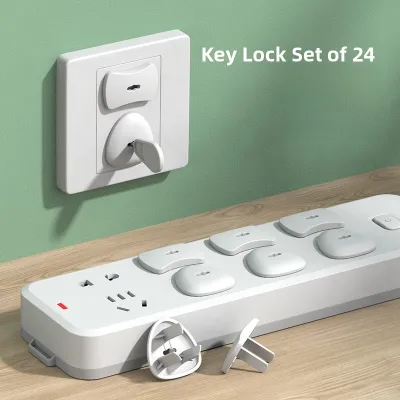
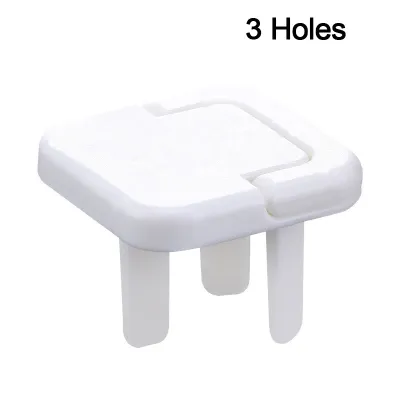
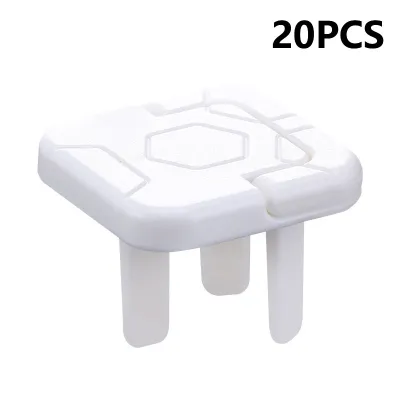
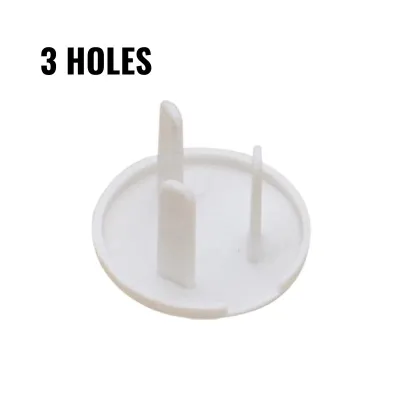
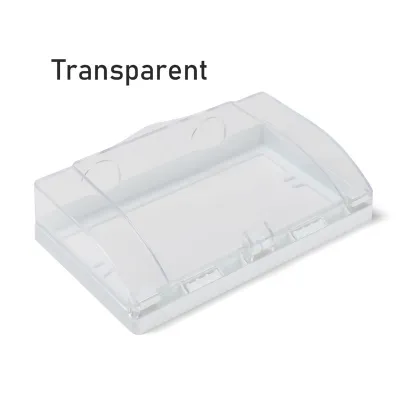
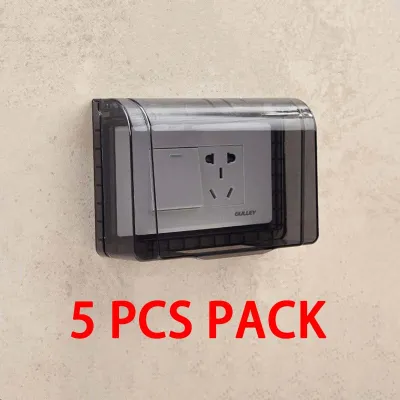
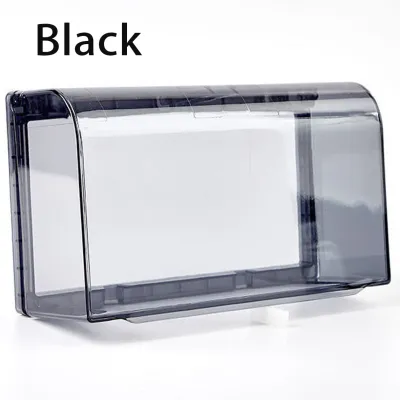

Prices are valid at publication and may change. Please refer to the product page for the latest price.
Rather than purchasing generic baby-proofing kits from online marketplaces without verifying their specifications, parents must take a systematic approach. This involves auditing the home’s electrical layout, understanding how different cover mechanisms function under daily use, and performing rigorous safety checks on any product before installation. By focusing on verifiable design features and material properties, you can create a secure environment that effectively mitigates electrical hazards as your child grows and explores.
Identifying Your Home's Outlet Configurations and Hazards
Before purchasing any outlet covers, it is essential to understand the physical characteristics of the electrical outlets installed throughout your home. In the Philippines, two primary outlet configurations are common: Type A and Type B. Type A outlets feature two flat parallel slots and are ungrounded, while Type B outlets include the same two flat slots along with a round grounding hole. Many older homes or specific rooms may rely entirely on Type A outlets, whereas modern constructions and areas dedicated to heavy appliances typically utilize Type B.
The physical dimensions of these outlets can vary significantly depending on the brand and style of the faceplate. While standard duplex outlets (where two sockets are stacked vertically on a single plate) are common, many Philippine households also feature wide-series or modular Italian-style faceplates, where switches and outlets are arranged horizontally or in customized configurations. A cover designed for a standard vertical duplex outlet will not fit a wide-series modular plate. Therefore, you must measure the exact width, height, and screw placement of your faceplates to ensure physical compatibility before buying any replacement plates or snap-on covers.
The tropical climate of the Philippines also introduces environmental factors that can affect both your outlets and the baby-proofing materials you install. High humidity and ambient heat can accelerate the degradation of plastics, adhesives, and internal electrical contacts. Over time, this can lead to loose connections or brittle plastic covers. When assessing your outlets, pay close attention to their physical condition. Look for signs of wear such as loose sockets that do not hold plugs securely, hairline cracks in the faceplate, or discoloration around the slots.
If you encounter an outlet that is warm to the touch, emits a buzzing sound, or shows brown or black singe marks, do not attempt to cover it with a baby-proofing device. These symptoms indicate serious underlying electrical hazards, such as loose wiring or electrical arcing, which pose immediate fire risks. In such cases, the outlet must remain unused and a licensed electrician must be called to inspect and replace the damaged components before any baby-proofing measures are applied.
Comparing Outlet Cover Mechanisms for Daily Use
Selecting the right outlet cover mechanism requires balancing safety with the practical demands of your daily routine. Different areas of your home serve different purposes, and the frequency with which you plug and unplug appliances should dictate the type of cover you install in each location.

Traditional plug-in caps are simple plastic inserts with prongs that fit directly into unused sockets. They are highly economical and serve as an immediate barrier for empty outlets. However, their suitability is strictly limited to sockets that are rarely or never used, such as those hidden behind heavy furniture. If you install plug-in caps on frequently accessed outlets—such as those used for phone chargers or vacuum cleaners—you will constantly have to remove and replace them. This frequent handling increases the likelihood of forgetting to reinsert the cap, leaving the outlet exposed. Additionally, because these caps are small and lightweight, they can easily be misplaced or, worse, become a severe choking hazard if a child manages to pry them loose.
For outlets that see regular, daily use, sliding outlet covers offer a much safer and more convenient alternative. These covers replace your existing faceplate or attach securely over it. They feature a spring-loaded mechanism that keeps the socket holes covered when not in use. To plug in an appliance, you must insert the prongs of the plug into the cover’s slots, slide the mechanism to align with the internal outlet contacts, and push the plug in. When you unplug the appliance, the spring-loaded cover automatically snaps back into the closed position. This self-closing design eliminates human error, ensuring the outlet is never left exposed. When choosing sliding covers, it is vital to verify that the spring mechanism is robust and does not stick, especially in humid environments where dust and moisture can accumulate.
Full box covers and power strip enclosures are necessary for outlets where appliances remain permanently plugged in, such as refrigerators, televisions, or electric fans. Standard sliding covers and plug caps do not protect active plugs; a curious toddler can easily pull a partially inserted plug out of the wall, exposing live metal prongs while the appliance is still drawing power. A full box cover encases the entire outlet and the plugged-in connectors inside a protective plastic dome. The cords exit through a small, secure opening at the bottom, while the box itself requires a dual-action release mechanism that is too complex for a young child to open. Similarly, floor-level power strips should be housed inside dedicated cable management boxes to prevent children from pulling cords, tampering with switches, or spilling liquids onto active electrical contacts.
Essential Safety Checks Before Buying Outlet Covers
When compiling your purchasing shortlist, do not rely solely on online product descriptions or marketing claims of complete safety. Instead, use a rigorous set of physical and material checks to evaluate the quality and design of any outlet cover before installing it in your home.
First, evaluate the physical dimensions of any removable components to mitigate choking hazards. This is particularly critical for traditional plug-in caps. A standard choke-tube test cylinder, used by safety professionals to identify hazardous small parts, has a diameter of approximately 3.17 centimeters (1.25 inches). Any removable cover or cap must be significantly larger than this dimension so that it cannot be swallowed or block a child’s airway. Furthermore, the cap should feature a low-profile, flush-fitting design with smooth edges, making it extremely difficult for a child to grip with their fingers or teeth.
Second, verify the material properties of the covers. Because these devices are installed in direct contact with electrical outlets, they must be made of high-quality, flame-retardant plastics. Look for manufacturer labels indicating compliance with recognized flammability standards, such as UL 94 or equivalent international classifications. The plastic should be durable and impact-resistant; cheap, brittle plastics can easily crack if struck by toys or furniture, creating sharp edges and exposing the live outlet beneath. Additionally, ensure the materials are non-toxic and free from harmful chemicals like BPA, as young children often explore their environment by putting objects in their mouths.
Third, look for verifiable safety certification marks on the physical product packaging. While online listings may claim various certifications, you should inspect the packaging for official stamps or registration numbers from recognized testing laboratories. If possible, cross-reference these numbers with official databases to confirm their validity. Avoid products that lack clear manufacturer labeling, contact information, or clear instructions for use.
Finally, assess the complexity of the cover’s design. A reliable baby-proofing device must require adult-level dexterity, strength, or specific tools to remove or bypass. For sliding covers, the spring tension must be firm enough to resist a toddler’s attempts to slide it open. For box covers and plug caps, look for dual-action release mechanisms—such as simultaneously squeezing two tabs while pulling—or designs that require a flat tool or a specific plastic key to detach. If a cover can be easily removed with a simple, single-direction pull, it will not provide adequate protection against an active and persistent toddler.
Building Your Purchasing Shortlist and Maintenance Plan
Creating a safe home environment requires a systematic plan that extends beyond the initial purchase. To build an effective baby-proofing strategy, start by conducting a comprehensive audit of every room in your home from your child’s physical perspective—literally getting down on your hands and knees to identify low-lying hazards.
Begin by counting the exact number of wall outlets, power strips, and extension cords in each room. Categorize them based on their usage: permanently occupied (requiring box covers), frequently accessed (requiring sliding covers), and completely unused (requiring secure, low-profile plug caps or semi-permanent blank plates). This detailed count ensures you purchase the correct quantity and type of covers, preventing incomplete installations that leave some hazards exposed.
During installation, perform meticulous checks to ensure each cover fits perfectly flush against the wall or faceplate. Any gap, no matter how small, can allow a child to insert a thin object—such as a hairpin, toy, or coin—into the outlet, or provide leverage for them to pry the cover off. For sliding covers, verify that the internal mechanism aligns smoothly with your outlet’s slots. Never force a plug into a cover that does not align properly, as this can damage the plug’s prongs or the outlet’s internal contacts, potentially leading to overheating or electrical faults.
Baby-proofing is an ongoing process that requires regular maintenance. Establish a monthly inspection schedule to check the condition of every outlet cover in your home. Inspect sliding covers to ensure the springs remain highly responsive and snap shut instantly when a plug is removed. Check plug-in caps for a snug fit; if a cap has become loose due to wear or temperature fluctuations, replace it immediately. Look for any signs of physical damage, such as cracking, warping, or discoloration of the plastic.
Lastly, understand the limits of physical covers. While they provide an essential barrier, they do not replace active caregiver supervision. Furthermore, if you ever observe signs of electrical malfunction—such as flickering lights, a warm faceplate, or a faint burning smell—remove the cover immediately, discontinue use of the outlet, and consult a qualified, licensed electrician. Plastic covers are designed to prevent physical contact, not to resolve underlying electrical or wiring issues.
Frequently Asked Questions (FAQ)
Are traditional plastic plug caps a choking hazard for toddlers?
Yes, traditional plastic plug caps can pose a significant choking hazard if they are not sized correctly or if they become loose over time. Active toddlers quickly develop the fine motor skills and grip strength to pull loose caps out of wall sockets. If a cap is small enough to fit inside a standard choke-test cylinder, it can easily block a child’s airway. To mitigate this risk, parents should only use high-quality, low-profile caps that require a key or extreme grip to remove, or transition entirely to self-closing sliding outlet covers as their child becomes more mobile and curious.
Do outlet covers interfere with grounded 220V appliances?
Some standard outlet covers may not accommodate the grounding pin of Type B plugs or the bulky cords of heavy-duty 220V appliances like air conditioners, refrigerators, or washing machines. Forcing a standard cover to fit a grounded plug can bend the grounding pin or prevent the plug from making full contact with the electrical terminals, creating a fire hazard. For these heavy-duty appliances, it is best to avoid standard sliding covers or small caps. Instead, use specialized, heavy-duty outlet box enclosures designed specifically to accommodate grounded plugs and thick cords safely, or consult a professional to install dedicated, tamper-resistant outlets.
Community discussion
Share your experience or ask a question. Comments are reviewed before publication.