
Finding a safe mosquito bite ointment for your baby in the Philippines requires a careful understanding of infant skin physiology and strict ingredient screening. Because a baby’s skin is significantly thinner and more permeable than adult skin, topical products are absorbed much more rapidly into their bloodstream. In a tropical climate where mosquitoes are a year-round concern, parents must prioritize products that soothe irritation without introducing systemic health risks. The safest approach is to select mild, fragrance-free formulations specifically labeled for your baby’s exact age group, verified through local regulatory channels, and applied with precise care.
Managing insect bites in a warm, humid environment presents unique challenges. Sweat and friction from clothing can exacerbate the itchiness of a bite, leading to increased fussiness and a higher risk of scratching. While it is tempting to reach for any quick-relief cream available in the family medicine cabinet, doing so can expose an infant to dangerous chemicals. By establishing a strict screening process for every topical product you introduce, you can safely ease your baby’s discomfort while protecting their developing system.
What Makes a Mosquito Bite Ointment Safe for Babies?
Infant skin is fundamentally different from adult skin, requiring a highly cautious approach to any topical application. During the first year of life, a baby’s skin barrier is still developing, meaning the outer layer of skin is thinner and the intercellular spaces are wider. This structural difference results in a much higher rate of transepidermal absorption. Additionally, because babies have a high surface-area-to-body-mass ratio, any chemical applied to their skin has a more pronounced systemic effect than it would on an adult.
Products mentioned in this guide
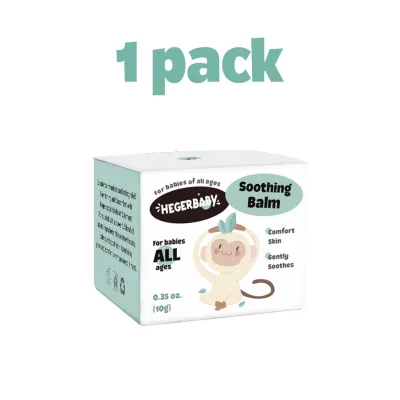
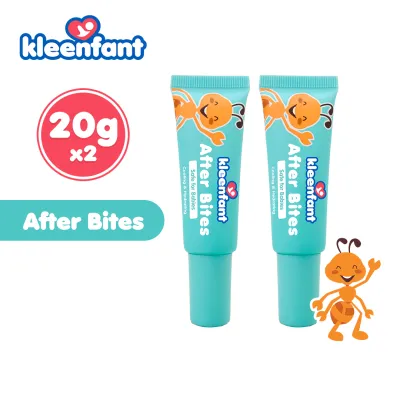
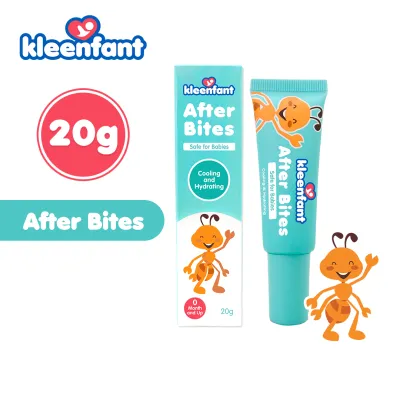
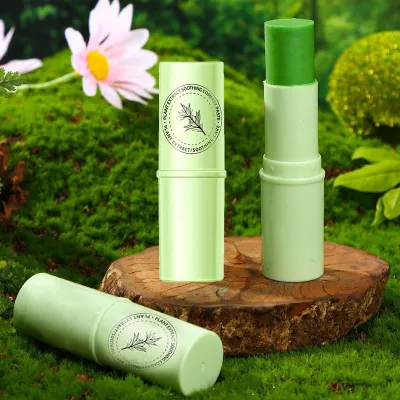
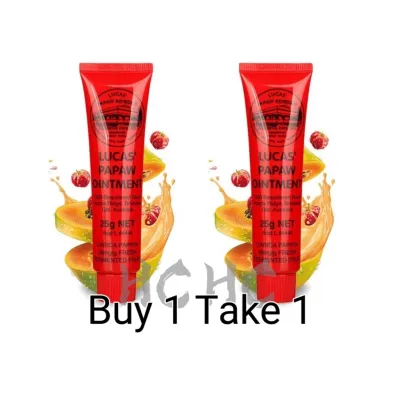
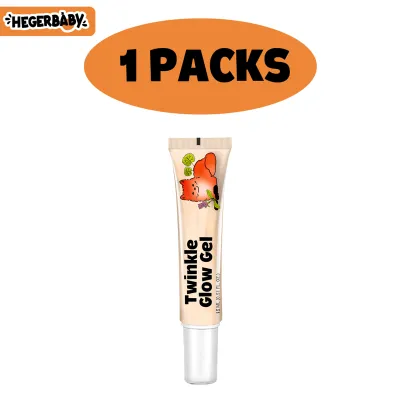
Prices are valid at publication and may change. Please refer to the product page for the latest price.
Age restrictions on skincare products are not mere suggestions; they are critical safety boundaries established by manufacturers and pediatric dermatologists. A product that is perfectly safe for a toddler of two years may pose serious health risks to a newborn or a three-month-old infant. Always look for explicit age indications on the packaging, such as “safe from birth” or “for babies six months and older.” If a product does not clearly state a minimum age, do not assume it is safe for your infant.
When evaluating packaging, you will frequently encounter terms like “pediatrician-tested” or “dermatologist-tested.” While these labels indicate that the product has undergone some level of professional evaluation, they are not standardized medical certifications. Parents should view these claims as a starting point rather than a guarantee of absolute safety. To verify these assertions, look for detailed manufacturer documentation, clinical trial summaries, or official brand statements that outline how these tests were conducted and on what age groups.
Baseline filters for any baby skincare product must include fragrance-free, dye-free, and hypoallergenic formulations. Synthetic fragrances and artificial colorants are among the most common triggers for allergic contact dermatitis in infants. Even natural fragrances can cause adverse skin reactions in sensitive babies. Choosing products with minimal, clean ingredient lists reduces the likelihood of triggering an allergic response or worsening the inflammation already present from the mosquito bite.
Key Ingredients to Look For and Avoid
When reading the ingredient list of a soothing ointment, look for mild, time-tested agents that physically protect the skin and reduce inflammation. Calamine, which is a combination of zinc oxide and ferric oxide, is highly effective at drying out weeping skin and cooling localized irritation. Colloidal oatmeal is another excellent ingredient that forms a temporary protective barrier over the skin, locking in moisture while calming the itch. Zinc oxide itself acts as a mild astringent and skin protectant, helping to shield the bite from further environmental irritation.

Even when an ointment contains these generally safe soothing agents, you must verify the age appropriateness of the specific formulation. Some products combine safe active ingredients with preservatives or stabilizers that are not suitable for very young infants. Always cross-reference the active and inactive ingredient lists with the manufacturer’s official age recommendations to ensure the entire formulation is appropriate for your baby’s developmental stage.
There are several common anti-itch ingredients that parents must strictly avoid when shopping for infants. Camphor and menthol, which are frequently found in adult cooling balms and rub-on remedies, are highly toxic to babies. Camphor can be rapidly absorbed through the skin or accidental ingestion, potentially causing seizures or severe systemic poisoning. Menthol can cause localized skin irritation and, in rare cases, respiratory distress in very young infants if applied near the face or chest.
Other ingredients to avoid include high-concentration DEET, salicylic acid, and topical antihistamines. While low concentrations of DEET are used in some insect repellents for older babies, it should never be an ingredient in a soothing ointment applied to irritated or broken skin. Salicylic acid can lead to systemic salicylate toxicity in infants due to their high skin absorption rates. Topical antihistamines, such as diphenhydramine, carry a risk of systemic accumulation and toxicity, especially if applied repeatedly over large areas of the body.
Parents must also exercise extreme caution with essential oils and natural plant extracts. There is a widespread misconception that “natural” or “organic” ingredients are inherently safer than synthetic ones. In reality, concentrated essential oils like eucalyptus, tea tree, peppermint, and citronella can be highly irritating to delicate infant skin. These oils contain complex chemical compounds that can cause severe contact dermatitis, allergic sensitization, or systemic toxicity if absorbed through the skin or accidentally swallowed.
How to Verify Product Safety and Labels Locally
In the Philippines, verifying the regulatory status of any baby product is a crucial step before application. The Food and Drug Administration (FDA) of the Philippines regulates cosmetics, household remedies, and over-the-counter drugs. Safe, legally distributed mosquito bite ointments should carry an FDA registration or notification number on their physical packaging. You can verify these numbers by visiting the official FDA Verification Portal online to confirm that the product has been evaluated for safety and is authorized for sale.
When examining the physical label of an ointment, pay close attention to the manufacturer’s details, batch number, and expiration date. The hot and humid climate of the Philippines can accelerate the degradation of topical creams, making the expiration date particularly important. Avoid using any product that has expired, has a damaged seal, or shows signs of separation, discoloration, or an unusual odor. Ensure the label provides clear, step-by-step instructions on how often the product can be applied and the maximum duration of use.
Be highly vigilant against red flags when browsing online marketplaces or local retail shops. Products that feature missing or incomplete ingredient lists, lack clear manufacturer contact information, or make exaggerated “miracle cure” claims should be avoided entirely. Be cautious of listings that claim to “instantly cure” bites or guarantee “100% safety” without any scientific backing. To minimize the risk of purchasing counterfeit or improperly stored products, always buy baby skincare items from established physical pharmacies, official brand flagship stores, or authorized local distributors.
Safe Application Steps and Monitoring
Before applying any ointment to your baby’s skin, you must prepare the affected area correctly to prevent complications. Begin by washing your hands thoroughly with soap and water. Gently clean the mosquito bite area using mild, fragrance-free baby soap and lukewarm water to remove any dirt, sweat, or lingering insect saliva. Pat the skin completely dry with a clean, soft towel rather than rubbing it, which can further irritate the inflamed tissue.
When applying the ointment, use a minimal, pea-sized amount and target only the specific spot of the bite. Do not slather the product over large areas of healthy skin. Avoid applying the ointment to broken skin, open scratches, or areas near the eyes, nose, and mouth. It is particularly important to avoid applying topical treatments to your baby’s hands or fingers, as infants frequently put their hands in their mouths or rub their eyes, leading to accidental ingestion or severe eye irritation.
After application, monitor your baby closely for any signs of an adverse skin reaction. Check the application site periodically for increased redness, swelling, warmth, or the development of a new rash or hives. If you observe any of these signs, stop using the product immediately. Wash the ointment off the skin thoroughly with cool, clean water and a mild soap, and consult a qualified healthcare professional for further guidance.
When to Skip Ointments and See a Pediatrician
While most mosquito bites can be managed safely at home, there are specific scenarios where topical ointments are insufficient and professional medical evaluation is required. Mosquito bites can easily become secondary bacterial infections, such as impetigo or cellulitis, especially if the baby scratches the bite with dirty fingernails. Watch for warning signs of infection, which include spreading redness around the bite, localized warmth, swelling, pus or yellowish oozing, and the development of a fever.
Severe allergic reactions, though rare, require immediate emergency medical attention. If your baby exhibits systemic symptoms such as hives spreading to other parts of the body, swelling of the face, lips, or tongue, wheezing, or any difficulty breathing, seek emergency care immediately. Do not attempt to treat these symptoms with over-the-counter ointments or home remedies, as systemic allergic reactions can progress rapidly in infants.
In many cases, physical soothing methods are safer and more effective first-line alternatives to topical chemical treatments. Applying a cool, damp cloth to the bite for a few minutes can help numb the area and reduce localized swelling. Keeping your baby’s fingernails trimmed short and smooth prevents them from breaking the skin if they scratch. Dressing your baby in lightweight, breathable cotton clothing that covers their limbs can protect the bites from scratching while keeping them cool in the tropical heat, which naturally minimizes itching.
Frequently Asked Questions (FAQ)
Can I use adult anti-itch creams on my baby?
No, you should never use adult anti-itch creams on an infant. Adult formulations often contain much higher concentrations of active ingredients, as well as compounds like hydrocortisone, topical antihistamines, or cooling agents like menthol and camphor that are unsafe for baby skin. Diluting an adult cream with a regular baby lotion is also highly unsafe, as this does not guarantee an even or safe distribution of the active ingredients and can still lead to dangerous systemic absorption.
Are natural or herbal mosquito bite remedies safe for infants?
Natural or herbal remedies are not automatically safe for infants. Many home remedies or unregulated herbal preparations contain highly concentrated plant extracts, essential oils, or unlisted contaminants that can cause severe allergic contact dermatitis or systemic toxicity in babies. Because infant skin is incredibly delicate and sensitive, you should always consult a pediatrician before applying any alternative, homemade, or herbal preparations to your baby’s skin.

Community discussion
Share your experience or ask a question. Comments are reviewed before publication.