
When parents notice crusty, yellowish, or oily patches on their baby’s scalp, finding a safe and effective way to clear them is a top priority. The most reliable solution for managing cradle cap is to use a mild, fragrance-free baby oil or a light emollient lotion specifically formulated for sensitive infant skin. These products work by gently softening the hardened scales, making them easy to brush away during bath time without irritating the delicate scalp underneath.
In the Philippines, parents often search for a “lotion for kids tanggal peklat” when trying to clear up stubborn skin marks, dry patches, or crusty scalp buildup. It is highly important to distinguish between actual scars (locally known as peklat) and cradle cap (infant seborrheic dermatitis). While scar-clearing creams or adult lotions are designed for older skin and can contain harsh active ingredients, cradle cap requires extremely gentle, baby-safe emollients. Applying the wrong product to an infant’s scalp can disrupt their developing skin barrier and lead to severe irritation.
Understanding Cradle Cap and How Emollients Help
Cradle cap, medically known as infant seborrheic dermatitis, is a very common and generally harmless skin condition that typically appears within the first few months of a baby’s life. It presents as thick, oily, yellowish, or brownish scales on the scalp, sometimes accompanied by mild redness. While it might look uncomfortable or unsightly to parents, it is not caused by poor hygiene, bacterial infections, or allergies, and it rarely bothers the baby.
Products mentioned in this guide
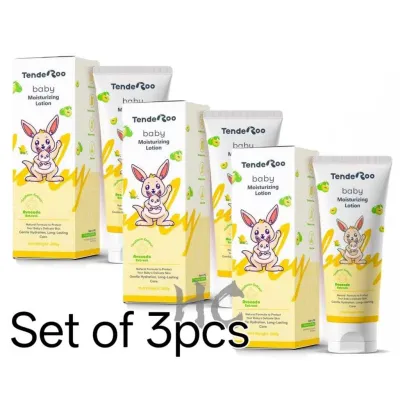
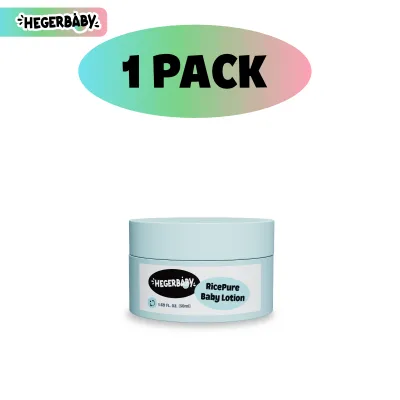
Prices are valid at publication and may change. Please refer to the product page for the latest price.
The exact cause of cradle cap is not entirely known, but it is widely believed to be linked to overactive sebaceous (oil) glands. Maternal hormones that remain in the baby’s body after birth can stimulate these glands, causing them to produce excess sebum. This oily residue traps dead skin cells, which then harden into the characteristic crusty patches on the scalp.
In warm and humid tropical climates, managing this oil buildup requires a careful balance. High humidity and heat can cause babies to sweat more, which can mix with the excess sebum and make the scalp feel greasy or prone to irritation. This is where gentle emollients and oils play a crucial role. Rather than trying to scrub or scrape the dry scales off—which can damage the skin and lead to infection—applying a safe oil or lotion helps to lubricate and loosen the bonds holding the dead skin cells together.
An emollient penetrates the hardened crusts, softening them gradually so they can be lifted away effortlessly with a soft brush or washcloth. Because an infant’s skin barrier is significantly thinner, more fragile, and loses moisture much faster than adult skin, using a targeted baby product ensures that the scalp remains hydrated and protected during the clearing process.
Key Ingredients to Look for in Baby Scalp Products
When building a shortlist of safe lotions or oils to address your baby’s cradle cap, reading the ingredient label is the most important step. Because infant skin is highly permeable, the ingredients you apply will be absorbed easily. Selecting simple, pure, and dermatologically tested formulations minimizes the risk of contact dermatitis and scalp irritation.

Several gentle oils and emollient bases are highly effective at softening scalp flakes while supporting the natural skin barrier:
- Pure Mineral Oil: Highly refined, cosmetic-grade mineral oil is an excellent choice for cradle cap. It is completely inert, meaning it does not react with the skin or trigger allergic reactions, and it forms a highly effective temporary barrier that locks in moisture to soften tough scales.
- Refined Coconut Oil: Known for its moisturizing properties, coconut oil can help soften cradle cap. However, parents should look for highly refined, cosmetic-grade baby formulations rather than raw, unrefined cooking oils, as commercial baby products undergo strict purification processes to remove potential allergens.
- Sunflower Seed Oil: This lightweight plant oil is rich in essential fatty acids, particularly linoleic acid, which helps maintain and repair the skin's natural moisture barrier without clogging pores.
In addition to choosing the right oil base, parents should prioritize products that are explicitly labeled as fragrance-free, dye-free, and hypoallergenic. Synthetic fragrances and artificial colorants are among the most common triggers for skin sensitization and allergic reactions in infants. Even natural fragrances, such as certain botanical extracts, can be too strong for a newborn’s sensitive scalp.
Always verify product labels for indicators such as “pediatrician-tested,” “dermatologist-approved,” or “tear-free.” These designations suggest that the product has undergone rigorous safety evaluations to ensure it is gentle enough for infant use. Parents should cross-reference these claims with official brand documentation or consult their pediatrician to confirm suitability for their baby’s specific age and skin condition.
Ingredients and Product Types to Avoid for Infants
Just as important as knowing what ingredients to look for is knowing which ones to avoid. Many household skincare products or adult-strength treatments contain formulations that are far too harsh for an infant’s delicate scalp, potentially leading to chemical burns, severe dryness, or systemic absorption of harmful chemicals.
Parents must avoid using adult dandruff shampoos or medicated lotions on babies unless specifically prescribed by a pediatrician. Many adult scalp treatments contain active ingredients like salicylic acid, coal tar, selenium sulfide, or ketoconazole. Salicylic acid, for example, is a chemical exfoliant that can be absorbed through a baby’s thin skin in significant amounts, posing a risk of systemic toxicity. Other medicated ingredients can cause severe peeling, burning, and irritation on a baby’s sensitive scalp.
Strong synthetic fragrances, parabens, and essential oils should also be excluded from your baby’s skincare routine. While essential oils like tea tree oil or lavender oil are often marketed as natural remedies for skin issues, they are highly concentrated and can cause contact allergies, skin sensitization, or respiratory irritation in young infants.
Furthermore, avoid using heavy, unrefined occlusives or thick greases that do not wash out easily. In hot and humid tropical environments, applying thick layers of heavy petroleum jelly or unrefined butter can trap heat and sweat against the baby’s skin. This can lead to prickly heat (miliaria) or create an environment where natural skin yeasts, such as Malassezia, can thrive, potentially worsening the cradle cap or causing a secondary fungal rash. Always opt for lightweight, easily washable formulations.
Step-by-Step Guide to Softening and Washing Away Flakes
To safely remove cradle cap at home, establish a gentle, step-by-step routine during your baby’s bath time. Consistency and gentleness are key; attempting to clear all the flakes in a single session by scrubbing too hard can irritate the scalp and cause minor wounds.
- Step 1: Perform a Patch Test: Before applying any new lotion or oil to your baby's scalp, perform a simple patch test. Apply a tiny drop of the product to a small, clean area of your baby's arm or leg. Wait 24 hours to monitor for any signs of redness, swelling, or irritation. If the skin remains clear, the product is generally safe to use on the scalp.
- Step 2: Apply and Massage Gently: Pour a small amount of the chosen baby oil or light emollient lotion onto your clean fingertips. Gently massage the product into the affected areas of your baby's scalp. Use soft, circular motions, ensuring you do not use your fingernails or apply heavy pressure. The goal is to coat the crusty patches thoroughly.
- Step 3: Let the Product Sit: Allow the oil or lotion to rest on the scalp to penetrate and soften the scales. Refer to the manufacturer's instructions on the product label for the recommended duration, which is typically between 5 to 15 minutes. Do not leave the oil on the scalp overnight, as this can clog pores and trap sweat.
- Step 4: Gently Loosen the Flakes: Once the scales have softened, use a soft-bristled baby brush or a clean, damp cotton washcloth to gently brush the scalp. Move the brush in gentle, circular motions to lift the loosened flakes away from the skin. If a flake does not come off easily, do not force, pick, or scratch it off, as this can cause bleeding and increase the risk of infection.
- Step 5: Wash Thoroughly with Baby Shampoo: This is a critical step, especially in warm climates. Wash your baby's scalp thoroughly with a mild, tear-free baby shampoo to remove all traces of the oil or lotion. Any leftover oil can trap dirt, sweat, and dead skin cells, which can worsen cradle cap over time. Rinse the scalp completely with lukewarm water and gently pat dry with a clean, soft towel.
When to Stop Home Care and Consult a Pediatrician
While cradle cap is usually a temporary cosmetic concern that resolves with simple home care, there are times when professional medical evaluation is necessary. Monitoring your baby’s scalp for changes in appearance or behavior ensures that any complications are addressed promptly.
Stop home care and consult your pediatrician immediately if you observe any signs of a secondary bacterial or fungal infection. These signs include increased redness around the flakes, swelling, warmth to the touch, or the presence of oozing yellow fluid or honey-colored crusts. If the scalp begins to bleed or if you notice a foul odor coming from the affected areas, professional medical treatment, such as a mild topical prescription, may be required.
Another reason to seek medical advice is if the rash spreads beyond the scalp. If you notice similar red, flaky, or greasy patches appearing on your baby’s face, neck, behind the ears, in the armpits, or in the diaper area, a pediatrician should evaluate the baby to confirm the diagnosis and recommend a comprehensive treatment plan.
Additionally, if your baby shows signs of severe discomfort, such as persistent scratching, crying when the scalp is touched, or difficulty sleeping and feeding due to scalp irritation, seek professional guidance. Finally, if the cradle cap does not show any signs of improvement after several weeks of consistent, gentle home care, a pediatrician can help identify alternative solutions or verify if a different skin condition is present.
Frequently Asked Questions (FAQ)
Can I use regular adult lotion or cooking olive oil for my baby's cradle cap?
It is highly recommended to avoid using regular adult lotions or cooking olive oil on your baby’s scalp. Adult lotions often contain synthetic fragrances, alcohol, and preservatives that can easily penetrate and irritate an infant’s thin skin barrier. Cooking olive oil, while natural, contains high levels of oleic acid, which research suggests can disrupt the skin barrier, increase moisture loss, and worsen skin inflammation. Furthermore, olive oil can encourage the growth of Malassezia, a yeast naturally present on the skin that is associated with seborrheic dermatitis. Purpose-built baby oils or cosmetic-grade emollients are formulated to be stable, pure, and safe for infant skin.
How often should I apply oil or lotion to my baby's scalp?
For most babies, applying a gentle oil or lotion to soften cradle cap flakes is done once or twice a week, right before bath time. Because leaving oil on the scalp for extended periods can clog hair follicles and trap sweat—especially in warm, humid tropical climates—it should always be washed out thoroughly with a mild baby shampoo. Adjust the frequency of this routine based on how quickly the flakes accumulate and how your baby’s skin responds. If you notice any redness or irritation after application, reduce the frequency or consult your pediatrician.
Will cradle cap cause hair loss or affect long-term hair growth?
Cradle cap does not damage hair follicles or cause permanent hair loss. The condition resides entirely on the surface of the skin. While you may notice some fine baby hair shedding along with the loosened flakes during brushing, this is completely normal and temporary. The hair will grow back naturally as the scalp heals and the skin barrier recovers. Avoid pulling or picking at stubborn flakes, as forcing them off can pull out healthy hair prematurely and cause minor skin damage.

Community discussion
Share your experience or ask a question. Comments are reviewed before publication.