
Planning a family road trip across provinces in the Philippines brings excitement, but it also introduces practical challenges, especially when traveling with a toddler. Unpredictable traffic along major expressways, long distances between tollway service stations, and sudden road diversions can make timely bathroom breaks nearly impossible. For parents navigating potty training or managing a young child’s limited bladder control, a reliable portable urine bag serves as an essential emergency solution. These compact, travel-friendly accessories provide a hygienic, immediate option when a clean restroom is miles away.
Selecting the right portable urine bag requires a clear understanding of design features, material safety, and ease of use. Because toddlers have unique anatomical needs and lower tolerance for discomfort, a standard adult utility bag may not suffice. By focusing on leak-proof construction, rapid absorption, and ergonomic designs, caregivers can prevent messy cleanups and keep the journey comfortable for everyone in the vehicle.
Essential Features for Toddler-Friendly Urine Bags
To ensure a stress-free experience on the road, caregivers must prioritize specific design elements that prevent spills and maintain hygiene under challenging travel conditions. The first critical feature is a secure, leak-proof sealing mechanism. High-quality urine bags typically utilize double-track zip closures or industrial-grade adhesive strips at the opening. These closures must be robust enough to withstand the pressure of a filled bag being handled, moved, or temporarily placed on the car floor. In a moving vehicle navigating uneven provincial roads or sudden stops, a weak seal can lead to leaks that damage car upholstery and create sanitary hazards.
Products mentioned in this guide
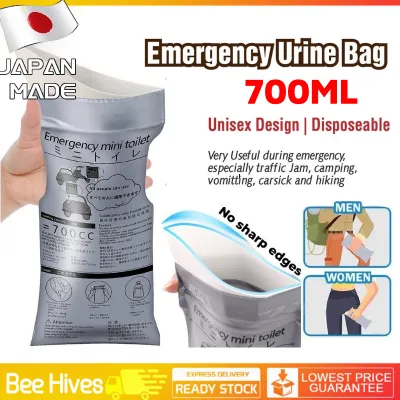
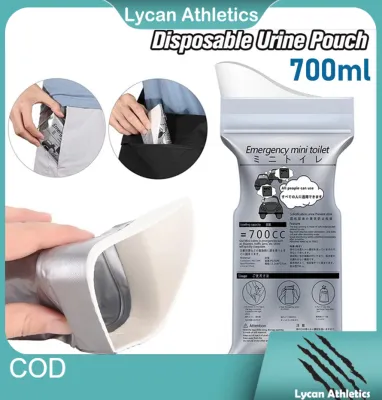
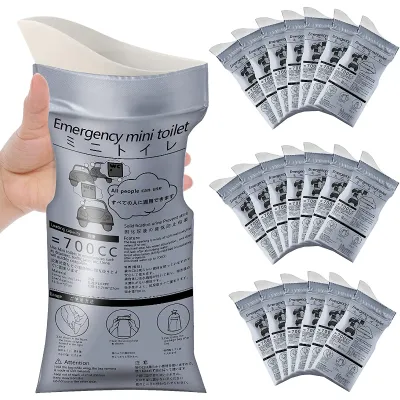
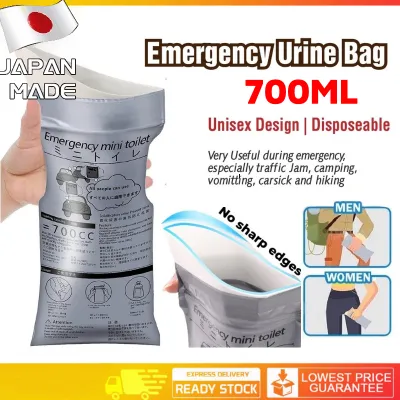
Prices are valid at publication and may change. Please refer to the product page for the latest price.
Another non-negotiable feature is the absorbent core capacity and its liquid-to-gel conversion speed. Most modern portable urine bags rely on superabsorbent polymer (SAP) technology, which is embedded within a non-woven fabric pad or distributed as a loose powder inside the bag. When liquid contacts the SAP, it rapidly solidifies into a spill-proof, odorless gel. For toddler use, the speed of this conversion is paramount. Toddlers are prone to sudden movements, wiggling, or dropping objects immediately after use. A bag that converts liquid to gel within seconds minimizes the risk of spills even if the bag is tipped over before it can be sealed.
The physical shape of the bag’s opening is equally important. Ergonomic collars designed specifically for young children feature contoured, wide openings that accommodate both male and female anatomy. Many toddler-friendly designs incorporate a soft, flexible foam rim around the collar. This foam provides a gentle, secure seal against the child’s skin, preventing gaps and reducing discomfort. It also allows caregivers to position the bag easily while the child remains seated in their car seat, minimizing the need for awkward maneuvering in tight cabin spaces.
Finally, effective odor-control materials and discreet disposal designs are essential, particularly when traveling in warm, humid tropical climates. High temperatures inside a vehicle can quickly intensify unpleasant odors. Look for bags constructed from thick, multi-layered, opaque plastics that block both visibility and odor molecules. Some advanced options include activated carbon or scented neutralizing agents within the absorbent pad to further suppress smells. A discreet, non-transparent design also ensures that the bag can be handled and disposed of without causing embarrassment during stops.
Comparing Common Types of Portable Urine Bags
Understanding the structural differences between the various types of portable urine bags available on the market helps caregivers select the option that best aligns with their travel habits and vehicle configuration. The most common type is the standalone disposable urine bag. These are single-use pouches pre-loaded with absorbent polymer pads. They are highly compact, often folding down to the size of a small envelope, making them easy to store in glove compartments, seatback pockets, or diaper bags. While they offer maximum convenience and require zero cleanup, they do generate more plastic waste per use, which may concern environmentally conscious families.

An alternative is the reusable outer container system paired with replaceable disposable liners. This design features a rigid, ergonomically shaped plastic funnel or cup attached to a sturdy handle. A thin, disposable plastic liner containing absorbent powder is fitted inside the cup before use. After the toddler urinates, the caregiver simply removes, seals, and discards the inner liner, while the rigid outer frame is kept for future use. This system provides excellent structural stability, making it much easier for a parent to hold steady against a wiggling child. It also reduces overall plastic waste and can be more cost-effective over long-term use, though it requires carrying spare liners and keeping the outer frame clean.
Funnel-attached systems represent another category, consisting of a flexible silicone or plastic funnel connected to a longer tube that drains into a collection bottle or bag. These systems are often marketed as highly versatile, allowing children to use them while standing or sitting forward. However, they present distinct challenges for toddler road trips. The tubing can be difficult to position correctly within the confined space of a car seat, and any residual liquid left in the tube after use can cause drips. Additionally, thoroughly cleaning and sanitizing the long tubing and reusable bottle while on the road is highly impractical, making this type less suitable for multi-day journeys.
When weighing these options, caregivers must balance convenience, cost, and environmental impact. Standalone disposables are unmatched for quick, emergency situations where immediate disposal is the priority. Reusable frame systems offer a more structured, secure grip that minimizes user error, making them highly reliable for younger toddlers who cannot stand still. While the initial cost of a reusable system is higher, the ongoing expense of replacement liners is often lower than purchasing bulk packs of fully disposable bags, which typically range from ₱50 to ₱150 per bag depending on the brand and pack size.
Building Your Road Trip Shortlist: Evaluation Criteria
Before purchasing portable urine bags for an upcoming journey, caregivers should establish a clear evaluation framework to verify product claims and select the safest, most practical options. Start by checking the manufacturer’s specifications for fluid capacity. While a typical toddler’s bladder holds between 100 and 200 milliliters of urine, it is wise to choose bags rated for a much higher capacity, such as 600 to 700 milliliters. This extra volume ensures that the absorbent polymer is never fully saturated, allowing for extremely rapid gel conversion and providing a safe margin of error if the bag must be used more than once before disposal.
Material safety is another critical criterion that requires careful verification on product labels. Because the collar of the bag comes into direct contact with sensitive skin, caregivers must ensure the materials are hypoallergenic, BPA-free, and latex-free. Look for products that specify the use of medical-grade plastics or soft, non-toxic EVA (ethylene-vinyl acetate) for the funnel portion. Verifying these safety standards helps prevent skin irritation, chafing, or allergic reactions, which can be exacerbated by sweat and friction in hot, humid weather.
The ease of one-handed operation is a practical factor that is often overlooked until an emergency occurs. Inside a vehicle, a caregiver must often support the toddler, hold a flashlight, or maintain their own balance with one hand while managing the urine bag with the other. Prioritize designs that can be easily opened, expanded, and positioned using a single hand. Bags with rigid rims or semi-rigid collars are generally easier to deploy quickly than those made entirely of flimsy plastic, which may cling together and require two hands to pry open.
Lastly, evaluate the disposal convenience offered by the product packaging. Some manufacturers include individual, opaque disposal sacks and sanitizing wipes with each urine bag. This thoughtful addition simplifies the cleanup process, allowing caregivers to seal the used bag inside a secondary wrapper immediately. This extra layer of protection is highly beneficial when traveling through areas where trash receptacles are sparse, ensuring that waste can be stored hygienically in the vehicle’s trunk without risk of contamination or odor leakage.
Practical Strategies for Using Urine Bags in the Car
Having the right equipment is only half the battle; implementing safe, hygienic routines is crucial for managing toddler bathroom breaks successfully during a road trip. First and foremost, establish a strict safety protocol regarding vehicle motion. Never attempt to use a urine bag while the car is moving at high speeds or navigating winding roads. Sudden braking or sharp turns can cause physical injury to the child or lead to major spills. When your toddler signals the need to go, safely pull over to the shoulder, a parking bay, or a gasoline station. Turn on your hazard lights and ensure the vehicle is completely stationary before assisting your child.
If the child must remain in their car seat during use, gently loosen the harness straps to allow proper positioning of the bag, but do not remove the child from the seat entirely if parking on a busy roadside shoulder. Slide the contoured collar of the bag firmly but gently against the child’s skin, ensuring there are no gaps at the bottom. Instruct the child to lean slightly forward if possible, as this natural posture helps direct the flow of urine into the center of the absorbent core, maximizing the speed of the gel conversion.
To minimize anxiety and resistance during the trip, conduct pre-trip practice sessions at home. Toddlers can easily become frightened by unfamiliar objects, especially when they are already feeling the stress of a full bladder. Introduce the urine bag as a fun, normal travel tool. Let them hold the bag, touch the soft foam collar, and practice positioning it over their clothes in the comfort of your living room. This desensitization process ensures that when an actual emergency occurs on the highway, the child will cooperate calmly rather than resisting.
Proper storage of used bags is vital for maintaining a pleasant cabin environment, particularly during long drives under the tropical sun. Even high-quality bags that convert liquid to gel can release trace odors if left in a warm cabin. Keep a dedicated, heavy-duty dry bag or a sealable plastic container in the trunk of your car specifically for storing used urine bags. Once a bag is used and sealed, place it inside this secondary container immediately. This double-containment strategy prevents any residual odors from circulating through the air conditioning system and keeps the waste secure until you reach a proper disposal facility.
Frequently Asked Questions (FAQ)
Can portable urine bags be used for both urine and bowel movements?
Portable urine bags are specifically engineered to absorb and solidify liquid waste using superabsorbent polymers. They are not designed to process, deodorize, or break down solid waste. Attempting to use a standard urine bag for bowel movements can compromise the sealing mechanism, prevent proper gel conversion, and lead to severe odor and hygiene issues. If you anticipate your toddler needing to pass stool during the trip, it is highly recommended to pack a dedicated portable travel potty that utilizes thick, biodegradable waste bags designed specifically for solid waste management.
How many urine bags should I pack for a long road trip?
When calculating your supply, a good rule of thumb is to pack at least two bags per child for every three hours of planned travel time, plus a buffer of three to four extra bags for unexpected delays. Toddlers often have unpredictable bladder habits, and increased fluid intake to stay hydrated in tropical weather can lead to more frequent urination. Having a generous surplus ensures you are fully prepared for heavy traffic jams, road closures, or instances where a bag is opened but not fully utilized due to a false alarm.
Are there eco-friendly alternatives to standard disposable urine bags?
Yes, there are eco-friendly alternatives available, though they require careful evaluation. Some brands offer biodegradable urine bags made from cornstarch-based plastics or compostable materials that break down more rapidly in landfills. Another sustainable option is the reusable outer funnel system, which significantly reduces plastic waste by utilizing thin, replaceable liners rather than discarding an entire heavy-duty plastic assembly after every use. When choosing eco-friendly options, always verify that the biodegradable materials do not compromise the strength of the leak-proof seals or the speed of the liquid-to-gel conversion.
Community discussion
Share your experience or ask a question. Comments are reviewed before publication.