
When your baby’s skin is compromised by scratches, dry patches, or diaper rash, choosing the right baby wipe is crucial to prevent further irritation. In the tropical climate of the Philippines, high humidity and heat often lead to sweat accumulation, which can worsen skin friction and turn minor scratches into inflamed, painful areas. Standard baby wipes, while convenient, often contain hidden chemical preservatives, synthetic fragrances, or rough textures that can sting and damage a fragile skin barrier.
To protect your baby’s healing skin, you must look for wipes that prioritize minimal ingredients, ultra-soft non-woven fabrics, and complete freedom from known sensitizers. By shifting your focus from generic cleaning to targeted, friction-free skin protection, you can keep your little one comfortable and prevent minor scratches from escalating into more severe skin issues.
Understanding the Needs of Scratch-Prone and Irritated Baby Skin
A baby’s skin barrier is significantly thinner and more delicate than an adult’s, making it highly susceptible to environmental stressors. When a baby scratches their skin due to sharp fingernails, dry patches, or itchy heat rashes, they create micro-abrasions. These tiny tears in the outermost layer of the skin, the stratum corneum, compromise the natural defense system.
Products mentioned in this guide
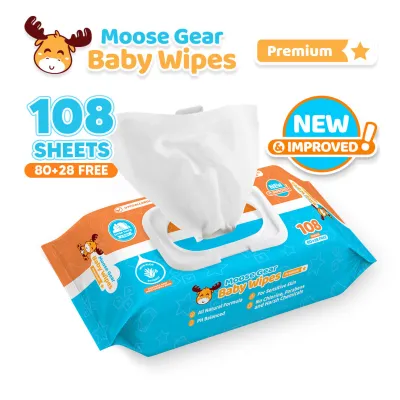
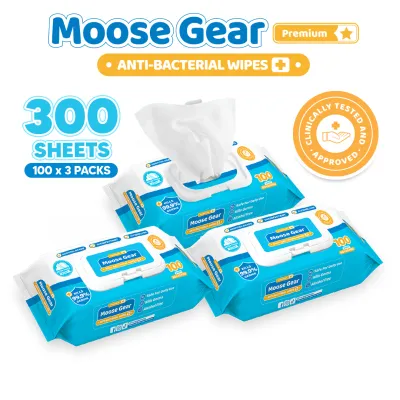
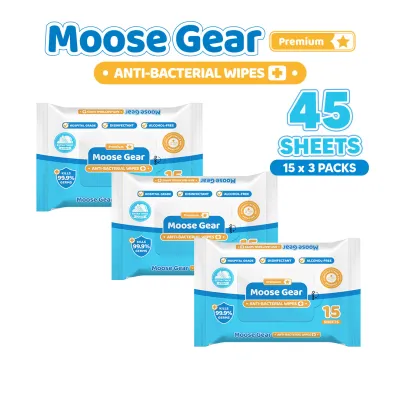


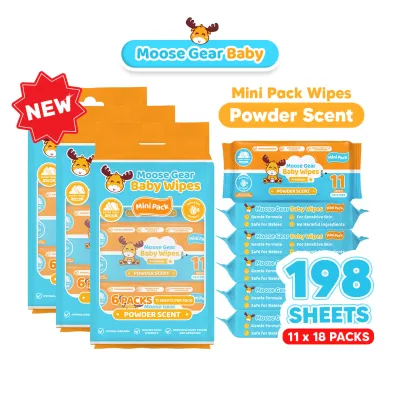
Prices are valid at publication and may change. Please refer to the product page for the latest price.
Unlike intact skin, which can tolerate mild friction and standard cleansing agents, micro-abraded skin is highly sensitive. Any contact with harsh chemicals or rough materials can trigger an immediate inflammatory response, leading to increased redness, swelling, and discomfort.
Friction is one of the primary culprits behind prolonged skin irritation in infants. Many standard baby wipes feature heavily textured surfaces designed to grab dirt quickly. While efficient for healthy skin, these raised patterns act like sandpaper on compromised or scratched skin.
Every swipe drags rough fibers across open micro-tears, stripping away natural oils and delaying the cellular healing process. This mechanical irritation not only causes immediate pain but also leaves the skin more vulnerable to secondary infections.
Furthermore, the liquid solution saturating the wipe plays a critical role in skin comfort. When a baby has active scratches, liquid solutions containing alcohol, acidic compounds, or synthetic fragrances can easily penetrate these micro-tears, causing an intense stinging sensation. This discomfort often leads to crying during diaper changes, turning a simple hygiene task into a stressful experience for both caregiver and baby.
Essential Labels and Ingredients to Verify on Packaging
Navigating the baby care aisle requires a critical eye, as packaging labels can often be misleading. To safeguard your baby’s scratch-prone skin, you must learn to read the ingredient list on the back of the pack rather than relying solely on front-of-pack marketing claims.

The first rule of thumb is to avoid known contact allergens and irritants. Chief among these are alcohols (such as isopropyl alcohol or ethanol), which dry out the skin and cause severe stinging on open wounds. You should also steer clear of synthetic fragrances, often listed simply as “parfum” or “fragrance,” as these are leading causes of allergic contact dermatitis in infants.
Preservatives are necessary in wet wipes to prevent mold and bacterial growth, but some are far too harsh for sensitive skin. Avoid wipes containing methylisothiazolinone (MIT) or methylchloroisothiazolinone (CMIT), which have been widely flagged for causing skin sensitization. Instead, look for milder food-grade preservatives or alternative antimicrobial systems, and ensure they are positioned at the very bottom of the ingredient list.
When you see terms like “hypoallergenic” or “dermatologically tested” on a package, do not take them at face value. To verify these claims, look for specific third-party certifications or seals of approval from recognized dermatological associations or pediatric boards. These seals indicate that the product has undergone controlled clinical testing on sensitive skin panels to minimize the risk of allergic reactions.
It is also vital to understand that “natural” or “plant-based” does not automatically equate to “safe for irritated skin.” Many plant extracts, such as tea tree oil, lavender, or citrus oils, contain natural compounds that can trigger severe contact allergies or sting open scratches. Before using any new wipe, perform a patch test on a small, healthy patch of your baby’s skin (such as the inner forearm) and wait 24 hours to check for any signs of redness or irritation.
Comparing Wipe Categories for Sensitive and Healing Skin
To make an informed choice, caregivers should understand the differences between the primary categories of gentle wipes available in the Philippines. The most popular category for highly sensitive skin is water-based wipes, often marketed as containing 99% or 99.9% purified water. These wipes are designed to mimic the simplicity of cleaning with a damp cotton ball.
They are exceptionally gentle because they minimize the chemical load on the skin. However, because water is a breeding ground for bacteria, you must carefully inspect the remaining 1% of the formulation. Ensure this fraction consists of safe, mild preservatives (like fruit extracts or food-grade compounds) rather than harsh chemicals. Water wipes are ideal for newborns and babies with active scratches, as they offer the lowest risk of stinging.
Another common category is fragrance-free sensitive wipes. These are formulated specifically for everyday use on babies prone to mild dryness or occasional diaper rash. Unlike standard wipes, they omit artificial perfumes and harsh detergents, focusing instead on maintaining a healthy skin pH.
A baby’s skin naturally has a slightly acidic pH (around 5.5), which helps maintain the skin barrier and ward off harmful bacteria. Sensitive wipes are often buffered to match this natural pH, helping to preserve the acid mantle during cleaning. They are a balanced, cost-effective option for daily maintenance when the skin is not actively inflamed.
Lastly, there are wipes formulated with soothing additives, such as aloe vera, chamomile, or calendula. These botanical ingredients are included to help calm redness and moisturize dry, irritated skin. While these additives can provide relief for some babies, they also introduce a higher risk of allergic reactions for others. If your baby has a history of eczema or highly reactive skin, you must verify their individual allergy history before introducing botanical wipes.
Building a Safe Shortlist for Online and In-Store Purchases
When shopping for baby wipes in the Philippines, whether browsing local e-commerce platforms or visiting physical baby boutiques, a systematic approach will help you avoid low-quality or counterfeit products. When buying online, do not rely solely on the product images provided by the manufacturer. Instead, scroll down to the customer review section and look for real photos of the packaging, specifically the ingredient list and the manufacturing details. This allows you to verify that the formulation has not changed and matches the seller’s description.
Pay close attention to manufacturing and expiration dates. Because gentle wipes for sensitive skin use milder preservative systems, their shelf life is often shorter than that of standard wipes. In the hot, humid climate of the Philippines, chemical degradation can occur more rapidly if products are stored incorrectly in warehouses. Always check the packaging for a clear expiration date or manufacturing code. Avoid purchasing bulk packages that are close to their expiration date, as the preservative efficacy may be compromised.
To protect your budget and your baby’s skin, avoid buying large bulk boxes of a new brand right away. Even the most highly recommended sensitive wipe can occasionally cause a reaction in individual babies. Start by purchasing single, smaller travel packs. This allows you to test the wipe’s texture, moisture level, and skin compatibility over a few days. Once you have confirmed that the wipe does not cause redness or discomfort, you can confidently transition to purchasing larger, more economical multi-packs.
Safe Wiping Techniques Around Scratches and Rashes
Even the gentlest wipe can cause irritation if applied with too much force. When cleaning skin that is scratched, red, or rash-prone, your physical technique is just as important as the product’s ingredients. Never rub or scrub the skin. Instead, employ a gentle “pat and lift” technique.
Place the folded wipe gently over the soiled area, press down lightly to allow the moisture to loosen any dirt or residue, and then lift the wipe away. Repeat this process with a clean section of the wipe until the skin is clean. This minimizes lateral friction, protecting the fragile, healing epidermis from tearing.
After cleaning, do not rush to apply barrier creams or put on a fresh diaper. Trapping moisture against the skin is a primary cause of diaper rash and fungal infections, especially in warm, tropical environments. Allow the skin to air-dry completely for a few minutes. You can gently pat the area dry with a clean, soft muslin cloth or simply let the air circulate around the skin. Once the skin is dry to the touch, you can apply a thin layer of a pediatrician-approved barrier cream to protect the scratches from acidic urine and stool.
As a caregiver, you must also know when to stop using wipes altogether. If you notice that the redness is spreading, the skin is weeping or oozing fluid, or your baby cries and shows clear signs of pain during cleaning, discontinue use immediately. These symptoms indicate that the skin barrier is severely compromised or potentially infected. In such cases, temporarily switch to cleaning with plain, lukewarm water and soft cotton pads, and consult your pediatrician for a proper diagnosis and treatment plan.
Frequently Asked Questions (FAQ)
Can I use regular baby wipes if I rinse the area with water afterward?
Rinsing the skin with water after using a regular baby wipe is not a reliable way to protect scratch-prone skin. Standard wipes often contain chemical surfactants, synthetic fragrances, and strong preservatives designed to cling to the skin to provide a lasting barrier or scent. These ingredients can quickly absorb into micro-tears and irritated areas upon contact, causing immediate stinging and inflammation. Rinsing afterward cannot undo this initial chemical exposure or fully remove residues that have already penetrated the compromised skin barrier. During active flare-ups or when scratches are present, it is far safer to bypass regular wipes entirely. Instead, use plain water and soft, disposable cotton pads or a clean, damp washcloth to cleanse the area gently without introducing unnecessary chemical irritants.
How should I store wipes to prevent bacterial growth on sensitive skin?
Proper storage is critical for maintaining the safety and hygiene of baby wipes, particularly those formulated for sensitive skin. Because gentle wipes use mild, non-toxic preservative systems, they are more vulnerable to bacterial and mold contamination once opened. In the hot and humid climate of the Philippines, bacteria can multiply rapidly in warm, moist environments. To prevent this, always store your wipe packs in a cool, dry place away from direct sunlight and heat sources. Ensure the plastic lid or adhesive seal is pressed down firmly after every single use to prevent the wipes from drying out and to keep airborne contaminants out. Avoid storing open packs in highly humid areas like bathrooms, and try to use an opened pack within a few weeks to ensure the solution remains fresh and safe for your baby’s skin.
Are antibacterial wipes ever safe for a baby's scratched skin?
Antibacterial wipes should never be used on a baby’s scratched or irritated skin. These products are formulated with harsh chemical agents designed to sanitize hard surfaces or adult hands, and they are far too aggressive for an infant’s delicate skin barrier. Applying antibacterial chemicals to open scratches or rashes will cause severe stinging, chemical burns, and increased inflammation. Furthermore, these wipes destroy the skin’s natural microbiome—the beneficial bacteria that live on the skin and help protect it from harmful pathogens. Disrupting this delicate balance can actually delay the healing process and make the skin more susceptible to infections. For minor scratches, gentle cleansing with water or a mild, non-medicated water wipe is sufficient. If you suspect a scratch has become infected, seek professional medical advice rather than attempting to treat it with over-the-counter antibacterial wipes.

Community discussion
Share your experience or ask a question. Comments are reviewed before publication.