
Securing the entryways in your home is one of the most critical steps in creating a safe environment for your growing child. In many households, a mix of traditional wooden doors, modern sliding glass doors, and lightweight screen doors can make baby-proofing feel like a complex puzzle. Finding the right door harang for baby safety requires a clear understanding of your home’s layout, the specific door hardware you have installed, and how local environmental factors like high humidity can affect safety devices. By choosing the correct barriers, you can prevent curious toddlers from accessing high-risk areas while maintaining a functional home for the rest of the family.
Implementing effective door barriers is not about locking down every room, but rather about establishing reliable boundaries where hazards are most concentrated. A well-chosen barrier acts as a silent guardian, giving parents peace of mind during those moments when their attention must be divided. To make an informed decision, you must evaluate both the physical structure of your doors and the rapidly developing motor skills of your child.
Assessing Your Doors and Baby's Mobility Stage
Before purchasing any baby-proofing hardware, take a detailed walk through your home to identify which zones require strict access control. High-risk areas such as bathrooms, kitchens, laundry areas, and home offices should be your top priorities. Bathrooms present immediate water and slip hazards, while kitchens contain hot appliances, sharp utensils, and household cleaners that must remain completely out of reach. Additionally, utility rooms or storage closets housing tools and chemicals require absolute security to prevent accidental exposure.
Products mentioned in this guide
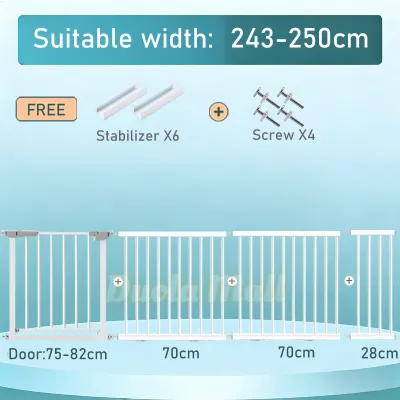
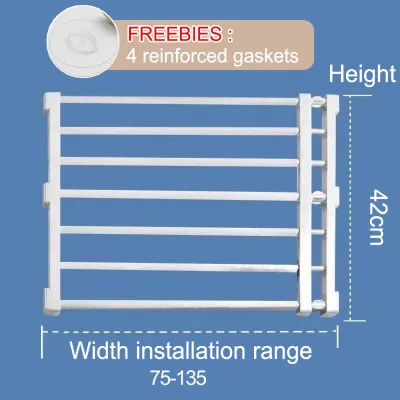
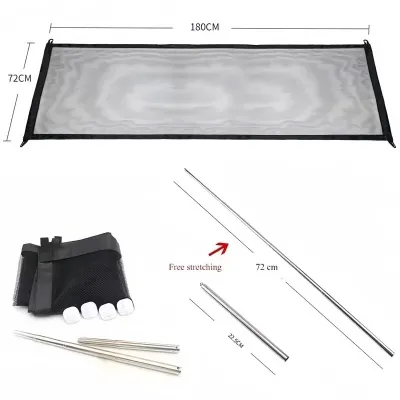


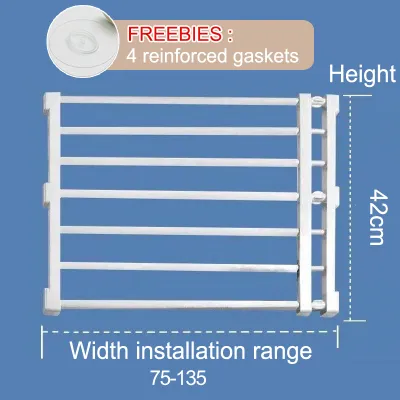
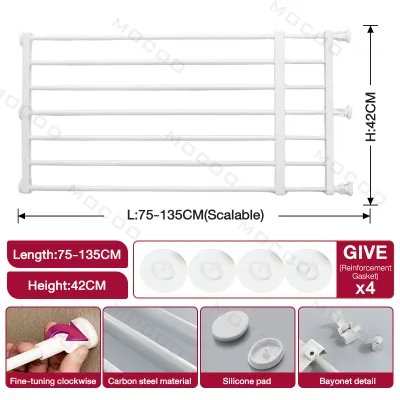
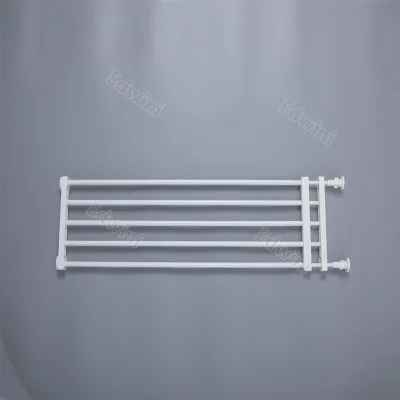
Prices are valid at publication and may change. Please refer to the product page for the latest price.
Next, examine the specific door handle types and opening mechanisms present in each room. Standard round doorknobs are highly common in older residential layouts, whereas modern condominiums and newer subdivisions frequently utilize lever-style handles. You must also account for sliding glass doors leading to balconies or patios, as well as sliding wooden doors used for closets or room dividers. Each of these mechanisms requires a distinct type of barrier, as a lock designed for a swinging door will not function on a sliding track.
Finally, assess your baby’s current physical abilities, height, and problem-solving skills. A crawling infant only needs protection from open doorways, which can often be managed with safety gates. However, once a toddler begins pulling themselves up to stand and walking, they will naturally target door handles. Consider how quickly your child learns by observation; some toddlers can figure out simple latch mechanisms simply by watching adults use them. The barrier you choose must feature a complexity level that exceeds your child’s current cognitive and fine motor capabilities.
Matching Door Barrier Types to Your Home Layout
Selecting the right category of door barrier ensures that your safety measures are both effective and convenient for daily use. Because different doors serve different purposes, a single type of lock is rarely sufficient for an entire household. Matching the barrier to the specific door style and layout prevents unnecessary wear on your doors while keeping your child secure.

Covers and Grips for Standard Knobs and Levers
Plastic covers and grips are highly effective solutions for standard round doorknobs. These devices work by encasing the existing knob in a smooth plastic shell that spins freely when a child attempts to turn it. To open the door, an adult must squeeze the designated pressure points on the sides of the cover to grip the actual metal knob underneath. This dual-action requirement exploits the fact that young children lack the hand span and grip strength necessary to squeeze and turn simultaneously.
While these covers are highly affordable and easy to install without tools, they do require sufficient hand strength from adult users. This can sometimes pose a challenge for elderly family members, grandparents, or caregivers who may have arthritis or limited hand mobility. It is important to test these covers with all adult members of the household to ensure everyone can operate them smoothly during daily routines or in the event of an emergency.
Additionally, parents should be aware of the practical limitations of friction-based covers. As toddlers grow older, their hand strength increases, and their observational learning skills sharpen. A determined child may eventually figure out how to squeeze the pressure points or may simply use two hands to mimic the adult motion. Once you observe your child attempting to squeeze the sides of the cover, it is time to transition to a more advanced locking system.
Strap Locks and Adhesive Latches for Sliding Doors
Sliding glass doors, patio entries, and sliding closet tracks present a unique baby-proofing challenge because they do not utilize traditional swinging handles. For these setups, strap locks and heavy-duty adhesive latches are the most practical choices. These barriers typically consist of two adhesive mounts connected by a flexible plastic or fabric strap, or a folding plastic wing mechanism that physically blocks the door from sliding along its track.
Because these locks rely entirely on adhesive backing, the quality of the installation surface is paramount. In tropical climates where high humidity and heat are common, adhesive bonds can degrade more rapidly than in cooler, drier environments. These locks perform best on clean, dry, smooth surfaces such as glass, finished metal, or sealed wood. Unfinished wood, textured plastics, or walls with peeling paint will not provide a secure bond, increasing the risk of the barrier failing when pulled.
Before relying on an adhesive strap lock to secure a heavy sliding door, always check the manufacturer’s weight limits and recommended curing times. A heavy glass patio door requires a much stronger latch than a lightweight plastic closet door. If a toddler throws their body weight against a sliding door, a weak or improperly cured adhesive lock can easily snap or peel away, rendering the barrier useless.
Top-Mounted Lever Locks and Out-of-Reach Solutions
Lever handles are notoriously easy for toddlers to operate because they only require downward pressure, which a child can apply simply by hanging on the handle. Top-mounted lever locks and out-of-reach solutions are designed specifically to address this vulnerability. These devices are installed directly onto the door or door frame, physically blocking the lever from moving downward unless a release button is pressed.
Many high-quality lever locks utilize strong adhesives, but some heavy-duty models may require drilling or mounting hardware. Before purchasing, verify that your door material is compatible with the lock’s installation requirements. For example, drilling into a metal or solid composite door requires specialized tools, while adhesive models may be more suitable for rented properties where permanent modifications are prohibited.
The primary advantage of top-mounted solutions is that they can be placed completely out of your child’s reach. By installing the barrier near the top of the door frame, you eliminate the risk of the child tampering with the lock, regardless of how clever or coordinated they are. However, ensure the lock is positioned high enough to account for your child’s future growth, jumping ability, or the potential use of small toys or footstools to gain height.
Essential Safety and Material Checks Before Purchase
When shopping for a door harang for baby safety, material quality and structural integrity must be your primary considerations. Because these devices are installed at a child’s eye and reach level, they will inevitably be touched, pulled, and potentially mouthed. Ensure that all plastic components are certified BPA-free, non-toxic, and free of harmful phthalates or lead, especially if your baby is currently in the developmental stage of exploring objects with their mouth.
Another critical safety check involves inspecting the barrier for small detachable parts or weak joints. Cheaply manufactured plastic locks can easily become brittle and snap under repeated pressure, creating sharp edges or small fragments that pose a severe choking hazard. Look for solid, single-piece construction where possible, and avoid designs with small rubber tips or decorative elements that can be pried off by a persistent toddler.
The release mechanism of the barrier must strike a perfect balance between child resistance and adult accessibility. In an emergency, such as a fire or a sudden household accident, an adult must be able to bypass or release the lock quickly, ideally using only one hand. Complex multi-step locks that require two hands or excessive force to open can become dangerous obstacles during a crisis. Conversely, if the mechanism is too simple, a toddler will quickly learn to bypass it.
Finally, review the manufacturer’s pull-force ratings or structural specifications. A high-quality door barrier should be rated to withstand the physical force of an older, heavier toddler. Children often do not simply pull on doors; they may shake, kick, or throw their entire body weight against them out of frustration. Choosing a lock with a verified, robust design ensures that the barrier remains secure even under intense physical stress.
Installation Guidelines and Ongoing Maintenance
Proper installation is just as important as choosing the right product. For adhesive-based locks, start by thoroughly cleaning the mounting surface with rubbing alcohol to remove any grease, dust, oil, or tropical humidity residue. Avoid using household glass cleaners or soap, as these can leave behind a thin film that prevents the adhesive from bonding correctly. Allow the surface to dry completely before applying the lock.
Once the adhesive is applied, press and hold the lock firmly against the surface for at least thirty seconds to activate the pressure-sensitive bond. It is absolutely vital to allow the adhesive to cure fully according to the manufacturer’s instructions—typically 24 hours—before subjecting the lock to any physical tension. Testing the lock too early or allowing a child to pull on it before the curing process is complete will permanently weaken the bond, leading to premature failure.
Regular maintenance is essential to ensure the ongoing safety of your door barriers. Establish a habit of inspecting all locks and latches weekly. Look for signs of wear, such as peeling adhesive edges, loose mounting screws, or hairline cracks in the plastic housing. In humid environments, adhesives can dry out or lose their stickiness over time, and wood doors may swell or shrink, altering the alignment of the locking mechanisms.
If you detect any structural failure, loose fit, or if your child successfully manipulates or bypasses a barrier, stop using it immediately. Do not attempt to repair a broken baby-proofing device with household tape or glue, as these temporary fixes cannot guarantee your child’s safety. Replace the compromised barrier with a new, more robust model or transition to a different style of lock that better suits your child’s advanced developmental stage.
Frequently Asked Questions (FAQ)
Can I use door barriers on hollow-core doors?
Yes, you can use door barriers on hollow-core doors, but you must choose the mounting method carefully. Adhesive-based locks generally perform exceptionally well on hollow-core doors, provided the door surface is smooth, painted, and properly cleaned before installation. Because hollow-core doors have very thin wood or composite outer skins, they do not offer much material for screws to grip.
If you must use a screw-mounted lock on a hollow-core door, avoid drilling directly into the thin hollow sections, as the screws can easily strip out under pressure. Instead, attempt to mount the hardware into the solid wood stiles and rails along the outer edges of the door, or use specialized hollow-wall anchors designed to expand behind the thin door skin. Always check your door manufacturer’s warranty regarding modifications, as drilling or applying heavy adhesives may void the warranty.
At what age should I remove door barriers?
The appropriate age to remove door barriers varies significantly for each child, as it depends on their individual cognitive development, impulse control, and ability to understand safety rules. Generally, most families begin phasing out physical door barriers between the ages of 3 and 5. By this stage, children can typically understand verbal instructions and comprehend the dangers associated with restricted areas.
However, high-hazard zones such as utility closets, chemical storage areas, and workshops should remain locked or secured indefinitely, regardless of the child’s age. When transitioning away from physical barriers, do so gradually. Teach your child how to operate doors safely, explain why certain rooms require permission to enter, and allow them to practice opening doors under your direct supervision to build trust and safety awareness.
Community discussion
Share your experience or ask a question. Comments are reviewed before publication.