
Selecting the right skincare products during pregnancy requires a careful balance of safety, comfort, and efficacy. For mothers exploring the Buds and Blooms maternity line to address stretch marks, the ideal choice depends on your specific skin type, the stage of your pregnancy, and how well a product performs in a warm, humid environment. Rather than relying on a single universal solution, the most effective approach involves combining deeply hydrating creams with moisture-locking body oils to support the skin as it stretches. By understanding how to evaluate these formulations, you can build a reliable daily routine that keeps your skin supple and comfortable.
Pregnancy brings rapid physical changes, particularly across the abdomen, breasts, hips, and thighs. As the body grows, the skin’s middle layer, or dermis, stretches to its limits, which can lead to the fine tearing known as stretch marks. While genetics and hormonal shifts play a primary role in whether these marks appear, keeping the skin highly hydrated and elastic can significantly ease the associated tightness, itching, and dryness. The Buds and Blooms range offers various topical options designed to address these concerns, allowing mothers to customize their skincare based on personal preference and seasonal climate needs.
To make an informed decision, you must look closely at product labels, understand the physical differences between creams and oils, and establish a consistent application routine. This guide provides a comprehensive framework to help you evaluate the Buds and Blooms selection, compare different product formats, and implement a safe, practical skincare regimen throughout your pregnancy and postpartum journey.
Products mentioned in this guide
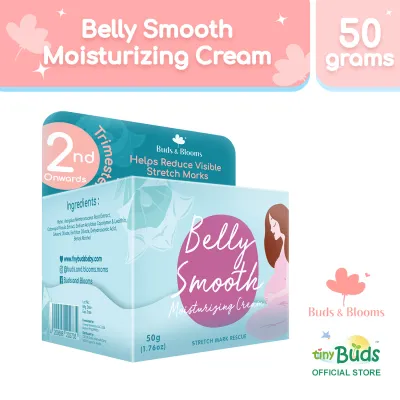
Prices are valid at publication and may change. Please refer to the product page for the latest price.
Understanding Stretch Mark Prevention and Pregnancy-Safe Skincare
Physiologically, stretch marks, or striae gravidarum, occur when rapid expansion stretches the collagen and elastin fibers in the dermis. When these supportive fibers rupture, the deeper vascular layers show through, creating reddish or purplish lines that eventually fade into silvery scars. Because this process happens deep within the skin layers, topical skincare cannot completely prevent stretch marks if genetic factors or rapid hormonal changes predispose you to them. However, maintaining optimal hydration in the outer layer, or epidermis, supports overall skin resilience and helps the tissue adapt more smoothly to stretching.
During pregnancy, the skin barrier can become more sensitive, dry, and prone to irritation due to fluctuating hormone levels. This heightened sensitivity makes the safety of your skincare ingredients a top priority. A truly pregnancy-safe skincare product must exclude ingredients that could pose potential risks to fetal development or cause severe maternal skin reactions. For instance, dermatologists universally recommend avoiding retinoids, salicylic acid in high concentrations, and certain synthetic preservatives during pregnancy. Instead, maternity skincare focuses on gentle, nourishing botanical extracts, natural oils, and mild humectants.
Hydration and elasticity are closely linked; well-hydrated skin is naturally more pliable and less prone to the intense itching that often precedes the appearance of stretch marks. When the skin barrier is dry, it loses its natural flexibility, making it more vulnerable to micro-tears under tension. Applying topical emollients and humectants helps reinforce this barrier, locking in moisture and reducing trans-epidermal water loss. This external support is particularly crucial during the second and third trimesters when the physical expansion of the abdomen accelerates rapidly.
Setting realistic expectations is essential for any expectant mother investing in maternity skincare. No cream, oil, or balm can guarantee absolute prevention, and any product claiming to do so should be approached with caution. The primary goal of a stretch mark routine is to maximize skin comfort, alleviate dryness, and provide the structural support that comes from deep, consistent hydration. Embracing this perspective allows you to focus on self-care and skin health rather than chasing unattainable cosmetic guarantees.
How to Evaluate Buds and Blooms Products for Maternity Use
When shopping for Buds and Blooms products, the first step is to carefully examine the packaging for maternity-specific indicators. Look for clear labels stating that the formulation is specifically designed for pregnant or postpartum mothers. These products are typically formulated without common irritants, artificial colorants, or harsh synthetic fragrances that could trigger nausea or skin sensitivity. Checking for terms like “dermatologist-tested,” “hypoallergenic,” and “paraben-free” provides an initial layer of reassurance before you apply any product to your expanding belly.

Beyond marketing claims, you should cross-reference the ingredient list of any Buds and Blooms product with established pregnancy safety guidelines. Look for beneficial, low-risk ingredients such as shea butter, cocoa butter, virgin coconut oil, jojoba oil, and sunflower seed oil, which are excellent for nourishing the skin barrier. Avoid products that contain synthetic retinoids, chemical sunscreens like oxybenzone, or high concentrations of essential oils that may not be recommended during pregnancy. If you are unsure about a specific ingredient listed on the back of the bottle, consult your obstetrician or a dermatologist for professional guidance.
Authenticity is another critical factor when selecting skincare for you and your baby. To ensure you are purchasing genuine Buds and Blooms formulations, always buy directly from official brand stores, authorized physical retailers, or verified flagship stores on major online marketplaces. Counterfeit or improperly stored products may contain unauthorized ingredients, contaminants, or degraded active components that could compromise safety and efficacy. Inspect the packaging for intact safety seals, clear batch numbers, and valid expiration dates before opening.
When planning your maternity budget, you can find these products ranging from under ₱300 to over ₱800 depending on the size and formulation, so checking official online stores is recommended to compare current pricing. Finally, always check for updated manufacturer warnings, usage instructions, or potential allergen disclosures on the product packaging. Even natural ingredients can sometimes trigger localized allergic reactions, especially when your skin is highly sensitive during pregnancy. Before applying any new cream or oil extensively, perform a simple patch test on a small, discreet area of skin, such as your inner forearm, and monitor the area for twenty-four hours for any signs of redness, itching, or swelling.
Comparing Product Formats: Body Oils vs. Stretch Mark Creams
Choosing between a body oil and a stretch mark cream from the Buds and Blooms line depends largely on your skin type, daily habits, and the local climate. Body oils are highly effective occlusives, meaning they form a protective barrier over the skin surface to seal in existing moisture. They are typically rich in essential fatty acids and vitamins that deeply nourish the skin, making them ideal for intense dryness or nighttime use. Because oils take longer to absorb, they provide a long-lasting, protective sheen that keeps the skin feeling supple for hours.
In contrast, stretch mark creams and body butters are formulated to deliver immediate hydration directly into the skin cells. Creams contain a blend of water and oil, allowing them to penetrate the epidermis quickly and replenish lost moisture without leaving a heavy, greasy residue. This rapid absorption makes creams highly convenient for daytime application, as you can dress immediately afterward without worrying about staining your clothes. Creams are also excellent for layering, serving as a hydrating base that can be sealed in with a lighter layer of oil.
The tropical climate of the Philippines plays a significant role in how these product formats feel on your skin. In high humidity and warm temperatures, heavy oils can sometimes feel suffocating or overly greasy, potentially leading to clogged pores or sweat rashes on the abdomen and chest. For daytime comfort in a tropical environment, a lightweight, fast-absorbing stretch mark cream is often the preferred choice. During cooler evenings, or in air-conditioned bedrooms where the air can dry out your skin, transitioning to a richer body oil or layering the two formats can provide the ultimate moisture barrier.
To help you decide which format or combination fits your daily routine, consider this simple decision framework based on your skin’s changing needs:
- For Daytime Use in Warm Weather: Opt for a lightweight stretch mark cream. It absorbs quickly, keeps the skin hydrated, and allows you to go about your day comfortably without a sticky residue.
- For Nighttime Recovery: Choose a rich body oil or a dense body butter. This provides prolonged nourishment while you sleep, preventing nighttime itching and dryness.
- For Extremely Dry or Itchy Skin: Use a layering technique. Apply the hydrating cream first to deliver moisture deep into the skin, then seal it with a thin layer of body oil to lock that moisture in place.
Building a Daily Application Routine for Optimal Skin Support
To get the most out of your chosen Buds and Blooms products, consistency and proper application timing are key. The absolute best time to apply stretch mark creams or oils is immediately after showering or bathing. When your skin is still damp, your pores are slightly open, and the surface water is primed to be locked in by your skincare products. Gently pat your skin dry with a towel, leaving a hint of moisture, and immediately apply your cream or oil to maximize hydration retention.
When applying the product, use gentle, circular massage techniques to stimulate local blood circulation and promote even distribution. Start at the lower abdomen and work your way upward and outward, using the palms of your hands to apply light, soothing pressure. Do not forget to extend the application to other areas prone to rapid stretching, including the sides of your hips, the buttocks, the lower back, and the breasts. This gentle massage not only helps the product absorb more effectively but also provides a calming, mindful moment to connect with your growing baby.
While maintaining a consistent routine is beneficial, you must always prioritize safety and listen to your body’s signals. If you experience any signs of skin irritation, such as persistent redness, burning, hives, or intense itching that worsens after application, stop using the product immediately. Wash the area thoroughly with mild, unscented soap and cool water to remove any remaining residue. If the irritation persists or if you suspect an allergic reaction, consult your healthcare provider or a dermatologist before attempting to use any other maternity skincare products.
Additionally, keep in mind that external skincare is only one part of supporting skin elasticity during pregnancy. True skin resilience also comes from within, which means staying well-hydrated by drinking plenty of water throughout the day and maintaining a balanced diet rich in vitamins C, E, and zinc. Combining a healthy lifestyle with a dedicated, safe topical skincare routine provides the most comprehensive support for your changing body, helping you feel comfortable and confident every step of the way.
Frequently Asked Questions (FAQ)
Can I use Buds and Blooms products while breastfeeding?
Yes, many Buds and Blooms products are formulated to be safe for postpartum use, but you must verify the specific safety guidelines for each individual item before applying them while breastfeeding. The primary concern during lactation is preventing your baby from accidentally ingesting any skincare residue or inhaling strong fragrances during nursing. If you plan to apply creams or oils to your breast area, ensure the product is explicitly labeled as safe for breastfeeding mothers and contains no harsh chemicals or synthetic perfumes.
To ensure absolute safety, always wash your breast and nipple area thoroughly with water before feeding your baby, even if the product claims to be safe for ingestion. Avoid applying heavy oils or highly fragranced creams directly to the areola or nipple unless they are specifically formulated as rinse-free nipple balms. If you are uncertain about the safety of a particular ingredient, consult your pediatrician or a lactation consultant to confirm that the product is entirely safe for your nursing infant.
When should I start applying stretch mark prevention products?
It is generally recommended to start applying stretch mark prevention products early in your first trimester, even before your body begins to show visible signs of growth. Introducing these products early helps prepare the skin by building up its moisture reserves and improving overall elasticity before the rapid stretching of the second and third trimesters begins. Establishing a daily habit early in your pregnancy also makes it easier to maintain consistency as your belly grows and your skin requires more intensive care.
However, if you did not start early, beginning a skincare routine at any point during your pregnancy is still highly beneficial. Daily consistency and deep hydration are far more important than the exact week you start your routine. Focus on applying your chosen creams or oils at least twice a day, and ensure you are drinking enough water to support your skin’s hydration from the inside out.

Community discussion
Share your experience or ask a question. Comments are reviewed before publication.