
In the tropical climate of the Philippines, where high humidity and soaring temperatures are year-round realities, choosing the right baby swaddle material is crucial for your newborn’s comfort and safety. The ideal swaddle fabrics are lightweight, open-weave cotton muslin and bamboo-derived viscose. These materials maximize airflow and wick away moisture, helping to prevent overheating and skin irritation. By understanding how different textiles behave in warm weather, you can create a safe, soothing sleep environment that keeps your little one comfortable day and night.
How Heat and Humidity Affect Your Baby's Swaddle Needs
Newborns have an underdeveloped thermoregulation system, meaning their bodies cannot adjust to temperature fluctuations as efficiently as adults. In a tropical environment, high ambient temperatures combined with heavy humidity make it difficult for sweat to evaporate from your baby’s skin. When moisture is trapped against the body, it can lead to rapid heat retention, raising the risk of overheating during sleep.
As a caregiver, you must remain vigilant for observable signs of overheating. Regularly check your baby’s neck, chest, and back; if the skin feels hot or damp, or if you notice flushed cheeks, rapid breathing, or damp hair, your baby is too warm. These physical cues indicate an immediate need to adjust the room temperature, remove a layer of clothing, or switch to a more breathable swaddle material.
Products mentioned in this guide
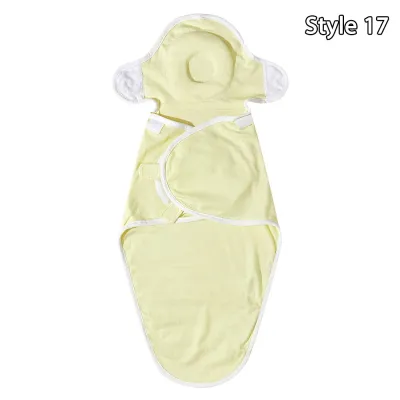
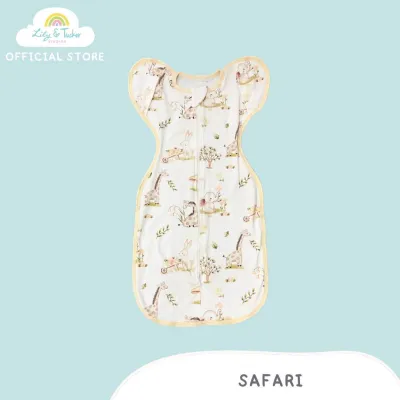
![[Teeker]Newborn Baby Swaddle Wraps Cotton Four Seasons Sleeping Bags Cartoon Anti Startle Anti Kick 360° Wrapped 30x60CM Bed Accessories For Neonate Infant 0-3 Months](https://img.lazcdn.com/g/p/15421bddd6075ef1332eb00e5cf69036.png_400x400q80.png_.webp)
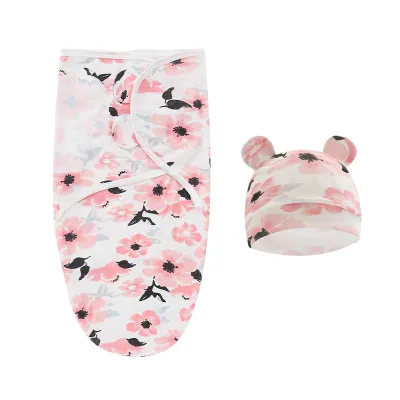
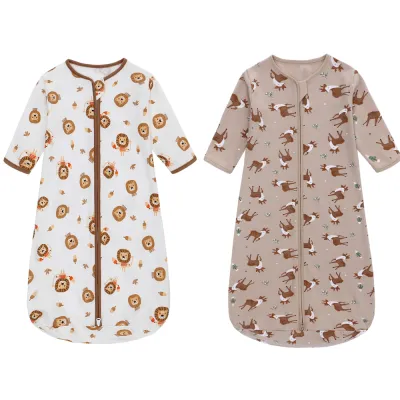
Prices are valid at publication and may change. Please refer to the product page for the latest price.
Moisture management is equally vital during both the dry summer months and the humid rainy season. Excess moisture trapped in fabric folds can cause friction and block sweat ducts, leading to heat rash, locally known as bungang-araw. Selecting a swaddle that promotes continuous airflow and actively wicks moisture away from the skin is a practical way to maintain skin integrity and ensure uninterrupted sleep.
Evaluating Common Swaddle Fabrics for Breathability and Comfort
When shopping for swaddles, the fabric composition and weave dictate how well the material performs in tropical heat. Different options offer distinct benefits for airflow and moisture control.

Cotton Muslin This is widely considered an excellent choice for warm-weather swaddling. Muslin features an open, plain-weave structure that allows air to flow freely through the fibers, preventing heat pockets from forming around your baby. It is exceptionally lightweight, highly breathable, and naturally softens with every wash, making it gentle on delicate newborn skin.
Bamboo-Derived Viscose or Rayon This material is highly valued for its silky-smooth texture and cool-to-the-touch feel. Bamboo-derived fabrics excel at moisture-wicking, drawing sweat away from the baby’s body much faster than standard cotton. Additionally, its natural elasticity allows for a snug, secure wrap without requiring a tight, restrictive weave.
Standard Cotton (Jersey and Interlock) Standard cotton is a reliable, natural option, but its performance depends heavily on how it is knitted. Jersey cotton, commonly used in swaddle sacks, is lightweight and stretchy, offering decent breathability. Interlock cotton, however, is a double-knit fabric that is significantly thicker and heavier. While soft, interlock cotton can trap heat and retain moisture in non-air-conditioned rooms, making it less suitable for warm tropical afternoons.
Fabric Weight and Weave Density Beyond the fiber type, always consider the fabric’s weight, often measured in Grams per Square Meter (GSM). A lower GSM indicates a thinner, lighter fabric that is better suited for tropical climates. Even a 100% natural cotton swaddle can become uncomfortably warm if the weave is too dense or the fabric weight is too high, so prioritizing lightweight, sheer weaves is essential.
Identifying Fabrics and Features to Avoid in Tropical Heat
To keep your baby safe and comfortable, it is important to recognize which materials and design features can compromise airflow.
Synthetic Fibers Avoid swaddles made from polyester, nylon, or synthetic blends. Unlike natural fibers, synthetics do not allow the skin to breathe and are highly prone to trapping sweat. This creates a humid microclimate inside the swaddle, which can quickly cause overheating and exacerbate skin conditions.
Thick, Plush Materials Fabrics like fleece, heavy flannel, or quilted layers are designed to insulate and retain body heat in cold climates. Using these materials in a tropical setting, even during cooler rainy nights, poses a significant risk of overheating unless your nursery is consistently kept at a very low air-conditioned temperature.
Excessive Padding and Embellishments Steer clear of swaddles that feature heavy chest padding, thick decorative embroidery, or non-breathable waterproof backings. These elements add unnecessary weight, restrict the fabric’s natural drape, and block the pathways where heat would normally escape.
Tight, Non-Stretchy Weaves Stiff, tightly woven fabrics lack the flexibility needed for comfortable movement. They can rub against your baby’s skin, causing friction and irritation, while also trapping pockets of warm air close to the body. Opt instead for fabrics that offer a natural, gentle stretch.
Checking Fabric Labels and Safety Specifications
Selecting the right swaddle requires a careful look at the product packaging and labels before making a purchase.
Reading Composition Tags Always inspect the fabric composition tag to verify the exact percentages of the fibers used. Look for labels indicating 100% cotton, 100% bamboo viscose, or high-quality natural blends. Be cautious of products marketed as “bamboo soft” or “cotton-feel” that actually contain high percentages of polyester or other synthetic materials.
Understanding TOG Ratings The Thermal Overall Grade (TOG) is a measure of thermal insulation. For the warm Philippine climate, look for swaddles with a low TOG rating, specifically between 0.2 TOG and 0.5 TOG. These ratings are designed for room temperatures above 24°C, ensuring the fabric provides security without adding dangerous levels of warmth.
Safe Sleep and Hip-Healthy Guidelines Always verify that the swaddle design supports hip-healthy development by allowing your baby’s hips and knees to bend and spread naturally. Read the manufacturer’s instructions regarding weight and size limits, and ensure you supervise your baby during use. Crucially, stop swaddling immediately as soon as your baby shows any signs of attempting to roll over, as swaddling a rolling baby poses a severe suffocation risk. If you have concerns about your baby’s sleep safety or skin health, consult a qualified pediatrician.
Verifying Care Instructions Because tropical humidity and daily sweat require frequent laundering, check the care label to ensure the swaddle can withstand regular washing. Look for materials that are machine-washable and durable enough to maintain their shape and softness without shrinking or degrading over time.
Maintaining Swaddles in a Humid Environment
Proper care and maintenance are essential to keep your baby’s swaddles hygienic and safe in a highly humid climate.
Washing Frequency and Detergents Wash swaddles regularly to remove sweat, body oils, and spit-up, which can quickly become breeding grounds for bacteria. Use a mild, hypoallergenic, baby-safe detergent that is free from harsh fragrances and dyes to protect both the delicate natural fibers and your baby’s sensitive skin.
Ensuring Complete Drying High humidity, especially during the rainy season, can make line-drying a slow process. It is critical to ensure that swaddles are completely dry before folding and storing them. Damp fabrics easily harbor mold and mildew, which can trigger allergies or skin irritation. Hang swaddles in well-ventilated areas with good airflow, utilize direct sunlight for its natural sanitizing properties when possible, or use a clothes dryer on a low-heat setting if recommended by the manufacturer.
Proper Storage Methods Store clean, dry swaddles in breathable cotton storage bags or on open, well-ventilated shelves. Avoid storing them in sealed plastic containers or vacuum bags, as these can trap residual moisture and lead to a musty, stale odor.
Recognizing When to Discard Regularly inspect your swaddles for signs of wear and tear. Discard or repurpose any swaddle that has a persistent musty smell, thinning fabric, frayed edges, or a loss of elasticity in the fasteners or fabric. Compromised materials can pose safety hazards, such as loose threads wrapping around tiny fingers or a loose fit that could cover the baby’s face.
Frequently Asked Questions (FAQ)
Is it safe to use a swaddle with a fan or air conditioning?
Yes, it is safe, provided you adjust the swaddle material and your baby’s clothing to match the room’s temperature. If you run an air conditioner, a lightweight cotton or a 0.5 TOG swaddle paired with a light onesie is usually appropriate. If you are using a fan, position the crib so that the fan’s airflow circulates the air in the room without blowing directly onto your baby, as continuous direct wind can cause rapid cooling. Always monitor your baby’s temperature by feeling their chest or the back of their neck to ensure they are comfortably warm, not cold or sweaty.
How many swaddles do I need for the hot and rainy seasons?
A baseline of 4 to 6 lightweight swaddles is generally recommended for daily use, allowing for frequent changes due to sweat, spit-up, or diaper leaks. During the rainy season, when high humidity significantly increases air-drying times, you may want to expand your rotation to 6 to 8 swaddles. Having an ample supply ensures you always have a completely dry, clean swaddle on hand, eliminating the risk of using a damp fabric that could harbor mildew.

Community discussion
Share your experience or ask a question. Comments are reviewed before publication.