
An on-the-go baby bottle organizer storage system for the Philippines must prioritize three essential elements: high-performance thermal insulation to protect milk from tropical heat, moisture-resistant fabrics to combat intense humidity, and secure, padded compartments to safeguard bottles during bumpy commutes. Navigating local transit options and sudden weather changes requires a carefully selected bag that keeps feeding supplies clean, organized, and safe.
Choosing the right organizer means looking past basic aesthetics and evaluating how the bag performs under real-world local conditions. By focusing on specific structural features, durable materials, and smart layouts, you can ensure your baby’s milk remains fresh and your feeding essentials stay completely sterile throughout your journey.
Understanding the Impact of Tropical Weather and Local Transit
The climate in the Philippines presents unique challenges for maintaining infant feeding hygiene on the go. With ambient temperatures frequently exceeding 30°C and relative humidity levels often climbing above 80%, prepared formula or expressed breast milk can quickly become breeding grounds for harmful bacteria if left unprotected. Sudden tropical downpours during the monsoon season can also instantly soak through standard fabrics, potentially contaminating sterile nipples, pacifiers, and clean burp cloths stored inside an unshielded bag.
Products mentioned in this guide
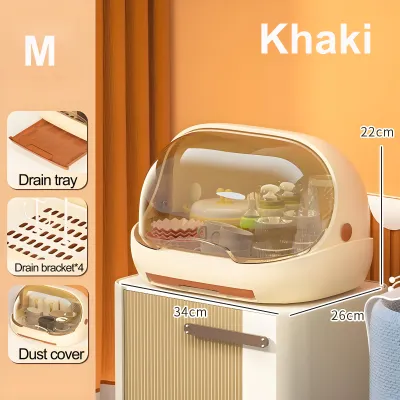
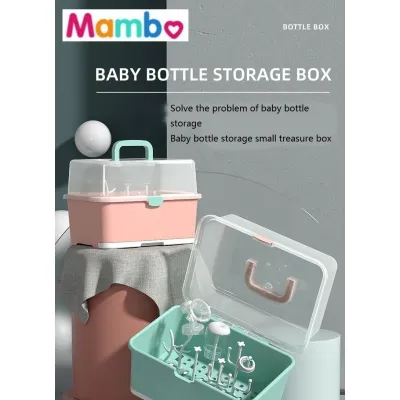
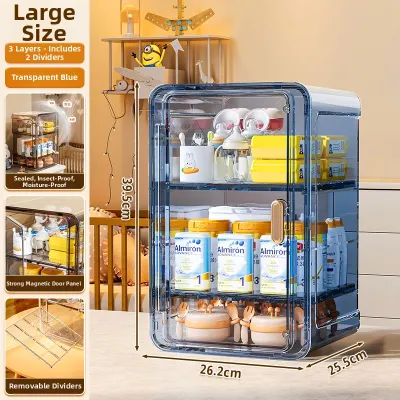
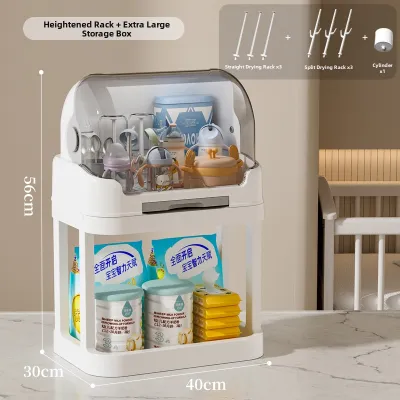
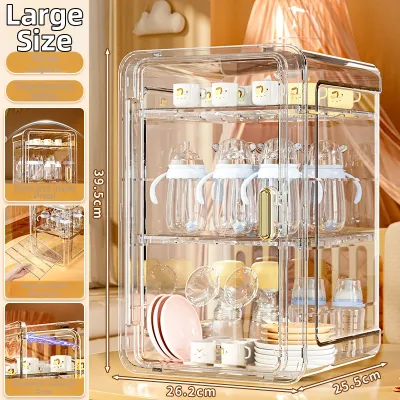
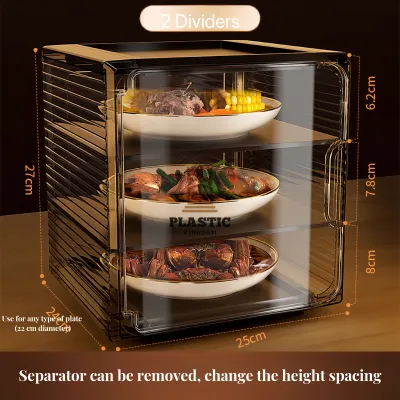
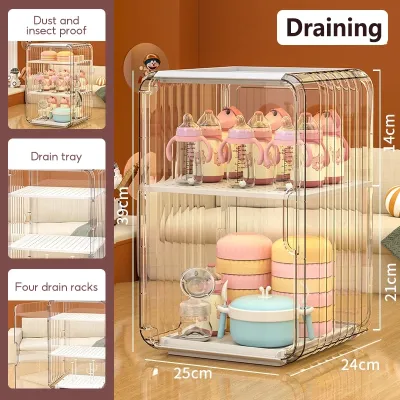
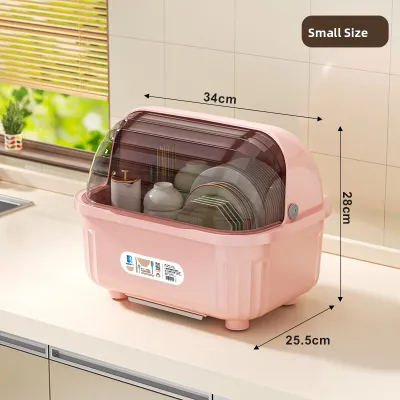
Prices are valid at publication and may change. Please refer to the product page for the latest price.
Beyond the weather, local commuting conditions demand a highly durable and secure storage design. Traveling via jeepneys, tricycles, or buses involves constant vibrations, sudden stops, and bumpy roads that can easily tip over unsecured bottles, causing messy leaks or even breaking fragile glass containers. A well-padded, structurally stable organizer acts as a protective shield, keeping your feeding gear upright and intact while you navigate crowded streets, narrow sidewalks, and busy public transport terminals.
Insulation and Temperature Control for Milk Safety
When carrying expressed breast milk or pre-mixed formula in warm weather, reliable temperature control is your primary defense against spoilage. Standard bags allow heat to transfer rapidly, but a high-quality organizer features specialized insulated linings made of thick polyethylene vinyl acetate (PEVA) or heavy-duty aluminum foil layers. Rather than relying on generic marketing claims like “long-lasting cooling,” always check the manufacturer’s specifications for verified temperature retention ratings to ensure the bag can handle several hours in tropical heat.

To maximize the efficiency of your insulated organizer, pair it with compatible gel ice packs or contoured ice sheets. For optimal cooling, position the ice packs directly adjacent to the bottles—ideally sandwiching them—to distribute the cold evenly. Keep in mind that opening the bag frequently lets warm air in, which accelerates temperature loss, so try to keep the insulated compartment sealed until the exact moment of feeding.
Choosing between a single-bottle insulated pouch and a multi-bottle cooler bag depends on your typical outing duration and feeding routine.
- Single-bottle pouches are highly compact and excellent for quick trips to the local supermarket, a nearby clinic, or a short walk around the neighborhood.
- Multi-bottle cooler bags provide the space and robust insulation needed for day-long family gatherings, extended road trips, or transitioning your child to a daycare center.
Moisture Resistance and Easy Cleaning for High Humidity
High humidity and sudden rain showers make moisture management a critical safety factor for any baby bottle organizer. The exterior of the bag should feature water-resistant or fully waterproof fabrics, such as high-density nylon or polyester treated with a polyurethane (PU) coating. These materials repel external moisture, ensuring that a sudden downpour or an accidental splash does not seep into the clean interior where your baby’s feeding accessories are stored.
On the inside, look for heat-sealed, seamless linings that prevent liquids from soaking into the seams. Condensation from ice packs and minor bottle leaks are inevitable; a seamless interior allows you to quickly wipe away pooled liquid with a dry cloth, preventing sour odors and bacterial growth. Avoid bags with rough, fabric-lined interiors that trap liquids and are difficult to sanitize on the go.
To combat the mold and mildew that thrive in humid tropical climates, select an organizer that incorporates breathable mesh pockets or dedicated ventilation eyelets. These features allow residual moisture on outer pockets to evaporate rather than becoming trapped in dark, airtight spaces. Always consult the product’s care label for specific washing and drying instructions, as machine washing can sometimes degrade water-resistant coatings or damage internal thermal insulation layers.
Bottle Protection, Compartments, and Capacity Planning
Keeping your baby’s feeding bottles safe and upright requires a smart internal layout. Look for organizers equipped with thick, padded dividers or sturdy elastic loops that hold each bottle firmly in place. This is especially important if you prefer glass bottles, as the dividers prevent the containers from clinking against each other and cracking during bumpy tricycle or jeepney rides. Rigid bottom panels also help the bag stand upright on flat surfaces, reducing the risk of accidental tips when you are preparing a bottle.
Capacity planning is another essential step in choosing the right organizer. You must match the bag’s physical dimensions to the specific brand and size of bottles you use, as wide-neck bottles or tall 8-ounce containers require significantly more vertical and horizontal space than standard 4-ounce bottles. Calculate your baby’s typical feeding frequency for a day out and select a bag that comfortably holds the required number of bottles without forcing you to cram them in, which can compress the insulation and compromise safety.
To maintain strict hygiene, choose an organizer that features dedicated, separate compartments for different feeding accessories. Keeping sterile items like nipples, pacifier nipples, and silicone teethers in their own zippered, dust-proof pockets prevents them from coming into contact with used bottles, damp burp cloths, or personal items like your phone and keys. This separation minimizes the risk of cross-contamination and ensures you can always find what you need quickly during a feeding emergency.
Portability and Hands-Free Carrying Options
Navigating busy Philippine streets while carrying a baby requires carrying options that adapt to your immediate environment. A versatile bottle organizer should offer multiple carrying methods to keep you comfortable and agile:
- Sturdy top handles are perfect for quick transitions, allowing you to grab the bag easily from a car seat, a jeepney bench, or a restaurant table.
- Adjustable, padded shoulder straps distribute weight comfortably during longer walks through shopping malls or outdoor parks.
- Backpack-style straps provide the ultimate hands-free convenience, keeping your arms completely free to hold your baby securely or manage public transport fares.
For parents who frequently use a stroller, built-in stroller straps, integrated clips, or heavy-duty hooks are invaluable features. These allow you to attach the organizer directly to the stroller handlebar, freeing up the lower storage basket for other essentials. However, always verify that the attachment mechanism is secure and consult your stroller’s manual to ensure that hanging a loaded bag will not exceed weight limits or cause the stroller to tip backward.
When evaluating portability, seek a careful balance between protective padding and overall weight. The organizer itself should be made of lightweight materials so that it does not become excessively heavy once you load it with multiple filled bottles, ice packs, and solid food containers. Thick padding is necessary to protect the contents, but it should consist of dense, lightweight foam that provides structural integrity without adding unnecessary bulk.
Daily Maintenance and Hygiene Tips for Your Organizer
Establishing a consistent daily cleaning routine is the best way to extend the lifespan of your bottle organizer and protect your baby’s health. After every outing, empty the bag completely and use a clean, damp cloth with mild, baby-safe dish soap to wipe down both the interior lining and the exterior fabric. Pay close attention to corners and seams where dried milk residue or dust can accumulate.
Once wiped clean, always leave the bag fully unzipped and open in a well-ventilated, shaded area to air-dry completely before storing it away. Never store a damp organizer in a closed cabinet, as the trapped moisture will rapidly encourage the growth of mold and mildew. For added hygiene on long trips, consider packing a few separate, small waterproof wet bags inside the organizer to isolate wet bibs, soiled burp cloths, or used spoons from your clean supplies.
Finally, make it a habit to regularly inspect your organizer for signs of wear and tear. Check that the zippers glide smoothly without catching, ensure the seams remain tight and unfrayed, and inspect the internal insulation layer for any punctures or tears. If the thermal lining becomes cracked or compromised, or if you notice persistent mold that cannot be cleaned, it is time to replace the organizer to ensure your baby’s feeding environment remains completely safe.
Frequently Asked Questions (FAQ)
Can I use a regular insulated lunch bag instead?
While a standard insulated lunch bag might look similar on the outside, it generally lacks the specialized structural features required for safe baby bottle storage. Dedicated baby bottle organizers are designed with vertical elastic loops to keep bottles upright, preventing leaks that can ruin your supplies. They also feature specific dimensions to accommodate tall baby bottles, along with isolated, sterile compartments designed specifically to keep nipples and pacifiers free from contamination. Standard lunch bags often lack these hygienic divisions and may use interior plastics that are more difficult to sanitize thoroughly.
How do I protect glass bottles during bumpy commutes?
To protect glass bottles during rough commutes, choose an organizer with thick, dense foam padding and individual, snug-fitting elastic compartments that prevent the bottles from shifting or hitting one another. You can also slip individual neoprene protective sleeves over each glass bottle before placing them inside the bag for an extra layer of shock absorption. Always ensure the bag is packed snugly so that items do not slide around, and verify that the organizer is kept in an upright position throughout your journey to minimize physical impact and prevent leaks.
Community discussion
Share your experience or ask a question. Comments are reviewed before publication.