
Feeding your baby is a beautiful bonding experience, but holding a growing infant for extended periods can quickly lead to forearm, wrist, and shoulder fatigue. An arm pillow for baby is a compact, specialized cushion designed to slide onto your forearm, providing a soft resting spot for your baby’s head while relieving muscle strain. To choose the right one, you need to focus on breathable fill materials, skin-friendly cover fabrics, and ergonomic shapes that suit your body.
Because every baby develops at their own pace, always check the manufacturer’s age, weight, and size recommendations before use. Remember that arm pillows are designed strictly for active, supervised feeding sessions; they are never safe for unsupervised infant sleep or lounging. If you or your baby experience persistent discomfort during feeding, stop using the pillow and consult a pediatrician or a certified lactation consultant.
Decoding Fill Materials: Balancing Support and Airflow
The core of any arm pillow for baby determines how well it supports your infant’s head and how comfortable it feels on your arm. Memory foam is a popular option because it contours closely to the baby’s head and distributes weight evenly across your forearm. However, memory foam tends to retain heat, which can make feeding sessions uncomfortably warm during humid Philippine afternoons. If you prefer memory foam, look for open-cell or gel-infused variants designed to improve ventilation.
Products mentioned in this guide
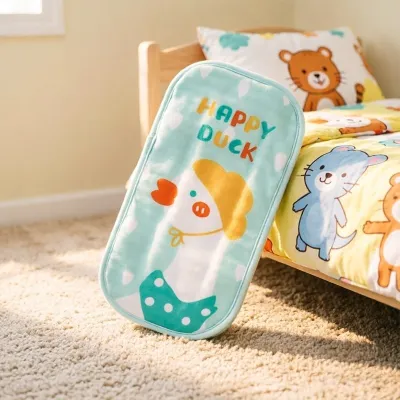
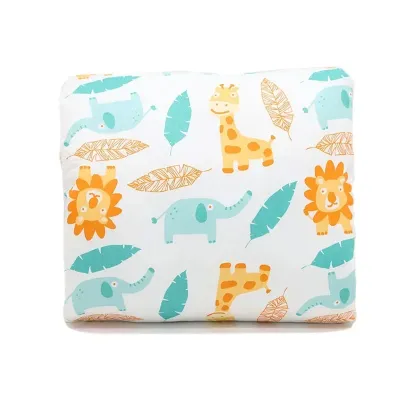
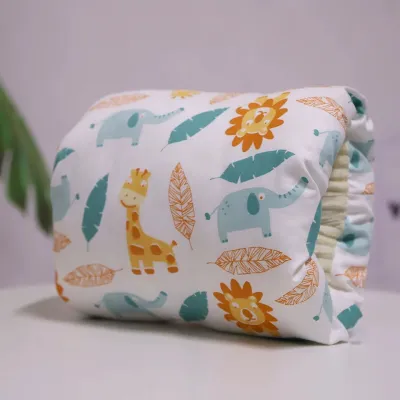
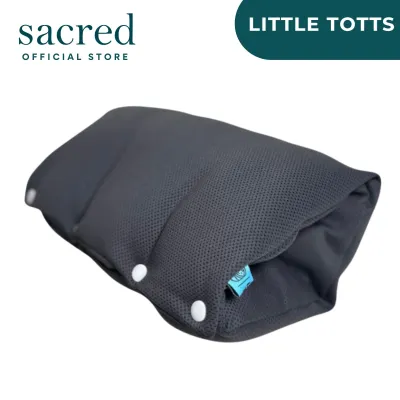
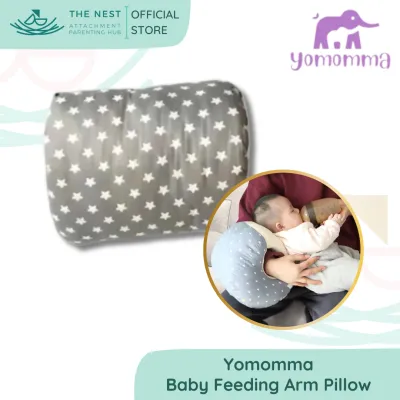
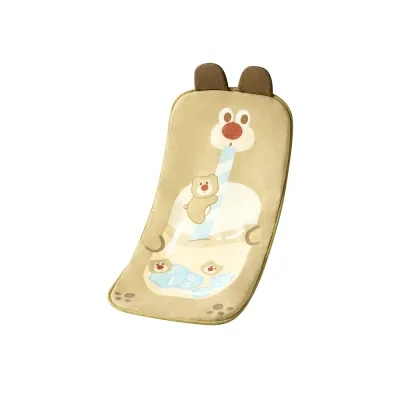
Prices are valid at publication and may change. Please refer to the product page for the latest price.
Alternatively, polyester fiberfill offers a lightweight and highly breathable alternative that keeps both you and your baby cool. While fiberfill provides excellent initial loft and airflow, it can compress and flatten over time with daily use. When evaluating fiberfill options, check the product label for fill recovery rates to ensure the material bounces back quickly after compression, maintaining its supportive shape throughout the feeding.
The density of the fill directly translates to real-world comfort and usability. Higher-density fills offer robust weight distribution, which significantly reduces the joint strain on your wrist and elbow during long cradled feeds. Conversely, lower-density fills make the pillow exceptionally light and easy to pack into a diaper bag for trips outside the home. The ideal fill should feel substantial enough to support your baby’s weight without adding noticeable bulk or heaviness to your arm.
Cover Fabrics and Liners: Managing Heat and Spills
In the tropical and humid climate of the Philippines, the fabric touching your baby’s delicate skin must be carefully selected to prevent heat rashes and sweat buildup. Pure cotton is an excellent, time-tested choice for outer covers due to its natural softness, high breathability, and durability through frequent washes. For even better temperature regulation, bamboo-derived viscose is highly recommended; its moisture-wicking properties and cool-to-the-touch feel help keep your baby comfortable during warm midday feeds.

Practical maintenance is just as important as fabric breathability. Look for arm pillows that feature removable, machine-washable covers equipped with hidden or covered zippers. This design detail ensures that the metal or plastic zipper pull is tucked away safely, preventing it from scratching your baby’s face or snagging your clothing. Because milk spills, spit-up, and drool are inevitable, a removable cover makes it easy to maintain hygiene without needing to wash the entire pillow core.
To protect the inner fill from moisture damage, many high-quality arm pillows include a waterproof or water-resistant inner liner. While a waterproof barrier is highly effective at preventing mold and odor buildup inside the cushion, make sure the liner material does not create a noisy, crinkling sound or entirely block the pillow’s breathability. Always verify the manufacturer’s care labels for maximum washing temperatures to avoid shrinking the outer cover or delaminating the waterproof coating of the inner liner.
Ergonomic Shapes and Practical Design Features
The structural shape of an arm pillow determines how effectively it redistributes your baby’s weight across your forearm, wrist, and elbow. Common designs include simple cylindrical sleeves, C-shaped wraps, and contoured, wedge-like profiles. A well-designed contoured sleeve helps keep your wrist in a neutral, straight position, which is crucial for preventing repetitive strain injuries like de Quervain’s tenosynovitis.
Functional features like adjustable straps and non-slip backings play a major role in keeping the pillow stable. Adjustable Velcro or snap straps allow you to secure the cushion firmly to your arm, preventing it from sliding down toward your wrist when you shift positions. Some models also feature a textured, non-slip backing on the underside that grips your clothing, ensuring the pillow stays exactly where you need it during cradle or cross-cradle holds.
Before purchasing, match the pillow’s physical dimensions and strap adjustability to your own arm size and your preferred feeding posture. A pillow that is too long may restrict your elbow movement, while one that is too short won’t provide adequate support for your baby’s head and neck. Some arm pillows also come with a small, built-in raised headrest area, which helps keep your baby’s head slightly elevated to aid digestion and reduce spit-up after feeding.
Specifications That Matter Less: Simplifying Your Choice
When shopping for an arm pillow, it is easy to get distracted by marketing claims that add cost without improving performance. For instance, excessive thickness or overly complex multi-layer adjustment systems often make the pillow bulky and heavy. A thick, rigid pillow can push your baby’s head too far forward, disrupting their natural latch and alignment during breastfeeding or bottle-feeding.
Aesthetic embellishments like intricate embroidery, lace trims, or heavy decorative buttons should generally be avoided. While these details look appealing in photos, they can easily irritate a baby’s sensitive skin and make the cover much harder to clean. Hard plastic buckles or dangling decorative straps can also pose a scratch hazard to your baby or get tangled in the washing machine.
Ultimately, the most practical arm pillow for baby is a straightforward, well-constructed design. Simple, high-quality arm pillows in the Philippines typically range from ‑300 to ‑1,200, proving that you do not need to spend a fortune on overly complex designs to get excellent support. Focus your budget on high-quality, breathable fabrics, a resilient fill, and a secure, adjustable arm attachment.
Frequently Asked Questions (FAQ)
Can I use a regular nursing pillow instead of an arm pillow?
Yes, but they serve different purposes. Standard U-shaped nursing pillows wrap around your waist and rest on your lap to support the baby’s entire body weight. An arm pillow is a compact alternative designed specifically to cushion your forearm and wrist during cradle-position feeds. Arm pillows are highly portable, making them ideal for feeding in tight spaces, traveling, or nursing while sitting in chairs with narrow armrests where a bulky waist pillow will not fit.
How do I know if the arm pillow straps are too tight or too loose?
If the straps are too tight, you may experience tingling, numbness, or skin redness on your forearm, indicating restricted blood circulation. If the straps are too loose, the pillow will slide down your arm or rotate out of place, forcing you to tense your muscles to keep it steady. To ensure a safe and comfortable fit, look for wide, adjustable Velcro straps that can be customized to your arm circumference, and check the manufacturer’s sizing guidelines before buying.
Community discussion
Share your experience or ask a question. Comments are reviewed before publication.