
A safe soothing gel for a baby after vaccination shots must be a highly purified, hypoallergenic, fragrance-free, and pediatrician-approved formulation specifically designed for infant skin. It should only be applied once the needle puncture has completely closed to prevent introducing bacteria into the deeper skin layers. In tropical climates like the Philippines, where heat and humidity can exacerbate localized skin discomfort, choosing a lightweight, non-sticky gel that cools the skin without trapping sweat or clogging pores is essential for keeping your little one comfortable.
Vaccinations are a vital part of protecting your baby’s health, but the temporary soreness, redness, and mild swelling at the injection site can cause fussiness. While a soothing gel can help alleviate surface-level warmth and irritation, caregivers must navigate the selection process with extreme care. Infant skin is significantly thinner and more permeable than adult skin, making it highly susceptible to chemical irritants, systemic absorption of topicals, and localized infections if applied incorrectly. Understanding how to evaluate these products and apply them safely ensures your baby gets the comfort they need without unnecessary risks.
Recognizing Normal Reactions vs. Warning Signs
Before applying any topical product to your baby’s skin, it is crucial to distinguish between typical post-vaccination skin responses and symptoms that require immediate medical attention. Mild redness, slight swelling, and localized warmth around the injection site are normal inflammatory responses. These reactions usually appear within a few hours of the shot and indicate that the baby’s immune system is actively responding to the vaccine. In warm, humid environments, these areas might look slightly more flushed, but they should remain localized to the immediate vicinity of the puncture and typically subside within a few days.
Products mentioned in this guide
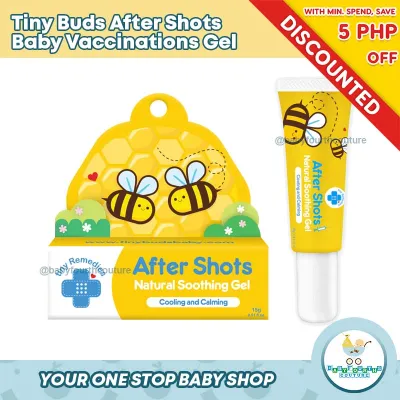
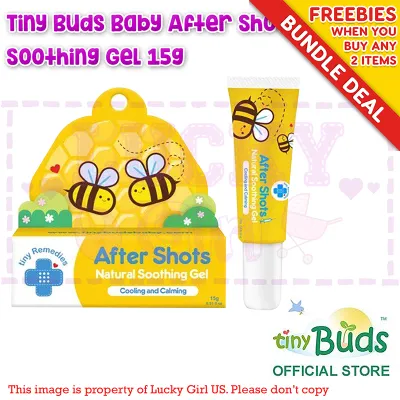
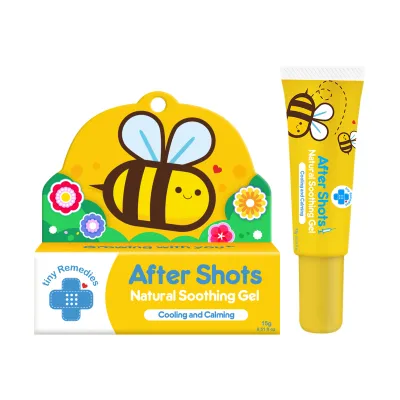
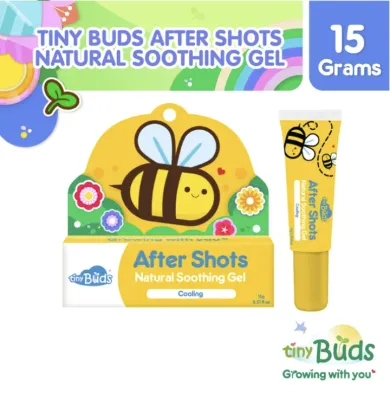
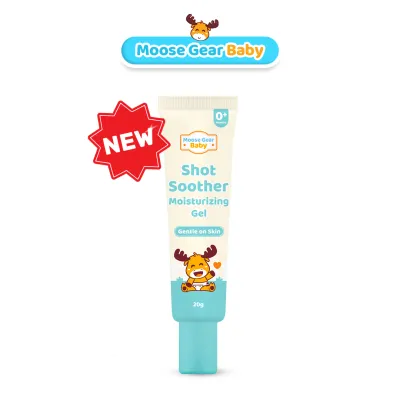
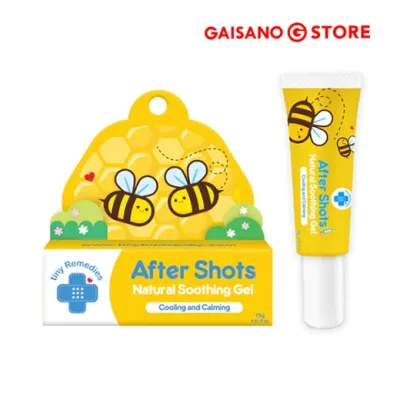
Prices are valid at publication and may change. Please refer to the product page for the latest price.
Caregivers must monitor the site closely for any signs that deviate from these normal patterns. If the redness spreads rapidly beyond the injection area, if the swelling becomes hard and hot to the touch, or if you observe pus, oozing, or blistering, these are warning signs of a potential secondary bacterial infection or an adverse reaction. Systemic symptoms such as a high fever, persistent inconsolable crying for several hours, extreme lethargy, or a widespread body rash require immediate pediatric consultation rather than topical treatment.
Every vaccination visit comes with specific guidance or an information sheet provided by your pediatrician or health center. Always review these guidelines before applying any topical products, as certain vaccines may have specific contraindications or recommended waiting periods for skin interventions. If you are ever in doubt about the appearance of the injection site, consult your healthcare provider before introducing any soothing gels or creams.
Core Criteria for Selecting a Baby-Safe Soothing Gel
When evaluating soothing gels for an infant’s delicate skin, look for products that explicitly state “hypoallergenic” and “pediatrician-tested” on the label. Because these terms are not always globally standardized, caregivers should verify these claims by looking for clinical trial references or dermatological safety seals on the packaging. A true baby-safe gel undergoes rigorous patch testing to ensure it minimizes the risk of allergic contact dermatitis, especially when applied to skin that is already slightly compromised or inflamed.

Healthy infant skin has a slightly acidic surface pH, typically between 5.5 and 6.0, which forms the protective acid mantle. Using products that disrupt this delicate balance can weaken the skin barrier, making it more vulnerable to pathogens and dryness. Ensure the soothing gel is formulated to match this natural pH range, which helps maintain the skin’s integrity and supports its natural healing processes after the physical trauma of a needle injection.
Synthetic fragrances and artificial colorants are among the leading causes of skin sensitization and allergic reactions in infants. Even natural fragrances or essential oils can be too harsh for a fresh injection site. Parabens, phthalates, and aggressive preservatives should be avoided to minimize chemical exposure on compromised skin. The ingredient list should be as short and clean as possible, focusing purely on gentle, hydrating, and cooling components.
The delivery system of the gel is just as important as the ingredients inside. Avoid open-mouth jars where you must repeatedly dip your fingers, as this introduces bacteria into the product, which can then be transferred to your baby’s skin. Instead, opt for airless pump bottles, squeeze tubes with narrow openings, or single-use sterile packets that preserve the hygienic integrity of the gel and prevent contamination over time.
Ingredients to Look For and Avoid
Look for high-purity, minimally processed ingredients known for their gentle anti-inflammatory properties. Pure aloe vera (free from added alcohols or perfumes), colloidal oatmeal, and organic calendula extract are excellent options. These ingredients help calm localized warmth, reduce redness, and support skin barrier recovery. However, always verify that these botanical extracts are highly refined and free from pesticide residues or harsh extraction solvents that could irritate sensitive skin.
Never apply products containing denatured alcohol, ethanol, or isopropyl alcohol to a baby’s skin, especially near an injection site, as they cause severe dryness, burning, and skin barrier breakdown. Avoid cooling agents like menthol, camphor, or eucalyptus, which can cause intense burning sensations, respiratory irritation in infants, or localized chemical burns. Salicylic acid, synthetic colorants, and heavy essential oils must also be avoided due to the risk of systemic absorption and severe irritation.
If your baby has a known allergy to certain plants, pollen, or foods, be highly cautious with botanical gels. For instance, babies with ragweed allergies may experience cross-reactivity with calendula or chamomile. Always perform a small patch test on an unaffected area of healthy skin, such as the inner forearm, and wait 24 hours to observe for any redness or hives before applying it near a recent injection site.
Safe Application Steps After Vaccination
Do not apply any gel, cream, or ointment immediately after the injection. The needle puncture is an open wound that provides a direct pathway for bacteria to enter the deeper dermal layers. Wait until the puncture site has completely closed, stopped bleeding, and formed a natural seal—typically at least 24 to 48 hours post-vaccination, or as advised by your pediatrician. Applying topicals too early can trap bacteria inside the wound, increasing the risk of localized infections.
Before touching your baby’s leg or arm, wash your hands thoroughly with soap and warm water for at least 20 seconds. To further minimize the risk of contamination, avoid using your bare fingers to apply the gel. Instead, use a sterile cotton swab or a sterile gauze pad to dispense and apply the product. This ensures that no external pathogens are introduced to the sensitive area.
Never rub, massage, or apply heavy pressure to the injection site, as this can increase localized inflammation, push bacteria deeper, or cause pain. Instead, use a very gentle dabbing motion to apply a thin, even layer of the soothing gel around the area. If the puncture site itself is still slightly visible or scabbed, apply the gel in a ring around the site rather than directly on top of it.
After application, keep a close eye on the area for the next few hours. Watch for any signs of contact dermatitis, such as sudden redness, tiny bumps, or increased itching, which may cause the baby to rub or scratch the area. If any new irritation develops, wash the gel off immediately with lukewarm water and consult your pediatrician.
Building Your Shortlist: Pre-Purchase Verification Checklist
Read the packaging carefully to ensure the product is certified safe for your baby’s specific age group. A product labeled “for toddlers” or “for kids” may contain concentrations of active ingredients or preservatives that are unsafe for newborns or young infants under six months old. Look for explicit “safe for newborns” or “0 months+” indicators to ensure the formulation is mild enough for early infancy.
In the Philippines, ensure the soothing gel is registered or notified with the Food and Drug Administration (FDA). You can verify this by looking for an FDA registration number on the packaging or checking the official FDA verification portal. This ensures the product has met local safety, quality, and labeling standards, protecting your baby from unregistered or counterfeit cosmetics that may contain harmful contaminants.
Look for reviews from other parents who have used the product specifically for post-vaccination care or on highly sensitive, eczema-prone infant skin. Pay attention to feedback regarding the gel’s texture, absorption rate, and whether it caused any localized breakouts or sticky residue in warm, humid weather. Gels that absorb quickly without leaving a heavy film are preferable in tropical climates.
Before purchasing or applying any new product to your baby’s skin, compile your shortlist and consult your pediatrician or a licensed pharmacist. Show them the ingredient list of your preferred options. They can provide personalized recommendations based on your baby’s health history, skin type, and the specific vaccines administered, ensuring the safest possible care.
Frequently Asked Questions (FAQ)
Can I use adult aloe vera gel on my baby's injection site?
No, adult aloe vera gels are highly unsuitable for infants. These formulations frequently contain high concentrations of alcohol used for a quick-drying cooling effect, synthetic fragrances, artificial green dyes, and strong preservatives like phenoxyethanol or parabens. These additives can cause severe burning, dryness, and allergic reactions on a baby’s delicate skin. Always choose a gel specifically formulated and certified for infants, or consult your pediatrician for medical-grade recommendations.
Should I apply a cold compress before or after the soothing gel?
You should apply a cold compress before applying any soothing gel. Use a clean, cool, damp cloth wrapped around a cold pack—never apply ice directly to infant skin—and hold it gently against the area for a few minutes to reduce swelling and numb the soreness. Once you remove the compress, pat the skin completely dry with a clean towel. Applying the soothing gel afterward helps lock in a light layer of hydration and provides a lasting cooling sensation without trapping excess moisture or bacteria.
What if the soothing gel causes more redness?
If you notice increased redness, swelling, tiny bumps, or if your baby becomes more fussy and uncomfortable after application, stop using the product immediately. Gently wash the gel off the skin using lukewarm water and a mild, fragrance-free baby cleanser, then pat the area dry. Do not apply any other topical products. Monitor the site closely, and contact your pediatrician immediately if the redness spreads, blisters develop, or if the irritation does not subside within a few hours.
Community discussion
Share your experience or ask a question. Comments are reviewed before publication.