
Transitioning your toddler to solid foods is a major milestone, and finding the right tableware can make this weaning phase much smoother. For young fans of the block-building universe, a Minecraft plate set can turn mealtime into an engaging, playful experience. However, navigating the vast array of themed tableware options requires careful attention to safety, material quality, and functional design. In the Philippines, where high humidity and specific local dining habits play a role in how we clean and store baby products, choosing the right plate involves more than just picking a favorite character. Parents must look beyond the charming pixelated graphics of Creepers and Steve to ensure the materials are non-toxic, durable, and capable of supporting a toddler’s developing self-feeding skills.
Verifying Safety and Material Standards
When shopping for toddler tableware, safety is the absolute priority. The first step is to verify the food-grade status of the materials used. Look for products explicitly labeled as 100% food-grade silicone, 304 or 316 stainless steel, or BPA-free and BPS-free plastics. These materials do not leach harmful chemicals into your child’s food, even when exposed to warm meals like freshly cooked lugaw or warm mashed kamote. Checking the packaging or product listing for official safety certifications is essential, as generic or unbranded items may contain cheap fillers that compromise chemical safety.
Heat resistance is another critical factor, especially in tropical climates where sterilization is a daily routine. Many parents prefer to sterilize toddler feeding gear using steam sterilizers or boiling water to combat bacteria fueled by high humidity. Before subjecting a Minecraft plate to high heat, check the manufacturer’s temperature guidelines. Look for embossed symbols on the bottom of the plate indicating whether it is microwave-safe, dishwasher-safe, or sterilizer-safe. High-quality silicone can typically withstand temperatures up to 220°C, whereas certain plastics may warp or release microplastics when exposed to extreme heat.
Products mentioned in this guide
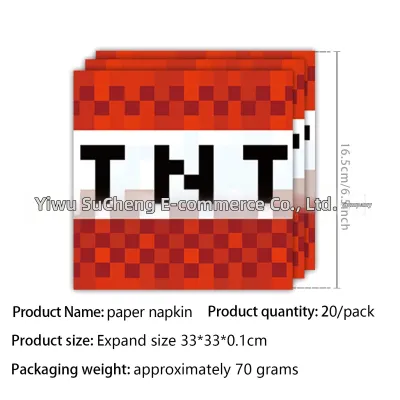
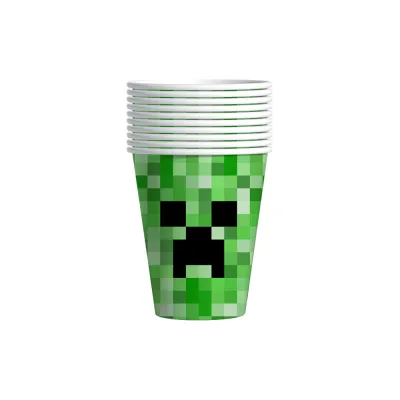
Prices are valid at publication and may change. Please refer to the product page for the latest price.
Physical safety is just as important as chemical safety. Toddlers are still developing their motor skills, which means plates will inevitably be dropped, knocked off high chairs, or even thrown. The plate must possess excellent drop resistance to prevent cracking or shattering into sharp pieces. Inspect the physical design for completely smooth, rounded edges that will not irritate your toddler’s sensitive gums or fingers. Additionally, ensure there are no small, detachable decorative parts that could pose a choking hazard if they break loose during an energetic mealtime tantrum.
Essential Features for the Weaning Stage
The weaning stage is all about fostering independence, and the right plate design can significantly accelerate this learning process. A strong suction base is one of the most valuable features you can look for in a toddler plate. It keeps the plate firmly anchored to the table, preventing messy spills and giving your child the stability they need to practice scooping. However, suction performance varies depending on the surface. While a suction base might stick perfectly to a smooth glass-topped dining table or a plastic high-chair tray, it may struggle to maintain a vacuum seal on textured wooden tables common in many households.

Divided sections are highly beneficial for portion control and sensory development. During the early stages of weaning, toddlers are often introduced to a variety of textures and flavors, from soft rice grains to pureed vegetables and small pieces of fruit. Keeping these foods separated in distinct compartments helps toddlers identify different tastes without them mixing into an unappealing mush. Furthermore, the vertical walls of divided compartments serve a practical purpose: they provide a solid barrier that helps toddlers push food onto their spoons, reducing frustration and encouraging self-feeding.
In addition to divisions, look for plates with raised, contoured outer edges or sloped interior walls. A plate with a shallow, flat design makes it easy for food to slide off the sides when a toddler attempts to scoop it. In contrast, a raised, inward-curving rim guides the food directly onto the spoon or fork. This subtle design detail builds confidence in young learners, turning what could be a messy, frustrating chore into a successful and rewarding self-feeding experience.
Evaluating Minecraft Designs and Print Safety
The appeal of a Minecraft plate lies entirely in its iconic pixelated graphics, but parents must be cautious about how those designs are applied to the tableware. It is crucial to distinguish between officially licensed merchandise and unauthorized third-party prints. Official merchandise is subject to strict quality control and safety standards, ensuring that the inks and materials used are non-toxic and durable. In contrast, cheap, unauthorized replicas often use low-quality decals or surface paints that can easily scratch, peel, or flake off after a few washes, presenting a direct risk of ingestion.
To ensure maximum safety, pay close attention to the printing technique used on the plate. For silicone plates, the safest option is molded-in color, where different colored silicones are fused together during manufacturing to create the Minecraft design, meaning no surface ink is used at all. For plastic or melamine plates, look for underglaze printing, where the graphic is sealed beneath a protective, food-safe glaze, preventing the food from ever coming into direct contact with the ink. Avoid plates where the design feels like a raised sticker or a rough surface print, as these are highly susceptible to wear and degradation.
Despite the safety precautions, the visual impact of Minecraft’s bright, contrasting colors should not be underestimated. The signature greens of the Creeper, the rich browns of the dirt blocks, and the vibrant blues of diamond armor can stimulate a toddler’s visual interest. In pediatric development, visually appealing and colorful plates are known to make mealtime more inviting, helping to capture the attention of easily distracted toddlers and encouraging them to focus on their food.
Comparing Plate Materials and Structures
Choosing the right material for your toddler’s Minecraft plate depends heavily on your household’s daily routine, cleaning preferences, and how active your child is during meals. There are three primary material categories available, each offering a unique set of advantages and maintenance trade-offs.
Silicone Divided Plates with Suction
Full-silicone plates are highly favored by parents for their unmatched durability and safety. Because silicone is flexible and rubber-like, these plates are completely drop-proof and will not chip, crack, or shatter, making them ideal for active toddlers who enjoy throwing their tableware. The material naturally lends itself to excellent suction bases, ensuring the plate stays firmly in place during meals.
However, silicone does require specific maintenance. It is a porous material, meaning it can absorb food odors or the scent of dishwashing liquid over time if not washed properly. In the humid climate of the Philippines, silicone plates must be dried thoroughly in a well-ventilated area to prevent water spots or a musty odor from developing. Additionally, highly pigmented local dishes—such as spaghetti sauce, adobo, or orange squash purees—can leave stubborn stains on lighter-colored silicone if the plate is not rinsed immediately after use.
Stainless Steel Plates with Outer Shells
Stainless steel plates featuring a themed plastic outer shell offer a highly hygienic and durable alternative. The food-contact surface is made of premium stainless steel, which is non-porous, incredibly easy to sanitize, and completely resistant to staining and odor retention. This makes it an excellent choice for serving a wide variety of warm, saucy dishes without worrying about lingering smells.
The main drawback of this design is that the stainless steel insert cannot be placed in the microwave, meaning you must heat your toddler’s food in a separate container before transferring it to the plate. Additionally, the outer plastic shell, which carries the colorful Minecraft graphics, can wear down over time from repeated washing. Parents must also ensure that water does not get trapped in the gap between the steel insert and the plastic shell during washing, as trapped moisture can lead to mold growth in humid conditions.
Bamboo or Plant-Based Fiber Plates
Bamboo and other plant-based fiber plates appeal to eco-conscious parents looking for a natural, lightweight alternative to plastic and silicone. These plates feature a beautiful matte texture and a lightweight structure that is easy for toddlers to handle. The Minecraft designs are often printed using food-safe plant inks, giving the tableware a rustic yet modern aesthetic.
Despite their visual appeal, plant-based fiber plates require the most delicate care. They are not as durable as silicone or stainless steel and can crack if dropped repeatedly on hard tile floors. They cannot be soaked in water for extended periods, as prolonged moisture exposure can weaken the fibers and cause the plate to warp or split. In high-humidity environments, these plates must be dried completely and stored in a dry, airy cupboard to prevent mold from taking root on the natural fibers.
Smart Shopping Checklist for Online Orders
When purchasing a Minecraft plate set from online marketplaces, parents cannot physically inspect the product before buying. To avoid disappointment and ensure you receive a safe, high-quality item, it is essential to follow a systematic verification process. Start by ignoring the polished, highly edited promotional images and head straight to the customer review section. Look for user-uploaded photos and videos, which provide a realistic view of the plate’s actual size, the vibrancy and alignment of the Minecraft print, and the thickness of the suction base.
Next, carefully cross-reference the product description with the seller’s claims. Ensure the listing explicitly details the material composition, age recommendations, and care instructions. If a listing simply says “plastic” without specifying “BPA-free” or “food-grade,” or if it lacks clear dimensions, it is best to look for another seller. A reliable product listing should clearly state whether the plate is microwave-safe, dishwasher-safe, and what temperature range it can safely tolerate.
Finally, review the seller’s return and exchange policies before finalizing your purchase. Because suction bases can sometimes arrive warped due to poor packaging during transit, or the printed graphics might show signs of peeling right out of the box, you want to ensure the seller offers a hassle-free return or replacement policy. Buying from official brand stores or highly rated preferred sellers on the ecommerce platform increases the likelihood of receiving a genuine, safe product and enjoying reliable customer support if any issues arise.
Frequently Asked Questions (FAQ)
Can I put a silicone Minecraft plate in the microwave?
Yes, pure food-grade silicone is highly heat-resistant and generally safe to use in the microwave. However, parents must always verify the manufacturer’s specific guidelines, as some silicone plates feature hidden rigid plastic frames or metal inserts inside the silicone to give the plate structure. These reinforced plates should never be microwaved. Always check the bottom of the plate for the microwave-safe symbol and ensure the heating time is kept within the recommended limits to prevent localized hot spots in your toddler’s food.
How do I restore the stickiness of a suction plate?
If your toddler’s suction plate is losing its grip, the issue is usually caused by a buildup of invisible grease, soap residue, or dust on either the suction cup or the dining surface. To restore the suction, wash both the plate’s base and the table thoroughly with warm water and a grease-cutting dish soap, then dry them completely. When serving, slightly dampen the suction base with a drop of water to help create a stronger vacuum seal. Keep in mind that suction plates require a completely smooth, non-porous surface to work; micro-scratches on wooden tables or textured plastic trays will allow air to seep in, breaking the vacuum seal regardless of how clean the plate is.
Community discussion
Share your experience or ask a question. Comments are reviewed before publication.