
Finding a clean, accessible restroom during long road trips or outdoor adventures in the Philippines can be incredibly challenging. Whether you are stuck in hours of gridlock on EDSA, driving along provincial highways with sparse rest stops, or camping on a remote beach, having a reliable solution is essential. A high-quality urinal portable for women offers independence, comfort, and hygiene when traditional facilities are unavailable or unsanitary.
The ideal choice depends entirely on your specific travel environment. Flexible silicone funnels are highly compact and excel in tight spaces like car cabins, while rigid plastic containers offer secure, multi-use capacity for long-distance journeys. For outdoor activities where washing is impossible, disposable polymer bags provide a hygienic, single-use alternative that solidifies liquid instantly. Understanding these distinctions allows you to select the most practical device for your lifestyle, ensuring peace of mind on every journey.
Matching a Urinal Portable for Women to Your Travel Scenarios
Different travel situations in the Philippines present unique physical constraints, privacy challenges, and sanitation levels. Matching the design of your device to your specific itinerary ensures you are never caught unprepared.
Products mentioned in this guide
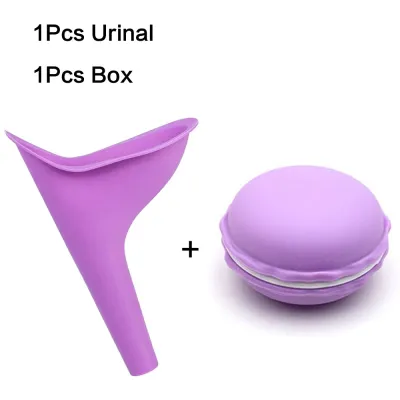
![[COD] SHPYHT SPORTS Female Urination Device Women Pee Funnel-Portable Silicone Female Urinal Travel](https://img.lazcdn.com/g/p/db3727dd90a672a4df8fa2ee9a9ef93a.jpg_400x400q80.jpg_.webp)
![[🇵🇭 Stock&COD] Urine Bottle Portable Car Travel Outdoor Adult Urinals for Man Women Potty Funnel Peeing Toilet](https://img.lazcdn.com/g/p/e4ddbb20f6216e572a2f05d444f8da33.jpg_400x400q80.jpg_.webp)
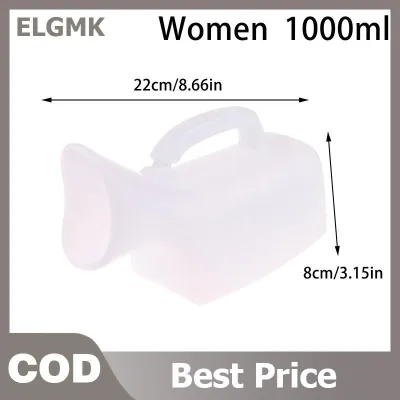
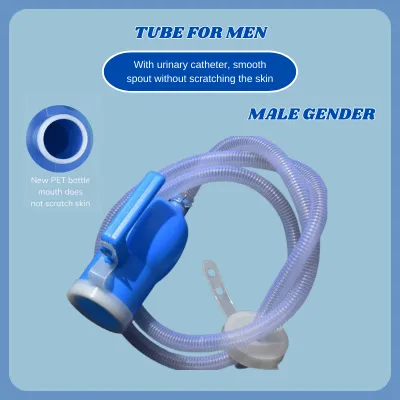
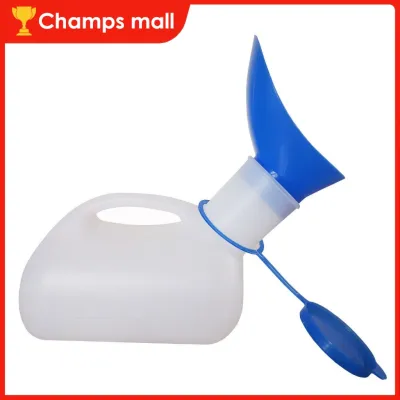
Prices are valid at publication and may change. Please refer to the product page for the latest price.
EDSA and City Traffic Urban commutes in Metro Manila are notorious for unpredictable delays, where a sudden downpour or rush-hour bottleneck can trap you in your vehicle for hours. For these high-stress, confined situations, compact and foldable silicone funnels are highly effective. These devices easily fit into a standard handbag or glove compartment, ready for immediate use. Because silicone is flexible, you can position the funnel discreetly inside a parked car with minimal body movement or clothing adjustment. This allows you to relieve yourself into a temporary container, such as an empty bottle, without needing to exit the vehicle or struggle in a cramped seat.
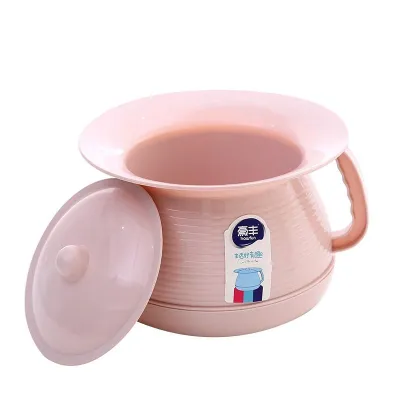
Provincial Road Trips Traveling long distances across provinces often means driving through areas where public restrooms are far apart, poorly maintained, or completely absent. For these extended journeys, a rigid, leak-proof container with a secure screw-on lid is the most reliable option. These containers do not rely on an external bottle; instead, they serve as an all-in-one collection and storage system. Many models feature extension tubes or anatomical adapters that make them easy to use while seated. The rigid plastic construction prevents the container from collapsing under pressure, while a heavy-duty screw cap ensures that liquid remains securely sealed even when driving over rough, unpaved provincial roads.
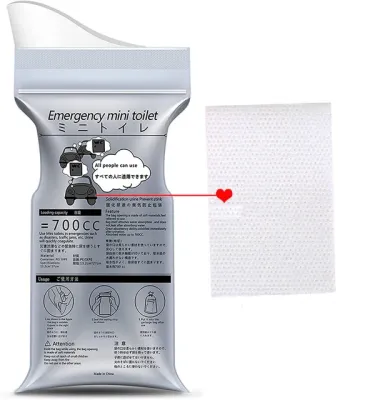
Camping and Beach Outings When exploring remote camping sites in Rizal or beach destinations in Zambales, running water for cleaning reusable devices is rarely guaranteed. In these outdoor settings, disposable biodegradable urinal bags equipped with superabsorbent polymer crystals are highly practical. These bags turn liquid into a spill-proof gel within seconds, neutralizing odors and eliminating the risk of leaks in your backpack. For base camps or overnight tent stays, a wide-base, standalone rigid urinal provides excellent stability. This design can sit securely on a tent floor or cabin corner, allowing for convenient use during the night without requiring a trip into the dark.
Cross-Scenario Compatibility If you want a single device that handles both daily city commutes and weekend outdoor adventures, consider a hybrid design. These versatile systems typically feature a rigid, easy-to-grip plastic container paired with a detachable, flexible silicone funnel. This combination allows you to use the flexible funnel on its own when space is limited, or attach it to the rigid container for maximum security during long drives. While hybrid models are slightly bulkier than simple folding funnels, their adaptability across various travel scenarios makes them a highly practical investment for active women.
Essential Features for Comfort, Privacy, and Leak Prevention
When shopping for a portable urinal, looking past marketing claims and focusing on physical design elements ensures you choose a device that is safe, comfortable, and reliable.

Ergonomic Contour The most critical factor in preventing leaks and spills is the shape of the device’s opening. A high-quality urinal must feature a wide, anatomically contoured top that mirrors the female pelvic structure. This shape ensures a secure, splash-free seal against the skin when gentle pressure is applied. Look for designs with a flared rim or an elongated front lip, which help channel the flow of liquid quickly and prevent backflow. A proper ergonomic fit accommodates different body types and allows for comfortable use whether you are standing, squatting, or sitting.
Material Choices The material of your portable urinal directly impacts its usability, comfort, and maintenance requirements.
- Medical-Grade Silicone: This material is highly flexible, hypoallergenic, and soft against the skin. It conforms easily to your body shape, allowing for a tight seal even in awkward physical positions. Silicone can be folded or rolled into a tiny carrying case, making it highly portable. However, because it is flexible, it requires a steady hand to maintain its shape during use.
- BPA-Free Hard Plastics: Rigid plastic devices are exceptionally durable and maintain their structure under pressure, making them easier to grip and position securely. They are less prone to accidental collapsing or spilling during use. The trade-off is their bulkiness, as they cannot be folded down and require more storage space in your vehicle or bag.
Leak-Proof Mechanisms To prevent messy accidents inside a moving vehicle or a packed travel bag, pay close attention to the device’s sealing mechanisms. Look for rigid containers that feature heavy-duty screw caps with rubber O-ring gaskets, which provide an airtight, leak-proof barrier. Some advanced models incorporate one-way valves that allow liquid to enter the container but prevent it from flowing back out, even if the bottle is accidentally tipped over. If you choose a funnel design, ensure the connection point between the funnel and any extension tube or collection bottle is tight and secure.
Size and Portability Balancing the physical size of the device with its liquid capacity is essential for practical travel. A standard adult bladder holds approximately 300 to 500 milliliters of liquid, so any rigid container or disposable bag should have a capacity of at least 600 to 800 milliliters to prevent overfilling. While larger containers offer the convenience of multiple uses before emptying, they are much harder to pack discreetly. For daily commutes, prioritize ultra-compact folding funnels; for long-distance family road trips, a larger, high-capacity rigid bottle stored in the trunk or glove compartment is more appropriate.
Tips for Discreet and Hygienic Use on the Go
Using a portable urinal for the first time can feel intimidating, but practicing proper techniques and preparation ensures a stress-free, sanitary experience.
In-Car Privacy Maintaining privacy inside a vehicle requires a few simple tools and strategic positioning. If you must use the device while parked in heavy traffic, install front and side window sunshades to block the view from neighboring vehicles. Alternatively, you can open a large umbrella across your lap or drape a lightweight travel towel or sarong over your knees to create a private barrier. Position your car seat as far back as possible to maximize legroom, and tilt the backrest slightly to allow for a more comfortable, semi-reclined posture that facilitates proper alignment of the device.
Outdoor Positioning When using a portable urinal outdoors during a hike or beach trip, finding a stable stance is key to avoiding spills and maintaining balance on uneven terrain. Stand with your feet slightly wider than shoulder-width apart, bending your knees slightly to lower your center of gravity. If you are using a funnel-style device, tilt your pelvis forward and angle the spout downward to ensure gravity pulls the liquid away from your body. Avoid standing directly against the wind, and choose a flat, solid surface away from loose gravel or slippery mud to prevent losing your footing.
Odor and Spill Control Managing odors and hygiene is especially important in the warm, humid climate of the Philippines, where heat can quickly accelerate bacterial growth. Always carry a dedicated, waterproof wet bag with a secure zipper to store your used device until you can clean it properly. Adding a few drops of liquid soap or specialized odor-neutralizing drops into a rigid container before use can significantly minimize unpleasant smells. Never store a used or damp device in direct sunlight or inside a hot car trunk, as extreme heat can degrade the materials and cause trapped odors to intensify.
Adapting Portable Urinals for Children and Toddlers
For parents traveling with young children, managing sudden bathroom emergencies is a frequent challenge. While adult portable urinals can sometimes be adapted for kids, understanding their limitations is crucial for a hygienic experience.
Fit and Safety Adult-sized portable urinals are generally not suitable for young girls and toddlers. The wide opening of an adult funnel is too large to create a proper, secure seal against a child’s smaller pelvic area. This poor fit significantly increases the risk of liquid leaking along the sides, leading to messy spills on clothing and skin irritation. Additionally, the rigid edges of an adult device may be uncomfortable or abrasive against a toddler’s sensitive skin.
Child-Specific Designs When traveling with young children, it is highly recommended to invest in a dedicated child-sized portable urinal. These devices are ergonomically scaled to fit a child’s anatomy perfectly, featuring smaller openings and soft, flexible rims. Many toddler-specific models include built-in handles that make it easy for a parent to hold the device securely in place. They also frequently feature playful, child-friendly designs and bright colors to help reduce any anxiety or resistance a toddler might feel when using an unfamiliar device.
Parental Assistance Helping a child use a portable urinal in a parked vehicle or outdoor setting requires patience and a steady hand.
- Check Manufacturer Guidelines: Before purchase, always verify the manufacturer's recommended age range, weight limits, and specific operating instructions to ensure the device is appropriate for your child's developmental stage.
- Positioning: Have the child sit on the edge of a car seat or stand stable on a flat surface while you hold the device firmly against their body to maintain a tight seal.
- Supervision: Always supervise your child closely during use to prevent them from tipping the container or pulling it away before they are completely finished. Keep a pack of skin-safe, hypoallergenic wipes nearby for quick cleanups.
How to Clean and Store Your Portable Urinal Safely
Proper maintenance is essential to keep your reusable portable urinal sanitary, odor-free, and in optimal condition for years to come.
On-the-Go Wiping When you are on the road and do not have access to a sink or running water, immediate basic sanitation is necessary. Carry a pack of alcohol-free sanitizing wipes or biodegradable wet wipes to thoroughly clean the inside and outside of the device immediately after use. Alternatively, you can pour a small amount of clean bottled water through the funnel or container to rinse out any remaining residue. Shake the device firmly to remove excess moisture before sealing it inside your waterproof travel pouch.
Deep Cleaning at Home Once you return home from your trip, perform a thorough deep cleaning to eliminate bacteria and stubborn odors. Wash the device inside and out with warm, soapy water using a mild dish soap or baby-safe detergent. Avoid using harsh chemical bleach, abrasive scrubbing pads, or boiling water, as these can warp hard plastics or degrade the protective surface of medical-grade silicone. Always consult the manufacturer’s care instructions first; if their specific guidelines conflict with general cleaning advice, defer to the manufacturer’s instructions.
Proper Storage In the humid tropical climate of the Philippines, storing your device correctly is vital to prevent mold, mildew, and material degradation. After washing, allow the device to air dry completely in a well-ventilated area away from direct sunlight. Once fully dry, store it in a breathable cotton or mesh drawstring bag. Avoid sealing a reusable urinal inside an airtight plastic bag for long-term storage, as trapped residual moisture can promote rapid bacterial growth and cause silicone materials to become sticky or degraded.
Frequently Asked Questions (FAQ)
Is it safe to use a portable urinal while the vehicle is moving?
No, passengers should never attempt to use a portable urinal while the vehicle is in motion. Sudden braking, sharp turns, or unexpected bumps on the road can easily cause severe spills, physical injury, or distract the driver, creating a significant safety hazard. The driver must pull over safely to the shoulder or park in a designated rest area before anyone attempts to use the device. If you are caught in bumper-to-bumper, completely stopped traffic, ensure the vehicle is in park and the handbrake is engaged before use.
How do I dispose of disposable urinal bags responsibly outdoors?
Even if a disposable urinal bag is labeled as biodegradable or eco-friendly, you must never bury it, leave it behind, or discard it in nature. Doing so violates Leave No Trace principles, harms local wildlife, and risks contaminating local water sources in natural areas. Always seal the used bag tightly using its built-in leak-proof closure, place it inside a dedicated trash bag, and pack it out with you. Dispose of the sealed bag in a designated waste bin or sanitary landfill once you reach a proper disposal facility.
Community discussion
Share your experience or ask a question. Comments are reviewed before publication.