
Feeding your baby on the go requires careful planning, especially when managing clean bottles outside the home. A portable bottle rack for baby is an essential tool for parents navigating family trips, mall outings, or dining out. In a warm, humid environment, keeping feeding gear dry and sanitary is a constant challenge. The ideal portable rack must balance compact storage with effective air circulation to prevent moisture buildup, ensuring your baby’s bottles remain clean and ready for the next feed.
When selecting a travel drying rack, you need to evaluate how well it fits into your mobile routine. The right choice will depend on your typical outings, the number of bottles you use, and how you plan to manage hygiene in public spaces.
Key Features to Evaluate in a Portable Bottle Rack
A successful outing with a baby relies on gear that is easy to pack and simple to use. When comparing different portable bottle racks, three main design features determine their practicality on the go.
Products mentioned in this guide
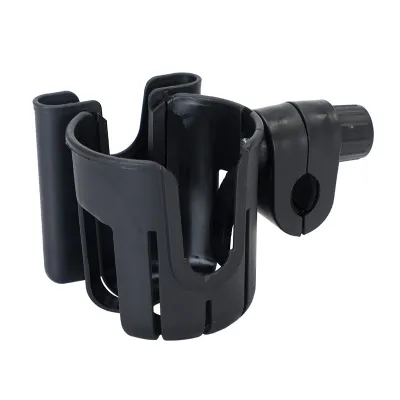
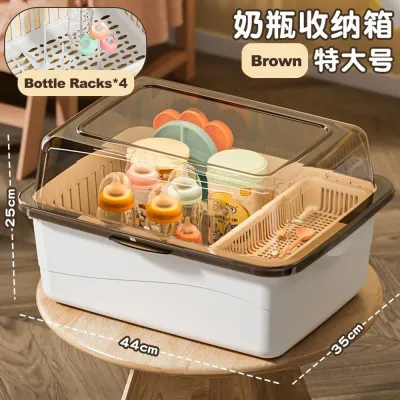
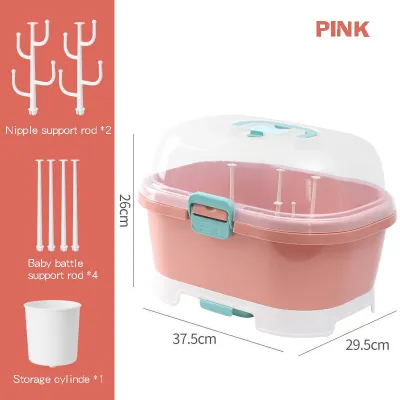
Prices are valid at publication and may change. Please refer to the product page for the latest price.
Collapsibility and footprint are the first details to consider. Diaper bags are already packed with diapers, wipes, extra clothes, and formula. A portable rack must fold down flat or nest into a compact case to avoid taking up too much space. Look for designs that snap shut securely or slide easily into a side pocket of your bag.
Enclosed versus open designs also play a major role in maintaining hygiene. Open racks are highly breathable and allow bottle parts to dry quickly. However, they expose bottle nipples and valves to dust, insects, or airborne particles in public dining areas. Enclosed designs, such as those with built-in covers or cases that double as drying stands, offer a protective barrier that is highly beneficial in outdoor restaurants or high-traffic areas.
Drainage mechanisms are equally important for managing water without a traditional kitchen sink setup. A travel rack needs to manage excess water internally so it does not spill onto your table. Look for models with integrated drip trays or deep reservoirs that collect runoff. This prevents water from pooling on restaurant tables or hotel counters, keeping your temporary feeding station tidy.
Choosing the Right Rack for Your Specific Outing
Selecting the right bottle rack for baby depends heavily on where you are going and how long you will be away. A quick trip to a local mall requires a different setup than a weekend staycation or a family trip to the province. Matching your gear to your itinerary ensures you do not carry unnecessary bulk while still maintaining strict hygiene standards.

Quick Meals and Day Trips
For short excursions lasting only a few hours, a minimalist approach works best. Roll-up silicone mats or ultra-flat folding racks are excellent choices for these brief outings. These options take up minimal space in a tote bag and can be quickly laid out on any flat surface.
The primary trade-off with these minimalist designs is their limited drying capacity. They typically hold only one or two bottles at a time, along with a few small accessories. However, for a single feeding session while dining out, this compact setup is usually all you need.
Extended Travel and Hotel Stays
Multi-day trips demand a more robust drying solution. When staying in a hotel or a shared family home, you will likely need to wash and dry multiple bottles, breast pump parts, and pacifiers overnight. A multi-tier portable rack with a protective cover is ideal for these scenarios.
These larger portable racks maximize vertical space on limited hotel vanity counters. When choosing a multi-tier model, ensure it has sturdy pegs that can support heavier glass or wide-neck plastic bottles without tipping over. A stable base is essential when sharing counter space in unfamiliar accommodations.
Maintaining Hygiene and Care on the Go
Using a portable rack is only half the battle; keeping the rack itself sanitary is crucial for your baby’s health. After each use, rinse the rack thoroughly with clean, potable water to remove any milk residue or soap film. This prevents the buildup of bacteria on the drying surfaces.
In tropical climates, high humidity can quickly turn a damp, closed travel rack into a breeding ground for mold and mildew. Always allow the rack to air dry completely before folding it up and packing it back into your diaper bag. If you must pack it while slightly damp, make sure to unpack and dry it as soon as you reach your destination.
When setting up an open rack on unfamiliar public surfaces, place a clean barrier underneath it. A disposable changing pad liner or a clean silicone mat works well to prevent contamination from the table or counter. This extra layer ensures that even if the rack shifts, the bottle parts do not touch unsanitized surfaces.
Space-Saving Alternatives to Dedicated Drying Racks
If you prefer not to pack another piece of plastic gear, several practical alternatives can keep your baby’s bottles clean. Highly absorbent microfiber drying mats designed specifically for baby items are lightweight, machine-washable, and fold down to the size of a washcloth. They provide a soft, clean surface for drying bottles in a pinch.
A dedicated, clean cotton towel can also serve as a temporary drying station. If you choose this route, ensure the towel is washed frequently and kept in a clean, sealed bag until needed. This prevents the towel from collecting dust or lint inside your diaper bag before you use it.
Avoid storing washed, wet bottles in a sealed container without a rack or mat. Without proper air circulation, trapped moisture creates an ideal environment for bacterial growth. If you must transport wet bottles, keep them disassembled and place them in a breathable mesh bag rather than a sealed plastic container.
Frequently Asked Questions (FAQ)
Can I just put wet bottles back in the diaper bag?
Storing wet bottles directly in a diaper bag is not recommended. The dark, warm, and enclosed environment of a bag promotes rapid bacterial growth and mold on damp bottle parts. If you cannot dry the bottles immediately, shake off excess water, keep the parts disassembled, and place them in a dedicated, washable wet bag. Wash and sterilize them thoroughly as soon as you return home.
How do I clean a portable bottle rack in a public restroom?
Public restrooms often harbor bacteria on sinks and counters. To clean your rack safely, avoid placing it directly on the restroom sink. Instead, hold the rack over the sink, wash it using baby-safe dish soap, and rinse it thoroughly using bottled water rather than tap water if the local water quality is uncertain. Shake off the excess water and let it air dry. Never use public warm-air hand dryers to dry the rack or bottle parts, as these dryers can blow airborne bacteria directly onto your clean gear.
Community discussion
Share your experience or ask a question. Comments are reviewed before publication.