
Selecting a pacifier for a newborn is a decision that directly impacts your baby’s comfort, oral development, and safety during their first six months of life. Newborns possess a natural, involuntary suckling reflex that serves as a primary mechanism for self-soothing and emotional regulation. Non-nutritive sucking—sucking that is not associated with feeding—helps calm an infant’s nervous system, lowers their heart rate, and provides a sense of security. Because of this strong natural urge, many parents choose to introduce a pacifier to help soothe their infant during fussy periods or transition times.
However, because a newborn’s oral cavity is incredibly delicate and rapidly changing, not all pacifiers are suitable for this age group. The hard palate, which forms the roof of the mouth, is highly malleable and easily shaped by external forces. The alveolar ridges, which will eventually support the baby’s teeth, are also soft and sensitive. A pacifier that is too large, too heavy, or poorly shaped can exert excessive, uneven pressure on these structures. Over time, this pressure can alter the natural shape of the palate, potentially affecting jaw development or causing latching difficulties during feeding.
Using an ill-fitting or poorly designed pacifier also introduces immediate physical risks. If the pacifier’s shield is too small or lacks proper ventilation, it can cause saliva to pool against the baby’s sensitive skin. In the tropical, humid climate of the Philippines, this trapped moisture can quickly lead to painful drool rashes, skin maceration, or fungal infections. Furthermore, a pacifier that is not sized correctly can trigger the gag reflex, cause jaw fatigue, or even present a choking hazard if the shield is small enough to be drawn into the mouth.
Products mentioned in this guide
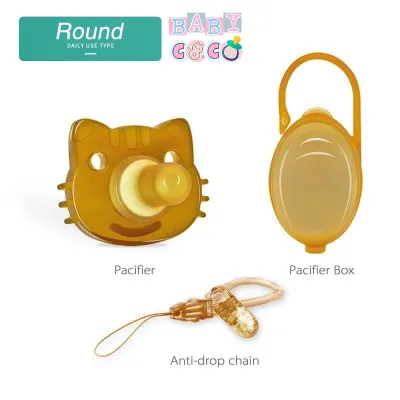
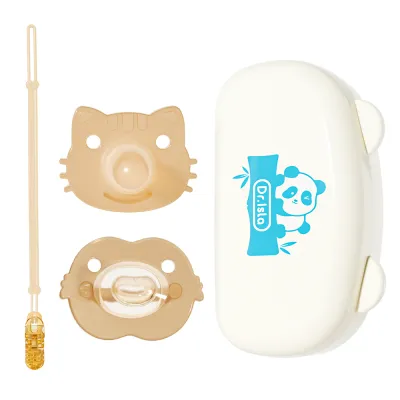
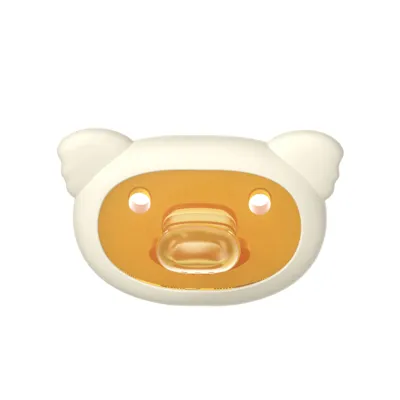
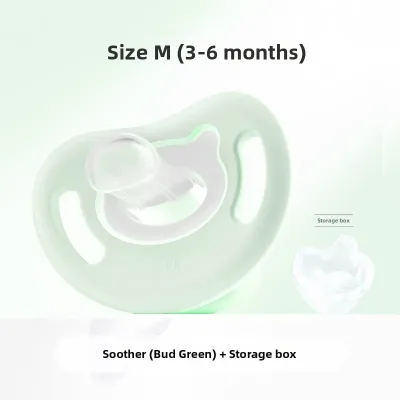
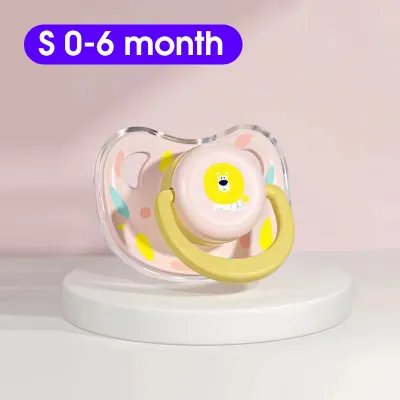
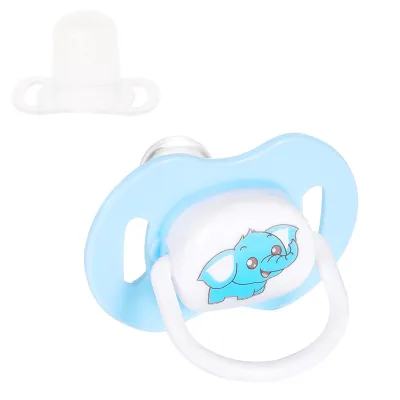
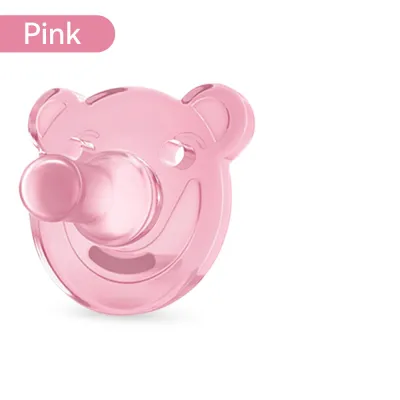
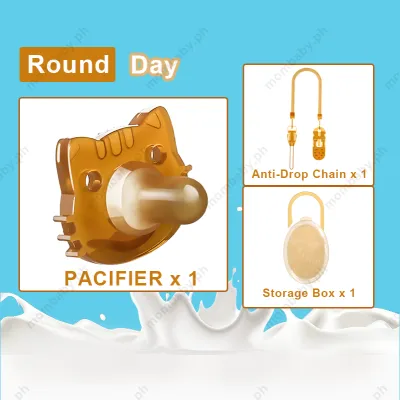
Prices are valid at publication and may change. Please refer to the product page for the latest price.
To safeguard your baby’s development and physical safety, it is essential to focus on identifying safe, age-appropriate design specifications rather than relying on brand names or aesthetic appeal. The first six months require a highly specific set of features tailored to a newborn’s small mouth and delicate skin. This guide is designed to help you navigate these technical specifications, enabling you to make an informed, safety-first choice that supports your baby’s natural oral development.
Why Pacifier Design Matters for 0 to 6 Months
During the first six months of life, an infant’s oral anatomy undergoes rapid changes. Unlike older infants, newborns have a shallow oral cavity, a flat palate, and a tongue that sits forward in the mouth to facilitate breast or bottle feeding. Because their oral structures are so delicate, any object introduced into their mouth must be precisely sized and shaped to avoid disrupting natural development.
Using a pacifier that does not match this developmental stage can lead to several long-term and short-term complications. In the short term, an oversized or improperly shaped nipple can cause jaw fatigue, leading to fussiness and a refusal to feed. It can also cause the baby to swallow excess air, contributing to gas and colic. In the long term, prolonged use of an inappropriate pacifier can exert continuous pressure on the soft palate, potentially leading to a high, narrow palate arch or early dental alignment issues.
Furthermore, the risk of skin irritation is exceptionally high during the newborn stage. A newborn’s skin barrier is thin and highly sensitive. When a pacifier shield lacks proper airflow, saliva becomes trapped against the skin, breaking down the epidermal barrier. In warm, tropical environments, this moisture-rich environment is highly susceptible to secondary bacterial or fungal infections.
This guide focuses entirely on identifying safe, age-appropriate design specifications rather than promoting specific brands. By understanding the structural requirements of a newborn pacifier, you can confidently evaluate any product on the market and select a safe, comfortable option that supports your baby’s natural growth.
Non-Negotiable Safety Features for Newborn Pacifiers
When evaluating pacifiers for a newborn, safety must always be your primary consideration. Before looking at colors, patterns, or prices, you must verify that the pacifier meets strict structural and material safety standards. These non-negotiable features are designed to prevent accidental choking, suffocation, and skin damage.

One-Piece Construction The single most important structural feature of a newborn pacifier is one-piece construction. A one-piece pacifier is molded entirely from a single, continuous piece of material, typically medical-grade silicone or natural rubber. This means the nipple, shield, and handle are all part of a single, seamless unit.
In contrast, multi-piece pacifiers consist of separate components—usually a silicone nipple glued or snapped into a rigid plastic shield, with a separate plastic handle attached to the back. While multi-piece designs are common, they present a higher risk of structural failure. Over time, exposure to saliva, biting, washing, and high-heat sterilization can weaken the adhesives or mechanical joints holding the pieces together. If the nipple detaches from the shield while the baby is sucking, it can immediately block the baby’s airway, posing a life-threatening choking hazard. A one-piece design eliminates this risk entirely, as there are no joints or separate parts that can break off or fail under pressure.
Shield Size and Ventilation The pacifier shield acts as a physical barrier that prevents the entire pacifier from being drawn into the baby’s mouth. For newborns aged 0 to 6 months, the shield must be wide enough to rest comfortably against the outside of the lips without any risk of slipping past them. A safe shield typically measures at least 1.5 inches (approximately 3.8 centimeters) in width.
In addition to its physical dimensions, the shield must feature large, functional ventilation holes. These holes serve two critical safety and health purposes. First, they allow air to circulate freely around the baby’s mouth. In the warm, humid climate of the Philippines, infants sweat easily, and saliva can quickly accumulate behind the pacifier shield. Without adequate ventilation, this trapped moisture creates a warm, damp environment that irritates the skin, leading to painful drool rashes or yeast infections. Second, in the highly unlikely event that the baby does manage to pull the entire pacifier into their mouth, the ventilation holes act as an emergency airway, allowing air to pass through and preventing immediate suffocation while a caregiver removes the object.
Handling Mechanisms The back of a pacifier shield typically features either a pull ring or a flat button handle. Each design has distinct advantages and trade-offs that affect your baby’s comfort and safety, particularly during different daily activities.
A pull ring is a loop that projects outward from the shield, making it highly accessible and easy for caregivers to grasp. This is convenient for inserting or removing the pacifier quickly, or for attaching a pacifier clip during supervised awake hours. However, a protruding ring can present a hazard when the baby is lying down or sleeping. If the baby rolls over or presses their face against the mattress, the ring can fold awkwardly and press into their cheek or chin, causing skin indentation, discomfort, or even waking them up.
A flat button handle lies flush against the shield, presenting a smooth, low-profile surface. This design is highly recommended for sleep and quiet time, as there are no projecting parts to press into the baby’s face if they roll over. While a button handle can be slightly more challenging for a caregiver to grab quickly, it significantly reduces the likelihood of the pacifier being accidentally knocked out of the mouth by the baby’s hands, bedding, or clothing.
Verifying Safety Labels Never purchase or use a pacifier that lacks clear, verifiable safety certifications and manufacturer specifications. When examining a pacifier’s packaging, look for recognized international safety standards that prove the product has undergone rigorous testing. Common certifications include compliance with European safety standard EN 1400 or US standard 16 CFR Part 1511. These standards govern tensile strength, bite endurance, chemical safety, and shield dimensions.
Additionally, check for explicit age-grade labeling, such as “0-6m” or “newborn.” This labeling ensures that the nipple length, thickness, and shield size are physically appropriate for a newborn’s mouth. Always verify that the product is labeled as BPA-free, phthalate-free, and latex-free (if choosing silicone). If a pacifier is sold in loose packaging without clear manufacturer details, safety labels, or age recommendations, discard it immediately. Uncertified products may contain toxic chemicals or suffer from poor structural integrity, posing a severe risk to your infant.
Choosing the Right Nipple Shape and Material
Once you have verified the structural safety features of a pacifier, the next step is selecting the appropriate nipple shape and material. These two factors directly influence how the pacifier interacts with your baby’s oral cavity and how well it holds up to daily use and environmental conditions.
Nipple Shapes: Orthodontic, Symmetrical, and Cherry
The shape of the pacifier nipple determines how it conforms to your baby’s palate, tongue, and gums during suckling. There are three primary nipple shapes available on the market, each designed with a different developmental or functional intent.
Orthodontic Nipples Orthodontic nipples feature a rounded top and a flat bottom. This asymmetrical design is specifically engineered to mimic the natural shape of a mother’s nipple when compressed in the baby’s mouth during breastfeeding. The flat bottom accommodates the natural resting position and movement of the tongue, while the rounded top fits snugly against the hard palate. By distributing suckling pressure evenly across the gums and palate, orthodontic nipples support natural jaw alignment and minimize the risk of dental misalignment or palate deformation.
Symmetrical Nipples Symmetrical nipples are flat on both the top and bottom, featuring a completely uniform, oval shape. The primary benefit of a symmetrical design is its versatility. Because both sides are identical, the pacifier is always “right-side up” in the baby’s mouth. If your baby drops the pacifier and attempts to reinsert it, or if they rotate it with their fingers, it will always align correctly with their oral structures. This makes symmetrical pacifiers highly convenient for self-soothing and reduces the need for constant caregiver adjustment.
Cherry Nipples Cherry nipples feature a classic, round, bulbous shape that resembles a cherry. This traditional design is often highly accepted by newborns because it is easy to latch onto and mimics the shape of many standard baby bottle nipples. However, because cherry nipples do not flatten as easily as orthodontic or symmetrical designs, they can exert more upward pressure on the soft, developing palate. If used excessively or for prolonged periods, this pressure can potentially affect the natural arch of the palate.
When choosing a shape, remember that every newborn is unique. A design that one baby loves may be rejected by another. It is highly recommended to purchase individual pacifiers of different shapes to observe your baby’s latch, acceptance, and comfort before buying larger multi-packs.
Silicone vs. Latex in a Tropical Climate
The material of the pacifier nipple affects its texture, flexibility, durability, and hygiene. Parents must choose between silicone and latex (natural rubber), balancing the physical benefits of each material against environmental factors.
Silicone Pacifiers Silicone is a synthetic, medical-grade material. It is firm, durable, hypoallergenic, and completely odorless and tasteless. Because silicone is non-porous, it does not absorb moisture, oils, or odors, making it highly hygienic and easy to clean. It is also exceptionally heat-resistant, allowing it to withstand frequent boiling, steam sterilization, and dishwashing without warping, melting, or losing its structural integrity.
Latex Pacifiers Latex is a natural rubber material. It is significantly softer and more flexible than silicone, offering a warm, skin-like texture that closely mimics the feel of a mother’s breast. Many newborns prefer the soft, natural feel of latex, particularly if they are highly sensitive to texture.
However, latex is an organic material that degrades much faster than synthetic silicone, especially when exposed to environmental stressors. In the tropical and highly humid climate of the Philippines, this degradation is significantly accelerated. High ambient temperatures, humidity, and exposure to sunlight cause natural rubber to break down rapidly. Over time, a latex pacifier will become sticky, swollen, discolored, or brittle.
As latex degrades, tiny micro-tears form on the surface of the nipple. These microscopic crevices are impossible to clean thoroughly and quickly become breeding grounds for bacteria, mold, and yeast, posing a health risk to your newborn. Additionally, latex can trigger allergic reactions in sensitive infants. If you choose to use latex pacifiers, you must inspect them daily for signs of wear, store them in a cool, dry place away from direct sunlight, and be prepared to replace them much more frequently than silicone alternatives.
Matching Pacifier Features to Daily Scenarios
A newborn’s routine consists of distinct phases of feeding, sleeping, and active awake time. Matching specific pacifier features to these daily scenarios can enhance your baby’s comfort, support healthy habits, and maintain a safe environment.
For Breastfed Babies If you are breastfeeding, introducing a pacifier requires careful consideration to protect the breastfeeding relationship. It is generally recommended to wait until breastfeeding is well-established—typically around 3 to 4 weeks after birth—before introducing a pacifier. This waiting period helps prevent latch confusion, as the physical mechanism required to suck on a pacifier differs significantly from the active latch needed to draw milk from the breast.
When selecting a pacifier for a breastfed newborn, look for designs that encourage a wide, natural latch. Symmetrical or orthodontic silicone nipples that feature a textured surface can help mimic the skin-to-skin contact of breastfeeding. Always monitor your baby’s feeding behavior closely. If you notice any changes in their latch quality, a decrease in feeding duration, or issues with weight gain, stop using the pacifier immediately and consult a qualified lactation specialist or pediatrician to address any potential feeding challenges.
Nighttime and Sleep Use Pacifiers can be highly effective tools for soothing a newborn to sleep, but they require strict adherence to safety protocols in the sleeping environment. For nighttime use, choose a lightweight, low-profile pacifier with a flat button handle rather than a bulky ring. This prevents the pacifier from pressing into the baby’s face if they roll over or press against the mattress.
Glow-in-the-dark button handles are exceptionally useful for nighttime use. They emit a soft, gentle glow that allows you to locate a dropped pacifier in the dark without turning on bright overhead lights, which can fully wake your baby and disrupt their sleep cycle.
When using a pacifier for sleep, you must strictly follow pediatric safe-sleep guidelines. Never attach a pacifier to your baby’s clothing, sleep sack, crib, or body using strings, ribbons, cords, or pacifier clips during sleep. These items present a severe, life-threatening strangulation and suffocation hazard in an unsupervised sleeping environment. If the pacifier falls out of your baby’s mouth after they have fallen asleep, do not reinsert it; let them sleep undisturbed.
Active Daytime Use During supervised awake hours, your newborn may be more active, moving their head and hands, which can cause the pacifier to fall out frequently. To prevent the pacifier from dropping onto dirty floors or getting lost, you can use a safety-compliant pacifier clip.
Choose a clip with a short, lightweight strap (typically under 7.8 inches or 20 centimeters to prevent strangulation risks) that attaches securely to your baby’s clothing. Ensure the clip clasp is made of non-toxic, durable materials and does not have sharp edges. Always supervise your baby while a pacifier clip is attached, and remove it immediately when your baby shows signs of sleepiness or is placed down for a nap or bedtime.
Cleaning, Sterilization, and When to Replace
Maintaining a rigorous cleaning and inspection routine is essential to protect your newborn’s developing immune system from harmful pathogens. Because newborns frequently put pacifiers in their mouths, these objects must be kept exceptionally clean and structurally sound.
Initial and Daily Cleaning Before using a new pacifier for the first time, it must be thoroughly sterilized to remove any manufacturing residues. Always refer to the manufacturer’s specific care instructions, as sterilization methods can vary based on the materials used. Standard sterilization methods include:
- Boiling: Submerging the pacifier in boiling water for five minutes. Ensure the pot has enough water so the pacifier does not touch the hot bottom or sides, which can melt the plastic or silicone.
- Steam Sterilizing: Using an electric steam sterilizer or a microwave steam bag designed for baby products.
- UV Sterilizing: Using a portable UV-C sterilizing box, which is highly convenient for quick sanitization on the go.
For daily maintenance, wash the pacifier with warm water and a mild, baby-safe dish soap after every use, rinsing it thoroughly to remove any soap residue. Silicone pacifiers are highly durable and can withstand regular high-heat sterilization. Latex pacifiers, however, are sensitive to heat and should be washed gently with warm water and soap rather than subjected to frequent boiling, which can cause the natural rubber to warp, soften, or become sticky.
Physical Inspection Steps Do not rely on a quick visual glance to determine if a pacifier is safe. You must perform a physical inspection before every single use to identify hidden wear or structural damage.
The most effective safety check is the “pull test.” To perform this test, firmly grasp the pacifier’s shield in one hand and hold the tip of the nipple in the other. Pull the nipple firmly in all directions. Inspect the material closely under good lighting, looking for:
- Stickiness or Tacky Texture: A sign that the material (especially latex) is breaking down.
- Discoloration or Cloudiness: Indicates material degradation or trapped moisture.
- Swelling or Softening: The nipple appears larger or softer than its original shape.
- Micro-tears, Cracks, or Holes: Tiny splits that can harbor bacteria or cause the nipple to tear off during suckling.
If you detect any of these changes, discard the pacifier immediately. Do not attempt to repair or continue using a damaged pacifier.
Replacement Timelines Even if a pacifier shows no obvious signs of wear, it should be replaced regularly. As a general rule, replace your baby’s pacifier every 4 to 8 weeks.
In the warm, humid climate of the Philippines, environmental factors like ambient heat, moisture, and frequent sterilization can shorten the safe lifespan of these products. Regularly updating your baby’s pacifier collection ensures that the materials remain hygienic and structurally sound. Keeping a rotation of three to four pacifiers can help distribute wear, but always prioritize immediate replacement if any damage is detected during your daily inspections.
Frequently Asked Questions (FAQ)
Can I use a 6-12 month pacifier for a smaller 5-month-old?
It is highly discouraged to use a pacifier designed for older babies on a younger infant, even if your baby is physically large or close to the 6-month milestone. Age grading is carefully calculated based on oral development, jaw strength, and physical size. A 6-12 month pacifier features a larger, heavier shield and a longer, thicker nipple. Using this on a 5-month-old can cause jaw strain, gagging, or oral discomfort. Furthermore, a larger shield might press against the baby’s nose, obstructing breathing, or fail to sit properly on their smaller face. Always stick to the recommended 0-6 month size until your baby reaches the appropriate developmental milestone.
Is it safe to let my newborn sleep with a pacifier in their mouth?
Offering a pacifier at naptime and bedtime is a common practice that many pediatric guidelines suggest can help soothe a baby and may even offer protective benefits during sleep. However, you should never force your baby to take a pacifier if they refuse it, and do not reinsert it once they have fallen asleep and dropped it. Always consult your pediatrician for personalized advice regarding your baby’s sleep habits. Ensure there are no loose toys, blankets, or attachments in the crib, and strictly adhere to safe-sleep guidelines.
How do I know if the pacifier shield is too small for my baby's face?
You can determine if a shield is too small through a simple visual check. The shield should rest comfortably against the skin around the mouth without leaving deep red marks, indentations, or bruising. It must be wide enough that your baby cannot fit the entire unit—shield included—inside their mouth. If the shield looks like it is pressing tightly against the nostrils, or if the baby can easily pull the edges of the shield past their lips, the pacifier is too small or poorly shaped for their facial structure, and you should switch to a design with a wider, more ergonomic shield.
Community discussion
Share your experience or ask a question. Comments are reviewed before publication.