
Selecting the right maternity crossbody bag requires matching the bag’s physical structure to your immediate destination. For quick daily outings, a compact, lightweight bag keeps your hands free and your shoulders comfortable during short walks or quick errands. For hospital visits and prenatal checkups, you need a high-capacity, highly organized bag that secures critical documents, medical records, and personal care items. Understanding these distinct environments helps you avoid carrying unnecessary weight while ensuring you always have essential items within reach.
In tropical climates where humidity and sudden downpours are common, the material and design of your bag play an even larger role in daily comfort. A bag that works perfectly for a quick trip to a local cafe may prove entirely inadequate for a long day at a medical clinic. By evaluating your daily routine alongside your upcoming hospital needs, you can determine whether a single adaptable bag or two specialized options will best support your journey into parenthood.
What to Prioritize for Daily Outings
Daily outings with a newborn or during late pregnancy are typically brief, meaning your gear should be light and highly accessible. When running quick errands, visiting a nearby park, or popping into a local shop, a bulky bag quickly becomes a physical burden. Prioritizing a streamlined profile allows you to move freely through narrow aisles and crowded spaces without constantly bumping into displays or other people.
Products mentioned in this guide
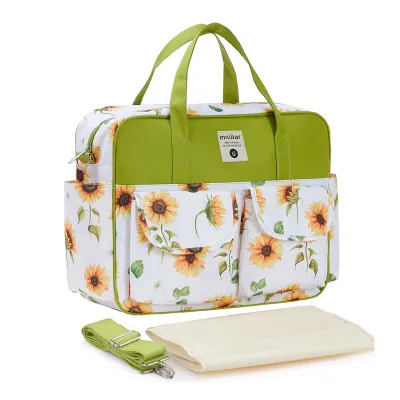

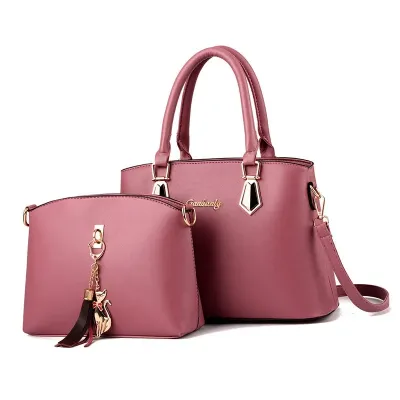
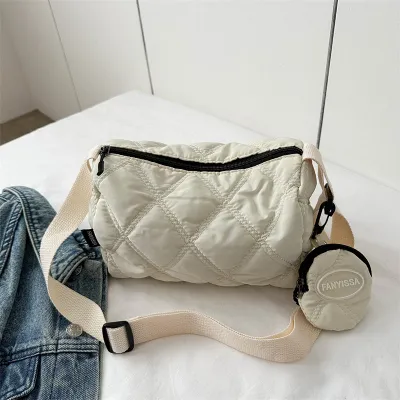
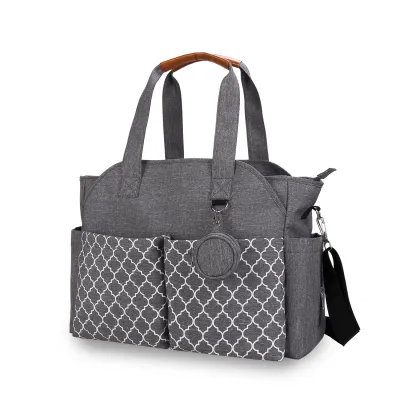

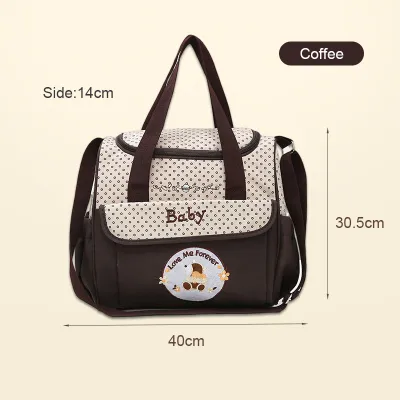

Prices are valid at publication and may change. Please refer to the product page for the latest price.
Quick-access exterior pockets are essential for these short trips. You need to be able to grab high-frequency items like your phone, keys, hand sanitizer, and wet wipes with a single hand while holding your baby or navigating public transit. Look for exterior slip pockets or shallow zippered compartments that do not require you to open the main body of the bag to retrieve basic essentials.
Weight distribution is another critical factor for daily wear. A lightweight base construction, utilizing materials like high-density nylon or lightweight polyester, ensures that the bag itself does not add unnecessary strain to your shoulders and back. Even a small amount of extra weight can exacerbate the physical fatigue and postural changes associated with the postpartum recovery period.
Finally, a compact daily bag should focus on holding a minimal diaper kit rather than your entire nursery inventory. A single diaper, a small pack of travel wipes, a changing mat, and a spare onesie are usually sufficient for a two-hour trip. Keeping the bag’s capacity limited naturally prevents you from overpacking and overloading your body during routine daily movement.
Must-Have Features for Hospital and Clinic Visits
Hospital stays and prenatal clinic visits demand a completely different level of preparation and organization. During these longer, more structured outings, you must carry physical medical booklets, ultrasound results, government IDs, and insurance documents. Having dedicated, flat, and easily identifiable compartments for these papers prevents them from getting crumpled, misplaced, or damaged by leaking liquids.

The main compartment of a hospital-bound bag must offer substantial capacity and structural support. Unlike a daily bag, this compartment needs to accommodate clothing changes for both parent and baby, toiletries, receiving blankets, and larger feeding accessories. A bag with a structured base and firm side panels will remain upright when placed on a clinic chair or hospital bedside table, making it much easier to find items in a hurry.
Hygiene is paramount in clinical environments, making wipeable and water-resistant materials a necessity for both the interior and exterior of the bag. Spills, sanitizing sprays, and contact with hospital surfaces require a surface that can be quickly disinfected without degrading the fabric. Look for bags featuring water-resistant linings that prevent spilled liquids from soaking through the entire bag and ruining your documents.
Because a fully loaded hospital bag can weigh several kilograms, the strap design requires careful inspection. Wide, heavily padded, and fully adjustable straps are essential to distribute the heavy load across your shoulder and chest. A thin, unpadded strap will quickly dig into your skin, causing neck strain and headaches during long waits in clinic reception areas.
How to Compare Specifications for Each Scenario
When comparing different bags on an online marketplace or in a local boutique, looking closely at the manufacturer’s specifications will help you make an objective decision. Size and weight limits are the first specifications to analyze. A daily crossbody bag typically ranges from 5 to 8 liters in volume, keeping the total packed weight low, whereas a hospital-appropriate bag often requires a capacity of 15 to 20 liters to hold bulky clothing and medical supplies.
Organization systems vary widely between simple slip pockets and complex modular dividers. For daily use, a few simple pockets are often easier to manage because you do not have to remember which of the ten zippers holds your keys. For hospital use, however, complex modular dividers, insulated bottle pockets, and zippered mesh compartments are invaluable for keeping clean items strictly separated from soiled ones.
Material durability should be verified through manufacturer labels rather than relying on vague marketing descriptions. Look for high-denier fabrics, such as 400D or higher nylon, which offer excellent tear resistance and water repellency. Check the quality of the hardware; metal clasps and reinforced stitching at the strap attachment points indicate that the bag can handle heavier loads without structural failure.
| Feature | Daily Outings | Hospital & Clinic Visits |
|---|---|---|
| Typical Volume | 5 to 8 Liters | 15 to 20 Liters |
| Primary Material | Lightweight nylon or canvas | Heavy-duty, water-resistant polyester or nylon |
| Strap Style | Standard adjustable crossbody strap | Wide, padded, adjustable strap with stroller clips |
| Pocket Style | Quick-access exterior slip pockets | Secure zippered compartments and document sleeves |
| Closure Type | Magnetic snaps or simple zippers | Heavy-duty, dual-zipper closures |
Closure types also impact how you interact with your bag in different settings. Secure, heavy-duty zippers are ideal for transit and crowded hospital environments because they prevent items from spilling out if the bag is tipped over in a vehicle. Conversely, magnetic snaps or open-top slip pockets are highly convenient for rapid, one-handed access during quick daily outings when you need to grab a wipe instantly.
Can One Maternity Crossbody Bag Do It All?
Deciding whether to purchase one versatile bag or two specialized ones depends on your lifestyle, physical comfort, and budget. A single, highly adaptable bag can save physical storage space and reduce your initial expenses. Many modern designs feature expandable gussets that allow you to increase the bag’s volume by unzipping a perimeter seam, effectively transforming a daily carry into a high-capacity travel bag.
Other adaptable designs include removable inner pouches or modular inserts. You can keep your hospital and clinic essentials packed in a dedicated insert, which you can easily slide out when you want to use the lightweight outer shell for a quick walk around the neighborhood. This modularity allows you to transition from a heavy clinic load to a light daily carry in a matter of seconds.
However, a “do-it-all” bag does come with practical trade-offs. An expandable bag, when fully packed for a hospital visit, may feel excessively bulky and heavy, even with its straps adjusted. Additionally, the aesthetic of a large, structured utility bag might not align with your personal style for casual social outings once your baby grows older.
Before making a purchase, use this physical checklist to test how well a bag transitions between different weight loads:
- Strap Comfort: Adjust the strap to its shortest and longest lengths; does it distribute weight evenly when the bag is empty versus when it is packed with heavy books?
- Empty Weight: Lift the bag completely empty; if it already feels heavy, it will likely cause shoulder strain once fully loaded.
- Stroller Compatibility: Check if the bag includes integrated stroller straps or D-rings, allowing you to hang the bag and completely offload the weight from your shoulders.
- Base Stability: Place the bag on a flat surface while fully packed; ensure it stands upright on its own without tipping over.
Frequently Asked Questions (FAQ)
Crossbody vs. Backpack: Which Is Better for Maternity Use?
During pregnancy, your center of gravity shifts forward, which can place significant strain on your lower back. A crossbody bag can be easily adjusted and slid to the side or front, allowing you to balance the load and keep your hands free. In crowded public spaces or transit hubs, a crossbody bag also offers superior security because you can keep the bag positioned against your chest, deterring pickpockets and allowing you to monitor your belongings easily.
However, for very heavy loads, a structured backpack distributes weight more evenly across both shoulders, reducing unilateral muscle fatigue. If you suffer from pre-existing physical conditions such as severe scoliosis, pelvic girdle pain, or herniated discs, you should consult a physical therapist or healthcare provider. They can provide personalized advice on whether a backpack or a crossbody style is safer for your musculoskeletal health.
How Should You Clean and Maintain Your Bag?
Always check the manufacturer’s care label inside your bag before applying any cleaning agents or attempting to machine wash it. Many high-performance maternity bags feature specialized water-resistant coatings or laminated interiors that can be permanently damaged by harsh detergents, hot water, or the spinning cycle of a washing machine.
For routine maintenance, empty all compartments completely, shake out any loose crumbs or debris, and vacuum the interior crevices with a brush attachment. Spot-clean the exterior and interior linings using a soft microfiber cloth dampened with warm water and a small drop of mild, diluted dish soap. Gently wipe the surface without scrubbing, then wipe again with a clean, damp cloth to remove any soap residue.
If your bag experiences a major spill of milk, formula, or organic matter that penetrates the inner seams, or if the bag is constructed from delicate materials like genuine leather or fine canvas, stop DIY cleaning. Attempting to wash these materials at home can lead to mold growth, fabric shrinkage, or color bleeding. In these cases, consult a professional bag cleaning service to safely restore the bag’s hygiene and structural integrity.

Community discussion
Share your experience or ask a question. Comments are reviewed before publication.