
Securing a household freezer is a critical step in baby-proofing a home, especially as toddlers grow more curious and mobile. A freezer lock with key serves as a reliable physical barrier, preventing young children from accessing heavy freezer doors, spoiled food, or potential entrapment hazards. Unlike simple plastic latches that older children can quickly figure out, a keyed lock ensures that access remains strictly under adult control. When selecting the right lock for your home, it is essential to look beyond basic aesthetics and evaluate how the locking mechanism, adhesive strength, and material durability perform under daily use and environmental stress.
Why a Keyed Lock Matters for Freezer Child-Proofing
As children grow, their cognitive and fine motor skills develop rapidly. Toddlers who once struggled with basic objects soon master the dexterity required to slide open simple plastic latches or press release buttons. Many standard baby-proofing locks rely on double-button releases or simple squeeze mechanisms. While these are effective for younger infants, older toddlers often learn how to bypass them simply by watching their parents operate the lock.
Combination locks present a similar vulnerability in a busy household. Children are highly observant and can easily memorize a short sequence of numbers or watch the alignment of dials from a distance. Once a child deciphers the combination, the lock loses its protective value entirely.
Products mentioned in this guide
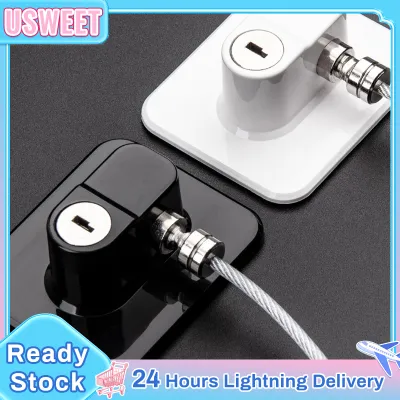
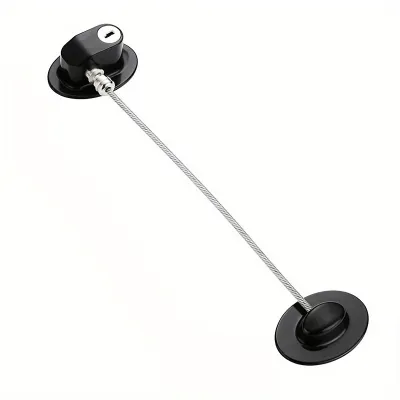
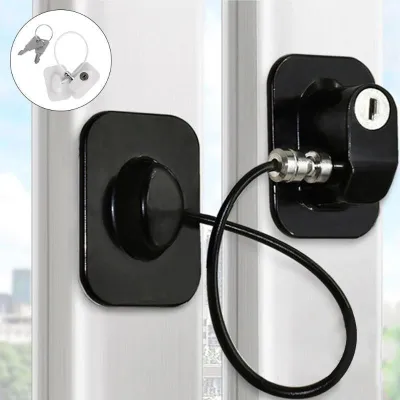
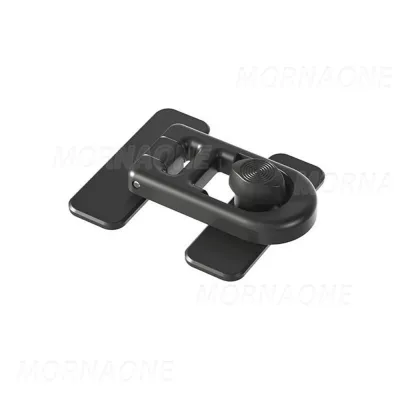
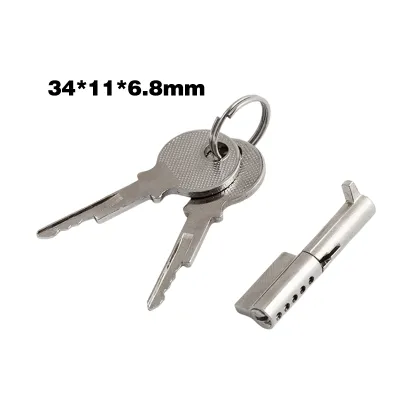
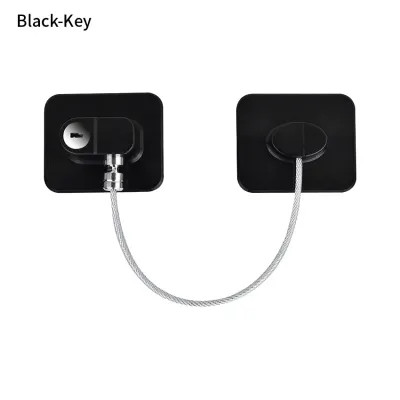
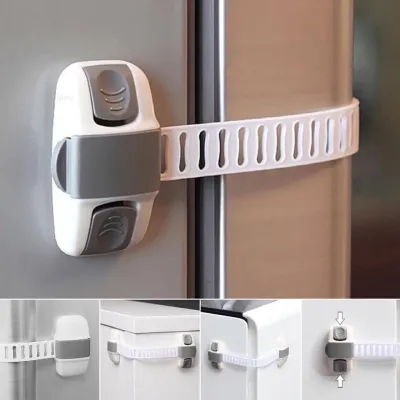
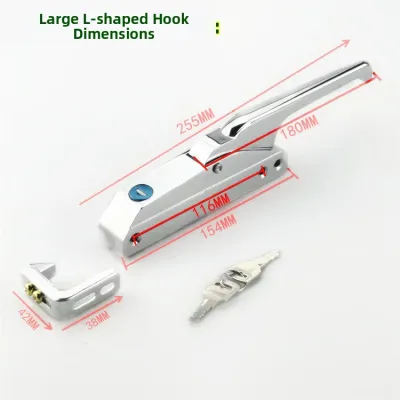
Prices are valid at publication and may change. Please refer to the product page for the latest price.
A freezer lock with key eliminates this observational learning risk. Because the locking mechanism requires a physical key to turn the internal cylinder, a child cannot bypass the lock through trial and error or observation alone. To maintain this high level of security, caregivers must establish a strict habit of keeping the keys completely out of the child’s sight and reach, preferably in a secure key cabinet or on a personal key ring. This physical separation of the key from the lock is what makes this system highly effective for long-term home safety.
Essential Features to Evaluate Before Buying
Selecting a reliable freezer lock requires a careful look at how the product is constructed and how it interacts with your appliance. A lock that fails under pressure or degrades due to environmental factors can create a false sense of security. To make an informed purchase, caregivers should evaluate three core pillars: mechanical security, mounting stability, and material resilience.

Locking Mechanism and Key Security
The core strength of any keyed lock lies in its internal cylinder and the latching mechanism. When shopping for a freezer lock with key, look for models that feature a solid metal lock cylinder rather than a plastic one. Metal cylinders are far less prone to wearing down over time and resist being forced open by a determined child pulling on the freezer door with their full body weight.
The latch or cable that connects the two halves of the lock must also be highly resilient. Many high-quality freezer locks utilize a vinyl-coated steel aircraft cable. This design provides excellent tensile strength, ensuring the cable will not stretch, fray, or snap under sudden tension. The vinyl coating is equally important, as it prevents the metal cable from scratching the appliance’s finish during daily use.
Key management is another practical factor to consider before buying. It is wise to choose a lock that comes with at least two keys. This ensures you have a backup available if the primary key is misplaced. Additionally, verify whether the lock allows the key to be removed when it is in the unlocked position; some locks require the key to remain in the cylinder unless it is locked, which can be inconvenient if you need to access the freezer frequently during meal preparation.
Adhesive Strength and Surface Compatibility
A lock is only as secure as its attachment to the freezer. Most residential freezer locks rely on heavy-duty adhesive pads to secure the lock plates to the appliance door and frame. Before purchasing, you must identify the exterior material of your freezer, whether it is painted metal, stainless steel, or a textured plastic finish. Some adhesives are formulated specifically for smooth surfaces and may struggle to bond securely with heavily textured or matte finishes.
Environmental factors play a massive role in adhesive performance, particularly in tropical climates like the Philippines. High ambient humidity and warm temperatures can cause condensation to form on the exterior surfaces of refrigeration units. This constant moisture can seep behind standard adhesive pads, causing them to lose their grip and peel away over time. Look for locks that specify the use of high-grade, moisture-resistant adhesives, such as industrial-strength acrylic foam tapes, which are rated to withstand both high humidity and temperature fluctuations.
If your freezer has a unique configuration or if you are securing a commercial-grade unit, adhesive locks might not always be sufficient. In these cases, check if the manufacturer offers screw-mounted alternatives. However, keep in mind that drilling into an appliance door can permanently damage the internal cooling coils or vacuum insulation, so adhesive options remain the safest choice for most residential setups.
Material Durability and Cold Resistance
The immediate vicinity of a freezer door is a challenging environment for physical materials. Cold air escaping from the door seals, combined with warm room air, creates a localized microclimate characterized by low temperatures and frequent condensation cycles. Over time, these conditions can cause low-quality plastics to become brittle and prone to cracking.
When evaluating a freezer lock, look for materials that are specifically rated for low-temperature durability. High-impact ABS plastic or nylon-reinforced polymers are excellent choices for the lock housing, as they retain their structural integrity and flexibility even when exposed to cold drafts. Avoid cheap, brittle plastics that feel rigid and thin, as these can easily snap if the freezer door is accidentally yanked or bumped.
The flexibility of the connecting strap is also critical. If the lock uses a flexible plastic strap instead of a steel cable, that material must remain pliable in the cold. If a strap hardens due to cold air exposure, the repeated bending motion of opening and closing the freezer will eventually cause the material to fatigue and break at the hinge point. Checking product specifications for cold-resistance ratings can help prevent these premature failures.
Installation Requirements and Surface Preparation
Proper installation is paramount to ensuring the lock performs as intended. Even the strongest industrial adhesive will fail if it is applied to a dirty or greasy surface. Before installing your freezer lock, take the time to thoroughly clean the target areas on both the door and the main body of the appliance. Use isopropyl alcohol to remove any grease, dust, fingerprint oils, or condensation, and allow the surface to dry completely. Avoid using household glass cleaners or multi-purpose sprays, as these often leave behind a thin residue that prevents the adhesive from bonding fully.
Once the surface is clean and dry, carefully align the lock pieces before peeling off the adhesive backing. Most heavy-duty adhesives are designed for a single application; attempting to reposition a plate after it has touched the surface will significantly reduce its holding power. Press and hold the lock plates firmly against the freezer surface for at least thirty seconds to activate the pressure-sensitive adhesive.
After application, it is crucial to respect the manufacturer’s specified curing time. Most high-strength adhesives require a full 24 hours to reach their maximum bonding strength. During this curing period, do not lock the mechanism or apply any tension to the cable. If you must use the freezer, open and close the door with extreme care to avoid disturbing the newly installed plates. If you have concerns about how the adhesive might affect your appliance’s finish or warranty, consult the freezer manufacturer’s guidelines before proceeding.
Safe Usage and Ongoing Maintenance
Installing a freezer lock is not a one-time task; maintaining home safety requires ongoing vigilance and routine checks. Caregivers should perform regular visual and physical inspections of the lock assembly. Check the edges of the adhesive plates weekly to ensure there is no peeling, lifting, or moisture accumulation underneath. Gently tug on the cable or strap to verify that the bond remains solid and that there is no play in the mounting plates.
Examine the lock body and cable for any signs of material fatigue, such as micro-cracks in the plastic, fraying of the vinyl coating, or rust on metal components. If you notice any structural degradation, the lock should be replaced immediately to prevent a sudden failure when a child pulls on the door.
Key safety is the cornerstone of this baby-proofing method. Never leave the key resting in the lock cylinder or sitting on top of the freezer, as children are adept at climbing chairs or stools to reach high surfaces. Designate a secure, high location out of the child’s line of sight to store the keys. If the keyhole begins to feel sticky or difficult to turn, do not use heavy oils or WD-40, which can attract dust and clog the mechanism; instead, use a small amount of graphite lubricant to keep the cylinder turning smoothly.
Frequently Asked Questions (FAQ)
Can I use a standard padlock instead of a dedicated freezer lock?
Using a standard padlock on a residential freezer is generally not recommended because most home appliances do not come equipped with built-in metal hasps or loops to secure a padlock. Attempting to install an aftermarket metal hasp using screws can easily puncture the freezer’s internal cooling lines, ruin the vacuum seal, or permanently void the manufacturer’s warranty. Additionally, heavy metal padlocks can swing freely when the door is opened, creating a hazard where the lock could strike and injure a young child standing nearby, or chip the appliance’s exterior paint. Dedicated freezer locks are specifically designed with flat, adhesive-backed mounting plates and flexible cables that lay flat against the appliance, providing a secure fit without risking structural damage or physical injury.
What should I do if the adhesive fails in cold temperatures?
If the adhesive on your freezer lock fails, your immediate priority should be to secure any hazardous items, such as medications or small choking hazards, by moving them to a high shelf or a different locked cabinet. Next, safely remove the failed adhesive residue from the freezer surface using a plastic scraper and an adhesive remover or rubbing alcohol, taking care not to scratch the appliance’s finish. Do not attempt to reuse the failed adhesive pad with household glue or double-sided tape, as these temporary fixes will not hold up to the weight of a pulling child. Instead, evaluate whether the failure was caused by improper surface preparation, high tropical humidity, or a low-quality adhesive. To resolve the issue permanently, replace the unit with a high-quality lock featuring moisture-resistant, cold-rated acrylic foam adhesive, and ensure you follow the full cleaning and curing instructions during reinstallation.
Community discussion
Share your experience or ask a question. Comments are reviewed before publication.