
Quick Answer: The Most Critical Breastfeeding Pillow Specs
When holding your newborn for multiple feeding sessions a day, finding the right support is essential for both comfort and feeding success. A high-quality pillow breastfeeding setup should address three non-negotiable specifications: high-density firmness, an ergonomic wrap-around shape, and a removable, machine-washable cover.
The primary objective of a nursing pillow is to lift your baby to the level of your breast. This elevation prevents you from hunching forward, which is a primary cause of chronic neck, shoulder, and back strain. By establishing a stable, elevated platform, you can maintain an upright, relaxed posture while keeping your hands free to support your baby’s head.
Decoding Pillow Shapes: C-Shape, U-Shape, and Wedges
Breastfeeding pillows come in several distinct shapes, each designed to accommodate different maternal body types and feeding positions. Understanding how these designs function will help you select the most supportive option for your daily routine.
Products mentioned in this guide
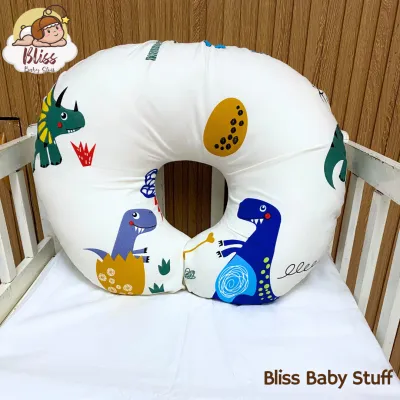
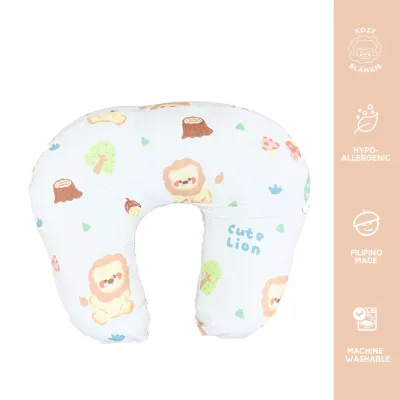
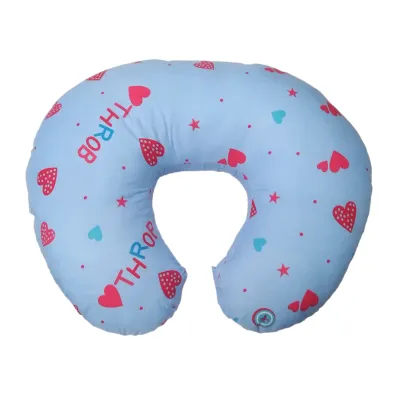
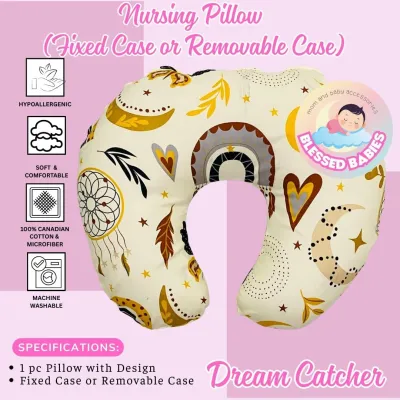
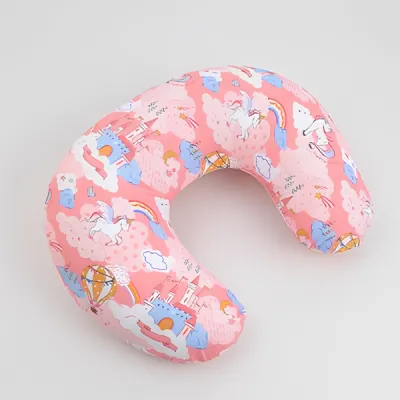
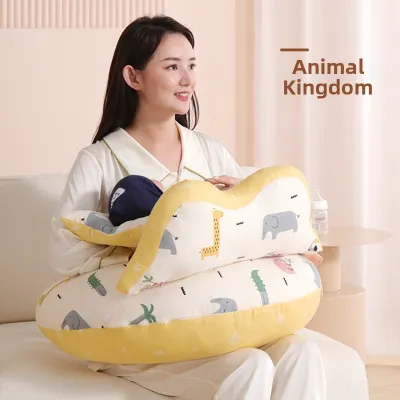
Prices are valid at publication and may change. Please refer to the product page for the latest price.

The classic C-shape is the most common design. It wraps around your waist from the front, providing a semi-circular platform that excels during cradle and cross-cradle holds. Because it hugs your midsection, it keeps the baby close to your torso. However, a standard C-shape pillow typically offers little lower back support, meaning you may need a separate household cushion behind you.
If you require comprehensive torso support, a U-shape or full-wrap pillow is a better choice. These bulkier designs wrap completely around your body, offering a firm resting surface in the front while simultaneously providing integrated lower back cushioning. Many of these models double as pregnancy sleeping pillows. While highly supportive, they take up significantly more space and can be cumbersome in smaller rocking chairs.
Wedge-shaped or flat, stackable nursing pillows offer a highly targeted alternative. These are particularly useful for side-lying feeding positions or for older, heavier infants who require less elevation but still need localized support. Because they are compact, they are also highly portable and easy to pack for travel.
To make your decision, analyze your most frequent feeding location. If you primarily nurse in a narrow chair, a compact C-shape or wedge will fit best. If you nurse in bed and suffer from postpartum back pain, a full wrap-around design is worth the investment.
Why Firmness Matters for Latch and Posture
One of the most common mistakes parents make is choosing a nursing pillow based on how soft and plush it feels to the touch. While a fluffy, fiberfill-stuffed cushion might seem comfortable initially, it often fails to provide the structural support necessary for a successful latch.
When evaluating a pillow breastfeeding option, contrast high-density foam cores with soft polyester fiberfill. A soft pillow is highly susceptible to the “sink effect.” Under the weight of a newborn, a soft cushion compresses rapidly, causing the baby to slide downward and away from your breast. To maintain a proper latch, you are forced to lean forward and hunch your shoulders, leading to rapid muscle fatigue.
A firm, high-density foam core maintains its height and shape under pressure. It provides a stable, flat platform that keeps your baby at the correct elevation throughout the entire feeding session. To test a pillow’s firmness, press your hand into the center; it should resist your pressure and spring back immediately rather than leaving a deep indentation.
From a safety perspective, a firm surface is also much safer for supervised developmental activities, such as tummy time, as your baby grows. However, it is crucial to remember that no breastfeeding pillow is approved for unsupervised infant sleep. Always place your baby on a flat, firm, dedicated sleep surface like a crib mattress when they fall asleep after feeding.
Adjustability: Straps, Buckles, and Gap Prevention
Active babies wiggle and shift during feeding sessions, which can cause a standard cushion to slide away from your body. This movement creates a dangerous gap between you and the pillow, increasing the risk of your baby rolling inward, slipping, or losing their latch.
Many premium nursing pillows feature adjustable waist straps secured by heavy-duty, side-release plastic buckles. These straps allow you to cinch the pillow tightly against your torso, keeping the platform flush against your body regardless of whether you are sitting or slightly reclining. This gap-prevention mechanism ensures that your baby remains securely positioned on the center of the cushion.
Adjustability is especially important in several specific scenarios:
- C-Section Recovery: A secure strap allows you to position the pillow higher up on your torso, keeping all pressure entirely off your sensitive lower abdominal incision.
- Plus-Size Comfort: Adjustable straps ensure that the pillow can comfortably accommodate different waist sizes without squeezing or pinching.
- Shared Caregiving: If multiple family members will use the pillow for bottle-feeding, an adjustable strap allows each person to customize the fit quickly.
Before buying, check the product specifications for the maximum strap length and ensure the buckle is durable and easy to release with one hand.
Cover Materials: Breathability and Washability
In a warm, humid climate like the Philippines, the materials used for your nursing pillow’s outer cover and inner core can make a massive difference in daily comfort. Both you and your baby generate significant body heat during feeding, which can quickly lead to sweating, skin irritation, and general discomfort if the fabric is not breathable.
Look for outer covers made from natural, breathable fibers such as organic cotton, bamboo rayon, or linen blends. These materials naturally wick moisture away from the skin and allow air to circulate, keeping your baby cool and preventing heat rashes. Avoid synthetic fabrics like polyester, minky, or heavy fleece, which trap heat and moisture, making the feeding experience uncomfortably warm.
Milk spills, drool, spit-up, and diaper leaks are inevitable parts of the feeding journey. A fully removable, machine-washable outer cover is absolutely essential. Avoid pillows that require you to wash the entire cushion structure, as these take a long time to dry and can lose their shape or clump up in the washing machine.
To extend the lifespan of your pillow, look for models that feature a water-resistant or wipeable inner protective liner beneath the outer fabric cover. This liner prevents liquid spills from soaking deep into the inner foam core. If moisture penetrates the foam, it can be incredibly difficult to dry completely, creating a prime breeding ground for mold and mildew in humid tropical environments.
Specs and Features You Can Safely Ignore
When shopping for a nursing pillow, you will encounter many products with extra features designed to stand out on retail shelves. Most of these additions do not improve the actual feeding experience and can safely be ignored to save money and reduce clutter.
- Built-in Toy Loops: Newborns do not need visual stimulation, dangling toys, or distractions while they are actively nursing. These loops often collect lint, get caught on clothing, and add unnecessary bulk to the sides of the pillow.
- Excessive Storage Pockets: While a single, flat pocket for a burp cloth or your phone can be convenient, multiple deep pockets can compromise the flat surface of the pillow and make it more difficult to clean.
- Unverified "Orthopedic" Claims: Many brands use vague, medical-sounding buzzwords like "pediatrician-approved orthopedic alignment" without any verifiable clinical testing or official certifications. Focus instead on the objective physical specifications of the pillow, such as its actual height, foam density, and strap adjustability.
Frequently Asked Questions (FAQ)
Can I use a regular bed pillow instead of a dedicated breastfeeding pillow?
While you can use standard household bed pillows in a pinch, they generally lack the structural firmness and ergonomic shape required for comfortable, long-term feeding support. Standard pillows compress easily under your baby’s weight, requiring you to constantly adjust them with your arms or lean forward to maintain a proper latch. A dedicated breastfeeding pillow is specifically contoured to wrap around your waist and maintain a consistent, firm elevation, reducing strain on your arms, neck, and shoulders.
What is the ideal height for a breastfeeding pillow?
There is no single ideal height because every mother’s torso length and breast position are different. The functional rule is that the pillow should elevate your baby high enough that their mouth aligns naturally with your nipple when you are sitting completely upright. If you have a longer torso, you will need a thicker pillow or a model with adjustable height layers to avoid having to hunch forward during feeding sessions.
Community discussion
Share your experience or ask a question. Comments are reviewed before publication.