
Designing a cohesive nursery involves balancing aesthetics, comfort, and safety. While a crib and a changing table often form the structural foundation of the room, adding a baby rocking bed swing introduces a dynamic element that requires careful integration. A well-chosen swing does not merely sit in the corner; it functions as an active part of your daily caregiving routine and must harmonize with the surrounding furniture both visually and physically.
To achieve a seamless setup, you must look beyond standalone product features and evaluate how the swing interacts with the rest of the room. This means analyzing design styles, measuring physical clearance zones, and verifying safety standards. By taking a systematic approach to selection, you can create a serene, organized space where every piece of furniture works in harmony to support your baby’s development and your own peace of mind.
Matching Your Baby Rocking Bed Swing to Nursery Furniture
When coordinating a baby rocking bed swing with your primary nursery furniture, start by identifying the dominant design style of your crib and changing table. If your main furniture pieces feature clean lines, tapered legs, and a minimalist aesthetic, a swing with a sleek, geometric metal frame or a molded seat will maintain that modern feel. Conversely, if your nursery leans toward a rustic or traditional style with heavy wood grains and curved details, look for a swing that incorporates natural wooden accents or soft, classic fabric pleats.
Products mentioned in this guide
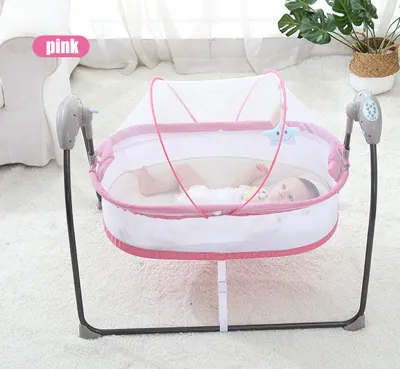
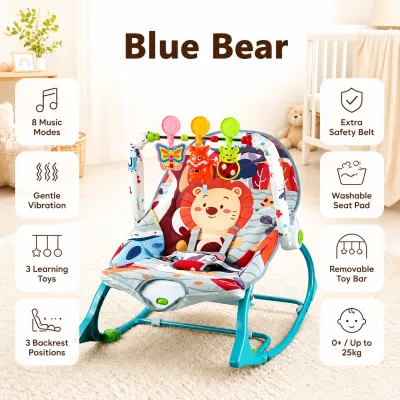
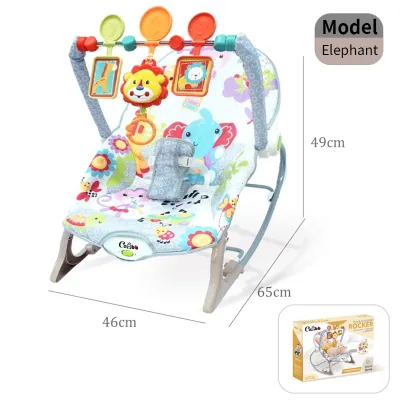



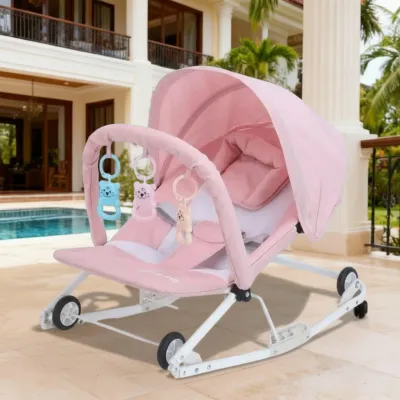

Prices are valid at publication and may change. Please refer to the product page for the latest price.
Wood finishes and metal hardware are critical touchpoints for visual cohesion. You do not need an exact brand match to achieve a unified look, but aligning the undertones of the materials is essential. For instance, if your crib is crafted from warm natural beechwood, look for a swing base with similar warm timber elements rather than a cool, grey-toned wood. If your changing table features matte black drawer pulls, choosing a swing with matching black metal support tubes helps tie the room together.
Color palettes and fabric textures also play a significant role in how the swing integrates into the space. In tropical climates like the Philippines, where high humidity is a constant factor, fabric choice is not just an aesthetic decision but a practical one. Opt for breathable, lightweight textiles such as cotton canvas, linen blends, or performance weaves in neutral tones like beige, soft grey, or muted sage. These colors blend easily with most wall treatments and nursery linens while preventing the swing from looking like an eyesore in a carefully decorated room.
Finally, consider the proportions and visual weight of the swing relative to the other furniture. A massive, high-tech motorized swing can easily overwhelm a compact crib or a delicate changing table, making the nursery feel cluttered and unbalanced. If your nursery furniture is low-profile or designed for smaller spaces, prioritize a swing with a slender frame and a low center of gravity. This ensures that the swing remains a complementary accent rather than the overbearing focal point of the room.
Planning Nursery Space and Furniture Layout
A beautiful nursery can quickly become frustrating and hazardous if the layout is cramped. Before purchasing a baby rocking bed swing, you must carefully map out the physical dimensions of your nursery floor plan. Unlike stationary cribs or changing tables, a rocking swing requires a dynamic footprint that accounts for its full range of motion.

Begin by measuring the maximum swing arc of the model you are considering. This is the total distance the seat travels from the furthest point forward to the furthest point backward, as well as any side-to-side sway. You must maintain a safe clearance zone of at least 30 to 50 centimeters from the outer edge of this arc to any solid structures, including walls, crib rails, changing tables, and shelving units. This clearance prevents the swing from colliding with other furniture and ensures your baby remains safe from accidental impacts.
In addition to the swing’s motion path, you must plan for safe caregiver walkways. The path between the crib, the changing table, and the nursery entrance must remain completely unobstructed, especially for those frequent, dimly lit nighttime visits. A wide-base swing placed directly in a primary walkway poses a significant tripping hazard. Position the swing in a dedicated zone—such as a quiet corner away from high-traffic paths—while ensuring you still have a clear line of sight from the main doorway or your nursing chair.
For smaller nurseries or multi-functional rooms, space-saving designs are highly beneficial. Look for compact swings with a small static footprint or models that feature a foldable frame. A foldable baby rocking bed swing allows you to reclaim valuable floor space during the day when the swing is not in use, keeping the nursery open and easy to navigate. This flexibility is particularly useful in urban apartments where space is at a premium.
Essential Safety and Stability Checks
While visual coordination and spatial planning are important, safety remains the absolute priority when selecting any baby gear. Because a rocking swing is designed for motion, its structural integrity and stability must be verified before it is introduced to your nursery set.
Start by inspecting the base construction and weight distribution of the swing. A wide, low-profile base made of sturdy materials like steel tubing or solid hardwood offers the best defense against tipping. When the swing is in motion, the base must remain completely flat on the floor without lifting, sliding, or wobbling. If you plan to place the swing on a smooth tile or wooden floor, ensure the base is equipped with non-slip rubber grips to prevent gradual drifting during use.
Next, examine the seating compartment and restraint system. A secure harness is vital to keep your baby safely positioned. Look for a fully adjustable three-point or five-point harness with durable buckles that cannot be easily undone by curious little hands. The seat depth and recline angle must be appropriate for your baby’s developmental stage. Newborns, who lack head and neck control, require a reclined position that keeps their chin off their chest to maintain an open airway. Many high-quality swings offer adjustable recline positions that can be uprighted slightly as your baby grows and gains upper-body strength.
Always locate and read the manufacturer’s weight limits, age recommendations, and safety warnings printed on the product tags or detailed in the user manual. These limits are not suggestions; they are critical boundaries established through rigorous testing. As a general rule, you must stop using a baby rocking bed swing as soon as your baby reaches the maximum weight limit, attempts to sit up unassisted, or begins trying to roll over. Regularly inspect the frame joints, fabric seams, and harness straps for any signs of wear, and immediately discontinue use if any component appears compromised.
Practical Features for Daily Caregiver Routines
An effective nursery setup should make daily caregiving routines smoother and less physically demanding. When comparing different baby rocking bed swings, look for practical features that enhance convenience without compromising safety or aesthetic harmony.
Portability is a major asset for busy parents. While the swing may have a designated spot in your nursery furniture layout, you will often want to move it to the living room, kitchen, or dining area so you can keep a close eye on your baby while attending to household tasks. Swings with lightweight frames, integrated carry handles, or lockable caster wheels make relocation effortless. If you choose a model with wheels, always double-check that the locking mechanism is fully engaged and secure before placing your baby in the seat.
Easy maintenance is another essential consideration. Babies are prone to spit-ups, diaper leaks, and drool, meaning the swing’s fabric will require frequent cleaning. Prioritize models that feature a removable, machine-washable seat cover. The fabric should be durable enough to withstand repeated washing cycles without shrinking, fading, or losing its soft texture. For the frame and non-removable parts, smooth, wipeable surfaces made of high-quality plastics or finished woods allow for quick sanitization with a damp cloth.
Finally, evaluate the power source and operational noise of the rocking mechanism. Motorized swings typically offer multiple speed settings and can be powered by a wall adapter or batteries. A plug-in option is highly convenient for nursery use as it eliminates the ongoing cost and waste of disposable batteries, though you must secure the power cord safely along the wall to prevent tripping. Pay close attention to the motor’s noise level; a quiet, gentle hum can act as soothing white noise, whereas a loud, mechanical clicking sound can disrupt a resting baby and disturb the peaceful atmosphere of your nursery.
Building Your Shortlist: Final Checks Before Buying
Before making your final purchase, compile a shortlist of candidate swings and subject them to a rigorous final verification process. This step ensures that your chosen model fits perfectly within your physical space, budget, and lifestyle.
Begin by cross-referencing the exact physical dimensions and swing radius of your top candidates with your finalized nursery floor plan. Use a measuring tape to physically mark out the swing’s footprint on your nursery floor to visualize how it interacts with your crib and changing table. Ensure there is ample room to comfortably open wardrobe doors, pull out changing table drawers, and walk around the room without squeezing past the swing.
Next, research the manufacturer’s warranty, assembly requirements, and return policies. Large nursery items can sometimes be challenging to assemble or may require specific tools. Reviewing the assembly instructions online beforehand can help you determine if you can manage the setup yourself or if you need assistance. Additionally, a robust warranty and a flexible return policy provide peace of mind in case the swing does not fit your space as expected or if your baby simply does not take to the rocking motion.
Lastly, read verified user reviews on reputable online marketplaces or local baby boutique sites. Look specifically for feedback regarding long-term durability, fabric wear under humid conditions, and motor reliability over several months of daily use. Real-world experiences from other parents can highlight potential issues—such as a motor that becomes noisy over time or fabric that pills after a few washes—that may not be apparent from the product description alone.
Frequently Asked Questions (FAQ)
Can a baby sleep overnight in a rocking bed swing?
No, a baby rocking bed swing is not safe for unsupervised overnight sleep. Pediatric safe sleep guidelines emphasize that infants should always sleep on a flat, firm, and stable surface, such as a certified crib, bassinet, or playard, free of loose blankets, pillows, or soft toys. The inclined position of a swing seat can cause a baby’s head to tilt forward, potentially obstructing their airway and leading to positional asphyxiation. Swings are designed solely for supervised daytime soothing and relaxation; if your baby falls asleep in the swing, gently transfer them to their crib or bassinet as soon as possible.
Do I need to buy a swing from the same brand as my crib?
You do not need to buy a swing from the same brand as your crib to achieve a beautiful, coordinated nursery. In fact, very few manufacturers produce both full-sized wooden cribs and motorized baby swings, meaning most parents naturally mix and match brands. Instead of focusing on brand uniformity, prioritize matching design elements such as wood undertones, metal finishes, and fabric textures. Most importantly, always prioritize independent safety certifications, structural stability, and spatial compatibility over aesthetic matching to ensure your nursery remains a safe environment for your baby.
Community discussion
Share your experience or ask a question. Comments are reviewed before publication.