
Finding a single baby carrier that safely and comfortably supports your child from the fragile newborn stage through the active toddler years is a practical goal for many parents. In the Philippines, where navigating busy streets, malls, and public transport with a stroller can be challenging, a reliable baby carrier becomes an essential daily tool. However, because a newborn’s physical needs are vastly different from those of a 15-kilogram toddler, not every carrier on the market can truly span this entire developmental spectrum. Achieving this longevity requires understanding how different carrier designs adapt to your child’s growing body while keeping both of you cool in hot, humid weather.
To make a single purchase work for the long haul, you must look beyond general age marketing and focus on structural adjustability. A newborn requires precise head support, a narrow seat to protect developing hips, and a soft panel that conforms to their naturally curved spine. A toddler, on the other hand, needs a wide, deep seat that supports their thighs from knee to knee, a tall back panel to prevent them from leaning out, and robust weight distribution to protect the caregiver’s back. By selecting a carrier designed with these transition features, you can avoid the expense of buying multiple products as your child grows.
Carrier Types Designed to Grow With Your Child
Soft Structured Carriers (SSCs) are among the most popular options for parents seeking a single, long-term carrying solution. These buckle-based carriers resemble backpacks and are highly valued for their ease of use and quick adjustments between different caregivers. When shopping for an SSC that works from birth, it is crucial to distinguish between models that require a separate infant insert and those designed with fully adjustable seats. Modern, growth-oriented SSCs feature base adjusters—such as sliders, snaps, or hook-and-loop panels—that allow you to narrow the seat width for a newborn’s short legs and gradually widen it as their hips develop. Choosing a model with built-in adjustability eliminates the need for bulky fabric inserts, which can trap excessive heat and cause discomfort in tropical climates.
Products mentioned in this guide
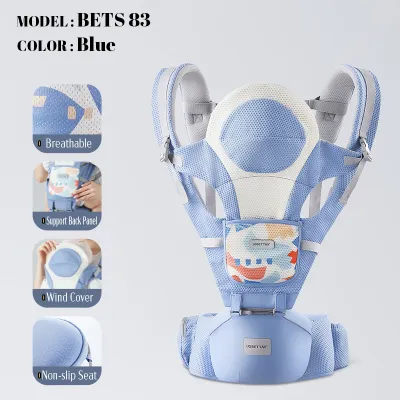
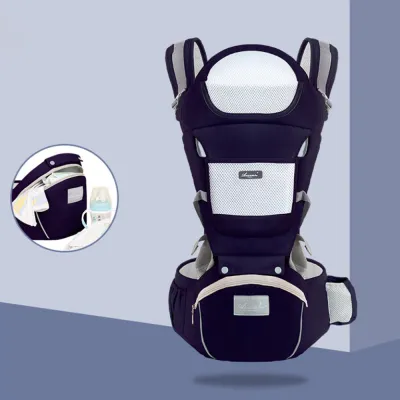
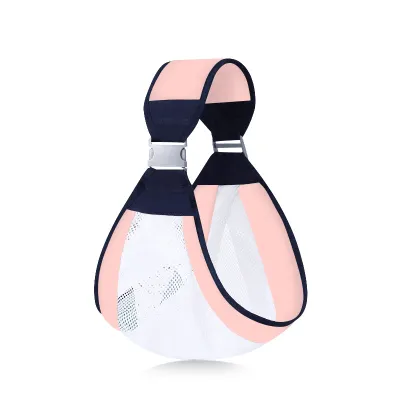

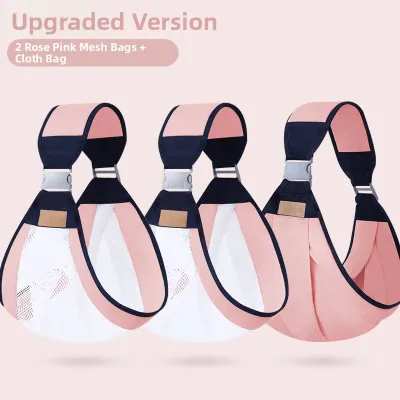
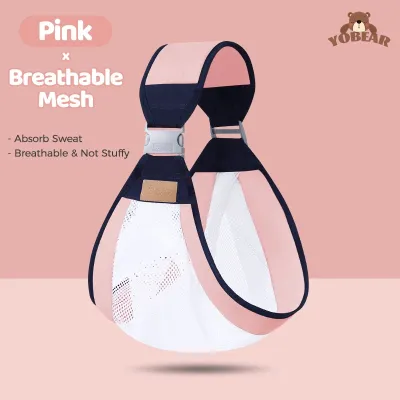

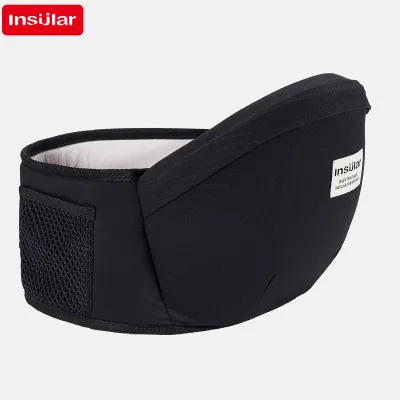
Prices are valid at publication and may change. Please refer to the product page for the latest price.
Woven wraps offer unmatched versatility and a truly custom fit, making them excellent for supporting a child from day one through toddlerhood. Unlike stretchy wraps, which are made of elastic jersey fabric and tend to sag under the weight of a baby heavier than seven to nine kilograms, woven wraps are crafted from sturdy, non-stretch fabrics like woven cotton, linen, or hemp. This structural integrity allows a woven wrap to distribute a heavy toddler’s weight evenly across your torso without stretching out of shape over hours of wear. While woven wraps have a steeper learning curve because you must learn various tying techniques, they naturally adapt to any body shape and size, providing optimal support for both a tiny newborn and a preschooler. Furthermore, choosing a woven wrap made of lightweight, breathable linen or low-gsm cotton helps manage heat and sweat during warm afternoons.
Meh Dai carriers, also known as hybrid carriers, combine the structured convenience of an SSC with the custom comfort of a wrap. These traditional Asian-style carriers feature a structured fabric panel with a waist belt and long shoulder straps that you tie manually. The waist belt can be rolled or cinched to shorten the panel and narrow the seat for a newborn, while the wide shoulder straps can be wrapped under a toddler’s bottom to extend the seat width as they grow. This hybrid design offers exceptional adaptability for families where multiple caregivers of different body types share the carrying duties, as there are no buckles to readjust. The fabric-heavy design also allows for excellent airflow when made from natural, lightweight fibers, making it a comfortable option for daily walks or household chores.
Essential Safety and Ergonomic Features to Verify
When evaluating any baby carrier, prioritizing ergonomic positioning is vital for your child’s physical development. For newborns and infants, you must verify that the carrier supports the natural “M” shape hip positioning, where the baby’s knees are spread wide, bent, and positioned higher than their hips. This position keeps the head of the femur securely inside the hip socket, reducing the risk of hip dysplasia. Additionally, the carrier must support the natural “C” shape curve of a baby’s developing spine, rather than forcing it into an unnaturally straight position. To ensure a carrier meets these ergonomic standards at every stage of growth, always check the manufacturer’s visual guides, instruction manuals, and look for recognition from international hip health organizations.

Relying solely on age-based marketing claims on packaging can be misleading, as babies grow at highly individual rates. Instead, locate the physical product tag or the official user manual to verify the exact minimum and maximum weight limits tested for that specific model. A carrier marketed “from birth” may still require a minimum weight of 3.2 kilograms, which some newborns do not meet immediately. Conversely, a carrier might claim to support toddlers up to 20 kilograms, but if the seat fabric cannot be widened to support the child’s thighs, the toddler’s legs will dangle straight down, causing discomfort and improper hip alignment. Always cross-reference the physical weight limits with the carrier’s structural dimensions.
To ensure a safe and comfortable ride across different developmental milestones, look for specific adjustable components on the carrier. A newborn requires a supportive, adjustable head or neck rest that can be cinched or buttoned to prevent their head from slumping forward, which can compromise their airway. As your baby transitions into a toddler, padded leg openings become essential to prevent the fabric edges from chafing or cutting into their thighs. An adjustable seat width is non-negotiable; you must be able to narrow the seat so a newborn’s knees can bend freely outside the carrier, and widen it later so a toddler’s thighs are fully supported all the way to the knee joints.
Evaluating Comfort and Fit for the Caregiver
A baby carrier must be as comfortable for you as it is safe for your child, especially as your baby grows heavier. The choice between padded and unpadded shoulder straps often comes down to personal preference and body shape. Thickly padded shoulder straps cushion the shoulders against the downward pull of a heavy toddler, making them a popular choice for long walks or shopping trips. However, in hot and humid conditions, bulky padding can trap heat and sweat against your skin. Unpadded, wide wrap-style straps, which are common on Meh Dais and woven wraps, spread the child’s weight evenly across your entire back and shoulders, reducing localized pressure points while remaining thin and breathable under light clothing.
As your child transitions from a lightweight newborn to a much heavier toddler, a supportive waistband becomes your primary defense against back strain. Look for carriers with wide, firm waistbands that mimic the load-bearing belts found on technical hiking backpacks. These waistbands transfer a significant portion of your child’s weight from your shoulders down to your hips and pelvis, which are much better suited for carrying heavy loads. Some carriers also include a structured lumbar support pad that sits against your lower back, helping to maintain your natural spinal alignment and preventing you from leaning backward to compensate for the weight on your chest.
The way the shoulder straps connect and distribute weight across your back also plays a major role in long-term comfort. Cross-back (or X-back) strap configurations cross over your shoulder blades, naturally pulling the carrier’s weight closer to your center of gravity and preventing the straps from slipping off narrow or sloped shoulders. This style is often easier for solo caregivers to put on, as there is no need to reach behind your back to buckle a chest clip. Parallel (or H-back) strap configurations run straight over your shoulders and connect with a chest strap. While H-back straps are highly adjustable and familiar to backpack users, they require careful positioning of the chest clip to prevent neck strain and ensure a secure, balanced fit.
Your Pre-Purchase Verification and Trial Checklist
Before using any baby carrier for the first time, dedicate time to thoroughly reading the manufacturer’s instruction manual and safety warnings. Every carrier has unique adjustment points, and understanding how to secure them correctly is essential for your baby’s safety. Practice adjusting the straps, buckles, and seat width without your baby inside; using a doll or a rolled-up towel can help you get a feel for the adjustments. Pay close attention to safety guidelines regarding airway clearance, ensuring your baby’s face is always visible, their chin is off their chest, and you can easily kiss the top of their head without straining.
If you are considering purchasing a second-hand carrier or accepting a hand-me-down from a friend, a meticulous physical inspection is mandatory. Examine all high-stress areas, such as the stitching where the shoulder straps and waistband connect to the main body panel, looking for any signs of fraying or loose threads. Test every plastic buckle to ensure it clicks securely into place and does not slip under tension. Check that any elastic safety loops—which are designed to catch a strap if a buckle accidentally releases—are intact and have not lost their elasticity. Inspect the fabric for wear, thinning, or tears, as compromised fabric can fail under the weight of a growing toddler.
When purchasing a new carrier, it is wise to evaluate the retailer’s return and exchange policies to ensure you have a proper trial period at home. Compare prices in ₱ across authorized physical baby boutiques and official online stores in the Philippines to ensure you are paying a fair market price. Be highly cautious of deals that seem too good to be true on unauthorized online marketplaces, as counterfeit baby carriers are common and often use substandard buckles, weak stitching, and non-ergonomic designs that pose safety risks. Testing the carrier at home with your child—while keeping all tags attached—allows you to verify that the fit is comfortable for your body type and that your child tolerates the positioning before making a final commitment.
Frequently Asked Questions (FAQ)
Do I need a separate infant insert for a newborn?
Whether you need a separate infant insert depends entirely on the specific design of your baby carrier. You must consult the manufacturer’s instruction manual to check the minimum weight and height requirements for use without an insert. Some carriers are designed with adjustable panels that cinch down small enough to safely support a newborn from birth without any extra accessories. If your carrier’s manual specifies that an insert is required for babies under a certain weight, you must use it to prevent serious safety risks. Using a carrier without its required insert can cause a small newborn to slip through the leg openings or slump down inside the panel, which can restrict their airway and lead to suffocation.
When is it safe to switch from front-carrying to back-carrying?
You can safely transition your child to a back-carry position once they have achieved key developmental milestones, which typically occur around six months of age. Your baby must exhibit strong, consistent head and neck control and be able to sit completely unassisted for extended periods. Before attempting a back carry, you must verify the specific carrier’s instruction manual, as manufacturers often set higher minimum age and weight thresholds for back-carrying than for front-carrying. Back-carrying is highly beneficial for older, heavier toddlers as it distributes their weight more ergonomically across your back, but you must ensure they can maintain an open airway and that you can monitor them safely while on the move.
Community discussion
Share your experience or ask a question. Comments are reviewed before publication.