
Selecting the right baby carrier for travel depends entirely on how you plan to move. While a bulky, highly structured carrier offers excellent lumbar support for long walking tours, it can quickly become a hassle when squeezing into a narrow airplane aisle or packing a crowded car trunk. Conversely, an ultra-lightweight fabric wrap folds down to the size of a water bottle but may lack the structural support needed for hours of sightseeing. To find the ideal balance, you must evaluate your primary mode of transportation—whether you are navigating busy airport terminals, embarking on a long road trip, or hopping on and off public transit—and match those environments to specific carrier features like foldability, fabric breathability, and quick-adjust buckles.
Matching Carrier Features to Your Primary Travel Mode
When preparing for a trip, weigh the trade-off between ultra-lightweight packability and structured ergonomic support. Lightweight travel carriers, such as ring slings or minimalist soft-structured carriers, excel in portability and easily tuck into a diaper bag. However, if you plan to wear your baby for several hours at your destination, a carrier with a structured waist belt and padded shoulder straps is essential to distribute weight evenly across your hips and shoulders, preventing back strain.
Before packing any carrier, read the manufacturer’s labels to verify the approved age, weight limits, and recommended carrying positions. Some carriers require separate infant inserts for newborns, while others are designed strictly for babies who have achieved full head and neck control. Traveling often requires switching between front-inward, front-outward, and back-carrying positions depending on your baby’s developmental stage. Ensuring your carrier supports these positions safely according to the manual is crucial for your baby’s hip development.
Products mentioned in this guide
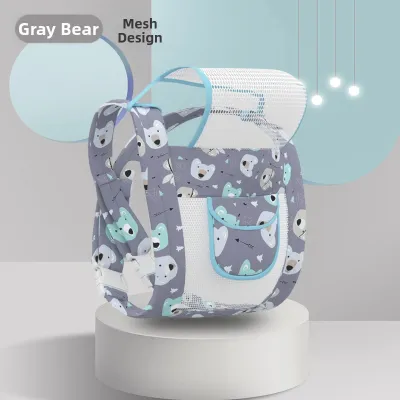
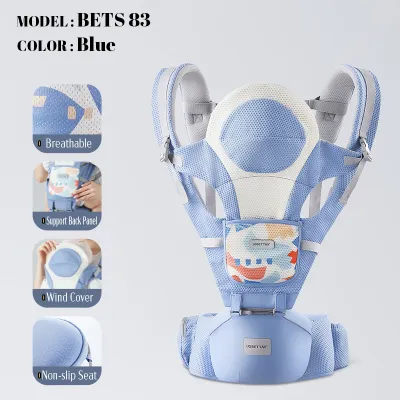
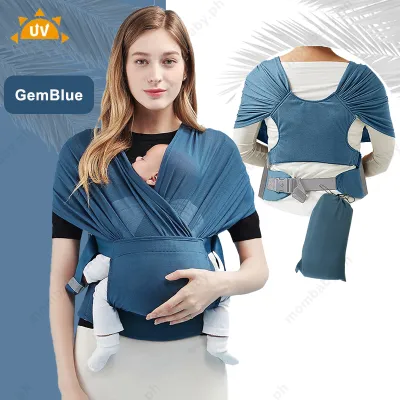
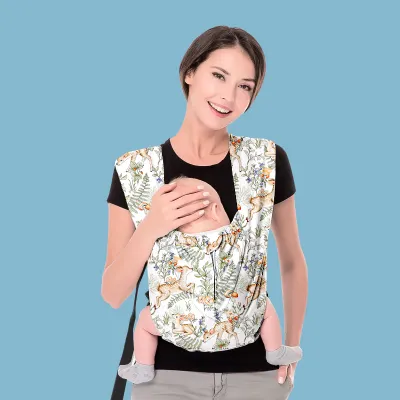
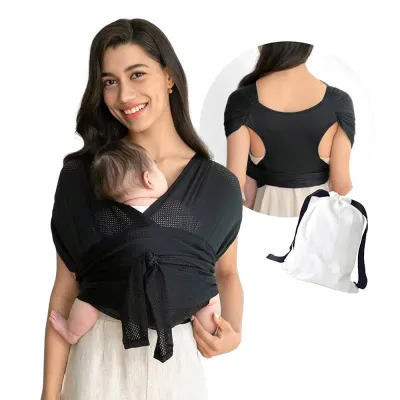
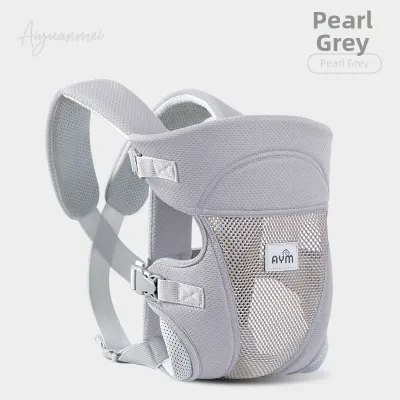

Prices are valid at publication and may change. Please refer to the product page for the latest price.
Finally, evaluate the carrier’s folded dimensions against your specific luggage constraints. If you are traveling with limited baggage allowance, a bulky carrier with a rigid hip seat might take up too much valuable space in your suitcase. Measure your storage options beforehand, considering whether the carrier can double as a wearable item during transit or if it must fit entirely inside your daypack when not in use.
Air Travel: Managing Airports, Security, and In-Flight Rules
Navigating an airport requires a carrier that simplifies security checkpoints and fits easily into tight cabin spaces. Prioritize carriers with compact folding mechanisms or those made from supple fabrics that roll up tightly. When boarding, you must stow the carrier quickly in an overhead bin or under the seat in front of you without blocking the aisle. A carrier that collapses easily prevents unnecessary delays and keeps your hands free to handle boarding passes and carry-on luggage.

Verify specific airline policies regarding baby carrier use before your flight. While carriers are incredibly helpful for walking through the terminal and boarding, most airlines require you to remove your baby from the carrier during taxi, takeoff, and landing for safety reasons. Knowing these rules in advance helps you prepare for quick transitions, allowing you to unbuckle your baby smoothly without causing distress during critical phases of the flight.
Airports and airplane cabins are notorious for fluctuating temperatures, shifting from chilly air conditioning to stuffy, crowded boarding gates. In tropical climates or during long transit days, selecting a carrier made from breathable, moisture-wicking fabrics is essential. Look for designs featuring 3D mesh panels or lightweight linen blends that promote airflow. This prevents both you and your baby from overheating, reducing sweat buildup and keeping your little one comfortable throughout the journey.
Road Trips: Prioritizing Long-Term Comfort and Car Storage
Road trips offer flexibility, but they also involve long stretches of sitting followed by sudden periods of walking during scenic stops. For these journeys, prioritize carriers that feature thick, padded shoulder straps and robust lumbar support. When you step out of the vehicle to stretch your legs or explore a viewpoint, a supportive carrier ensures you can walk comfortably for extended periods without experiencing shoulder pinch or lower back fatigue.
Efficient car storage planning is another key factor for a successful road trip. A bulky carrier rolling around the trunk can get dirty or become buried under heavy suitcases, making it difficult to access during quick roadside stops. Designate a specific, clean spot in your vehicle’s cabin—such as the passenger footwell or a seatback pocket—to keep the carrier within arm’s reach. This allows you to transition your baby from the car seat to the carrier swiftly without unpacking half the car.
Outdoor pit stops also expose your baby to changing weather conditions, especially in warm, sunny regions. Check the carrier’s material properties for integrated sun protection, such as a tuck-away UPF-rated sleeping hood or weather-resistant fabrics. A built-in hood not only shields your baby’s sensitive skin from harsh sunlight during outdoor walks but also provides a shaded, distraction-free environment that encourages on-the-go napping while you stretch your legs.
Public Transit: Optimizing for Agility and Quick Adjustments
Navigating public transit—whether boarding trains, buses, or local jeepneys—demands agility and speed. In these fast-paced environments, minimalist designs with quick-adjust buckles are invaluable. You need to be able to secure your baby and adjust the fit in seconds as you step onto a crowded platform or move through narrow turnstiles. Carriers with complicated wrapping sequences or hard-to-reach back buckles can be frustrating and potentially unsafe when you need to move quickly with the crowd.
For short trips and frequent on-and-off transitions, consider a hip-seat carrier or a quick-adjust crossbody sling. These options allow you to lift your baby in and out of the carrier rapidly without having to adjust multiple straps every time. A hip seat provides a sturdy shelf for your baby to sit on, taking the strain off your arms during brief transfers while allowing your baby to look around and enjoy the bustling urban surroundings.
Additionally, busy transit hubs require you to keep your personal belongings secure and accessible. Look for travel carriers equipped with integrated zippered pockets on the waist belt or panel. These compartments allow you to store essential items like transit cards, keys, and smartphones securely against your body. This setup keeps your hands completely free to hold handrails, carry a diaper bag, or guide older siblings safely through crowded stations.
Cross-Scenario Compatibility: Deciding Between One Versatile Carrier or Multiple
If your travel itinerary includes a mix of flights, road trips, and city transit, you must decide whether a single versatile carrier can handle it all or if you need a dedicated travel set. Modular carriers are an excellent solution for multi-scenario travel. These designs often feature removable parts, such as a zip-off hip seat or convertible panels, allowing you to transition from a fully structured, supportive setup for long walks to a lightweight, compact version for quick transit rides.
When evaluating your options, focus on universal safety features rather than just scenario-specific conveniences. Ensure any carrier you choose has sturdy, double-locking buckles, reinforced stitching, and clear safety certifications visible on the packaging. While a built-in toy ring or pacifier clip is convenient, the structural integrity of the carrier and its ability to maintain your baby’s ergonomic “M-position” (where knees are higher than the hips) must always take priority.
Finally, balance your budget and storage space. High-quality modular carriers can represent a larger upfront investment, often ranging from ₱3,000 to ₱8,000 or more. If your budget is tight, purchasing one highly adjustable, mid-weight soft-structured carrier is often more practical and economical than buying multiple specialized carriers. This single-carrier approach saves precious luggage space, ensuring you only have to pack and maintain one piece of gear throughout your family adventures.
Frequently Asked Questions (FAQ)
At what age or weight can my baby start using a travel carrier?
Always check the specific product label and instruction manual for the minimum weight and developmental requirements of your carrier. Many standard carriers are designed for babies weighing at least 3.2 kilograms, but some models require a separate newborn insert to support smaller infants safely. Beyond weight, look for physical signs of readiness, such as your baby’s ability to hold their head up steadily without assistance. Age milestones are helpful guidelines, but your baby’s physical development and airway safety—ensuring their chin is never pressed against their chest—are the ultimate indicators of readiness.
How should I clean and store my carrier after returning from a trip?
To maintain the structural integrity of your carrier, follow the specific washing and drying symbols on the care tag. Most fabric carriers can be spot-cleaned or machine-washed on a gentle cycle with mild detergent, but avoid harsh bleach or fabric softeners that can degrade the webbing and buckles. After washing, inspect all buckles, seams, and straps for wear, fraying, or trapped debris like sand and dirt. Always air-dry the carrier completely in a well-ventilated, shaded space before storing it in a dry closet to prevent mold and mildew growth, which is especially important in humid tropical climates.

Community discussion
Share your experience or ask a question. Comments are reviewed before publication.