
Carrying a toddler between the ages of 1 and 2 years old is vastly different from carrying a newborn. At this stage, children are rapidly gaining weight, developing motor skills, and expressing a strong desire to explore. Yet, they still tire easily during family outings, crowded market trips, or walks in the neighborhood. A reliable baby carrier remains an indispensable tool, but the lightweight wraps or basic infant carriers that worked during the first few months of life are no longer sufficient. Finding the right carrier for this transitional phase requires focusing on specific structural features that accommodate a heavier, more active child while protecting the caregiver’s body.
Why Toddler Carriers Differ from Infant Models
As babies transition into toddlerhood, their physical proportions and developmental needs undergo a dramatic shift. A typical one-year-old has gained significant muscle tone, has much longer legs, and weighs substantially more than they did as an infant. This rapid growth alters how their weight is distributed across your body, turning what used to be a light load into a physical challenge. Without a carrier designed specifically for this stage, caregivers often experience acute shoulder strain, upper back tension, and lower back fatigue within just a few minutes of use.
The ergonomic requirements for the child also change. An infant’s hips are relatively close together, requiring a narrow seat base to avoid overextending their joints. In contrast, a toddler has longer thigh bones and a wider pelvis. If you continue to use a standard infant carrier, the narrow seat will fail to support their thighs, causing their legs to dangle straight down. This lack of support puts unnecessary pressure on their hip joints and can restrict circulation, leading to discomfort and fussiness.
Products mentioned in this guide
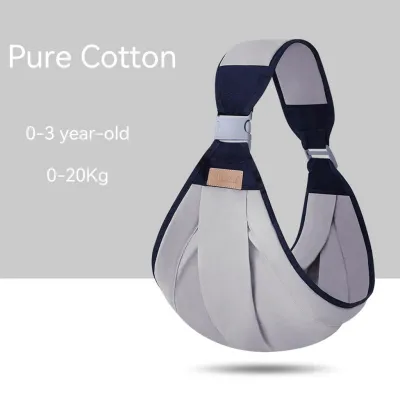
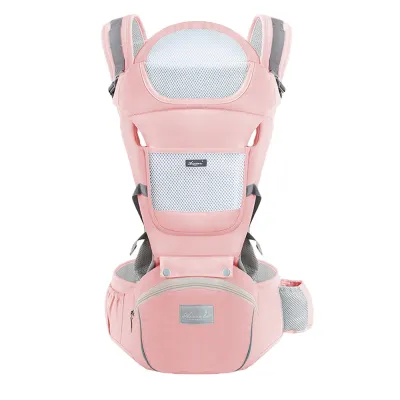
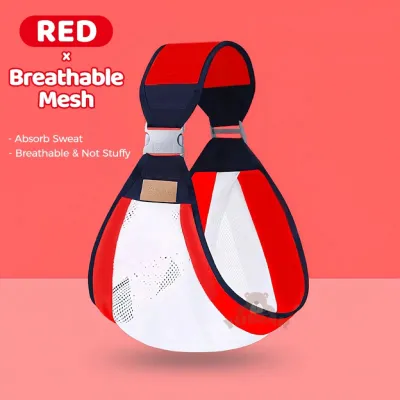

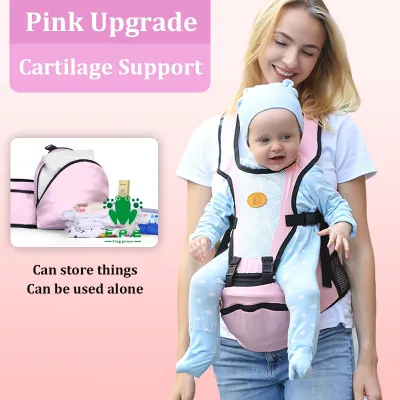
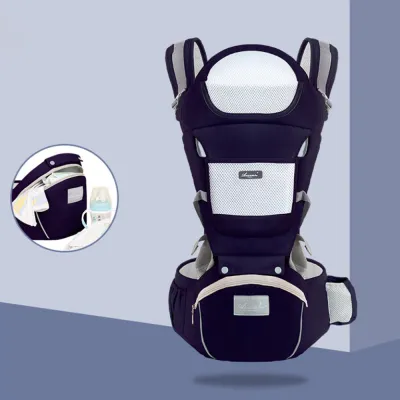
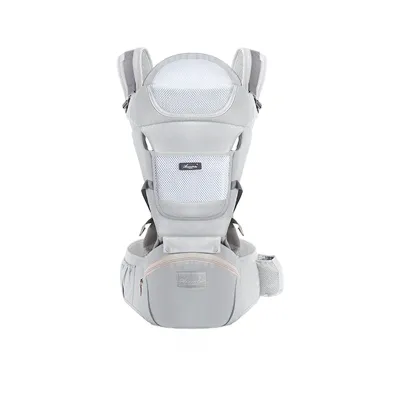
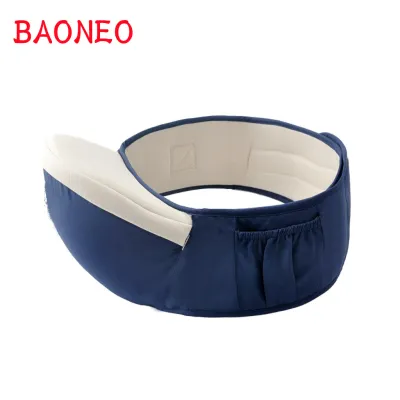
Prices are valid at publication and may change. Please refer to the product page for the latest price.
Furthermore, toddlers are highly active and curious. They no longer sleep for hours on end while being carried; instead, they want to look around, point at objects, and interact with their environment. They also value their independence, frequently demanding to be let down to walk, only to ask to be carried again moments later. A toddler-friendly carrier must accommodate these frequent transitions and offer carrying positions, such as back carrying or hip carrying, that allow the child to see the world while remaining securely supported.
Must-Have Features for Carrying a 1 to 2 Year Old
Selecting a carrier for a toddler requires looking past aesthetic designs and focusing on three core pillars: structural integrity, ergonomic leg support, and caregiver comfort. Many products on the market are labeled with generic terms like “toddler-ready” or “all-in-one,” but these marketing claims must always be verified against actual physical measurements and adjustable features.

In warm and humid climates, such as in the Philippines, fabric selection is another critical factor that directly impacts comfort. Heavy, non-breathable fabrics can quickly cause both the caregiver and the toddler to overheat, leading to skin irritation and general discomfort. Prioritizing carriers with breathable mesh panels, lightweight cotton, or moisture-wicking materials ensures that extended carrying sessions remain pleasant even during warm afternoon outings.
Evaluating Weight Capacity and Structural Limits
The first step in assessing any carrier is to locate the manufacturer’s official product label to verify the maximum weight and height limits. Do not rely on general age recommendations printed on the packaging, as children grow at highly individual rates. A carrier rated “up to 24 months” might not safely support a larger toddler who has already reached the upper weight limit of that specific model.
When inspecting a carrier for a heavier child, pay close attention to the structural components. Examine the buckles to ensure they are made of thick, high-impact plastic that snaps securely into place without slipping. Look for reinforced stitching at high-stress points, such as where the shoulder straps and waistband connect to the main body panel. Double-stitched seams and heavy-duty zippers are essential for preventing structural failure when carrying a child weighing 10 to 15 kilograms or more.
It is also important to understand the difference between a carrier’s maximum weight limit and its comfortable operating range. A carrier may be safety-tested to hold up to 18 kilograms, but its structural design might make carrying a 12-kilogram toddler highly uncomfortable for the wearer. Look for models specifically engineered to distribute heavier loads, rather than infant carriers that have simply been approved for higher weights without any structural upgrades.
Seat Width and Ergonomic Leg Support
To maintain proper hip alignment, a toddler carrier must feature a wide seat panel that supports the child’s legs from knee crease to knee crease. This positioning keeps the hips and knees in an “M” shape, where the knees are slightly higher than the bottom. This ergonomic posture distributes the child’s weight evenly across their thighs and buttocks, reducing pressure on the developing hip joints and spine.
Before purchasing, you can physically measure the carrier’s seat width and compare it to your child’s thigh span. To do this, measure your toddler from the back of one knee, across their bottom, to the back of the other knee while they are sitting comfortably. The carrier’s seat panel should match this measurement closely. Many high-quality toddler carriers offer adjustable seat widths using buttons, snaps, or hook-and-loop fasteners, allowing the seat to expand as your child grows.
Dangling legs are a clear sign that the carrier’s seat is too narrow. If the child’s legs hang straight down, their weight is supported entirely by their crotch, which can cause discomfort and restrict blood flow. Watch for red marks, deep indentations, or chafing on your toddler’s inner thighs after a carrying session, as these indicate that the seat edge is cutting into their skin and requires adjustment or a wider panel.
Caregiver Comfort: Lumbar and Shoulder Support
Carrying a toddler for any length of time requires a carrier that prioritizes the wearer’s spinal health. The most critical feature for caregiver comfort is a wide, heavily padded waistband. This band acts as the primary load-bearing element, transferring the majority of the toddler’s weight from your shoulders and upper back down to your hips and legs, which are much better suited for carrying heavy loads.
Shoulder straps must be thick, dense, and contoured to fit the natural curve of your shoulders. Look for carriers that offer the option to cross the straps over your back in an “X” shape, as this configuration distributes weight more evenly across your upper body than traditional parallel “H” straps. An adjustable sternum strap is also essential for keeping the shoulder straps from slipping outward, especially when you are moving actively.
A built-in lumbar support pad is another invaluable feature for preventing lower back strain. This structured pad sits against your lower back (or your chest when back carrying), filling the natural curve of your spine and preventing the waistband from digging into your skin. This support is particularly beneficial during long walks, grocery shopping trips, or when navigating uneven sidewalks and stairs.
Matching Carrier Styles to Your Daily Routine
The best carrier style for your family depends heavily on your daily activities, lifestyle, and how your toddler behaves. Soft-structured carriers (SSCs) are the most versatile option for everyday use. They offer excellent support for long walks, afternoon naps, and extended carrying sessions. Many modern SSCs feature zip-down panels that reveal breathable 3D mesh, making them ideal for handling high humidity and keeping both you and your child cool during outdoor errands.
For quick trips, running errands, or navigating crowded local markets, a hip seat carrier is highly practical. These carriers feature a structured, padded shelf that sits on your hip, supported by a wide waistband. The toddler sits on the shelf, allowing you to support them with one arm while keeping them close. This style is perfect for toddlers who constantly want to transition between walking independently and being held, as it eliminates the need to repeatedly strap them in and out of a full harness.
Lightweight wrap-hybrids or compact fabric carriers are excellent for travel or keeping in your diaper bag as a backup. While they may lack the heavy-duty lumbar support of a structured carrier, their packability makes them convenient for quick transitions at the airport or short walks. However, they are generally less comfortable for carrying heavier toddlers over long distances.
If your family enjoys outdoor activities, nature trails, or hiking, a framed hiking carrier is a specialized option worth considering. These carriers feature a rigid metal frame that keeps the child positioned high on your back, providing excellent ventilation and weight distribution. When choosing a framed carrier, always verify the base weight of the frame itself, ensure it includes a reliable sun hood to protect your toddler from intense tropical sunlight, and check that the safety harness is fully adjustable.
How to Build and Verify Your Toddler Carrier Shortlist
To find the perfect carrier, start by creating a personalized checklist of non-negotiable features based on your child’s current measurements and your own physical needs. Consider who will be using the carrier most frequently. If multiple caregivers of different heights and body types will share the carrier, prioritize models with highly adjustable straps and waistbands that can be resized quickly without complex re-threading.
Whenever possible, visit a local baby boutique or specialty store to test different models in person. Testing a carrier with your toddler inside is the most reliable way to evaluate the fit, weight distribution, and ease of use. If physical stores are not accessible, look for reputable online marketplaces that offer flexible return policies, allowing you to perform a thorough fit check at home before committing to the purchase.
When testing a carrier, practice adjusting the straps and buckles independently. You should be able to tighten the waistband, secure the chest clip, and adjust the shoulder straps without needing assistance from another person. Pay attention to how easy it is to place your toddler into the carrier and take them out safely, especially when using the back-carry position.
Safety Boundaries and Signs It Is Time to Upgrade
Regardless of the carrier style you choose, safety must always remain your top priority. Perform routine safety checks every time you secure your toddler in the carrier. Ensure their airway is completely clear, with their chin off their chest and their face fully visible to you at all times. The fabric should support their back in a gentle, natural curve without slumping, which can compromise their breathing.
Be vigilant for physical signs that your child has outgrown their current carrier. If the seat panel no longer extends close to the back of their knees, or if their knees are dangling significantly lower than their hips, the carrier is no longer providing ergonomic support. Additionally, if the back panel of the carrier does not reach at least up to your toddler’s mid-back or underarms, they may lean back too far, creating a fall hazard.
Do not ignore your own body’s warning signs. If you experience persistent lower back pain, shoulder numbness, neck tension, or deep red marks on your hips after carrying your toddler, the carrier is either adjusted incorrectly or is no longer capable of supporting your child’s weight. When these signs appear, it is time to stop using the carrier and transition to a dedicated toddler model designed for heavier weight ranges.
Frequently Asked Questions (FAQ)
Can I still use my infant carrier for a 1 to 2 year old?
You can continue to use your infant carrier only if your toddler’s weight and height fall safely within the manufacturer’s specified limits printed on the product label. However, you must also observe how your child fits in the seat. If the seat panel is too narrow to support their thighs from knee to knee, or if you experience back and shoulder pain due to a lack of structured lumbar support, it is time to transition to a carrier designed specifically for toddlers.
Is back carrying safe for a 1 year old?
Yes, back carrying is generally safe and highly comfortable for a one-year-old, provided the child has excellent head and neck control and can sit unassisted for extended periods. Before attempting a back carry, always consult your carrier’s instruction manual to verify the minimum age, weight, and developmental requirements for this position. It is also crucial to practice loading and unloading your child safely, ideally over a soft surface like a bed or with the help of another adult until you feel completely confident.
How do I know if my toddler has outgrown their carrier?
Your toddler has outgrown their carrier if their weight or height exceeds the manufacturer’s maximum limits, or if the seat panel no longer supports their legs from knee to knee, causing them to dangle straight down. Another critical indicator is the height of the back panel; if it falls below their mid-back, it no longer provides safe support against tipping. Finally, if the carrier causes you persistent physical discomfort or pain, it is a clear sign that the system is no longer distributing your child’s weight effectively.

Community discussion
Share your experience or ask a question. Comments are reviewed before publication.