
The best baby bottle storage boxes during the weaning transition are those that offer adjustable or removable peg layouts, dedicated small-parts compartments, and ventilated dust covers. As your baby transitions from milk bottles to training cups, sippy cups, and straw cups, your storage needs shift from holding uniform, narrow bottles to accommodating wider, shorter containers with multiple small accessories. A versatile weaning storage box must prevent moisture retention—which is especially crucial in the humid Philippine climate—while keeping diverse tableware organized and protected from household pests.
Why the Weaning Transition Changes Your Storage Needs
Transitioning your baby from exclusive breastfeeding or bottle-feeding to solid foods and cup drinking is a major developmental milestone that typically begins around six months of age. This transition introduces a massive variety of new tableware into your daily routine. You are no longer simply washing and storing standard four-ounce or eight-ounce baby bottles. Instead, your kitchen counter is suddenly flooded with wide-neck training cups, weighted straw bottles, sippy cups with bulky dual handles, and small toddler bowls.
Traditional baby bottle storage boxes are designed with uniform, tall, fixed pegs. While these work exceptionally well for slender milk bottles, they fail to accommodate the varied shapes of weaning gear. A wide-base training cup will often collide with adjacent pegs, reducing your total storage capacity, or sit awkwardly tilted, risking tips and spills. Shorter cups also leave a lot of wasted vertical space, while their wide profiles crowd out other essential items on the rack.
Products mentioned in this guide
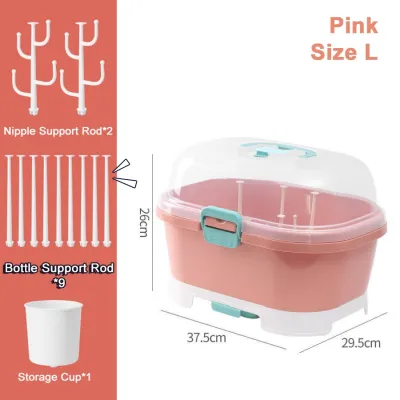
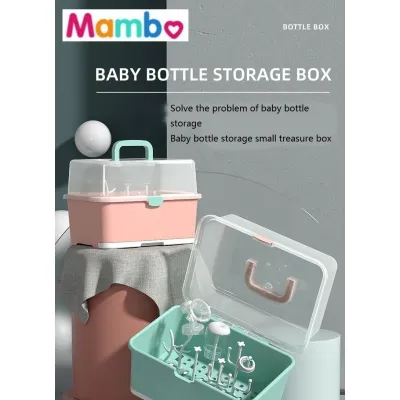
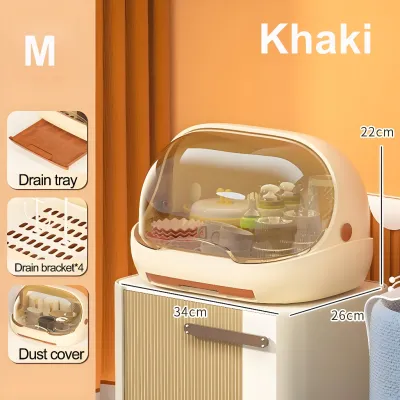
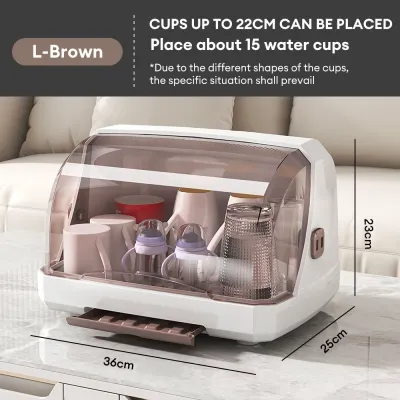
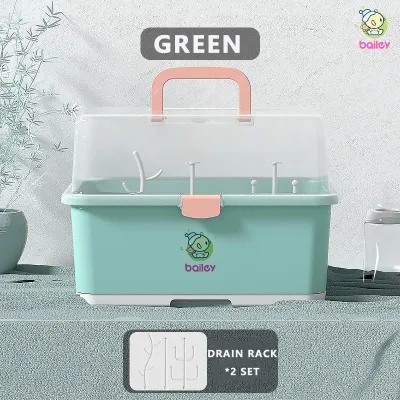
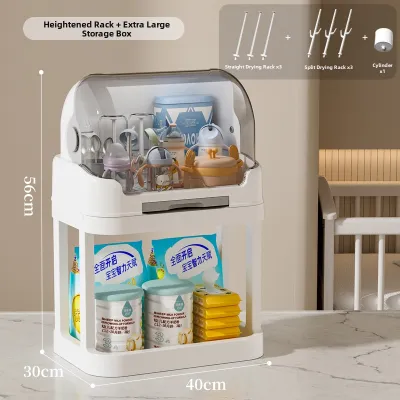
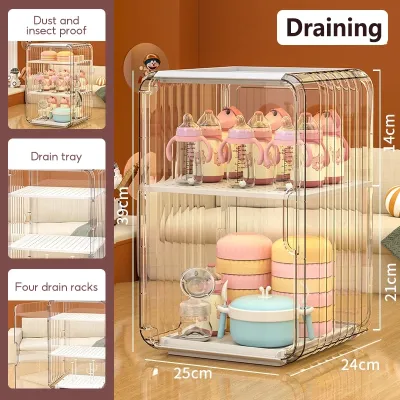
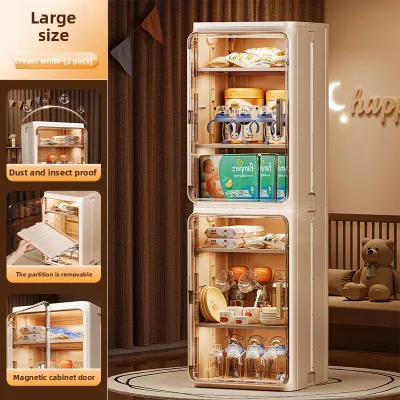
Prices are valid at publication and may change. Please refer to the product page for the latest price.
Weaning accessories are also notorious for having numerous small, easily lost components. A single transition cup can consist of a lid, a collar, a silicone gravity straw, a weighted ball, a spill-proof valve, and a removable handle ring. If these small parts are tossed loosely into a standard box, they easily slide into corners, block drainage holes, or remain damp for extended periods. Inadequate drying of silicone straws and valves creates a perfect breeding ground for black mold, which is extremely difficult to clean and poses health risks to your baby.
During this transitional phase, your storage solution must act as both a drying center and a hygienic holding zone. It must adapt to the rapidly changing shapes of your baby’s tableware, facilitate complete air-drying, and protect the clean items from dust, insects, and kitchen grease. Finding a box that balances these needs ensures your child’s transition to cups remains safe and organized.
Key Features to Look for in a Weaning-Stage Storage Box
Evaluating storage boxes requires looking beyond basic aesthetics to find features that actively support a mix of bottles and training cups. The right design will save you time, reduce clutter, and maintain a high standard of hygiene in your kitchen.

Adjustable Pegs for Mixed Bottle and Cup Heights
Traditional fixed-peg drying racks and boxes lack the flexibility required for weaning gear. When a peg is permanently molded into the base, you are locked into a specific spacing. Wide-neck cups or training mugs with integrated handles require extra lateral space. If the pegs are too close together, you will find yourself only able to use every other peg, cutting your storage capacity in half.
To solve this, look for storage boxes featuring removable or adjustable pegs. These systems allow you to pull out pegs to create open, flat areas for wide bowls and training cups, or rearrange them to fit a mix of tall bottles and short cups. Multi-height pegs are also highly beneficial, as they support different container depths without letting the rims touch the wet bottom tray.
Before buying, verify the internal base dimensions of the storage box. Ensure there is enough flat surface area to accommodate wider cups sitting completely upright. A stable, flat position is crucial because tilted cups can trap water inside their rims, preventing proper drainage and extending drying times.
Dust Covers with Adequate Ventilation
In tropical environments like the Philippines, keeping baby gear covered is highly recommended. Airborne dust, kitchen grease, and common household pests such as ants, flies, and cockroaches can easily contaminate clean, sterilized feeding utensils. A sturdy, clear dust cover provides a physical barrier that keeps tableware pristine until the next feeding.
However, a completely airtight cover is a major hazard for damp items. If you place washed, wet cups inside a sealed plastic box, the trapped moisture creates a microclimate of high humidity. In warm weather, this leads to rapid bacterial multiplication and mold growth within hours. You may notice a musty odor or black spots forming on silicone valves and straws.
Therefore, prioritize storage boxes that feature built-in ventilation slots, adjustable air vents, or a semi-open cover design that encourages continuous airflow. The ventilation must be designed to let moisture escape while still preventing insects from entering. Look for covers that are fully detachable; this makes it much easier to wash away any dust or water spots that accumulate on the interior surfaces over time.
Separate Compartments for Straws and Valves
The sheer number of tiny parts associated with weaning cups can quickly overwhelm a standard storage box. Silicone straws, anti-leak valves, sealing rings, and travel caps are easily misplaced during the washing and drying process. When left loose, they can block the drainage of larger bottles or fall through the bottom grates of the rack.
A high-quality weaning storage box should include a dedicated small-parts tray, a removable utensil basket, or specialized short pegs designed specifically for collars and valves. Keeping these delicate silicone components elevated and separated from heavy cups prevents them from being crushed or deformed, which could compromise their spill-proof seals.
Separation also minimizes the risk of cross-contamination. When wet parts are stacked directly on top of each other, water gets trapped in the contact points. Dedicated compartments ensure that air circulates freely around every tiny valve and straw, allowing them to dry completely and quickly.
Types of Storage Solutions to Consider for Mixed Gear
Different households have different kitchen layouts, space constraints, and daily routines. Understanding the main categories of storage solutions will help you select the one that fits your lifestyle.
Countertop Drying Racks with Enclosed Storage
These are all-in-one systems featuring a slotted drying platform, a collection tray underneath for excess water, and a hard, transparent plastic dome cover. They are designed to sit permanently on your kitchen counter, serving as the primary station for washing, drying, and storing your baby’s daily-use gear.
This type is best suited for families who wash bottles and weaning cups frequently throughout the day and need immediate, convenient access. Because everything is visible through the clear cover, you can easily see which cups are dry and ready for use.
When evaluating these units, pay close attention to the drip tray design. It should be a pull-out drawer or an easily detachable base so you can dump out stagnant water without disturbing the drying items above. Stagnant water sitting in a tray under tropical heat quickly becomes slimy and emits unpleasant odors. Also, measure your counter space and cabinet clearance beforehand, as these enclosed boxes can have a relatively large vertical footprint.
Portable Zippered Cases for Travel and Small Spaces
Portable storage cases are typically semi-rigid or soft-sided bags equipped with zippered closures, water-resistant interior linings, and sometimes removable internal pegs or elastic loops to secure bottles and cups. They are designed to keep feeding gear clean and organized when you are away from home.
This solution is ideal for taking weaning gear to a caregiver’s house, packing for family trips, or storing extra cups inside kitchen cabinets when counter space is extremely limited. They offer a compact way to keep a small selection of items protected from dust.
A critical safety check for zippered cases is moisture control. Because these cases lack active ventilation, you must ensure that all bottles, training cups, and straws are 100% dry before zipping them inside. Storing even slightly damp items in a closed, dark zippered bag will inevitably lead to mold and mildew. Look for cases with wipeable, food-grade linings that can be easily sanitized and dried.
Stackable Bins for Cabinet Organization
Stackable bins are modular, hard plastic containers designed to be stored inside kitchen cabinets or pantry shelves. They often feature ventilated lids or open-front designs, allowing you to stack multiple units vertically to maximize cabinet space.
This setup is best for families who have already air-dried their weaning gear on an open rack and need a systematic way to store a large inventory of cups, spare parts, and toddler plates out of sight. It keeps your kitchen counters completely clear while keeping the gear organized by type or developmental stage.
When purchasing stackable bins, look for models with secure latches to prevent the bins from sliding or tipping when stacked. Clear plastic fronts or customizable labels are highly beneficial, as they allow you to quickly identify specific cup parts or straw assemblies without having to unstack and open every single bin.
Hygiene and Safety Checks Before Purchasing
To ensure your selected storage box remains a safe environment for your baby’s tableware, you must establish proper verification and maintenance habits.
- Material Verification: Always prioritize your baby's health by verifying the chemical safety of the storage box materials. Look directly at the product packaging, user manual, or manufacturer specifications for explicit "BPA-free," "PVC-free," and "phthalate-free" declarations. Do not rely solely on vague online product titles or promotional descriptions, which can sometimes be misleading. Since these boxes hold items that go directly into your baby's mouth, ensuring the plastic is food-grade and non-toxic is a fundamental safety step.
- Cleaning the Storage Box: A storage box cannot keep baby gear hygienic if the box itself is dirty. Over time, dust, mineral deposits from tap water, and residual moisture will collect in the corners and drip trays. Establish a weekly routine to clean the storage box. Disassemble all parts, including pegs and trays, and wash them thoroughly with mild baby-safe dish soap and warm water. Wipe the exterior and cover with a clean, damp cloth. Always allow every component of the storage box to air-dry completely in a well-ventilated area before reassembling it.
- When to Replace: Regularly inspect the plastic components of your storage box for signs of wear and tear. If you notice deep scratches, persistent cloudiness, warping, or odors that do not go away after a thorough washing, it is time to replace the unit. Micro-scratches in plastic are highly problematic because they can harbor bacteria and mold spores that standard washing cannot reach, potentially contaminating your clean weaning cups.
- Safety Boundary: It is vital to remember that a baby bottle storage box is designed solely for holding and drying clean items; it does not sterilize them. Always follow the manufacturer's specific sterilization instructions for your bottles, training cups, and silicone straws—whether using steam, boiling water, or UV sterilizers—before placing them inside the storage box. If you ever notice persistent mold growth on silicone parts or if your baby experiences unexplained digestive issues, stop using the affected gear immediately and consult a pediatrician or qualified healthcare professional.
Frequently Asked Questions (FAQ)
Can I use a standard kitchen airtight container for baby bottles and training cups?
No, using a standard kitchen airtight container is not recommended for storing baby bottles and training cups. These containers are designed to seal in moisture and air to keep food fresh, which is the exact opposite of what wet or damp baby gear needs. Without ventilation, any residual water droplets on the cups or straws will be trapped inside, creating a warm, damp environment that rapidly promotes the growth of bacteria and mold. Furthermore, standard household containers often lack internal drying racks or pegs, meaning the rims of the cups will sit directly in pooled water. They may also not be certified to the same strict chemical safety standards required for infant feeding products.
How do I prevent mold inside the storage box in a humid climate?
Preventing mold in highly humid climates requires strict moisture management. First, never place completely wet items directly into a closed storage box; allow them to air-dry on an open rack first, or ensure your storage box has excellent active ventilation. Second, empty and wash the drip tray daily to prevent stagnant water from pooling at the bottom. Third, position your storage box in a well-ventilated, dry area of your kitchen, away from the sink or cooking steam. Finally, leave the cover of the storage box slightly ajar during periods of extreme humidity to maximize airflow, and clean the entire box weekly with warm, soapy water, ensuring it dries completely before reuse.
Community discussion
Share your experience or ask a question. Comments are reviewed before publication.