
When caring for a baby in a warm, humid tropical climate, diaper changes are frequent, and the risk of skin irritation is naturally elevated. Choosing between Choice wipes and other popular brands is not about finding a single universal winner, but rather matching the specific formulation of a wipe to your baby’s unique skin tolerance. Because baby skin is significantly thinner and more permeable than adult skin, even minor differences in ingredients or material texture can trigger redness, dryness, or contact dermatitis.
To make an informed decision, you must look past marketing slogans and focus on verifiable packaging details, physical performance, and systematic home testing. This guide provides a structured framework to evaluate Choice wipes against market alternatives, helping you verify claims, conduct safe skin tests, and make a confident, condition-based purchasing decision.
Key Factors for Evaluating Sensitive Skin Wipes
Establishing a reliable checklist is the first step in assessing whether any wipe brand is genuinely suitable for reactive or delicate skin. Parents must learn to read the ingredient list on the back of the package rather than relying solely on front-panel marketing. Many common wipes contain hidden irritants that can compromise the skin barrier, especially in humid environments where sweat and friction already cause vulnerability.
Products mentioned in this guide
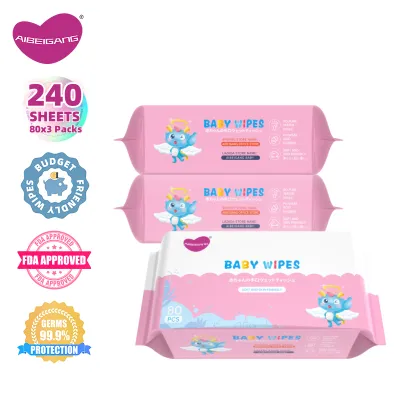
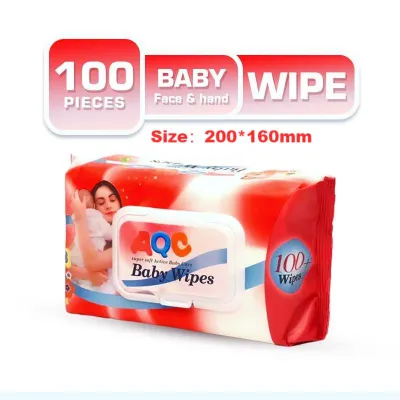
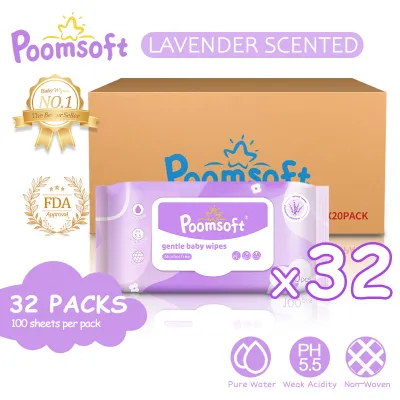
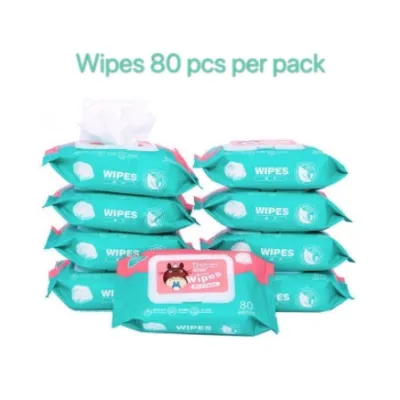
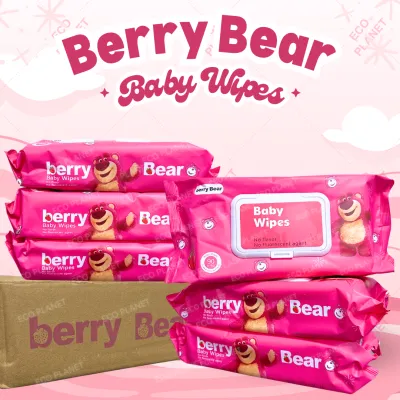

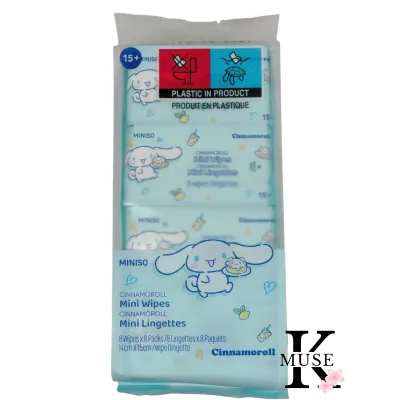
Prices are valid at publication and may change. Please refer to the product page for the latest price.
When reading ingredient lists, look out for alcohol, synthetic fragrances, and harsh preservatives. Alcohol, often listed as isopropyl alcohol or ethanol, strips natural oils and dries out the skin. Synthetic fragrances, which may be labeled simply as “parfum” or “fragrance,” are among the leading causes of allergic contact dermatitis in infants. Additionally, certain harsh preservatives should be avoided in favor of gentler, food-grade alternatives that prevent bacterial growth without causing chemical burns.
It is also crucial to understand the difference between unregulated marketing claims and verifiable testing. The term “hypoallergenic” is not a strictly defined medical standard; any manufacturer can use it to suggest a lower likelihood of allergic reactions. To verify these claims, look for specific, independent certifications or explicit statements on the packaging indicating that the product has undergone dermatological testing under clinical supervision.
Beyond chemical ingredients, the physical properties of the wipe play a massive role in skin health. A wipe that is too thin or rough requires more physical swipes to clean a soiled area, creating mechanical friction that damages the delicate outer layer of the skin. High-quality sensitive wipes should have a soft, embossed, or textured surface that lifts waste efficiently in a single pass, combined with balanced moisture retention so the wipe does not dry out mid-use.
Assessing Choice Wipes for Delicate Skin Needs
To evaluate Choice wipes effectively, start by inspecting the packaging of the specific variant you intend to purchase. Formulations can vary widely between different product lines under the same brand. Some variants may contain added moisturizers, botanical extracts, or mild scents, while others are designed to be completely fragrance-free. Always turn the pack over and read the ingredient panel directly to ensure it aligns with your baby’s skin needs.

Next, observe the physical performance of the wipe during actual daily use. Take note of how well a single sheet holds up under pressure. A durable wipe prevents your hands from coming into contact with waste, which is crucial for hygiene. Additionally, check the moisture level of the wipe from the top of the pack to the very bottom; uneven moisture distribution can lead to dry, abrasive sheets at the top and oversaturated, dripping sheets at the bottom.
Finally, establish clear stop-use conditions to protect your baby’s skin from prolonged exposure to an incompatible product. If you notice localized redness, small bumps, dry patches, or if your baby flinches or cries during wiping, these are immediate signs of skin distress. In a tropical climate, trapped moisture from a wipe that does not dry quickly can also contribute to heat rash. If any of these signs appear, stop using the wipes immediately and switch to plain water and a soft cotton cloth while the skin heals.
Comparing Choice Wipes With Competing Brands
When comparing Choice wipes to other popular options available in local pharmacies and online marketplaces, start with ingredient simplicity. The ideal sensitive wipe has a minimal ingredient list, often consisting of over 99% purified water and a tiny fraction of mild preservatives or skin-conditioning agents. Compare the ingredient lists side-by-side to see which brand minimizes unnecessary chemical additives.
Evaluate the cost-to-performance ratio by calculating the cost per wipe. You can do this by dividing the total price of the pack (in ₱) by the number of sheets included. However, a lower price per sheet can be misleading if the wipe is so thin that you need to use three or four sheets per change. A slightly more expensive, thicker wipe that cleans effectively with just one sheet is often more economical and gentler on the skin over time.
Recognize scenarios where a competing brand’s specific material might better address unique skin triggers. Some alternative brands offer specialized materials, such as biodegradable plant-based fibers like bamboo or organic cotton, which may offer superior softness compared to standard synthetic blends. If your baby has highly reactive skin, these alternative materials can reduce friction-induced irritation, making them a worthwhile consideration even if they carry a premium price tag.
Safe Testing and Transitioning Protocols
Before introducing any new wipe brand—including Choice wipes—to your baby’s entire diaper area or face, perform a localized patch test. Select a small, healthy patch of skin, such as the inner forearm or the upper thigh. Gently wipe this area with a fresh sheet from the new pack and allow the skin to dry naturally. Do not apply any creams, lotions, or oils to this test area during the evaluation period.
Monitor the test area closely over a 24- to 48-hour observation window. Look for visual signs of irritation, such as redness, swelling, tiny raised bumps, or dry, flaky patches. Pay attention to behavioral cues as well; if your baby scratches the test area or shows signs of discomfort when it is touched, it indicates a mild allergic or irritant reaction that makes the product unsuitable for full-body use.
If a reaction occurs during or after the observation period, discontinue the test immediately. For mild redness, keeping the area clean and dry is usually sufficient for recovery. However, if the reaction is severe, spreads beyond the test site, develops blisters, or does not improve within a few days, consult a pediatrician or a qualified dermatologist to obtain an accurate diagnosis and appropriate treatment plan.
Final Decision Framework: Which Wipe Fits Your Baby?
To finalize your purchasing choice, use a conditional decision matrix based on your baby’s specific skin profile and your verification results.
Choose Choice Wipes if:
- The verified ingredient list on the specific pack is free from your baby's known skin triggers.
- The cost per wipe fits comfortably within your household budget.
- Your baby successfully passes the 48-hour localized patch test without any signs of irritation.
Choose an alternative brand if:
- Your baby has extremely reactive skin that requires a highly specialized, ultra-minimalist formulation, such as a 99% water-only wipe.
- Your baby's skin responds better to a specific plant-based material that is not offered in the Choice wipes variant available to you.
Verify first with a healthcare professional before introducing or continuing any commercial wet wipe if your baby has a diagnosed skin condition, such as eczema or severe contact dermatitis. In these cases, specialized medical-grade cleansing routines or prescribed topical treatments may be required to keep the skin barrier healthy and intact.

Community discussion
Share your experience or ask a question. Comments are reviewed before publication.