
Finding the best child safety door fence for your home in the Philippines requires looking beyond generic recommendations and focusing on your specific living space. Because local homes feature a wide variety of layouts—ranging from open-plan condominiums to multi-story houses with concrete walls and wooden staircases—the ideal safety gate is one that matches your structural environment and your child’s developmental stage. A gate that works perfectly for a flat hallway on the ground floor can pose a severe hazard if installed incorrectly at the top of a flight of stairs.
To secure your home effectively, you must evaluate the installation method, locking mechanisms, and material durability of the options available on online marketplaces and in local baby specialty stores. Rather than relying on a single brand, the most reliable approach is to understand the distinct categories of safety gates—such as pressure-mounted, hardware-mounted, retractable mesh, and extra-wide configurations—and verify their specifications against your home’s measurements. This guide provides a comprehensive framework to help you assess your space, identify critical safety features, compare gate types, and execute a secure installation that keeps your curious toddler safe.
Assessing Your Space and Installation Needs
Before you begin browsing online listings or visiting physical baby boutiques, you must conduct a thorough assessment of the physical spaces where you plan to install a child safety door fence. Accurate measurements are the foundation of a secure installation, as even a minor discrepancy of a few millimeters can prevent a gate from locking correctly or cause a pressure gate to slip out of place. Use a metal measuring tape and measure the width of the opening at three distinct points: the floor level, the middle (around 50 to 60 centimeters high), and the top of where the gate will stand (typically around 75 to 80 centimeters high).
Products mentioned in this guide
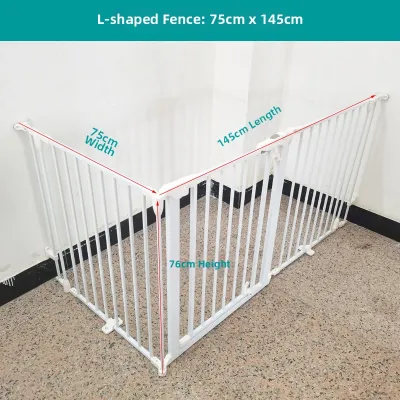
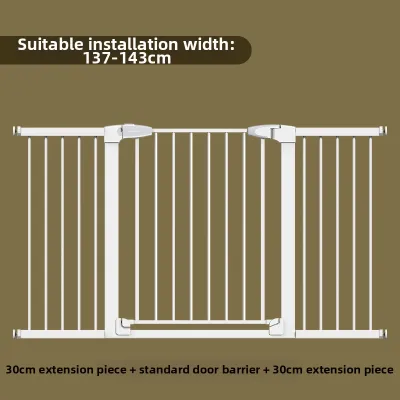
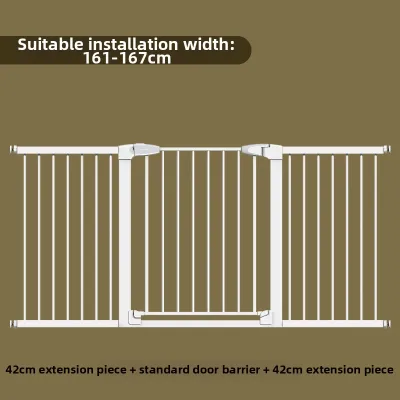
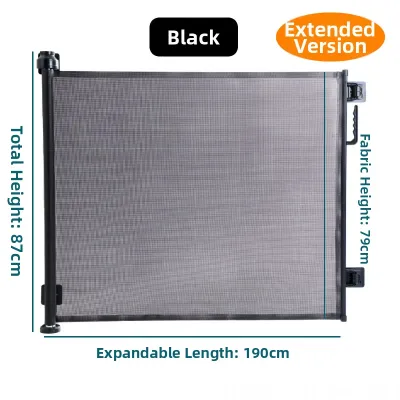
Prices are valid at publication and may change. Please refer to the product page for the latest price.
Measuring at multiple heights is crucial because walls, door frames, and baseboards in many homes are rarely perfectly vertical or parallel. Baseboards or decorative trim at the bottom of a doorway can narrow the opening significantly, requiring you to purchase a gate with adjustable tension bolts or specialized wall spacers. If your measurements vary across the three points, always use the narrowest width as your primary guide when checking gate compatibility, while ensuring the gate’s adjustment range can expand to secure the widest point.
The structural material of your walls and door frames dictates the type of mounting system you can safely use. In the Philippines, many residential walls are constructed from solid concrete, hollow blocks with plaster, or drywall over metal studs, while door frames are often made of solid wood or aluminum. Hardware-mounted gates, which require drilling screws into the wall, provide the highest level of security but demand appropriate anchors. For concrete walls, you will need a masonry drill bit and plastic wall plugs to ensure screws hold firmly. For drywall, locate the wooden studs or use heavy-duty toggle bolts, as standard screws can easily pull out if a child climbs or leans heavily on the gate.
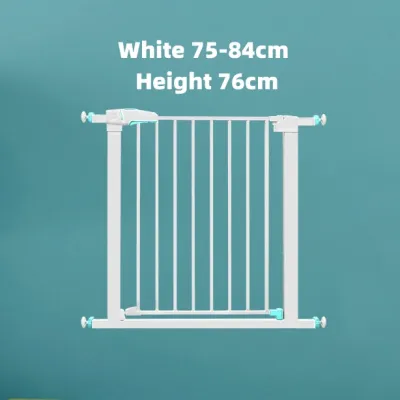
Identifying high-risk zones within your home is the next step in determining your installation strategy. The top of a staircase is a critical high-risk zone where a falling hazard exists; in this location, you must strictly use a hardware-mounted gate that is physically screwed into the wall or wooden banister. Pressure-mounted gates, which rely solely on friction and tension, must never be used at the top of stairs, as a child pushing with force can dislodge the entire unit, leading to a dangerous fall. Conversely, flat doorways, hallways, and the bottom of staircases are suitable for pressure-mounted gates, provided the surrounding walls are sturdy enough to withstand the outward tension without bowing or cracking.
Key Safety Features to Look For
When evaluating child safety door fences, you must look past aesthetic designs and focus on the engineering features that prevent accidents. The locking mechanism is the most critical component of any safety gate, as it must be complex enough to baffle an inquisitive toddler while remaining manageable for an adult. Prioritize gates that feature a dual-action or child-resistant lock, which typically requires two distinct, simultaneous motions to open—such as sliding a button with your thumb while lifting the gate handle. This design ensures that even if a child observes you opening the gate, they lack the hand span, coordination, or finger strength to replicate the action.

For busy parents and caregivers, one-handed operation is a highly practical feature, allowing you to open and close the gate easily while carrying a baby, a diaper bag, or a laundry basket. Look for gates equipped with an auto-close feature, which uses gravity or spring-loaded hinges to swing the gate shut and lock it automatically behind you. Additionally, if you are installing a gate near stairs or in a high-traffic hallway, verify that the gate has a one-way swing limiter. This mechanism prevents the gate from swinging outward over a staircase drop-off, ensuring it only opens toward the safe landing area.
Inspect the structural integrity of the gate’s materials to prevent physical injuries. Whether the gate is made of metal, wood, or plastic, the vertical slats must be spaced no more than 6 centimeters apart to prevent a child’s head, neck, or limbs from becoming trapped. Run your hands along the frame to check for sharp edges, splinters, or exposed metal burrs. Examine the hinge and latch areas to ensure there are no pinch points where small fingers could get caught.
Finally, always locate and verify the manufacturer’s stated specifications regarding age, weight, and height limits before making a purchase. Most standard child safety gates are designed for children between the ages of 6 months and 24 months, or until the child’s chin reaches the top of the gate when standing. Once a child learns how to climb over the gate or reaches a weight that compromises the gate’s structural stability, the fence must be removed immediately to prevent climbing-related falls. Look for safety standard compliance labels on the packaging, such as ASTM F1004 in the United States or EN 1930 in Europe, which indicate the product has undergone rigorous testing for impact resistance, latch durability, and material safety.
Comparing Common Types of Door Fences
Understanding the differences between the common types of child safety door fences allows you to select the most appropriate option for your home’s layout and your family’s lifestyle. Pressure-mounted gates are highly popular among renters and families who prefer not to drill holes into their walls or wooden door frames. These gates operate by expanding outward against the sides of an opening, using rubber-coated tension pads to grip the wall surface. While they are incredibly convenient to install, move, and remove without leaving permanent marks, they have inherent stability limitations. Active toddlers who pull, push, or shake the gate vigorously can gradually loosen the tension, making it essential to check the tightness of the pressure pads daily.
Hardware-mounted gates represent the gold standard for structural security and are essential for high-risk areas like the top of staircases. Physically screwed into wall studs, door frames, or wooden banisters, they withstand significant impact without budging. They also lack the bottom threshold bar found on pressure-mounted gates, which eliminates a major tripping hazard. Hardware-mounted models swing completely open from wall to wall, leaving the walkway clear. The primary trade-off is the permanent installation process, which requires drilling and leaves holes that must be patched and repainted later.
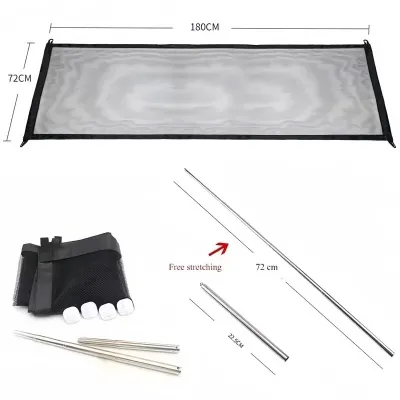
Retractable mesh gates offer a modern, space-saving alternative that is particularly well-suited for narrow hallways, awkward angles, or high-traffic areas where a swinging door would block the path. These gates consist of a durable, flexible mesh screen that rolls up into a slim vertical housing when opened, leaving the walkway completely unobstructed. When closed, the mesh is pulled across the opening and hooked into wall-mounted brackets. While highly convenient, you must carefully verify the quality of the mesh material and the strength of the locking mechanism. High-quality retractable gates feature a claw-proof, scratch-resistant mesh that does not sag or stretch over time, as a loose mesh screen can allow a determined toddler to crawl underneath or push their way through.
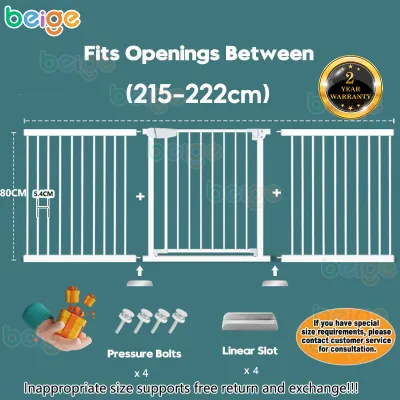
For open-plan living rooms, wide archways, or irregular spaces where standard-sized gates cannot reach, extra-wide or freestanding configurations are the ideal solution. These modular systems consist of multiple interlocking panels that can be angled to partition off large areas, such as enclosing a play zone or blocking access to a television console, a home office setup, or a kitchen entrance. Many of these systems include a walk-through gate panel so adults can move in and out easily. When using extra-wide configurations, ensure the panels are securely locked into their angled positions and, if possible, anchored to the walls at both ends to prevent the entire structure from tipping over if a child leans against it.
Where to Buy and What to Verify Before Checkout
When shopping for a child safety door fence in the Philippines, navigating online marketplaces and physical retail stores requires a cautious, systematic approach to ensure you receive a genuine, high-quality product. E-commerce platforms offer a vast array of options, but they also host unverified third-party sellers offering low-cost, substandard imitations that may fail under pressure. To protect your child, prioritize purchasing from official brand stores, authorized distributors, or highly rated specialty baby retailers. These sellers are more likely to provide authentic products that comply with international safety standards and offer reliable customer support if you encounter issues during installation.
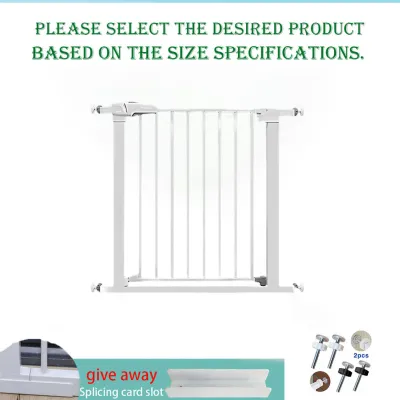
Before checking out, scrutinize the product description and specifications. Do not rely solely on product images, which can be misleading regarding scale. Verify the exact minimum and maximum width ranges of the gate, and check whether the package includes the necessary hardware kits, tension bolts, or wall cups. If your doorway is wider than the standard gate size, check if the seller offers compatible, brand-specific extension pieces. Mixing extensions from different brands is highly discouraged, as minor differences in connector shapes can compromise structural integrity.
Buyer reviews and ratings provide invaluable real-world insights into the performance and durability of the safety gate you are considering. Look past the overall star rating and read the detailed written reviews, paying close attention to feedback from parents who have used the product for several months. Look for recurring complaints regarding missing installation parts, fragile plastic components, lock failures, or flimsy materials that bend easily. If multiple reviews mention that the gate is difficult to align, slips frequently on concrete walls, or that the auto-close mechanism stopped working after a few weeks, it is wise to steer clear and consider alternative options.
Finally, confirm the seller’s return, exchange, and warranty policies before finalizing your purchase. Because minor measurement errors can happen, or you might discover that your walls are too uneven for a specific pressure gate, having a flexible return policy is essential. Ensure the seller allows exchanges or refunds for items that do not fit, provided they are returned in their original packaging with all components intact. Additionally, check if the product comes with a manufacturer’s warranty against defects, which gives you recourse if a critical safety component, such as the locking latch or hinge, fails prematurely during normal use.
Safe Installation and Daily Use Practices
An excellent child safety door fence is only as effective as its installation and daily maintenance. When setting up your gate, you must follow the manufacturer’s instruction manual strictly, paying close attention to specific torque settings, spacing requirements, and hardware placement. Avoid relying on general assumptions or skipping steps, such as omitting the wall cups provided with pressure-mounted gates. These small plastic cups are designed to be adhered or screwed to the wall, providing a recessed socket for the tension bolts to sit in, which prevents the gate from slipping out of alignment when subjected to sudden impacts.
Once installed, perform a rigorous stability test before allowing your child near the gate. Grasp the frame firmly and shake it to simulate a toddler pulling themselves up or pushing against it. Check that the latch engages smoothly and securely, and verify that the auto-close function operates without sticking. Establish a routine to inspect the gate’s stability and lock alignment weekly, as daily use, temperature fluctuations, and humidity can cause tension bolts to loosen or wooden frames to shift over time.
The area surrounding the safety gate must be kept completely clear of any climbable objects to prevent adventurous toddlers from bypassing the barrier. Ensure that furniture, chairs, stools, toy boxes, or large stuffed animals are positioned far away from both sides of the gate. Children are remarkably creative and will quickly learn to stack toys or drag lightweight chairs to the gate to use as steps, which can lead to dangerous climbing accidents and falls over the top of the fence.
Lastly, caregivers must remain vigilant and recognize when it is time to stop using the child safety door fence altogether. Safety gates are temporary developmental aids, not permanent barriers. When your child reaches the manufacturer’s maximum height or weight limit—or when they demonstrate the ability to climb over, open, or bypass the gate’s locking mechanism—the gate has served its purpose and must be uninstalled. Continuing to use a gate once a child has figured out how to scale it poses a greater risk of injury from a high fall than having no gate at all, signaling that it is time to transition to other child-proofing strategies and active supervision.
Frequently Asked Questions (FAQ)
Can I use a pressure-mounted gate at the top of the stairs?
No, you must never use a pressure-mounted gate at the top of a staircase. Pressure-mounted gates rely entirely on friction and tension to stay in place, meaning a child pushing, leaning, or falling against the gate can easily dislodge the entire unit, resulting in a severe fall down the stairs. Additionally, pressure-mounted gates feature a solid metal threshold bar along the floor that remains in place even when the gate is open, creating a dangerous tripping hazard at the edge of the steps. For the top of any staircase, strictly use a hardware-mounted gate that is physically screwed into the wall studs or wooden banisters, and ensure it is configured to swing only away from the stairs.
How do I fit a safety gate if my doorway has baseboards?
Fitting a safety gate against uneven walls or protruding baseboards requires careful adjustment to ensure the gate remains perfectly level and secure. If you are using a pressure-mounted gate, you can adjust the individual tension bolts independently, extending the top bolts further out than the bottom bolts to compensate for the thickness of the baseboards. For hardware-mounted gates, you may need to install wooden wall spacers or specialized mounting kits to create a flat, flush surface over the trim. Always ensure that the gate frame itself remains perfectly vertical (plumb) and that the locking mechanism aligns correctly, as an angled gate will not latch securely and can fail under pressure.
At what age or height should I stop using a child safety door fence?
You should stop using a child safety door fence when your child reaches the manufacturer’s specified age, weight, or height limits, which are typically around 24 months of age or when the child’s chin is level with the top of the gate (usually around 85 to 90 centimeters tall). Additionally, if your child demonstrates the physical ability to climb over the gate, step on the horizontal bars, or manipulate the locking mechanism, you must remove the gate immediately. Continuing to use a safety gate past these developmental milestones increases the risk of serious injury, as a child attempting to climb over can fall from a greater height onto a hard floor.
Community discussion
Share your experience or ask a question. Comments are reviewed before publication.