
Determining whether a daily dietary supplement is safe for your child requires a careful look at their unique nutritional needs, daily diet, and overall health profile. Cherifer Immunomax, a popular multivitamin syrup formulated with Chlorella Growth Factor (CGF) and zinc, is generally designed for daily administration to support growth and immune function in children. However, its safety for daily use is not a universal guarantee; it depends heavily on adhering strictly to the manufacturer’s age-appropriate dosage and ensuring your child is not already receiving excessive amounts of the same nutrients from other dietary sources.
While many children tolerate this supplement well, caregivers must remain vigilant for potential side effects. These can range from mild digestive adjustments to rare allergic reactions. Understanding how to read the product label, audit your child’s daily food intake, and recognize early signs of intolerance will help you make an informed decision that keeps your little one safe and healthy.
Evaluating Daily Use Safety Based on Product Labels
To determine if daily use is appropriate for your child, the first step is to carefully examine the product packaging. The manufacturer designs different formulations of this supplement to match specific developmental stages, ranging from infant drops to syrups for older children. Administering a formulation meant for an older age group to a younger child can lead to accidental over-supplementation, as the nutrient concentrations are significantly higher. Always locate the exact age and weight guidelines printed on the box or bottle label to confirm that your child falls within the recommended user profile.
Products mentioned in this guide
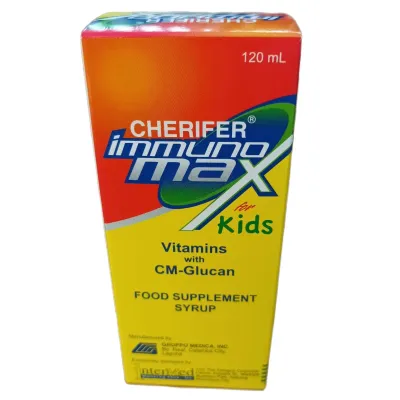

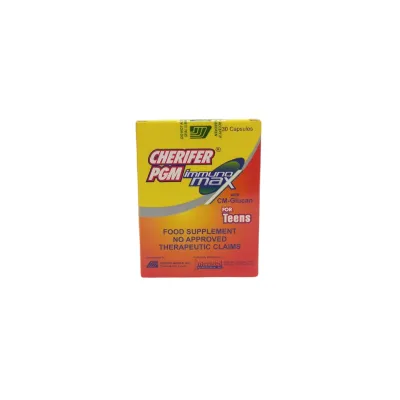
Prices are valid at publication and may change. Please refer to the product page for the latest price.
Beyond age guidelines, you must evaluate how the supplement fits into your child’s overall daily nutrition. In many households, children consume fortified foods like powdered milk formulas, cereals, and enriched snacks that already contain zinc, vitamin A, or vitamin C. If your child is already meeting their daily recommended nutrient intake through a balanced diet and fortified milk, adding a daily high-potency supplement might be unnecessary or even counterproductive. Take the time to list the nutrient values from your child’s daily food staples and compare them with the values listed on the supplement’s nutrition facts panel.
Finally, individual health factors play a critical role in determining daily safety. Children with underlying medical conditions, metabolic disorders, or known food hypersensitivities require a personalized assessment. For instance, certain ingredients or preservatives used in liquid supplements might not be suitable for children with specific dietary restrictions. Before introducing any daily supplement into your child’s routine, it is highly recommended to seek clearance from a pediatrician. A professional can evaluate your child’s growth chart, dietary habits, and medical history to confirm whether a daily multivitamin is beneficial and safe for their specific needs.
Common Side Effects and Allergic Signals to Monitor
When introducing a new supplement to your child’s daily routine, monitoring their physical response during the first few weeks is essential. While many children transition smoothly, some may experience mild gastrointestinal reactions as their digestive systems adjust to the concentrated nutrients. Watch closely for signs of stomach discomfort, such as mild nausea, spitting up, bloating, or an increase in gas. You might also notice temporary changes in their bowel habits, such as mild constipation or slightly loose stools. These digestive adjustments are often temporary, but they serve as important indicators of how well your child’s body is processing the supplement.

Allergic reactions represent another critical area of concern for caregivers. Although rare, a child can develop an allergy to the active vitamins, minerals, or the inactive excipients used to flavor and preserve the syrup. Regularly inspect your child’s skin for any unexplained changes, particularly within a few hours of administration. Look for localized itching, red patches, or hives, which are raised, itchy welts on the skin. If you notice your child scratching their skin or showing signs of physical discomfort without an obvious cause, it is important to consider the supplement as a potential trigger and monitor the symptoms closely.
In addition to physical symptoms, pay attention to any subtle behavioral shifts that coincide with starting the supplement. Some parents report observing temporary restlessness, mild hyperactivity, or changes in sleep patterns when their children begin a new vitamin regimen. While these behavioral changes are not typical side effects, they can occur if a child is sensitive to specific formulations or if the supplement is administered too close to bedtime. Keeping a simple daily log of when you give the supplement, what your child eats, and any unusual behaviors or physical symptoms will help you identify patterns and provide valuable information for your pediatrician.
Preventing Vitamin Toxicity and Over-Supplementation
Understanding the physiological differences between different types of vitamins is crucial for preventing over-supplementation. Vitamins are broadly categorized into water-soluble and fat-soluble groups, each behaving differently within the human body. Water-soluble nutrients, such as vitamin C and the B-complex family, are generally not stored in large quantities; the body absorbs what it needs and excretes the excess through urine. However, fat-soluble vitamins, including vitamins A and D, are stored in the liver and fatty tissues. Because the body cannot easily flush out excess fat-soluble vitamins, consistent over-supplementation can lead to a gradual accumulation, increasing the risk of vitamin toxicity over time.
To safeguard your child from these risks, conduct a comprehensive audit of all dietary supplements and fortified products they consume. Many parents unknowingly double-dose their children by offering multiple health products simultaneously, such as a daily multivitamin syrup alongside vitamin gummies, immune-support chews, or highly fortified nutritional drinks. This cumulative intake can easily push a child’s daily consumption past the tolerable upper intake levels established by health authorities. Ensure that you are not combining products with overlapping ingredient profiles unless specifically instructed to do so by a qualified healthcare professional.
Another common risk factor for accidental over-supplementation is the appealing taste of pediatric liquid vitamins. Manufacturers often flavor these syrups with sweet, fruity tastes to make them palatable for young children. Consequently, children may perceive the supplement as a treat or candy and attempt to consume more than the recommended dose. To prevent accidental double-dosing, establish a strict household rule that the supplement is a medicine, not a snack. Never refer to vitamins as candy, and ensure that only adult caregivers handle, measure, and administer the product to maintain complete control over the daily dosage.
Clear Stop Conditions and When to Seek Medical Help
As a caregiver, knowing when to immediately halt the use of a supplement is just as important as knowing how to administer it. While mild digestive adjustments can sometimes occur, certain severe symptoms serve as absolute stop conditions that require urgent medical evaluation. If your child exhibits signs of a severe allergic reaction, such as difficulty breathing, wheezing, swelling of the face, lips, tongue, or throat, or severe dizziness, you must stop the supplement immediately and seek emergency medical care. These symptoms can indicate anaphylaxis, a life-threatening allergic reaction that requires immediate intervention.
Other serious indicators that warrant stopping the supplement and consulting a doctor include persistent vomiting, severe abdominal pain, or extreme lethargy and unusual sleepiness. If your child seems unusually weak, unresponsive, or refuses to eat or drink after taking the supplement, these are clear signs that their body is not tolerating the product. For milder, non-emergency reactions—such as a mild skin rash or occasional loose stools—you should still pause the administration of the supplement. Pausing allows your child’s system to clear the ingredients while you schedule a consultation with their pediatrician to discuss the reaction.
When you visit a clinic or emergency room to address a suspected reaction, preparation is key to helping healthcare providers make an accurate assessment. Always bring the original packaging of the Cherifer Immunomax bottle with you, as this allows the doctor to inspect the exact ingredient concentrations, batch numbers, and expiration dates. Additionally, present a clear timeline or log detailing when the supplement was introduced, the exact dosages administered, and when the symptoms first appeared. This detailed information is invaluable for determining whether the reaction was caused by the supplement, an interaction with another substance, or an unrelated health issue.
Safe Storage and Administration Best Practices
Maintaining the physical integrity of a liquid supplement is essential for ensuring its safety and efficacy over time. In tropical environments characterized by high temperatures and elevated humidity, such as the Philippines, improper storage can accelerate the degradation of active vitamins and minerals. It can also create an environment where harmful bacteria or mold can grow around the bottle cap. Always store the bottle in a cool, dry cupboard away from direct sunlight, heat-generating appliances like stoves or microwaves, and areas prone to moisture like bathroom cabinets or kitchen sinks.
In addition to environmental protection, physical security is paramount to preventing accidental ingestion. Liquid pediatric supplements should always be kept tightly sealed and stored in a location that is completely out of both the reach and sight of young children. High shelves, locked cabinets, or child-proof storage containers are excellent options for keeping these products secure. Even if a bottle features a child-resistant cap, do not rely on it as a foolproof safety measure, as curious toddlers can often find ways to open them given enough time and privacy.
Finally, accurate dosing is critical to avoiding both under-supplementation and accidental overdose. Never use standard household kitchen spoons, such as teaspoons or tablespoons, to measure out liquid vitamins. These household utensils vary widely in shape and volume, often holding significantly more or less liquid than a standard medical measurement. Instead, always use the calibrated measuring cup, dropper, or oral syringe that comes packaged with the specific bottle of Cherifer Immunomax. Clean the measuring device thoroughly with warm water and soap after each use, allowing it to air dry completely before storing it to prevent contamination.
Frequently Asked Questions (FAQ)
Can this supplement be taken alongside other daily medications?
Before combining Cherifer Immunomax with any other daily medications, whether they are prescription drugs or over-the-counter remedies, you must consult a pediatrician or a registered pharmacist. Certain minerals, particularly zinc, can interact with other active compounds in the digestive tract. For example, zinc can bind to certain antibiotics or thyroid medications, significantly reducing their absorption and overall effectiveness in the body. To ensure safety, provide your child’s healthcare provider with a complete, written list of all medications, herbal remedies, and other supplements your child is currently taking before introducing a new daily vitamin.
What are the immediate steps if a child takes an extra dose?
If you suspect or confirm that your child has taken an extra dose or accidentally consumed a larger amount of the supplement, remain calm but act promptly. Immediately contact your pediatrician or a local poison control center for professional guidance. Do not attempt to induce vomiting unless a medical professional explicitly instructs you to do so, as this can sometimes cause further irritation or aspiration risks. Keep the original product packaging close at hand so you can read the exact ingredient list, concentrations, and bottle size to the medical responders, allowing them to provide the most accurate advice for your child’s weight and age.
Community discussion
Share your experience or ask a question. Comments are reviewed before publication.