
Ensuring your child receives the right nutrients to support their growth and immune system is a top priority for parents. Cherifer Immunomax for kids is a widely recognized dietary supplement in the Philippines, often considered by parents looking to give their children an extra health boost. When administered correctly and according to the manufacturer’s age-specific instructions, this pediatric supplement is generally safe for healthy children. However, it is vital to remember that dietary supplements are designed to support, not replace, a balanced diet rich in whole foods.
The safety of any supplement is entirely conditional. It depends on strict adherence to the manufacturer’s guidelines, correct dosage based on your child’s age and weight, and the unique health profile of your child. Because every child’s body processes vitamins and minerals differently, what is safe for one child may not be suitable for another.
Before introducing Cherifer Immunomax or any new supplement to your child’s daily routine, consulting a pediatrician is an essential first step. A qualified medical professional can evaluate your child’s specific nutritional needs, verify whether a supplement is necessary, and ensure it will not interact with any existing conditions or medications.
Products mentioned in this guide
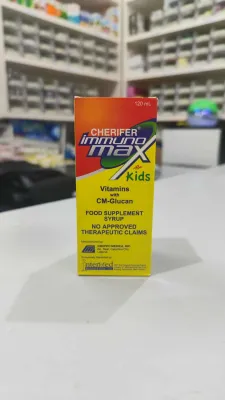
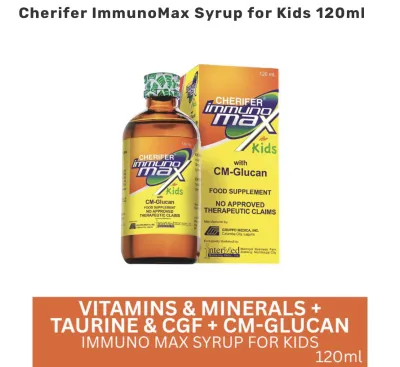

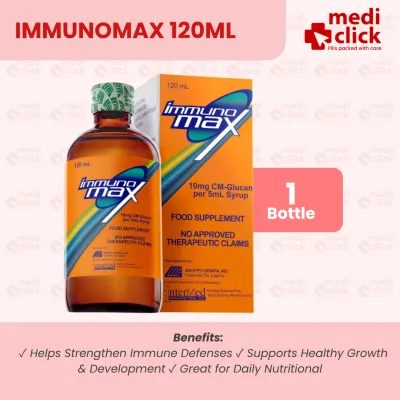
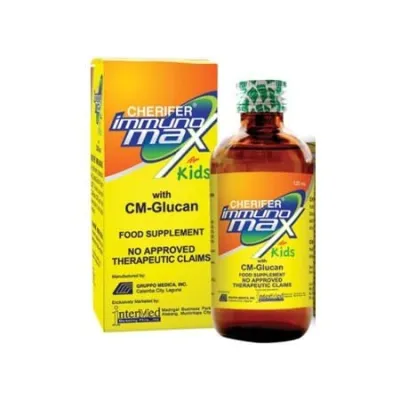
Prices are valid at publication and may change. Please refer to the product page for the latest price.
Is Cherifer Immunomax Safe for Your Child?
When evaluating whether a pediatric supplement is safe, parents must look beyond the brand name and focus on how the product fits into their child’s overall lifestyle. Pediatric nutritional supplements are formulated to meet specific dietary gaps, making them generally safe for healthy children when used exactly as directed. However, they are not a magic shortcut to health, nor should they be used to compensate for a consistently poor diet. A foundation of fresh fruits, vegetables, lean proteins, and whole grains remains the most critical factor in your child’s development.
The safety of Cherifer Immunomax is contingent on following the manufacturer’s specific recommendations and never exceeding the stated daily limits. Pediatric formulations are carefully balanced to provide nutrients within safe daily thresholds for specific age brackets. Giving your child more than the recommended dose does not accelerate growth or boost immunity faster; instead, it increases the workload on their developing kidneys and liver, potentially leading to adverse health outcomes.
A child’s individual health status is the ultimate deciding factor for safety. For instance, a supplement that is perfectly safe for a highly active, healthy child might pose risks for a child with metabolic variations or underlying organ sensitivities. This is why a professional medical consultation is not optional. A pediatrician can help you determine if your child actually has a nutrient deficiency or if their growth and immunity can be fully supported through natural dietary adjustments.
Decoding the Label: Key Ingredients to Check
To make an informed decision about safety, you must understand what goes into your child’s body. Parents should always inspect the exact product packaging and label of the specific variant they have purchased, as formulations can differ between drops for infants and syrups for older children. Checking the active ingredient list ensures you know exactly what nutrients are being introduced.

The ingredients commonly associated with this product line play specific roles in pediatric health:
- Chlorella Growth Factor (CGF): This is a nutrient complex derived from chlorella, a green microalgae. It is rich in nucleic acids, amino acids, and peptides, which are generally associated with supporting cellular repair, tissue growth, and natural developmental milestones in growing children.
- Zinc: An essential trace mineral that plays a vital role in immune system function, cellular division, and protein synthesis. It helps the body fight off common childhood infections and supports healthy wound healing.
- Vitamin C: A powerful antioxidant that helps protect cells from damage, assists in iron absorption from food, and supports the maintenance of healthy connective tissues, skin, and immune defenses.
Beyond these active nutrients, you must carefully examine the inactive ingredients list. This section details the binders, preservatives, colorings, and sweeteners used to make the supplement stable and palatable. Some children may have sensitivities or mild allergic reactions to specific artificial colors, preservatives (such as sodium benzoate), or sweeteners (like sucrose or sorbitol). If your child has a history of food sensitivities, asthma, or digestive issues, verifying these inactive ingredients with your pediatrician is a crucial step to prevent unnecessary adverse reactions.
Dosage Guidelines: Finding the Right Amount for Your Child's Age
Administering the correct amount of any supplement is the most critical factor in ensuring its safety. The golden rule of pediatric supplementation is to strictly follow the dosage chart printed on the product packaging. These charts are carefully calibrated by the manufacturer based on specific age brackets or weight ranges to ensure your child receives an effective yet safe amount of each nutrient.
Exceeding the recommended daily dose carries significant health risks. While water-soluble vitamins like Vitamin C are generally excreted in urine when taken in excess, fat-soluble nutrients and minerals like Zinc can accumulate in the body. Excessive zinc intake can cause acute gastrointestinal distress, copper deficiency, and impaired immune function over time. Never assume that doubling the dose will double the benefits; always stick to the exact measurements recommended for your child’s developmental stage.
To ensure safe and accurate administration, keep these practical tips in mind:
- Use the provided tool: Always use the exact syringe, dropper, or measuring cup included in the product packaging. Standard kitchen spoons are highly inaccurate and can easily lead to under- or over-dosing.
- Administer with food: Give the supplement during or immediately after a meal. This helps buffer the stomach lining and significantly reduces the likelihood of mild nausea or stomach upset, which is a common side effect of zinc-containing supplements.
- Keep utensils clean: Thoroughly wash and dry the measuring tool after every use to prevent bacterial contamination.
If you happen to miss a scheduled dose, do not panic. Give the missed dose as soon as you remember, provided it is still relatively early in the day. If it is already close to the time for the next scheduled dose, skip the missed one entirely and resume the regular schedule. You must never double up on the dose to compensate for a missed day, as this suddenly exposes your child’s system to an unsafe concentration of nutrients.
Potential Side Effects and Warning Signs to Monitor
Even when a supplement is generally safe and administered at the correct dosage, some children may experience mild side effects as their bodies adjust. The most common mild reactions are gastrointestinal. These include temporary nausea, mild stomach cramps, or slight changes in bowel movements, such as mild constipation or loose stools. These symptoms are typically harmless and often resolve on their own, especially if you ensure the supplement is taken with a meal rather than on an empty stomach.
However, parents must remain vigilant for signs of an allergic reaction. While rare, allergic responses can occur due to active ingredients or inactive additives. Watch closely for:
- Skin changes: The sudden appearance of hives, red patches, or an itchy skin rash.
- Swelling: Any swelling of the face, lips, tongue, or throat.
- Respiratory issues: Mild wheezing, coughing, or congestion that starts shortly after administration.
In addition to physical symptoms, pay attention to behavioral or physical changes. Some parents note temporary changes in sleep patterns, unusual restlessness, or a sudden loss of appetite. While these may not always be directly caused by the supplement, they serve as a signal to pause and evaluate.
It is critical to establish clear emergency boundaries. If your child exhibits severe symptoms—such as difficulty breathing, persistent and severe vomiting, severe abdominal pain, extreme lethargy, or signs of anaphylaxis—you must stop administering the supplement immediately and seek urgent medical attention at the nearest healthcare facility.
Crucial Precautions and When to Call the Pediatrician
Ensuring long-term safety involves understanding how different health factors and environmental conditions interact with pediatric supplements. One of the most common risks in modern parenting is supplement stacking. This occurs when a child is given multiple daily supplements—such as a general multivitamin gummy, an immune-boosting syrup, and a fortified milk drink—without realizing that the active ingredients overlap. This cumulative intake can easily push a child past the safe daily upper limits for nutrients like Zinc and Vitamin A, leading to chronic toxicity. Always consult your doctor before combining products.
Children with pre-existing or underlying health conditions require extreme caution. If your child has a history of kidney issues, metabolic disorders, blood disorders, or a compromised immune system, they must never take growth or immune supplements without direct, ongoing medical supervision. In these cases, the body’s ability to process and filter concentrated nutrients may be compromised, making standard dosages potentially harmful.
Proper storage is another vital safety factor, especially in tropical climates like the Philippines where high humidity and heat can degrade liquid supplements. Keep the bottle tightly sealed and store it in a cool, dry place away from direct sunlight, ideally below 30°C. Never store supplements on windowsills or in damp areas like bathrooms. Most importantly, keep the bottle securely out of the reach and sight of children. Pediatric syrups are often sweet-tasting, which makes them highly appealing to curious toddlers and increases the risk of accidental overdose.
Finally, know when to stop. You should immediately discontinue the supplement and consult your pediatrician if:
- Your child develops a new, unexplained physical symptom or illness.
- Your child is prescribed a new medication that might interact with the supplement's ingredients.
- You observe any persistent adverse reactions, even if they appear mild.
Frequently Asked Questions (FAQ)
Can my child take this with other daily vitamins?
It is generally not recommended to combine multiple multivitamins or mineral supplements without professional guidance. To determine safety, you must carefully compare the product labels of all supplements you plan to give your child. Look closely for overlapping ingredients, particularly Zinc and Vitamin C. If the combined total of these nutrients exceeds the Tolerable Upper Intake Level (UL) for your child’s specific age group, it can lead to adverse health effects. Always consult your pediatrician to review your child’s complete supplement regimen before introducing any new products.
What should I do if my child accidentally takes too much?
If your child accidentally ingests an excessive amount of the supplement, act immediately. Do not induce vomiting unless explicitly instructed to do so by a healthcare professional, as this can sometimes cause further irritation or aspiration. Contact your pediatrician or a local poison control center right away, or take your child directly to the nearest emergency room. Be sure to bring the exact product bottle with you so the medical staff can inspect the label, identify the active ingredients, and calculate the exact dosage your child may have consumed.
Community discussion
Share your experience or ask a question. Comments are reviewed before publication.