
Deciding whether to introduce a dietary supplement like Cherifer to your one-year-old baby requires a careful look at product formulations, age indications, and your child’s unique developmental needs. While pediatric supplements are widely available in the Philippines, not every product under a specific brand name is formulated for a toddler who has just turned one. Ensuring your child’s safety means looking beyond the brand name, reading the packaging details, and consulting a pediatrician before administering any supplement.
At one year of age, a child’s digestive system, kidneys, and liver are still maturing. Their nutritional requirements are rapidly shifting as they transition from a primarily liquid diet of breast milk or formula to solid family foods. Introducing concentrated vitamins or growth supplements during this transitional phase must be handled with care to avoid overwhelming their developing organs.
Parents often consider supplements to support growth milestones, boost immunity, or address picky eating habits. However, dietary supplements should never replace a balanced diet of whole foods. Understanding how to evaluate these products, read labels accurately, and monitor your child’s physical response will help you make an informed and safe decision for your toddler’s health.
Products mentioned in this guide

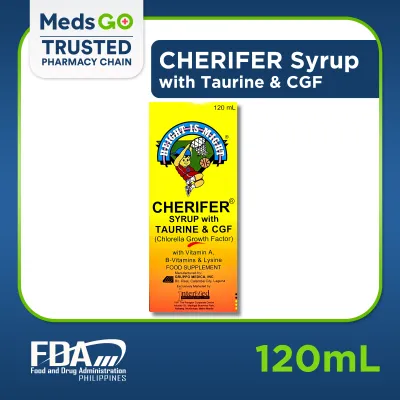
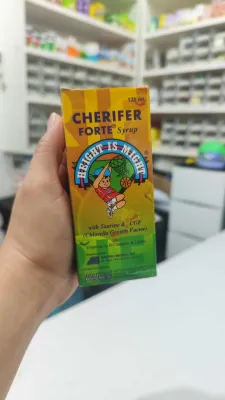
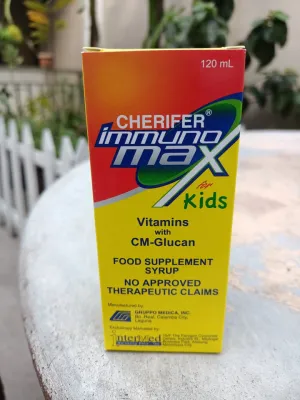

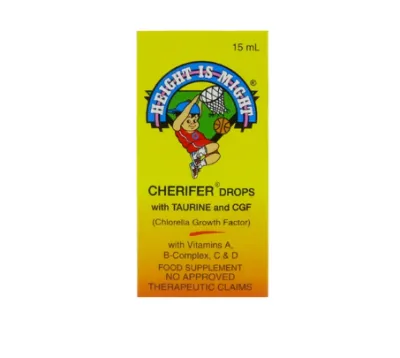
Prices are valid at publication and may change. Please refer to the product page for the latest price.
Evaluating Age Appropriateness and Product Labels
Before purchasing any supplement, the first step is to carefully inspect the product packaging for specific age recommendations. Brands often manufacture multiple versions of the same supplement line, such as drops designed for infants and syrups intended for older children or teenagers. Giving a one-year-old a formulation meant for older kids can expose them to excessively high concentrations of vitamins and minerals, which can be harmful to their young systems.
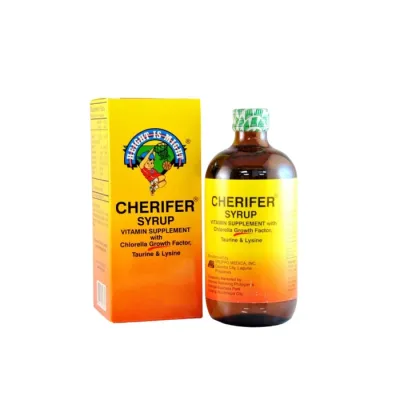
When examining the label, look closely at the active ingredients listed on the back of the bottle. Many pediatric supplements contain a combination of vitamins, minerals, and specialized additives like Chlorella Growth Factor, taurine, and lysine. Discussing this specific list of ingredients with your pediatrician is essential, as the doctor can determine if your child actually needs these extra nutrients based on their current diet and growth trajectory.
It is also important to distinguish between a general daily multivitamin and a specialized growth or appetite supplement. General multivitamins typically aim to prevent basic nutrient deficiencies, while specialized supplements may contain higher concentrations of specific amino acids or extracts. Knowing exactly what purpose the supplement serves helps prevent unnecessary over-supplementation, especially if your child is already consuming fortified milk or a diverse range of solid foods.
Additionally, check the packaging for any allergen warnings or storage instructions. In warm, humid tropical climates like the Philippines, supplements must be stored correctly to prevent the degradation of active ingredients or the growth of harmful bacteria. Always verify that the product is sealed properly upon purchase and that the expiration date is clearly visible and valid.
Determining the Safe Dosage for a 1-Year-Old
Finding the correct serving size for a one-year-old should never involve guessing or relying on casual advice from online parenting forums. Always refer strictly to the manufacturer’s dosing chart printed on the box or bottle insert. This chart typically categorizes dosages by age brackets, but because children grow at different rates, a pediatrician may adjust the dose based on your child’s exact weight rather than their age alone.

To ensure accuracy, always use the calibrated measuring tool that comes packaged with the supplement, such as an oral syringe or a small measuring cup. Avoid using standard household spoons, like the teaspoons or tablespoons found in your kitchen, as their volumes vary significantly and can easily lead to under-dosing or dangerous over-dosing. If the product does not include a measuring tool, ask your pharmacist for a calibrated oral syringe specifically designed for pediatric use.
A personalized prescription from your pediatrician is especially critical if your child has any underlying health conditions, food sensitivities, or metabolic disorders. A doctor can evaluate your child’s overall health, review their daily food intake, and prescribe a precise dosage that minimizes risks. Never exceed the recommended daily dose on the label unless explicitly instructed to do so by a qualified healthcare professional.
Consistency in administration is also key to safety. Establish a regular routine, such as giving the supplement at the same time each day, to help you track doses accurately and avoid accidental double-dosing. Keeping a simple daily log or using a tracking app can be highly beneficial, especially if multiple caregivers are responsible for looking after the baby throughout the day.
Side Effects to Monitor After Administration
After introducing a new supplement to your toddler, it is vital to monitor them closely for any physical or behavioral changes. The digestive system of a one-year-old is highly sensitive, and the sudden introduction of concentrated vitamins or minerals can sometimes cause mild gastrointestinal upset. Watch for signs of stomach discomfort, mild nausea, flatulence, or sudden changes in bowel movements, such as constipation or loose stools.
Skin reactions are another critical area to observe, particularly in warm and humid climates where skin sensitivity is already heightened. Check your baby’s skin regularly for any new rashes, localized redness, itching, or hives. While some skin irritations may be related to heat or environmental factors, a rash that develops shortly after administering a supplement could indicate an allergic reaction to one of the active ingredients or preservatives in the syrup.
Behavioral shifts can also provide clues about how your child’s body is reacting to the supplement. Note if your toddler becomes unusually fussy, irritable, or hyperactive after taking their daily dose. Some children may experience temporary sleep disturbances or sudden changes in their appetite, either showing an unusual disinterest in their regular meals or becoming excessively demanding of food.
Keep a close eye on these symptoms over the first few weeks of starting the supplement. If you notice any persistent or worsening changes in your baby’s digestion, skin, or mood, temporarily pause the administration and consult your pediatrician. Documenting these observations in a journal can help your doctor make an accurate assessment of whether the supplement is suitable for your child.
Red Flags: When to Stop and Call the Pediatrician
While mild adjustments to a new supplement can occur, certain severe symptoms require immediate medical attention. Stop giving the supplement immediately if your child shows any signs of a severe allergic reaction, also known as anaphylaxis. These signs include swelling of the face, lips, tongue, or throat, as well as visible difficulty breathing, rapid wheezing, or a sudden, widespread outbreak of hives.
You should also discontinue use and contact your doctor promptly if your child experiences persistent vomiting, severe watery diarrhea, or extreme lethargy. If your baby becomes unusually difficult to wake, shows a lack of energy to play, or refuses to drink fluids, these are serious warning signs that their body is not tolerating the supplement or that they may be experiencing dehydration.
Furthermore, never combine different dietary supplements, fortified milks, or medications without consulting a pediatrician first. Overlapping ingredients can easily lead to nutrient toxicity, particularly with fat-soluble vitamins like vitamin A or vitamin D, which accumulate in the body and can cause serious health complications over time. Always provide your doctor with a complete list of everything your child consumes to ensure there are no dangerous interactions.
Frequently Asked Questions (FAQ)
Can I mix the syrup with my baby's milk or food?
Before mixing any pediatric supplement with your baby’s milk or food, you must carefully read the product label for specific instructions. While mixing can make administration easier for picky eaters, it carries the risk of incomplete dosing if your child does not finish the entire bottle of milk or portion of food. Additionally, some vitamins and minerals can interact with the proteins or calcium in milk, potentially reducing their absorption rate or altering the taste of the food, which might cause your baby to reject their regular meals.
What should I do if I miss a dose or accidentally give too much?
If you miss a scheduled dose of the supplement, do not double the next dose to make up for it, as this can overwhelm your child’s system. Simply skip the missed dose and resume your regular administration schedule the following day. In the event of an accidental overdose—such as if your child consumes more than the recommended amount or accesses the bottle unsupervised—contact your pediatrician or a local poison control center immediately, even if your child does not show any immediate symptoms of illness.
Community discussion
Share your experience or ask a question. Comments are reviewed before publication.